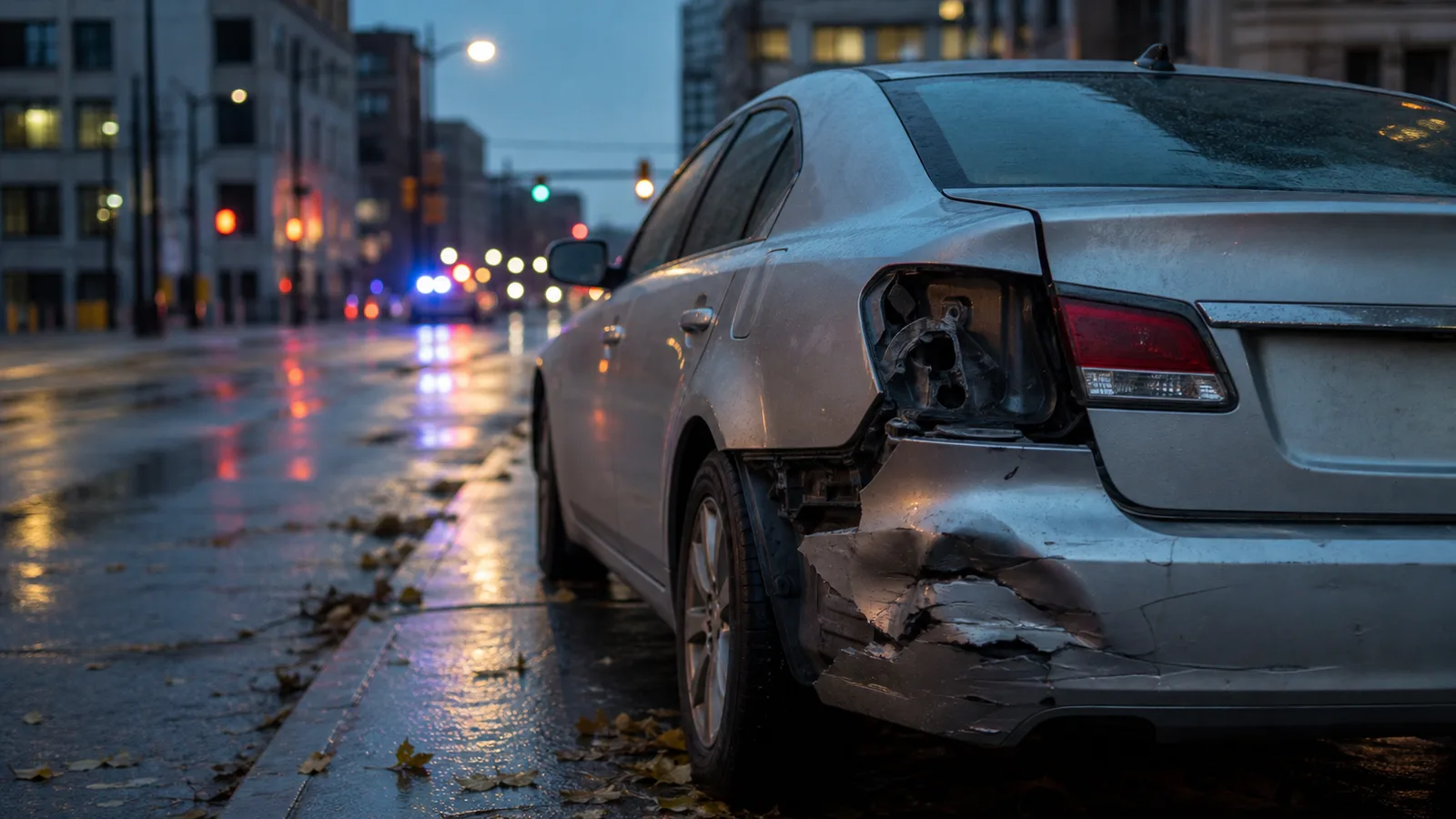
A hit-and-run is not just a property-damage problem. It is a crash, an evidence race, and often an uninsured-motorist claim all at once. In Fort Wayne and Allen County, the best next step is to create a record quickly: call police, get medical care if needed, identify witnesses and cameras, and notify your insurer without guessing about facts you do not know.
Key takeaways
- Do not chase the fleeing driver; safety and a police report come first.
- Camera footage and witness information can disappear quickly.
- Uninsured motorist coverage may apply if the driver is not identified.
- Medical documentation matters even when the crash also involves property damage.
- Recorded statements should be handled carefully when injuries or coverage are disputed.
First steps at the scene
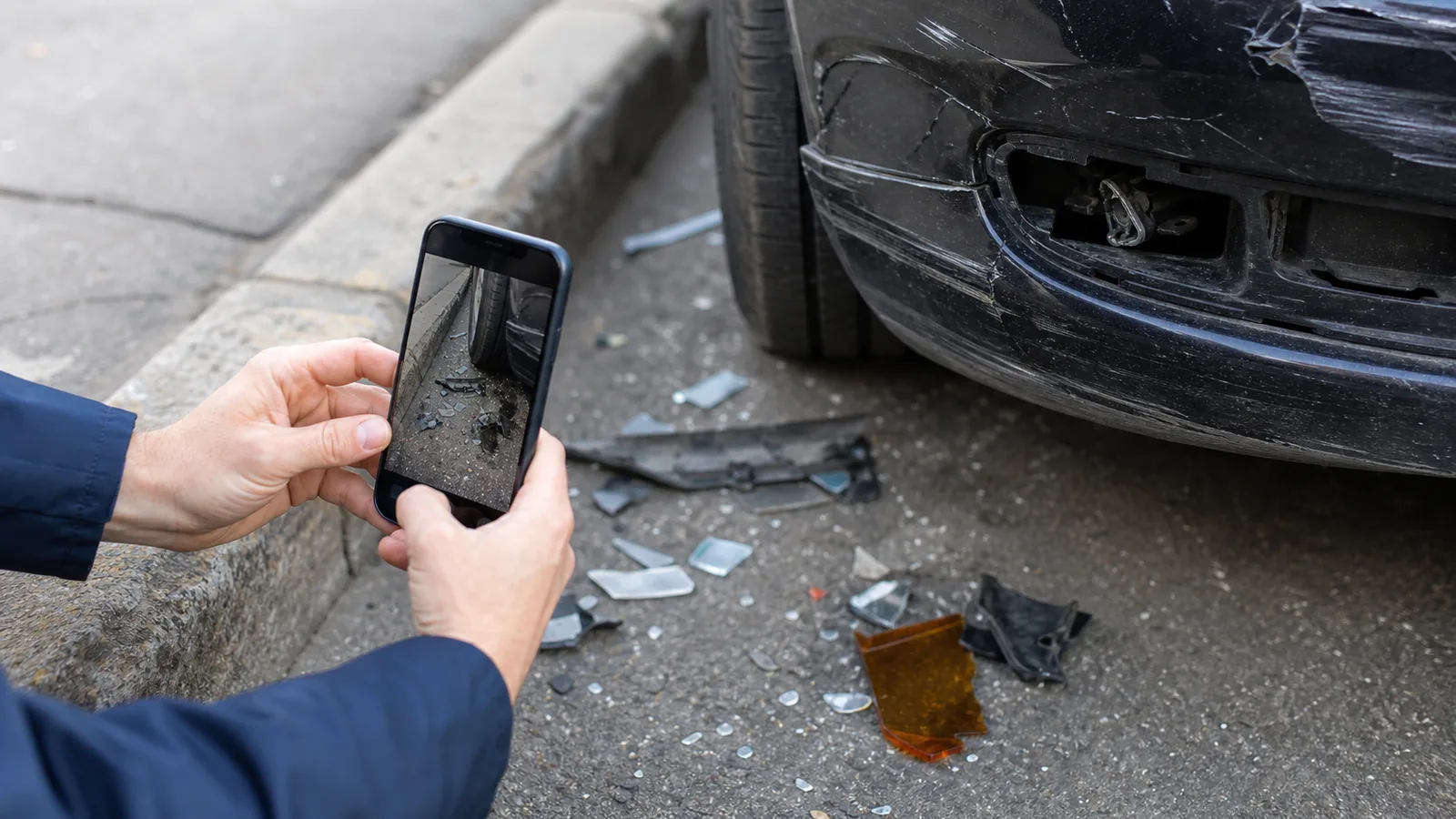
Move to a safe place if you can. Call 911 and tell dispatch the other driver left. Do not chase the vehicle. Check for injuries, preserve the scene with photos, and write down everything you remember before memory fades.
Useful details include color, make, model, plate fragments, damage location, direction of travel, driver description, passengers, and nearby business cameras. If witnesses stopped, get names and numbers before they leave.
Practical checklist: save the claim number, photograph your vehicle before repairs, screenshot map locations, preserve tow and storage bills, and ask nearby businesses in writing whether footage exists. If the driver is later identified, the claim may shift from UM coverage to the driver’s liability carrier, but the early evidence still matters.
Be careful with uncertainty. It is fine to say, “I remember a dark SUV turning north,” but do not fill in a plate number, speed, or vehicle make if you are guessing. Accurate uncertainty is more credible than a confident mistake.
Police reports and local evidence
Ask for the report number and responding agency. In Fort Wayne, that may involve Fort Wayne Police, Allen County Sheriff, Indiana State Police, or another agency depending on location.
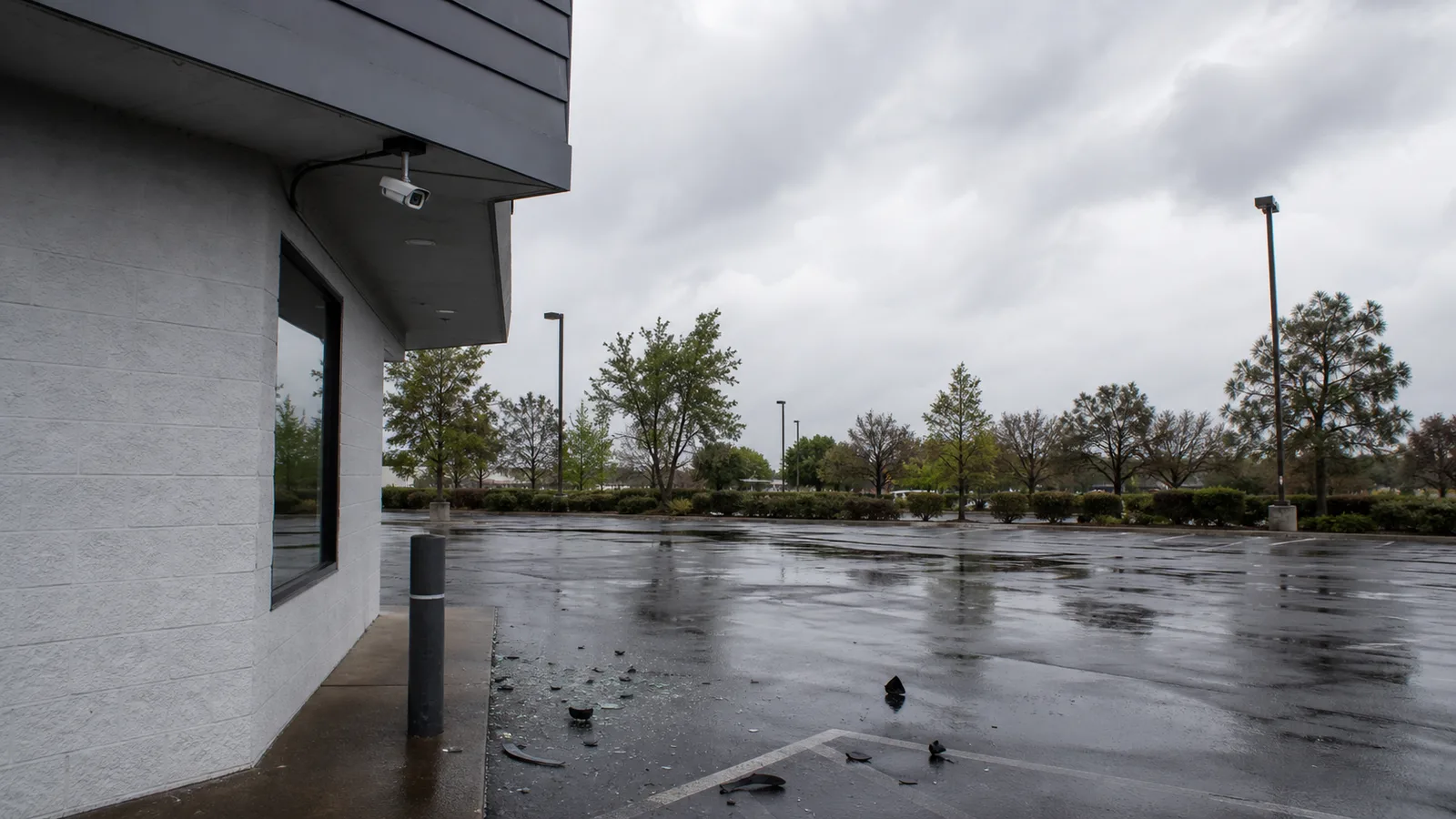
Look for cameras quickly. Gas stations, intersections, apartments, schools, and businesses may overwrite footage within days. A lawyer can help send preservation requests when the evidence matters. Internal link: Hit-skip accidents in Fort Wayne and Allen County.
Practical checklist: save the claim number, photograph your vehicle before repairs, screenshot map locations, preserve tow and storage bills, and ask nearby businesses in writing whether footage exists. If the driver is later identified, the claim may shift from UM coverage to the driver’s liability carrier, but the early evidence still matters.
Be careful with uncertainty. It is fine to say, “I remember a dark SUV turning north,” but do not fill in a plate number, speed, or vehicle make if you are guessing. Accurate uncertainty is more credible than a confident mistake.
Medical care and delayed symptoms
Adrenaline can hide pain. Neck, back, head, shoulder, and knee symptoms may become more obvious later. If symptoms appear, tell the provider there was a hit-and-run crash and explain the mechanism.
Medical records help both health and claims. They show timing, symptoms, restrictions, referrals, and whether the crash caused or aggravated the condition.
Practical checklist: save the claim number, photograph your vehicle before repairs, screenshot map locations, preserve tow and storage bills, and ask nearby businesses in writing whether footage exists. If the driver is later identified, the claim may shift from UM coverage to the driver’s liability carrier, but the early evidence still matters.
Be careful with uncertainty. It is fine to say, “I remember a dark SUV turning north,” but do not fill in a plate number, speed, or vehicle make if you are guessing. Accurate uncertainty is more credible than a confident mistake.
Uninsured motorist coverage
If the fleeing driver is not found, your own uninsured motorist coverage may be the most important coverage. Indiana insurers generally must offer UM/UIM coverage unless rejected as allowed by law, but policy language and facts matter.
Notify your insurer promptly. Give basic facts, but do not guess. If injuries are significant, get advice before a detailed recorded statement.
Practical checklist: save the claim number, photograph your vehicle before repairs, screenshot map locations, preserve tow and storage bills, and ask nearby businesses in writing whether footage exists. If the driver is later identified, the claim may shift from UM coverage to the driver’s liability carrier, but the early evidence still matters.
Be careful with uncertainty. It is fine to say, “I remember a dark SUV turning north,” but do not fill in a plate number, speed, or vehicle make if you are guessing. Accurate uncertainty is more credible than a confident mistake.
Mistakes to avoid
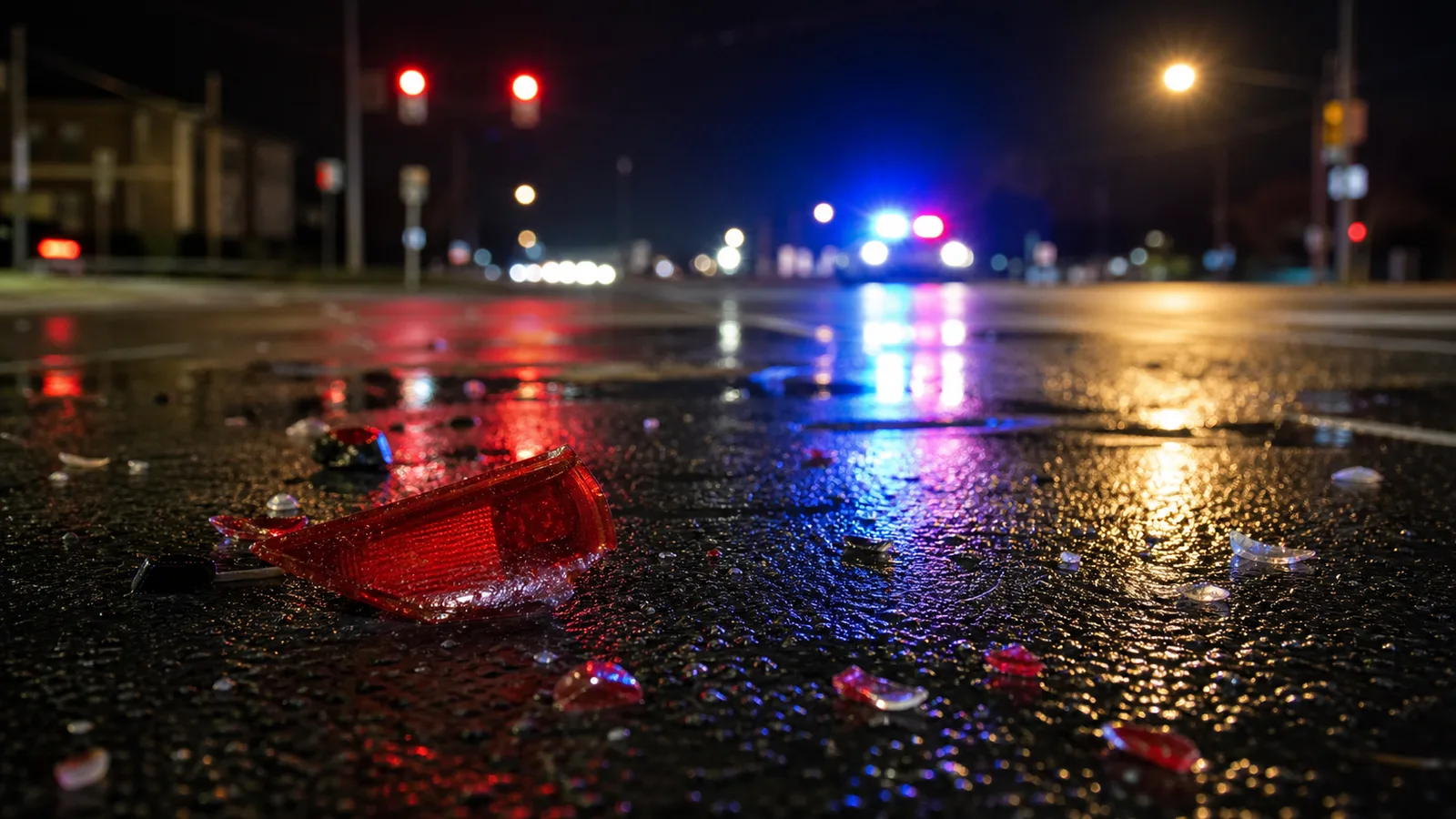
Do not chase the fleeing driver. Do not repair the vehicle before taking photos. Do not post crash details online. Do not assume there is no claim because the driver was not found. Do not minimize symptoms to medical providers.
Practical checklist: save the claim number, photograph your vehicle before repairs, screenshot map locations, preserve tow and storage bills, and ask nearby businesses in writing whether footage exists. If the driver is later identified, the claim may shift from UM coverage to the driver’s liability carrier, but the early evidence still matters.
Be careful with uncertainty. It is fine to say, “I remember a dark SUV turning north,” but do not fill in a plate number, speed, or vehicle make if you are guessing. Accurate uncertainty is more credible than a confident mistake.
When to call a lawyer
Call Delventhal Law Office if you were injured, the driver fled, cameras may exist, your insurer is asking for a recorded statement, or you are unsure whether UM coverage applies. We can help identify evidence, organize medical proof, and deal with the insurance process.
Practical checklist: save the claim number, photograph your vehicle before repairs, screenshot map locations, preserve tow and storage bills, and ask nearby businesses in writing whether footage exists. If the driver is later identified, the claim may shift from UM coverage to the driver’s liability carrier, but the early evidence still matters.
Be careful with uncertainty. It is fine to say, “I remember a dark SUV turning north,” but do not fill in a plate number, speed, or vehicle make if you are guessing. Accurate uncertainty is more credible than a confident mistake.
Frequently Asked Questions
Should I chase a hit-and-run driver?
No. Get to safety, call 911, and preserve details. Chasing can create more danger and may damage your claim.
Can my own insurance cover a hit-and-run?
Possibly. Hit-and-run crashes are often handled through uninsured motorist coverage if the policy and facts qualify.
What information should I write down?
Vehicle color, make, model, plate fragments, direction of travel, driver description, witnesses, camera locations, and scene details.
Do I need medical care if I feel okay?
If you have symptoms or are unsure, get checked. Some crash injuries become clearer hours or days later.
What if police never find the driver?
You may still have insurance options through your own policy, especially UM coverage, medical payments coverage, or collision coverage.
Sources and further reading
- Indiana Code Article 9-26 — Duties after accidents[1]
- Indiana BMV — Proof of financial responsibility[2]
- Indiana Code § 34-11-2-4 — Injury to person or character[3]
- Delventhal Law Office — Fort Wayne Car Accident Attorney