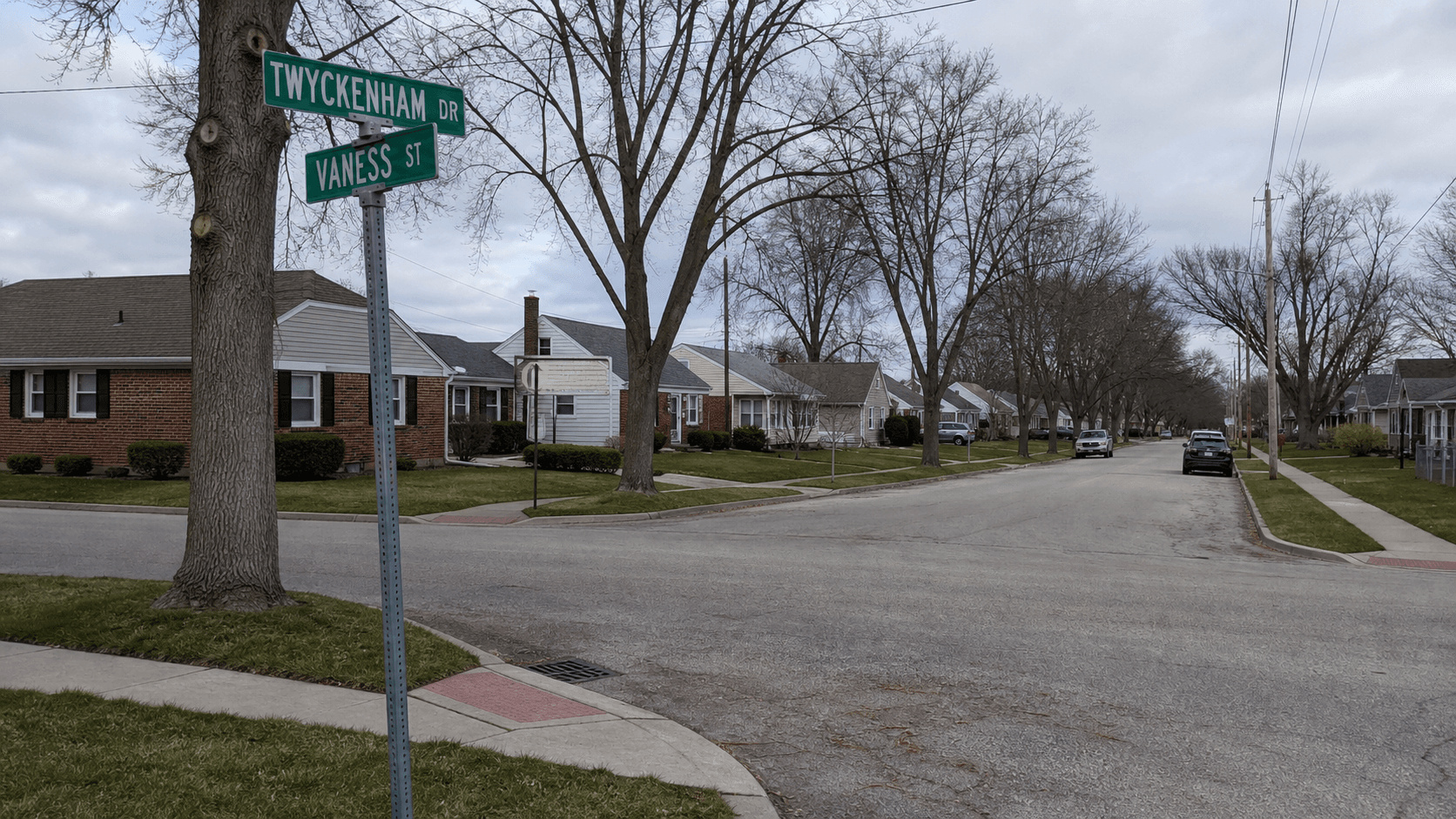
The St. Joseph County Police Department daily log[1] records a traffic accident at Twyckenham Drive and VanEss Street in South Bend on Sunday, August 23, 2026. According to the entry, a 74-year-old man reported a hit and run, and Officer Ian Bator took the report.
The log does not state whether anyone was injured. It does not describe damage or the fleeing vehicle. No arrest has been reported, the driver has not been identified, and the investigation is ongoing.
A police log establishes that a report was made. It does not decide what happened or who was responsible. You can learn more about the limits of a report in this guide to Indiana police crash reports.
What should accident victims do next?
Report a hit and run to police promptly and keep the report number. Write down what you remember about the other vehicle, including its color, body style, damage, direction of travel, and any part of the license plate. Do this while your memory is fresh.
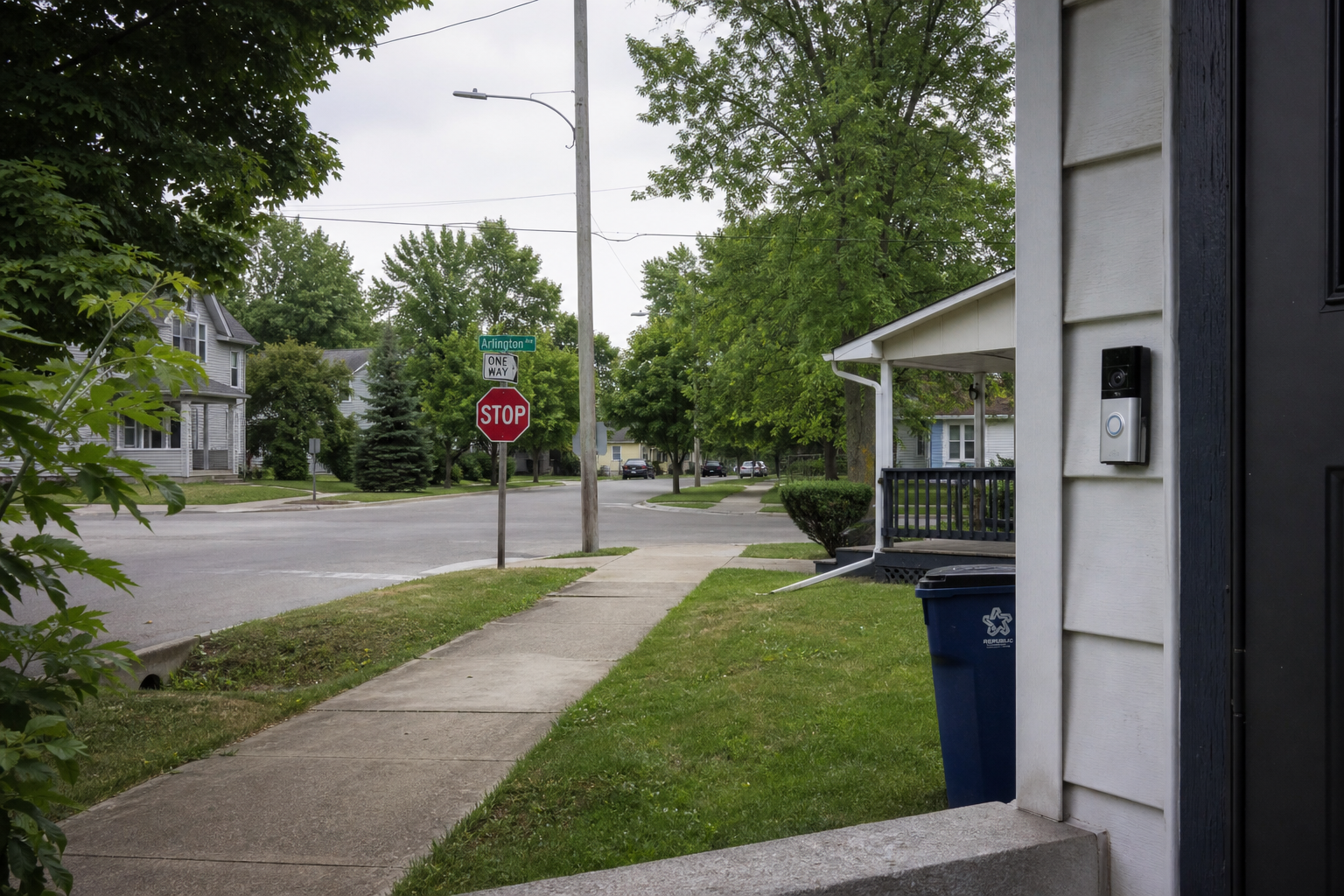
Look for nearby cameras as soon as possible. Doorbell, business, and traffic-camera recordings may be overwritten. Preserving footage and other evidence early can matter, as explained in this guide to what to do after a hit and run.
If you may be hurt, seek an appropriate medical evaluation. Notify your auto insurer promptly as well. Your own policy may be important when the other driver cannot be found, and delaying notice can create a coverage dispute.
Why location matters in Indiana injury claims
The reported incident occurred at Twyckenham Drive and VanEss Street in South Bend, St. Joseph County. The St. Joseph County Police Department holds the report, which gives you a starting point for requesting the record and asking whether investigators have identified a vehicle.
When a driver remains unidentified, there may be no known liability insurer from which to seek payment. Indiana insurers must offer uninsured and underinsured motorist coverage under Indiana Code 27-7-5-2[2]. Depending on the policy and facts, that coverage may apply to a hit-and-run or unidentified-vehicle claim. The firm's guide to uninsured-driver claims in Indiana explains the general process.
Policy terms matter. A policy may require prompt notice, cooperation, physical contact, or independent proof of a phantom vehicle. These requirements are separate from the usual two-year filing period for personal injury claims under Indiana Code 34-11-2-4[3].
Indiana's comparative-fault rule can also affect a claim. Under Indiana Code 34-51-2-6[4], an injured person whose fault is greater than 50 percent recovers nothing. Otherwise, the recovery is reduced by that person's percentage of fault. An insurer may contest fault even when the other driver is absent.
Nothing in the police log implicates a government entity. If a government vehicle or roadway condition were involved in a different case, Indiana's notice deadlines could be much shorter: 180 days for a political subdivision under Indiana Code 34-13-3-8[5] and 270 days for the State under Indiana Code 34-13-3-6[6].

How Delventhal Law Office can help
When a hit-and-run driver is not found, you may still have options through insurance coverage that you or a household relative purchased. These claims can become hotly contested because your own insurer may investigate fault, injuries, notice, and policy compliance.
Delventhal Law Office can obtain the agency report, check whether a vehicle has been identified, work to preserve available footage, and review household auto policies for uninsured motorist coverage. You can speak with a South Bend car accident lawyer or request a free case evaluation. Delventhal Law Office, LLC is a Fort Wayne personal injury law firm founded by attorney Chad E. Delventhal in 2009.
This post is based on public reporting, the investigation may be ongoing, and nothing here is legal advice or creates an attorney-client relationship.