This is general educational content about a fact pattern that recurs on Indiana interstates. A child died in this crash. Consistent with the firm's practice, no victim is named here and no identifying detail of the child is published.
What happened
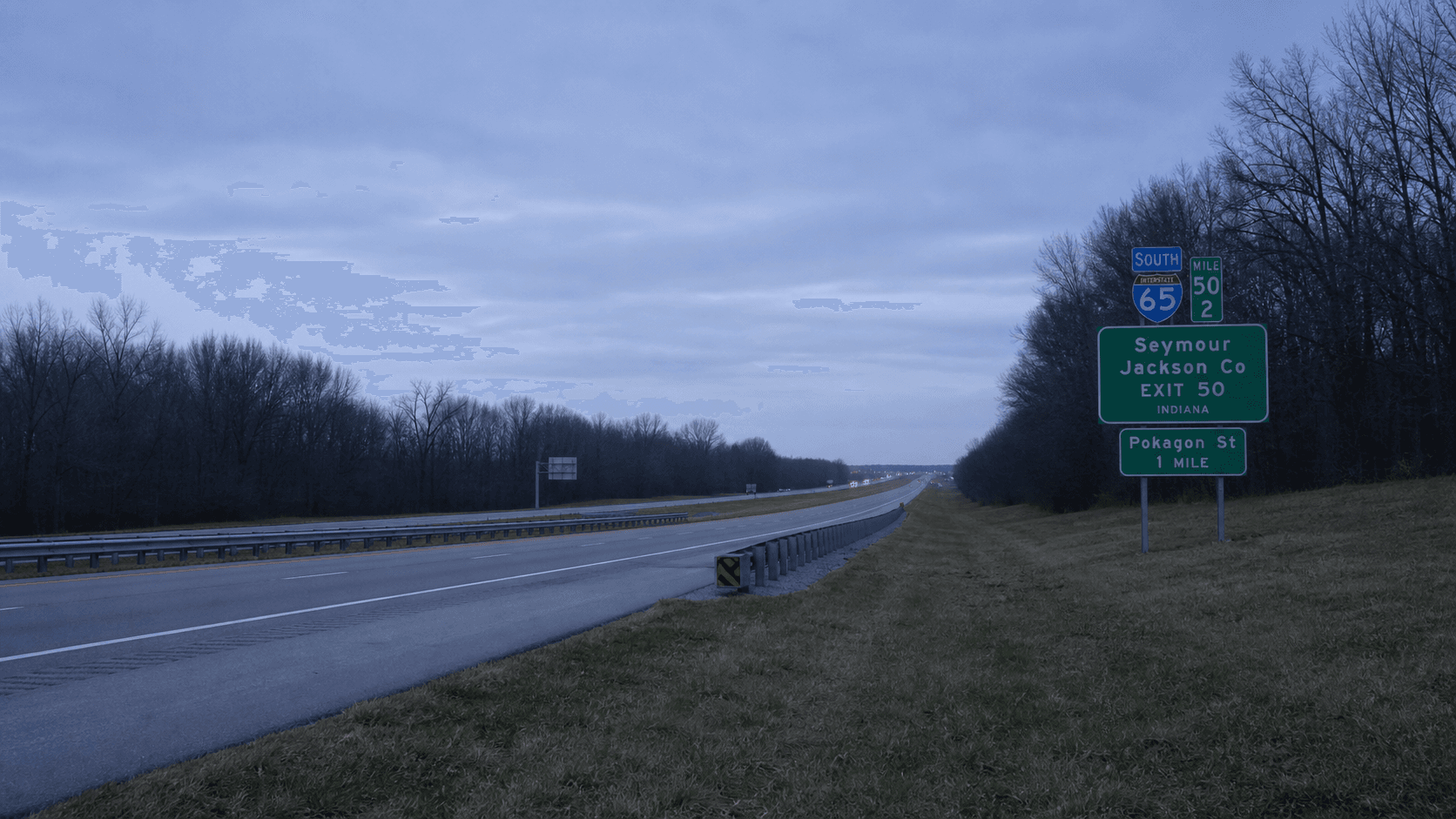
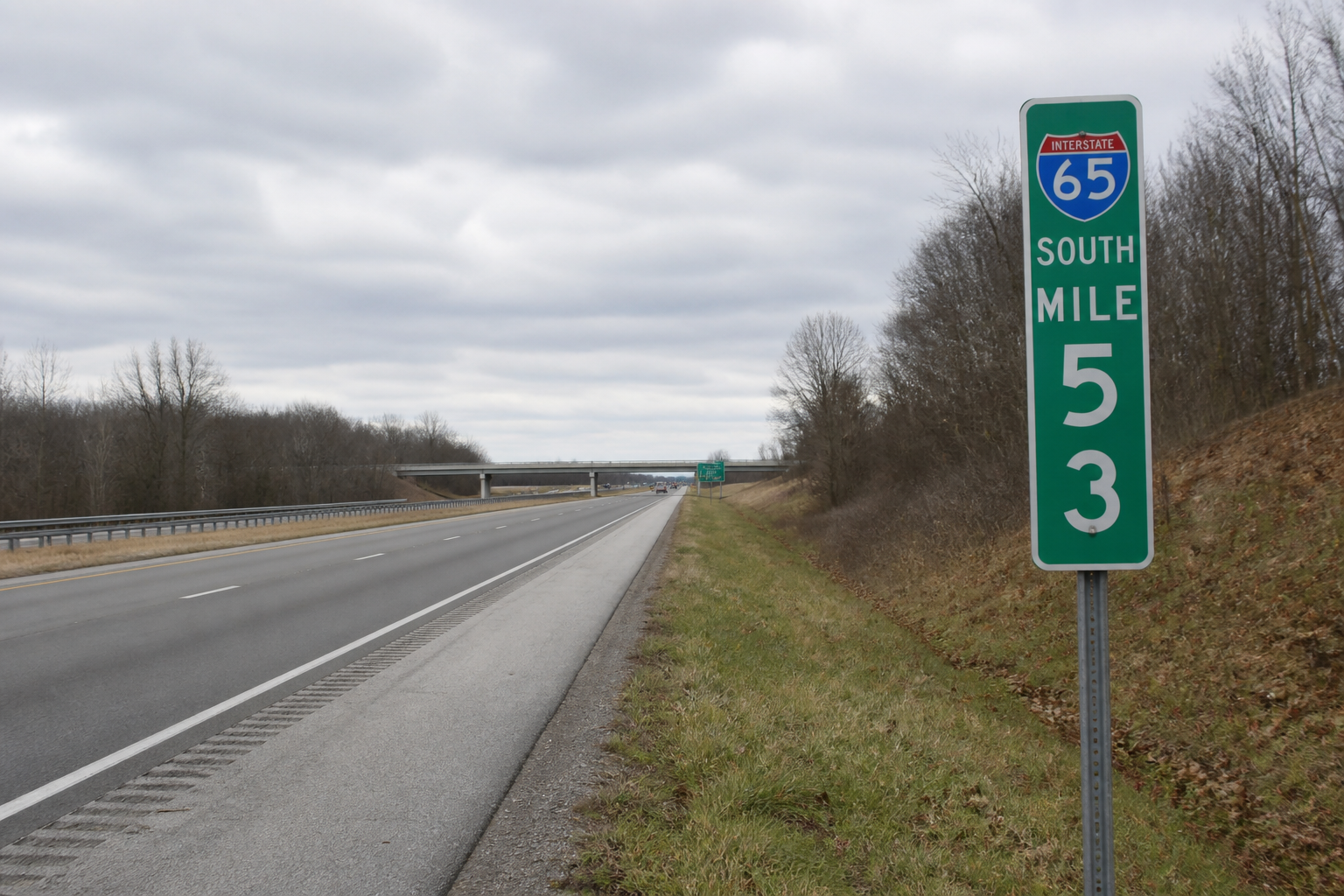
Three people died in a wrong-way head-on collision in the southbound lanes of Interstate 65 just south of the 48-mile marker, about one mile south of Seymour in Jackson County. The crash happened shortly after 2:30 a.m. on Sunday, August 23, 2026. Indiana Public Media and WFIU reported the crash[1], along with WBIW, Fox59, WTRE Radio, The Republic, and the Seymour Tribune.
According to Indiana State Police, as reported by Indiana Public Media, a driver in a 2005 Jeep Liberty was traveling northbound in the southbound lanes when the vehicle struck a southbound 2023 Ford Escape head-on. Both drivers were pronounced dead at the scene by the Jackson County Coroner. A properly restrained child riding in the rear seat of the Ford Escape sustained critical injuries and was transported to Norton Children's Hospital in Louisville, Kentucky, where the child later died.
Indiana State Police said alcohol consumption by the wrong-way driver likely played a role. Toxicology results were pending as of Sunday evening, and no blood alcohol figure had been released. No citations were issued and no arrests were made because the wrong-way driver died at the scene. The investigation remains open. Public reporting did not state the weather, road condition, either vehicle's speed, or where the wrong-way vehicle entered the interstate.
What should accident victims do next?
When an at-fault driver dies in the same crash, the injured person's claim does not necessarily end. In Indiana, a claim may be brought against the deceased driver's estate, while the driver's liability insurer ordinarily defends the claim and pays covered losses. Opening or identifying an estate is a procedural step that should be handled carefully.
You should also review every potentially applicable auto policy before accepting payment or signing a release. Uninsured and underinsured motorist coverage under Ind. Code § 27-7-5-2 may provide another source of recovery when liability insurance is unavailable or insufficient. Indiana's minimum bodily injury liability limits under Ind. Code § 9-25-4-5 are $25,000 per person and $50,000 per accident. The firm's guide to claims involving minimum insurance limits explains why the full coverage picture matters.
Accepting a liability limits payment without following the underinsured motorist policy's notice and consent requirements can put a UIM claim at risk. Before signing a release, you can review how settling with an at-fault driver may affect UIM coverage.
Alcohol evidence can also matter. Indiana's dram shop statute, Ind. Code § 7.1-5-10-15.5, may allow a claim against a person or business that furnished alcohol with actual knowledge that the recipient was visibly intoxicated, when the intoxication proximately caused the injury. No source identified any person or establishment that furnished alcohol in this case. Nothing reported supports an allegation against a business.
The vehicles and their electronic information should be preserved. Evidence such as event data recorder information can be lost when a vehicle is released, sold, repaired, or destroyed. You can learn more about preserving passenger-vehicle EDR data after an Indiana crash.

Why location matters in Indiana injury claims
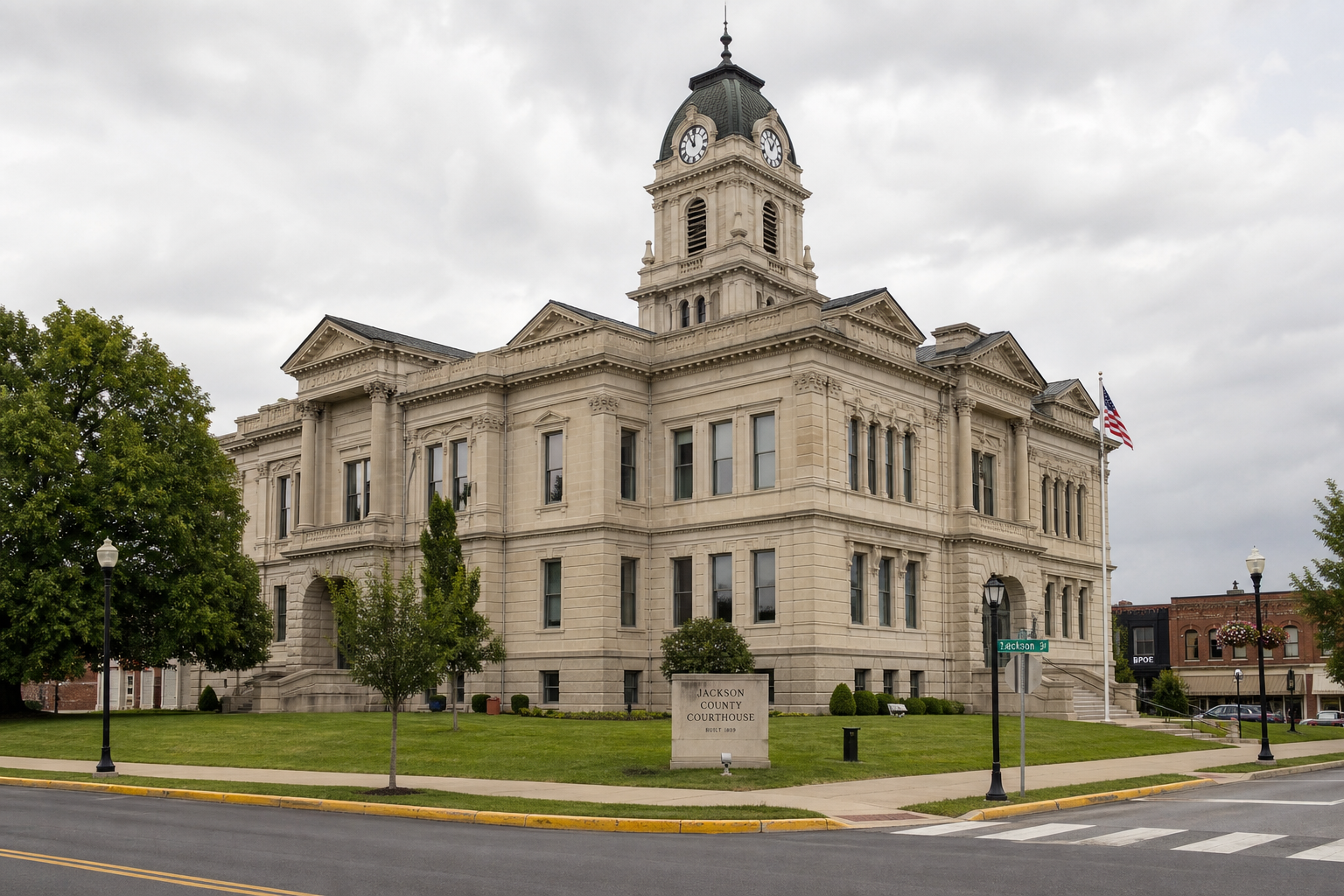
The crash occurred in Jackson County, Indiana, and Indiana State Police investigated it. The wrong-way driver was a Kentucky resident, so a claim involving that driver's estate or another Kentucky defendant could raise procedures and deadlines from both states. Cross-border claims require careful review of every potentially applicable deadline.
Indiana has separate wrongful death statutes depending on who died. The general wrongful death statute is Ind. Code § 34-23-1-1. Ind. Code § 34-23-1-2 addresses an adult without dependents, while the Child Wrongful Death Act is Ind. Code § 34-23-2-1. When a parent and child die in the same crash, the claims can involve separate beneficiaries and recoverable losses. A plain-language overview of the difference between a survival action and an Indiana wrongful death claim can provide additional context.
Indiana's Comparative Fault Act also matters. Under Ind. Code § 34-51-2-6, an injured person whose fault is greater than 50 percent recovers nothing. Otherwise, recovery is reduced by that person's percentage of fault. Fault and civil liability must be evaluated from the evidence rather than assumed from a police report alone.
If evidence eventually raises a roadway design, ramp signage, or wrong-way countermeasure issue, government notice rules may apply. Ind. Code § 34-13-3-8 requires notice to a political subdivision within 180 days, while Ind. Code § 34-13-3-6 provides a 270-day notice period for a claim against the State. No source reported where the driver entered I-65, and nothing reported implicates INDOT or another government entity. Most Indiana personal injury and wrongful death claims must be filed within two years under Ind. Code § 34-11-2-4, but a government notice deadline can expire earlier.
How Delventhal Law Office can help
Wrong-way crash claims may involve an estate, multiple insurance policies, cross-border procedures, and evidence that can disappear quickly. Delventhal Law Office, LLC is a Fort Wayne personal injury firm founded by attorney Chad E. Delventhal in 2009. The firm can obtain available reports, identify applicable insurance, evaluate potential claims, and preserve evidence while insurers aggressively defend disputed issues.
If your family needs advice after a fatal Indiana crash, you can speak with a Fort Wayne wrongful death attorney and request a free case evaluation. Delventhal Law Office offers a free case evaluation.
This post is based on public reporting, the investigation may be ongoing, and nothing here is legal advice or creates an attorney-client relationship.