A 49-year-old Bloomington man riding a Harley-Davidson was killed in a collision at a rural Monroe County intersection on Thursday evening, August 20, 2026. Investigators had not said who had the right of way, assigned fault, or issued citations.
Even if an investigation eventually places fault on another driver, a second issue remains: whether enough insurance is available to cover the loss. In a fatal crash, the liability policy and the family's own uninsured or underinsured motorist coverage may both require careful review.
What happened
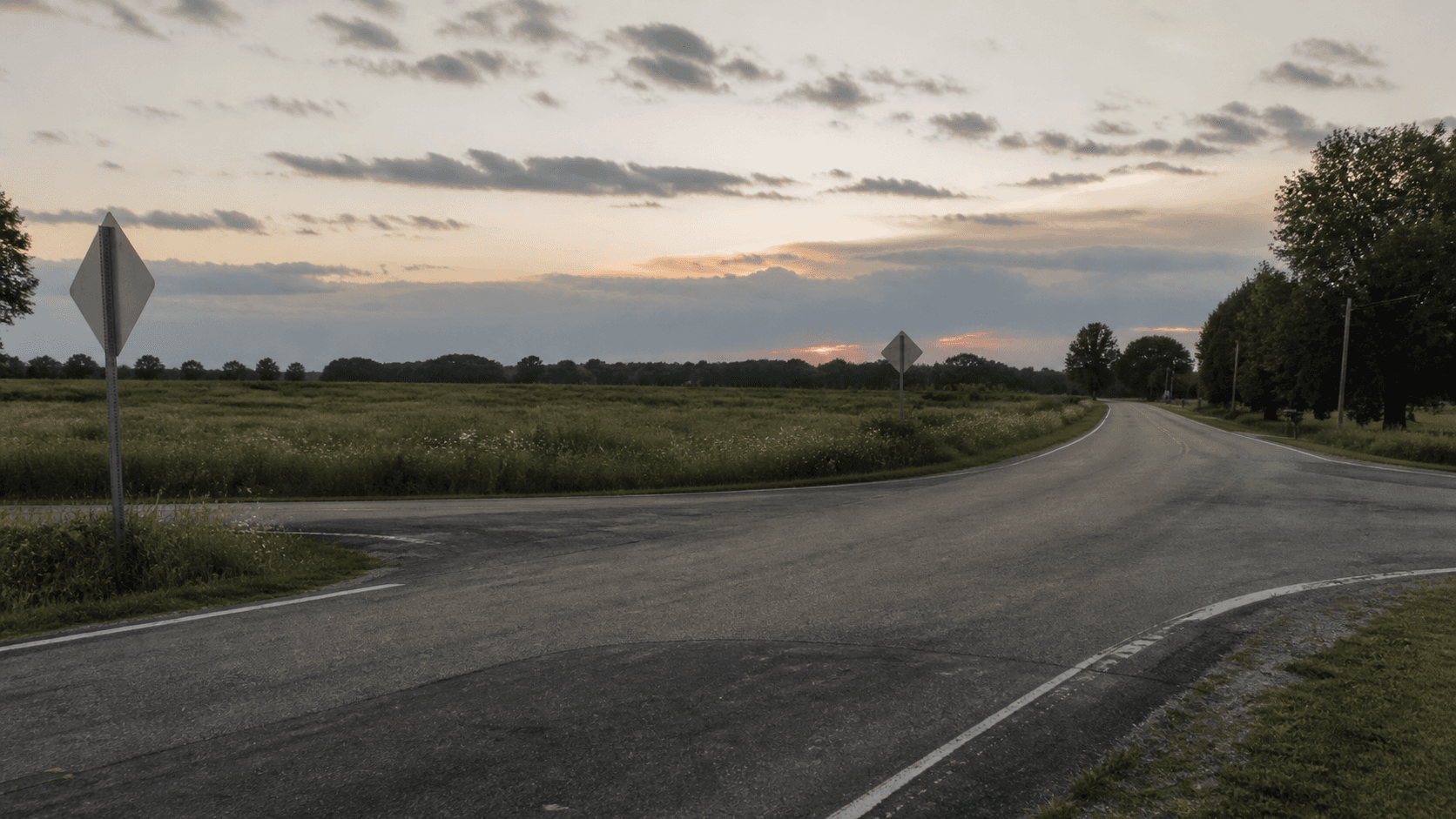
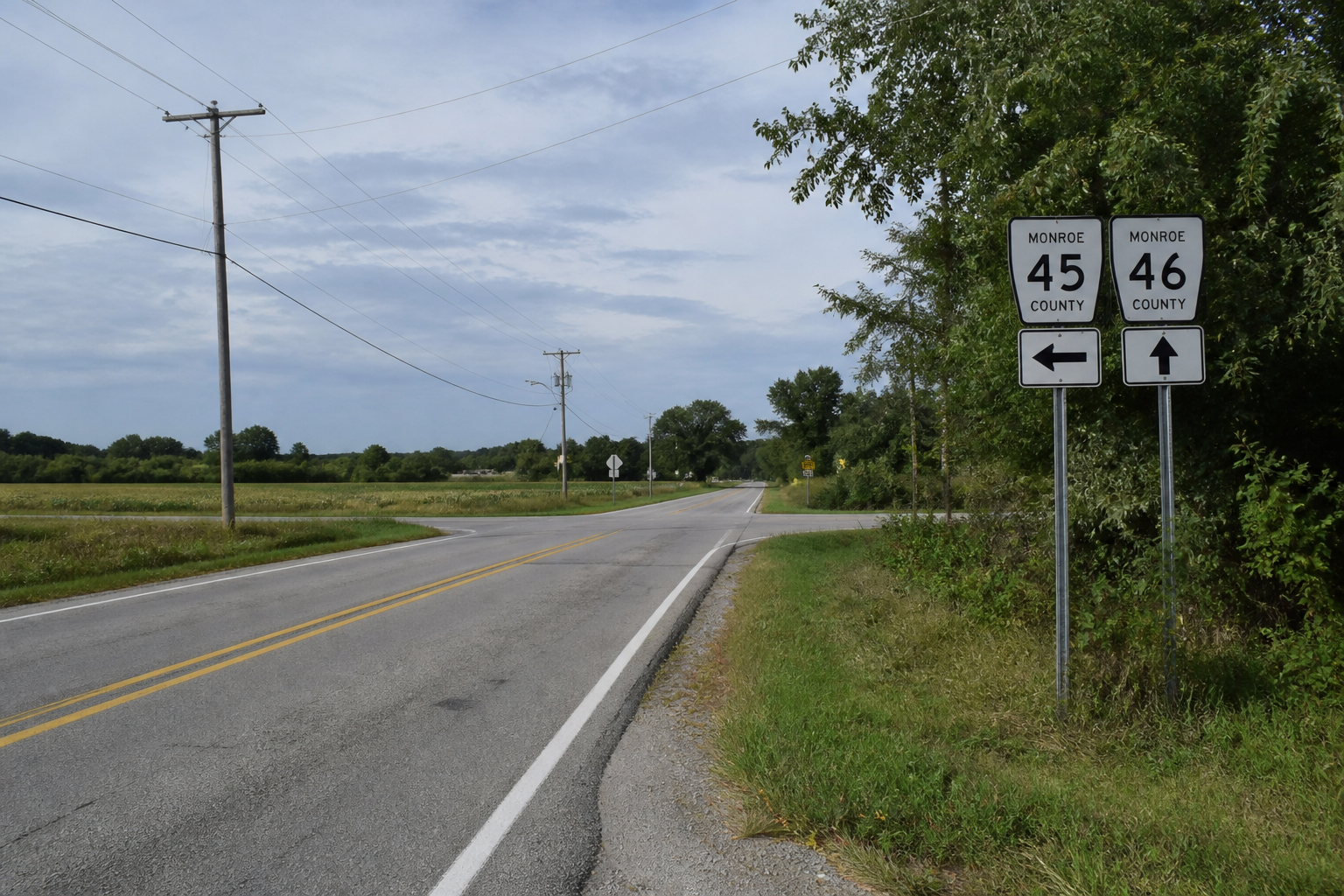
According to WISH-TV 8's report[1], which attributed the information to the Monroe County Sheriff's Office, the crash happened at about 7:47 p.m. at North Starnes Road and West Reeves Road in rural Monroe County, west of Bloomington.
A southbound Harley-Davidson motorcycle and a westbound Ford Fusion collided within the intersection. The 49-year-old motorcyclist was killed, and no other injuries were reported. The Fusion's 16-year-old driver was cooperating with investigators.
The Monroe County Sheriff's Office and the county's Major Crash Investigation Team responded. The public report did not identify which road was stop-controlled, who entered the intersection first, or who had the right of way. Those unresolved facts matter, and the available reporting does not support blaming either person.
What families should do next
If your family lost someone in a motorcycle crash, preserve the motorcycle and other vehicle when possible. Damage patterns, tires, component condition, and impact geometry may help investigators determine speed, angle, and the point of impact. Salvage or repair can permanently change that evidence.
Photograph the intersection promptly. At a rural crossing, stop signs, vegetation, structures, road grades, and sight distances can matter. Seasonal changes may alter the scene, so early photographs and measurements can be important.
Request the crash report and the Major Crash Investigation Team's findings when available. You can also review guidance on obtaining an Indiana crash report and the broader categories of evidence that may help establish fault.
Locate every potentially applicable insurance policy, including policies in the decedent's household. Before giving a recorded statement to an insurer, understand which carrier is asking, why it is asking, and what duties the policy imposes. This guide explains common concerns when an adjuster requests a recorded statement or medical release.
Indiana's wrongful death statutes control who may bring a claim and which damages may be available. A claim may also face several different clocks. Indiana wrongful death claims generally have a two-year limitations period under Ind. Code § 34-23-1-1, which would fall on August 20, 2028, based on the reported crash date. Contractual insurance notices or a government tort claim notice may be due earlier.
Why the rural intersection matters
Traffic control may be central to the investigation. County records and a physical inspection can show whether either roadway was controlled by a stop sign. If neither was controlled, different right-of-way rules may apply. Until investigators establish those facts, fault remains unknown.
Sight distance is measurable. Investigators may examine whether a driver approaching the intersection could see far enough along the crossing road to enter safely. If a condition on public property contributed to the crash, a potential claim involving a political subdivision may require written notice under the Indiana Tort Claims Act within 180 days.
Rural scenes may have fewer witnesses and cameras, which can make physical evidence especially important. Indiana's comparative fault rule also matters. Under Ind. Code § 34-51-2-6, a claimant who is more than 50% at fault cannot recover, and a recovery is reduced by the claimant's percentage of fault. Insurers may aggressively contest a motorcycle claim by disputing visibility, speed, or timing, so measured evidence matters more than assumptions.
When liability insurance may not be enough
Indiana's minimum auto liability limits are $25,000 per person and $50,000 per accident. If an at-fault driver has minimum limits, $25,000 may be the most available under that driver's bodily injury coverage for one person's death. That amount may not cover the losses arising from a fatal crash.
Other possible sources of recovery depend on the facts. Ownership and negligent entrustment issues may matter in some cases, but the published facts here do not establish such a claim. No allegation about the vehicle owner or the driver's household should be inferred.
Underinsured motorist coverage may apply when an at-fault driver's insurance is insufficient. Families should review every potentially applicable auto policy, including household policies beyond the motorcycle policy. Policy definitions, limits, exclusions, consent provisions, and notice requirements can determine whether coverage exists. More information is available in this guide to claims involving minimum insurance limits.

Talking with a lawyer after a fatal motorcycle crash
A Fort Wayne motorcycle accident attorney can review the investigation, preserve physical evidence, identify available policies, and track the different deadlines that may apply. Delventhal Law Office represents injured people and families throughout Indiana, including motorcycle wrongful death matters.
Delventhal Law Office can examine liability and UM/UIM policies, request reconstruction materials, and address insurers that hotly contest fault or coverage. If you want to discuss the facts privately, you can request a free case evaluation. There is no attorney fee unless the firm obtains a recovery for you.
This post is based on public reporting, the investigation may be ongoing, and nothing here is legal advice or creates an attorney-client relationship.