A flat tire is an ordinary inconvenience. On the shoulder of a high-speed interstate at night, it can place you in one of the most dangerous locations along the road.
What happened
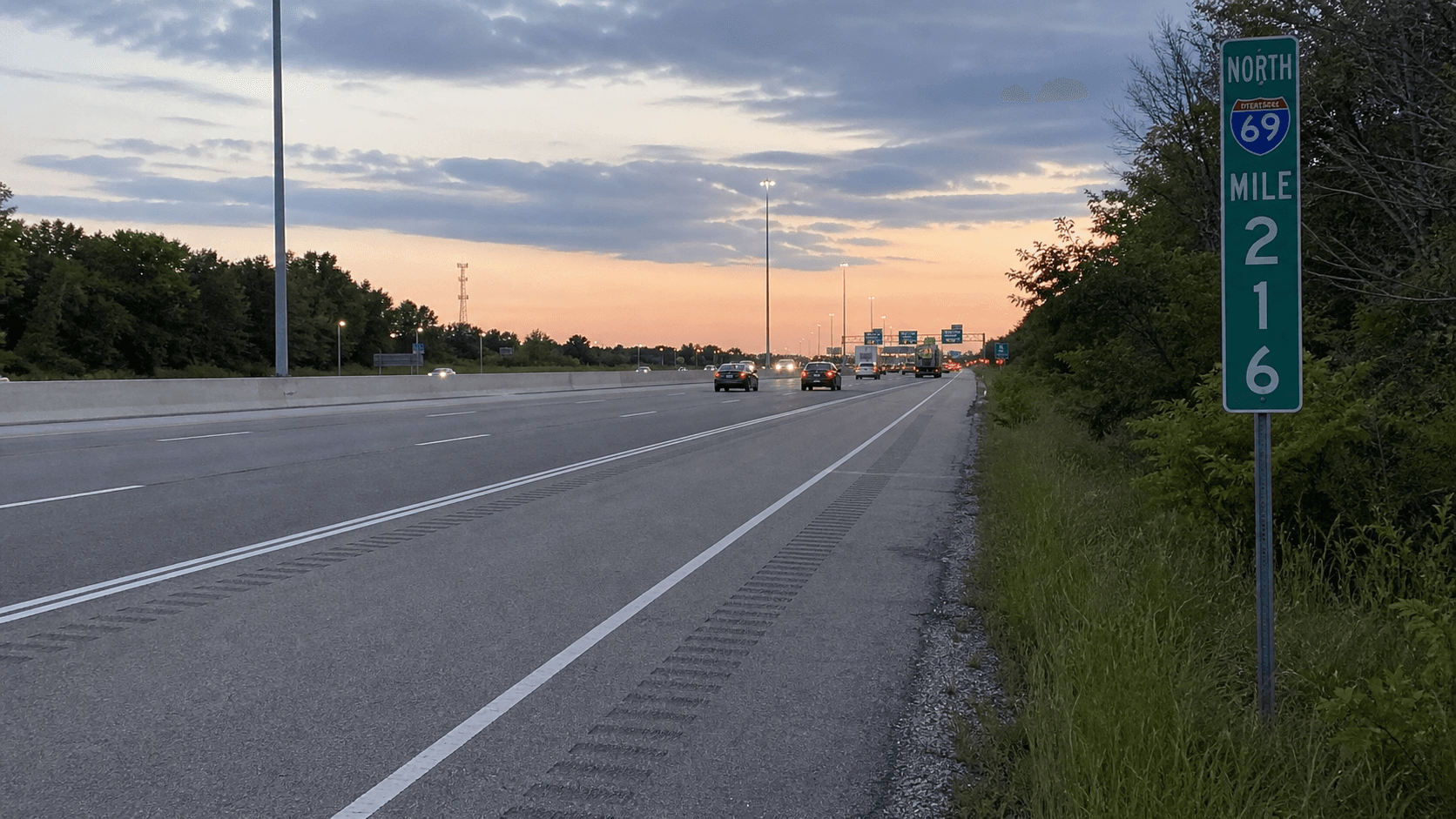
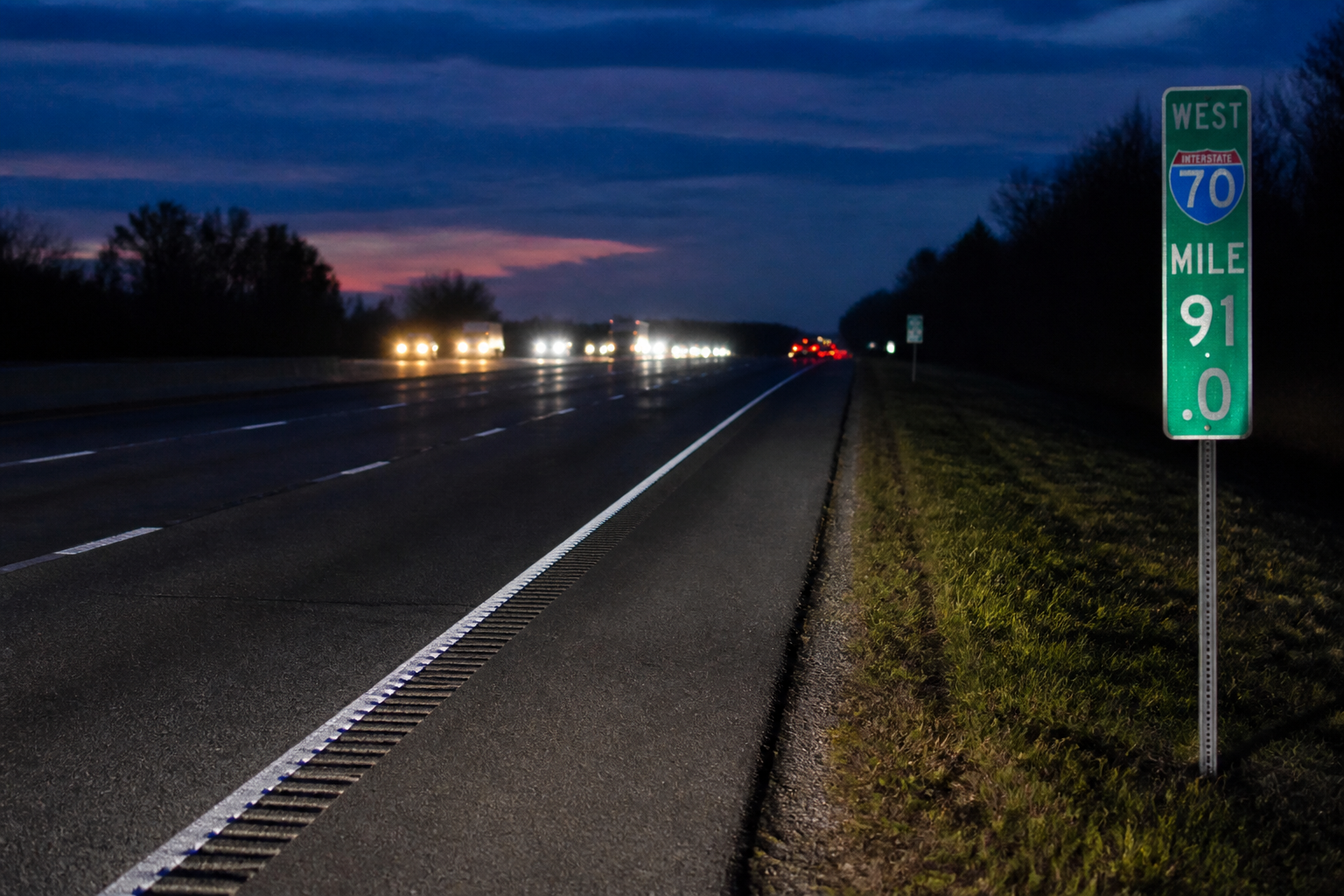
According to reporting from WISH-TV[1], a 36-year-old man from Parker City in Randolph County was killed on Tuesday night, August 18, 2026. He was on the northbound shoulder of Interstate 69 near mile marker 209 in Fishers, just south of Exit 210.
The man's van had a flat tire. He was outside the vehicle working on it when a northbound driver struck him and left the scene. He was pronounced dead at the scene.
Larry in Fishers reported[2] that investigators believe the van had been on the shoulder for nearly 45 minutes before the first 911 calls came in around 9:45 p.m. As of August 20, no arrest had been made, and investigators had not identified the striking vehicle or released its make, model, or color.
Indiana State Police asked anyone who traveled that section of I-69 in either direction between approximately 8:45 and 9:45 p.m. to review and preserve dashcam footage. Potential witnesses may call ISP at 317-899-8577 or Crime Stoppers at 317-262-8477. Current in Fishers also covered the investigation[3].
No public source cited here has identified the driver, reported weather or road conditions as a factor, or stated a cause beyond the collision itself. No charges had been filed as of August 20.
What you should do after a roadside collision
If your vehicle becomes disabled on an interstate, move it as far from the travel lanes as reasonably possible. Turn on the hazard lights. If you can reach a wider shoulder or another safer location without creating a new danger, that additional space can matter.
Consider remaining inside the vehicle with your seat belt fastened. If you must get out, use the passenger-side door when possible and move away from traffic. Avoid standing beside the traffic-facing side of the vehicle.
Call 911 or roadside assistance instead of attempting a repair in a narrow shoulder beside high-speed traffic. If you have reflective warning devices, place them only when you can do so safely. Visibility matters, but you should not expose yourself to traffic to position equipment.
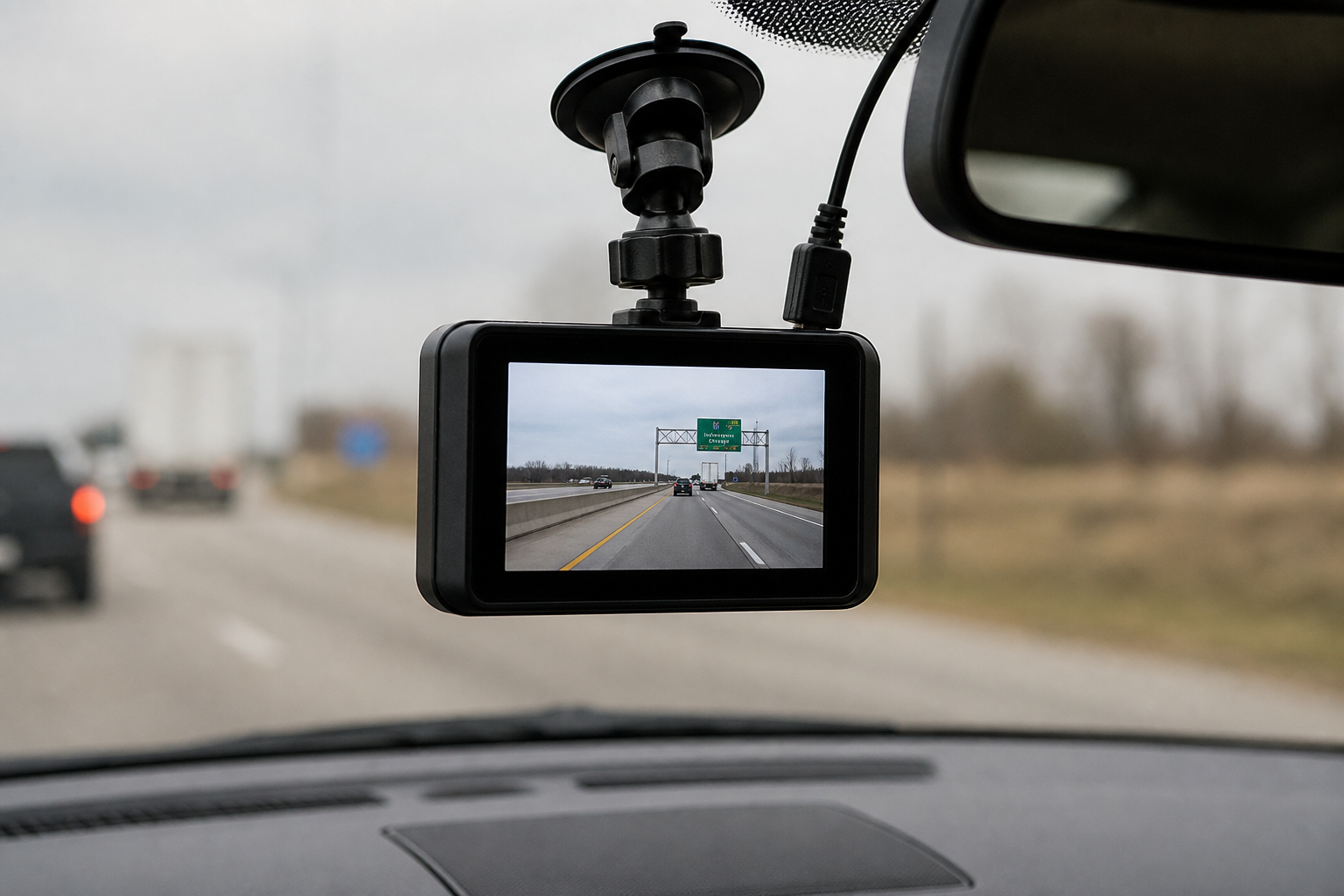
If you witness a collision, stop in a safe location and call 911. Preserve dashcam footage before the system records over it. Keep the original file and make a separate copy. A passing driver's recording may help investigators identify a vehicle that left the scene. The firm's guide to preserving dashcam evidence after an Indiana crash explains why the original recording matters.
If your family member was hurt or killed, write down the location, mile marker, responding agencies, officers' names, report number, and dates of important calls. Request the official crash and coroner records, but understand that a fatal-crash reconstruction may take time. You can also review how to obtain an Indiana police crash report.
Notify the appropriate auto insurer promptly. When the driver is not identified, uninsured motorist coverage may become important. A policy can contain notice requirements and specific conditions for a hit-and-run loss. Those requirements may arise much earlier than the general deadline for filing a lawsuit. More information is available in the firm's guide to uninsured motorist claims in Indiana.
Why the location matters
The exact position of a person and a disabled vehicle can become central to the investigation. Reconstruction evidence may address whether the person was beyond the fog line, which side of the vehicle faced traffic, what lighting was present, and what an approaching driver could have seen.
The mile marker also identifies a specific location. It can determine which police post holds the report, which county conducts the death investigation, and where later legal proceedings may occur. This collision happened in Hamilton County even though the man who died lived in Randolph County.
Interstate cases can present an evidence problem because there may be no nearby homes, businesses, or pedestrians. Passing vehicles, however, may carry dashcams or commercial fleet cameras. Those recordings can be overwritten quickly, which is why an immediate public request for footage matters.
The reported duration of the roadside stop may also become part of the factual record. Indiana State Police reported that the van had been on the shoulder for close to 45 minutes before the first 911 calls. No conclusion about fault should be drawn from that fact alone.
Uninsured motorist coverage and Indiana deadlines
When a hit-and-run driver is never identified, a claim may proceed through uninsured motorist coverage. That can place the injured person or family in a claim against their own insurer. The policy language, household coverage, resident-relative provisions, and any other potentially applicable policies should be reviewed carefully.
An insurer may also raise questions about visibility, hazard lights, warning equipment, clothing, and where the person was standing. Indiana's modified comparative fault system reduces a recovery by the claimant's assigned share of fault and bars recovery if that share exceeds 50 percent. Those questions should be answered with physical evidence and the official investigation rather than assumptions.
Indiana Code § 34-23-1-1[4] generally requires a wrongful-death action to be brought within two years. For a death on August 18, 2026, that general period would run approximately to August 18, 2028. Indiana Code § 34-11-2-4[5] provides the same general two-year period for personal injury claims. These are outside limits, while insurance notice provisions may require action much sooner.
Getting help with a hit-and-run claim
A fatal hit-and-run leaves a family dealing with grief, an open police investigation, and insurance questions involving a driver who has not been identified. Early work may include preserving camera footage, requesting records, giving policy notice, and identifying every source of uninsured motorist coverage.
Delventhal Law Office represents injured people and grieving families in northeast Indiana. The firm understands that insurers may aggressively defend uninsured motorist claims, including disputes about notice, coverage, fault, and the value of the loss. You can learn more from a Fort Wayne hit-and-run accident lawyer or request a free case evaluation before deciding what to do.
This post is based on public reporting, the investigation may be ongoing, and nothing here is legal advice or creates an attorney-client relationship.