After a serious crash, a practical question often follows the immediate medical crisis: who is going to pay? When the other driver was operating on a suspended license, the answer may depend on the available insurance coverage, including uninsured or underinsured motorist coverage under a policy held by the injured person or someone in the household.
What happened
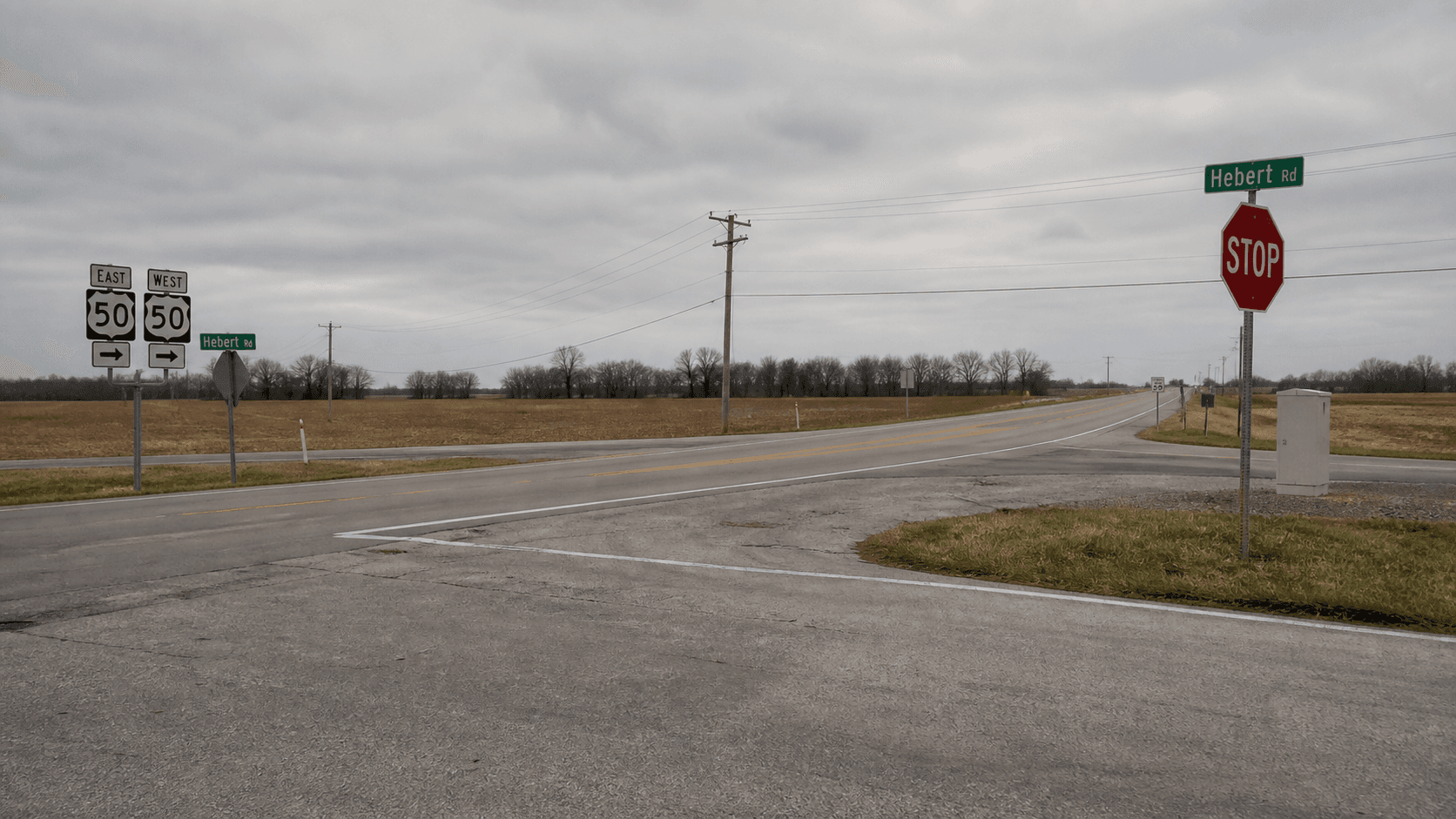
According to WZDM in Vincennes[1], the Knox County Sheriff's Department arrested a 36-year-old man on Sunday, August 16, 2026, following a crash on U.S. 50 at Hebert Road near Vincennes over the preceding weekend.
He was charged with operating a vehicle while intoxicated causing serious bodily injury, refusal to submit to a blood-alcohol test, and driving while suspended. He was booked into the Knox County Jail on a $5,000 bond.
The sheriff's department did not release the crash narrative or exact time. At least one other person sustained serious bodily injury, according to the charging language. That person has not been publicly identified. The charges are allegations, the accused is presumed innocent, and no civil fault determination has been made.
What injured people should do next
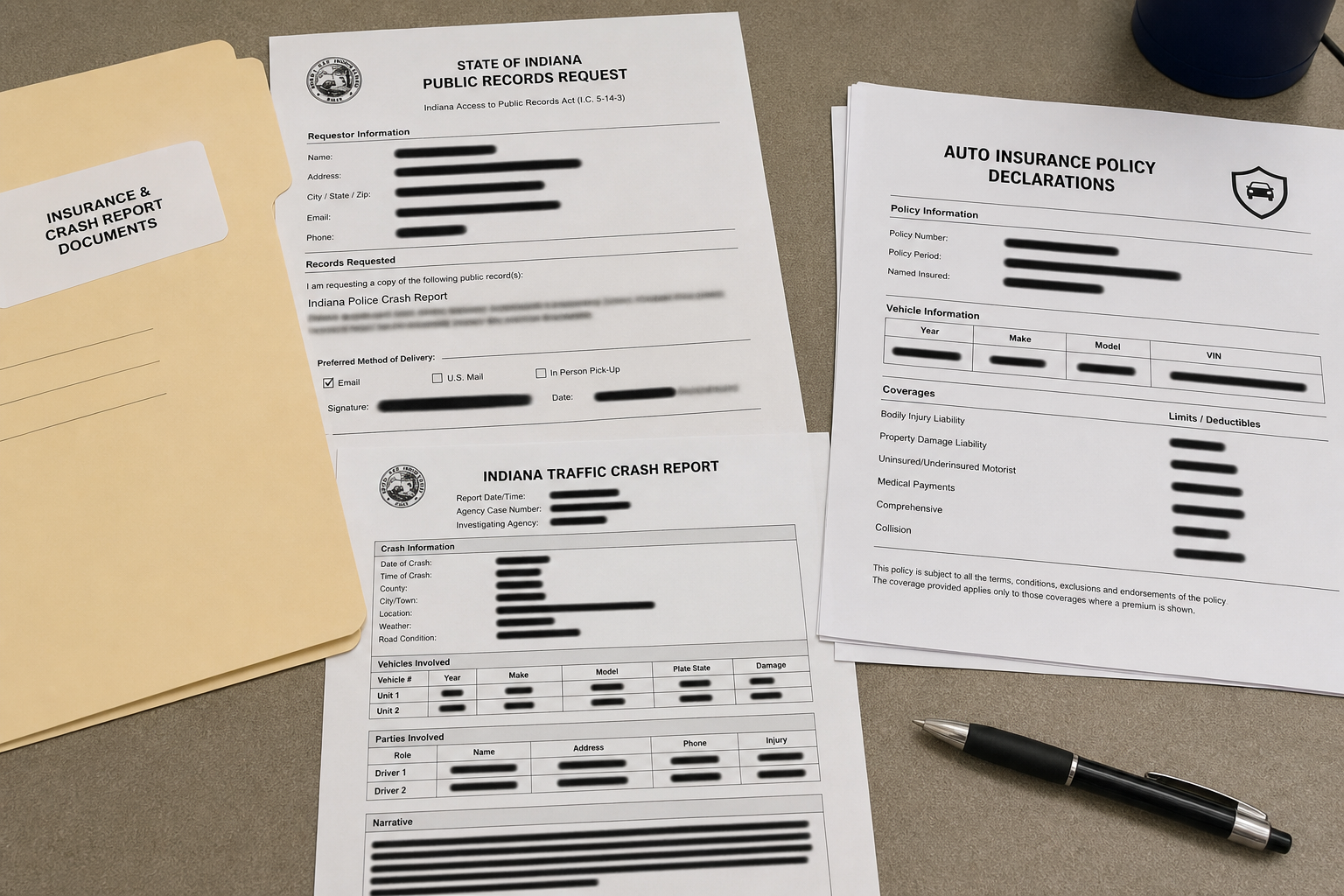
Get the official crash report and confirm the date of loss. The report can identify the parties, vehicles, insurers, and witnesses. When early reporting does not provide an exact crash date, that confirmation matters because insurance and legal deadlines run from the collision date. This guide explains how to obtain an Indiana police crash report.
Find out whether valid liability insurance covered the driver and vehicle. Driving with a suspended license does not, by itself, establish whether coverage exists. The policy status, exclusions, permissions, and specific facts must be reviewed. If no valid liability coverage applies, your own UM coverage may become important. If the available liability limits are too low, UIM coverage may apply. A Fort Wayne uninsured and underinsured accident attorney can review the available policies and notice requirements.
Notify your insurer promptly, but be careful before giving a recorded statement, signing a broad medical authorization, or releasing another party. Many policies require notice and may require the carrier's consent before a settlement. A premature release can create a coverage dispute. You can read more about recorded statements and medical releases after an Indiana accident.
Do not wait for the criminal case to finish before preserving civil evidence. The prosecution belongs to the State, while the injury claim addresses losses such as medical bills, lost wages, and lasting impairment. Police video, dispatch records, witness memories, photographs, and insurance records can become harder to obtain with time.
Indiana Code § 9-30-6-7[2] addresses refusal to submit to chemical testing. A refusal does not end an impairment investigation. Other evidence may include officer observations, field sobriety information, witness accounts, and medical records. The criminal allegations and any civil claim still require separate proof.
Document how the injury affects daily function, not only what appears in the medical chart. Keep a dated record of symptoms, missed work, help you need, and activities you cannot perform. Save bills, receipts, appointment mileage, and photographs of visible injuries as they change. The firm's guide to evidence for an Indiana car accident claim explains what may matter.
Why the location matters
U.S. 50 is a major east-west route across southern Indiana, combining through traffic, freight, and local travel. At a rural intersection such as Hebert Road near Vincennes, photographs and records may help establish sight distance, signage, lighting, and roadway conditions. Those facts should be documented early instead of left to memory.
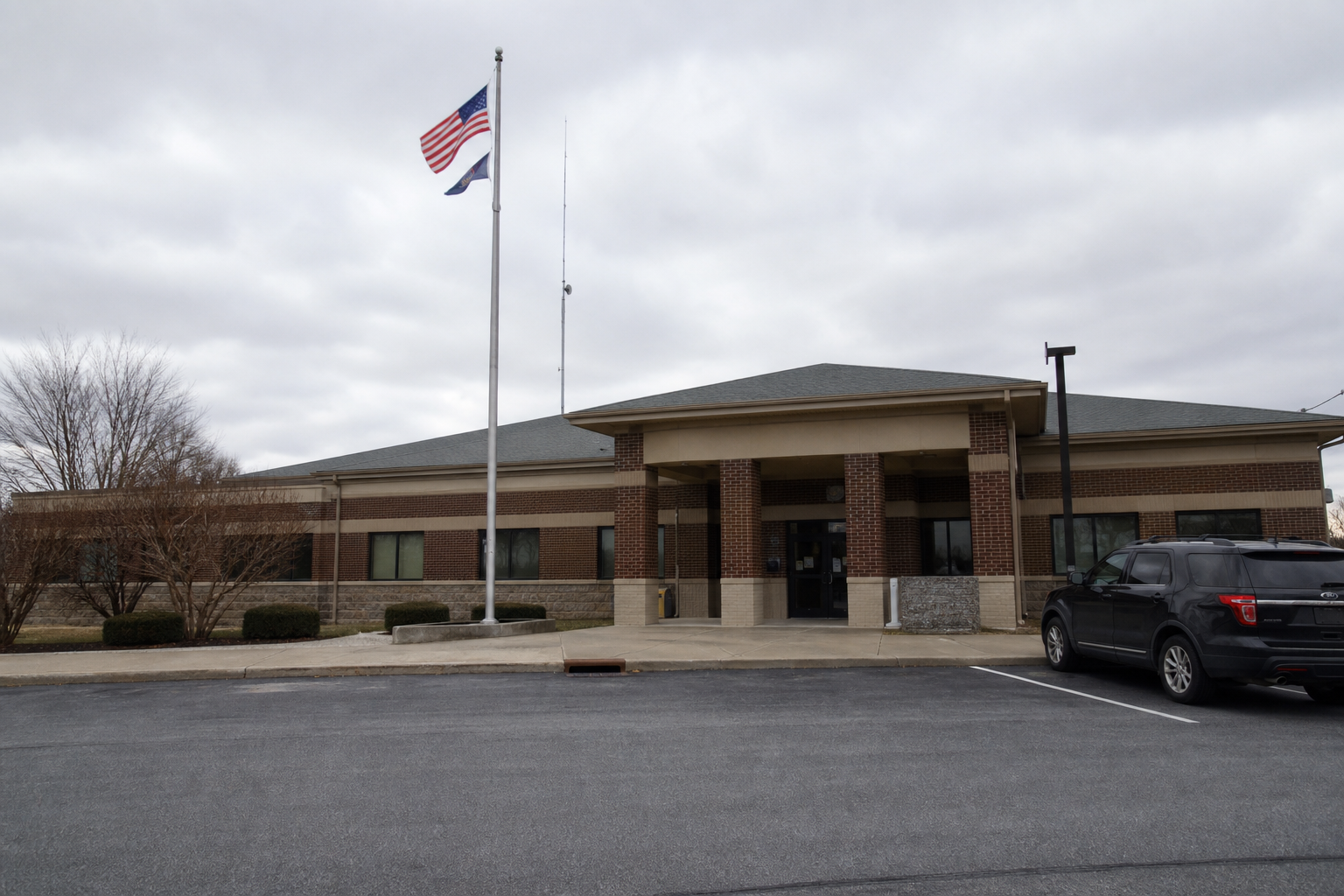
The crash location also determines which agency holds investigative material. Here, the Knox County Sheriff's Department may hold the crash report and other records connected with the investigation. A timely, focused preservation request may help keep recordings and documents available.
Indiana dram shop liability can arise in some impaired-driving cases when the required facts are proven, but no source identifies an alcohol provider in connection with this crash. No establishment should be assumed responsible. Whether another party may be liable depends on evidence, not speculation.
The arrested driver was reported to be from Maryland. That may create additional questions about applicable insurance, policy limits, and service if a lawsuit becomes necessary. Those issues make early policy investigation important.
Indiana's personal injury statute of limitations is generally two years from the crash date. Because the exact date was not publicly released, it should be confirmed from official records rather than estimated. Some circumstances can involve different or shorter deadlines.
How Delventhal Law Office can help
If you were hurt by a driver suspected of impairment, driving while suspended, or lacking valid insurance, Delventhal Law Office can investigate the available coverage, request the crash report, preserve evidence, review household UM/UIM policies, and handle communications with insurers. Insurance companies may aggressively defend coverage and injury value, including when the claim is made under your own policy.
Chad Delventhal can explain your options in plain language and help you avoid a release or missed notice that could harm a claim. You can request a free case evaluation to discuss the facts and available insurance coverage.
This post is based on public reporting, the investigation may be ongoing, and nothing here is legal advice or creates an attorney-client relationship.