A recent legal development in a fatal Vigo County crash shows how criminal and civil cases can interact after allegations of reckless driving and leaving a crash scene. The criminal prosecution concerns punishment by the state, while a civil wrongful-death case concerns accountability for a family's losses.
What happened
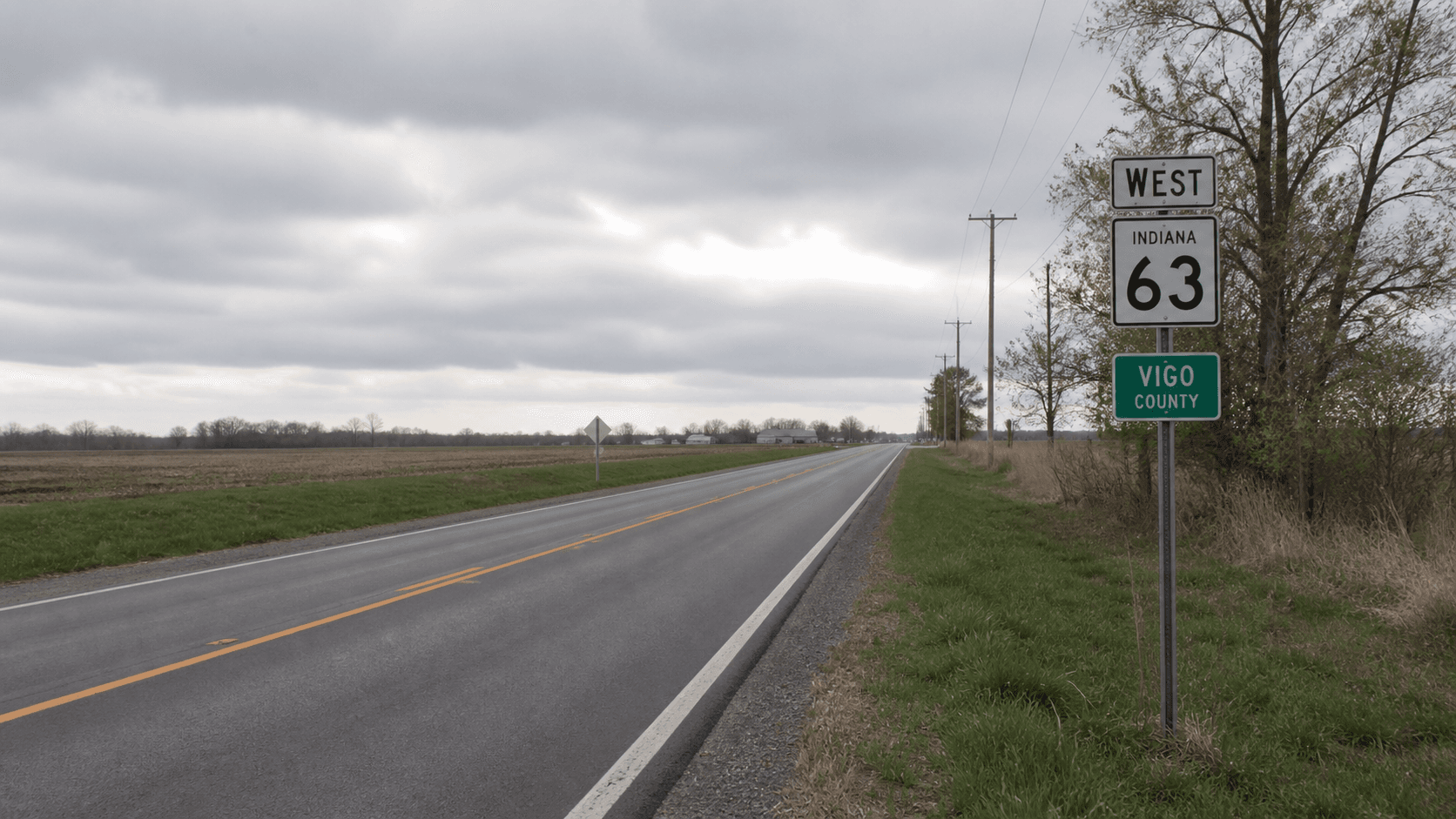
According to WTHI-TV[1] and follow-up reporting from MyWabashValley[2], the Tribune-Star[3], and My Mix FM[4], an Illinois man was extradited to the Vigo County Jail on Wednesday, August 12, 2026. The case concerns a March 20, 2026 crash on State Road 63 near Terre Haute that killed three people.
The reports cite court documents describing two vehicles traveling in the wrong direction on SR-63 during an alleged road-rage encounter. One struck a third vehicle head-on. The people killed were the occupants of the third vehicle and the driver of one of the other vehicles. Reporting indicates that the occupants of the vehicle that was struck were not part of the altercation.
One vehicle allegedly left the scene and was later traced to the accused through a camera-based license-plate reader. The reported charges include three counts of reckless homicide and leaving the scene of an accident resulting in death.
These are allegations in charging documents. The accused is presumed innocent unless and until proven guilty, and the charges are not findings of criminal or civil responsibility.
What families should know next
A criminal prosecution and a civil claim serve different purposes. The state prosecutes alleged crimes. A proper civil claimant may pursue a wrongful-death case to seek recovery for losses caused by a death. One case does not replace the other, and a family generally does not have to wait for the criminal case to end before exploring civil options with a wrongful-death attorney.
Evidence gathered by police and prosecutors may also matter in a civil case. That can include crash reconstruction, witness statements, camera evidence, and court records. Access and admissibility may be disputed, so the existence of a criminal charge does not automatically establish civil fault.
More than one person may bear civil responsibility when drivers allegedly engage in dangerous conduct that harms innocent third parties. Identifying every potentially responsible party and every available insurance policy can be an important part of the investigation. Indiana's comparative-fault rules can also become hotly contested, as this plain-language guide to Indiana's 51% fault rule explains.
Evidence can disappear while the criminal case continues. Vehicles may be repaired or destroyed, electronic information may be overwritten, and camera footage may be deleted. The firm's guide to evidence in an Indiana accident claim explains why prompt preservation matters.

Why location matters
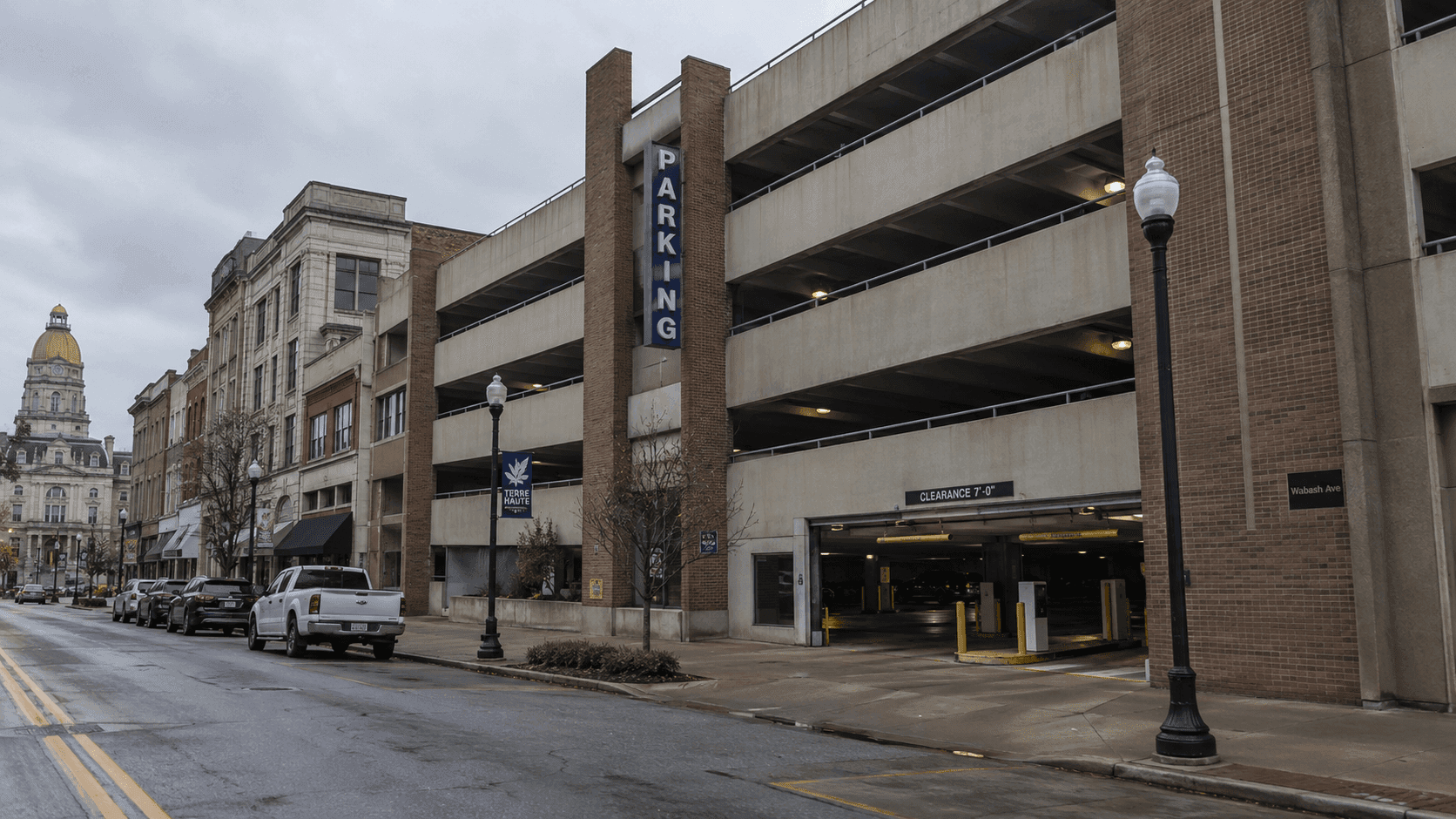
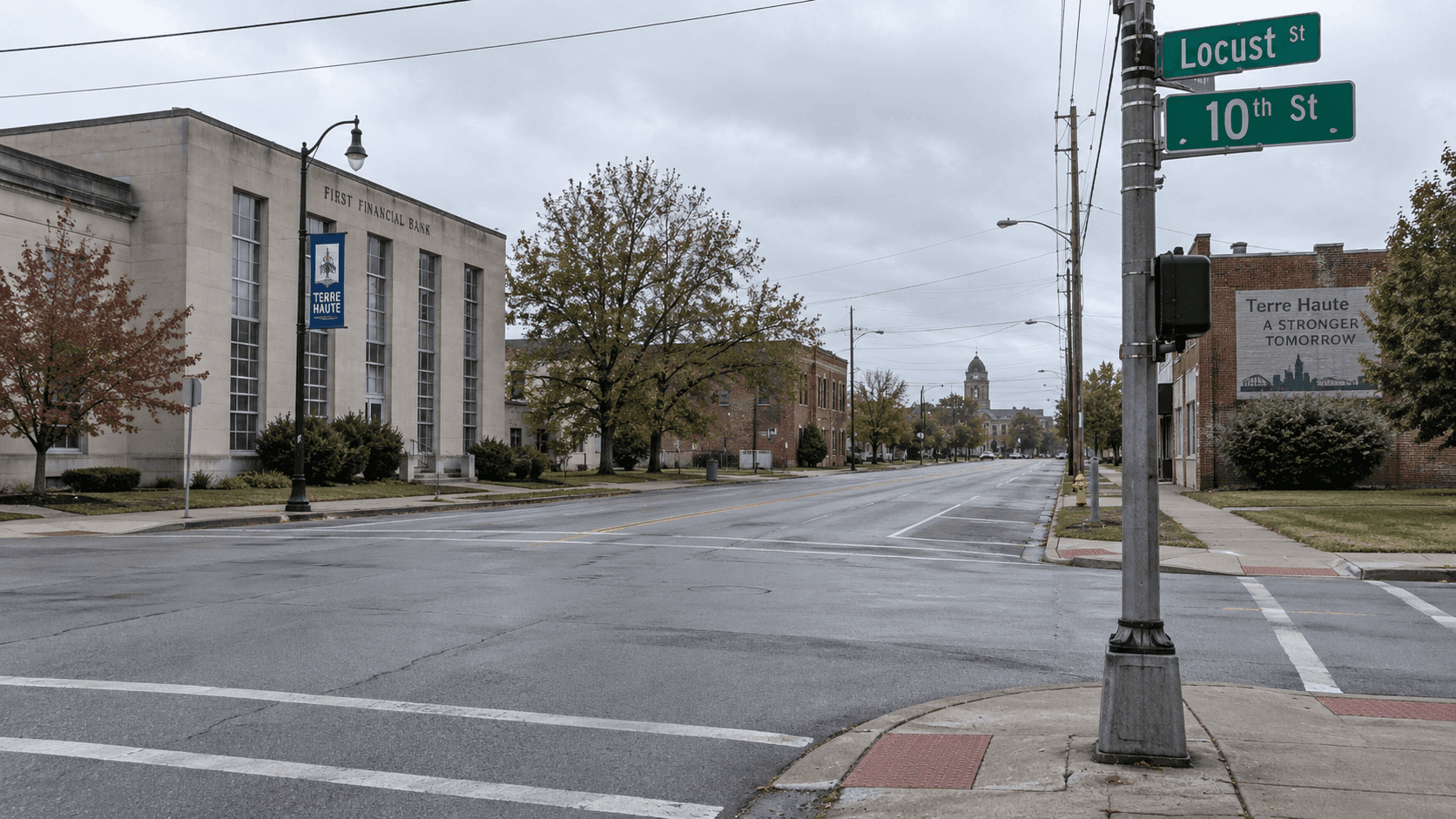
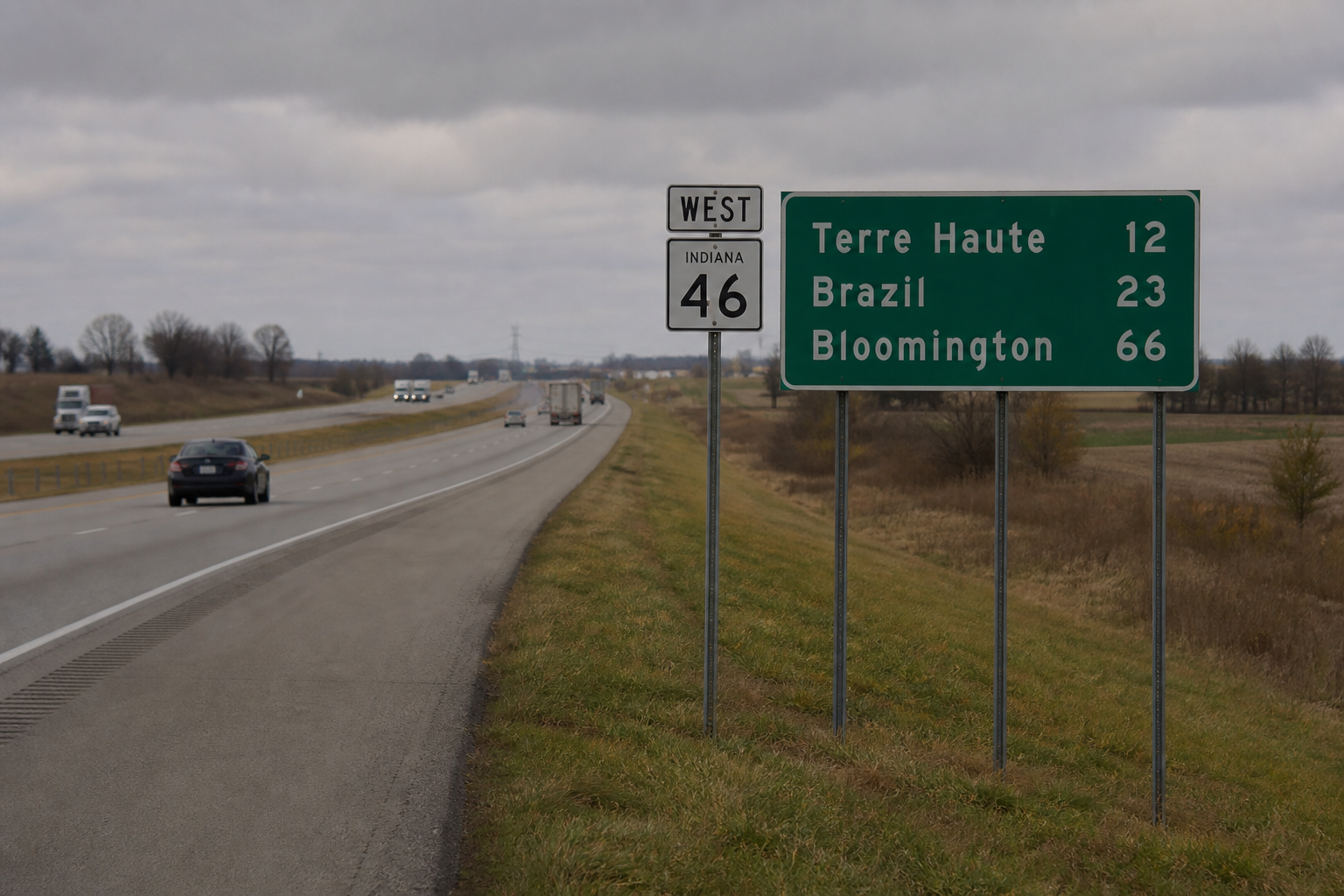
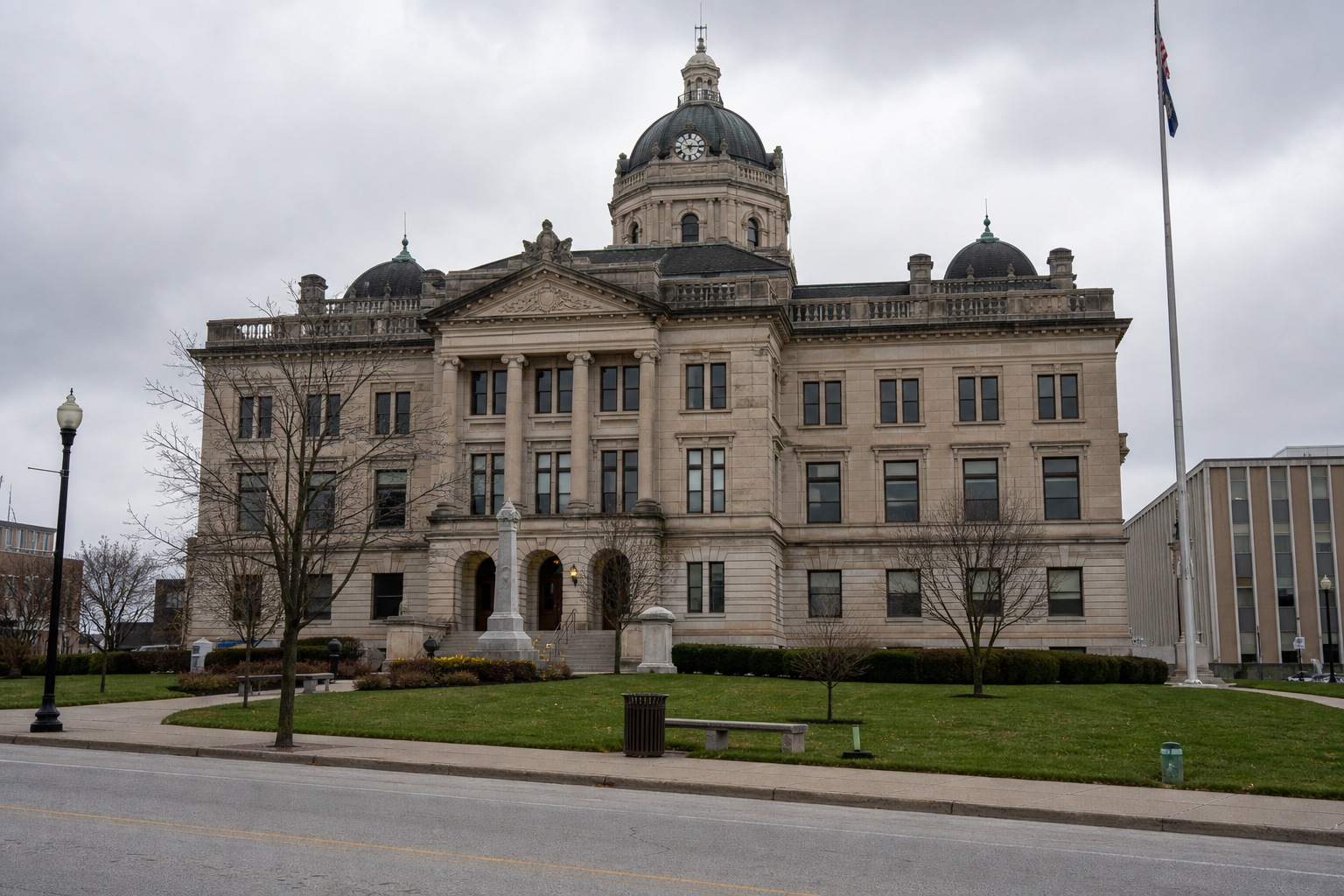
The reported crash occurred on State Road 63 in Vigo County near Terre Haute. That location affects which agencies investigate, which court handles the criminal prosecution, and where a related civil case may be filed. Investigative records such as the crash report, reconstruction materials, and charging documents can be important to understanding what happened.
The civil calendar also runs separately from the criminal case. The draft states that Indiana's deadline for filing a wrongful-death claim is generally two years from the date of death. A pending criminal prosecution does not automatically pause that deadline. Because exceptions and shorter deadlines can depend on the facts, families can review general Indiana accident claim deadlines without assuming that the criminal court will protect their civil rights.
How Delventhal Law Office can help
If your family has lost someone because of an allegedly reckless, racing, or fleeing driver in Vigo County or elsewhere in Indiana, Delventhal Law Office can investigate potential civil responsibility, identify available insurance, preserve evidence, and coordinate the civil matter with a parallel criminal case. Insurance companies may aggressively defend fault and coverage questions even when criminal charges are pending.
You can request a free case evaluation to discuss the facts, deadlines, and available options. A conversation does not require you to decide immediately whether to pursue a claim.
This post is based on public reporting, the investigation may be ongoing, and nothing here is legal advice or creates an attorney-client relationship.