What Happened
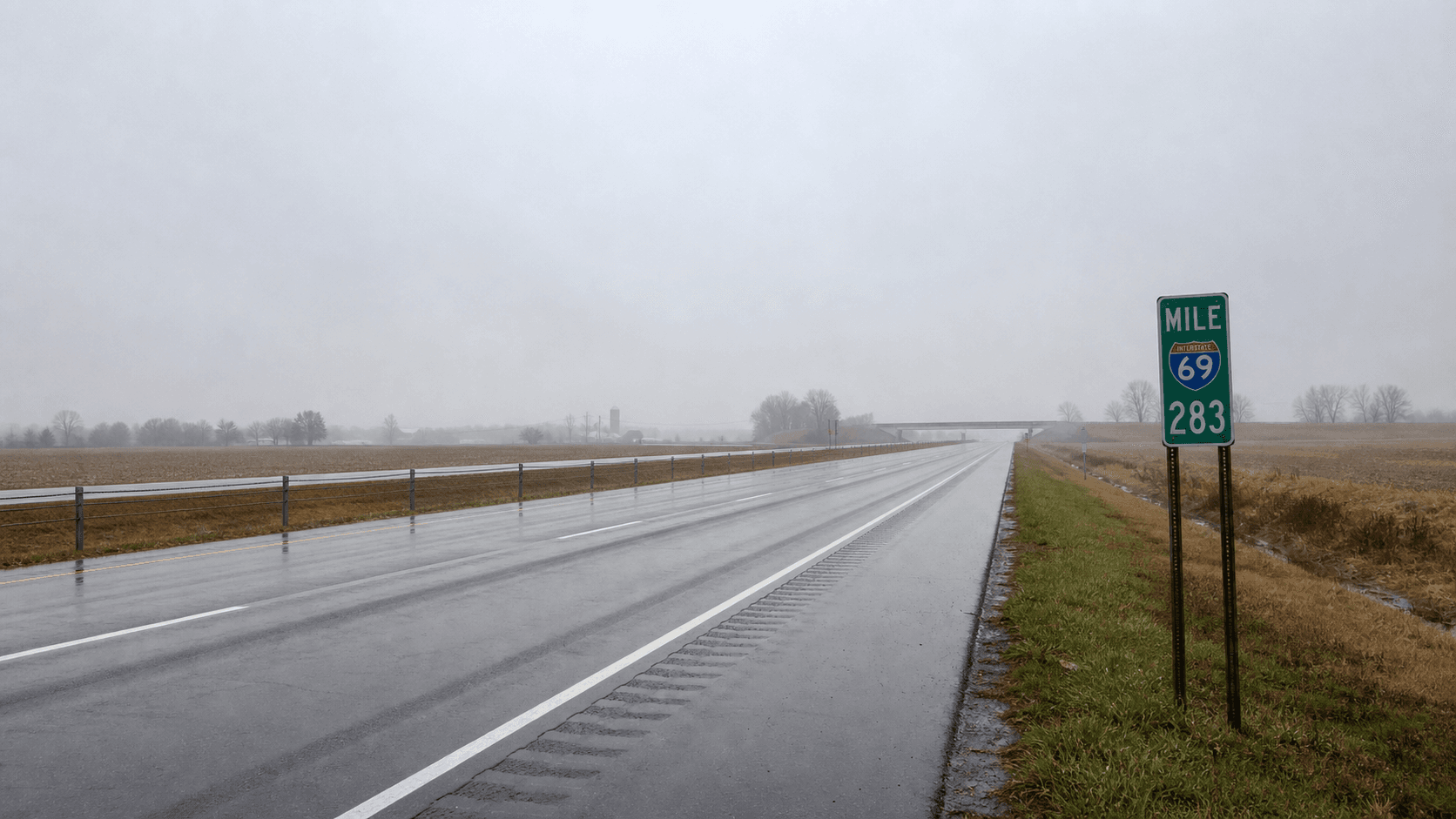
A multi-vehicle chain-reaction crash on Interstate 69 near Markle in Huntington County left two people injured, one of them seriously, in the early morning hours of Saturday, June 20, 2026. According to WANE 15[1], citing a Huntington County Sheriff's Office release, the crash was reported at approximately 5:25 a.m. on southbound I-69 near mile marker 283, southeast of Fort Wayne.
Citing the preliminary account from the Huntington County Sheriff's Office, the reporting described the following sequence: a southbound SUV struck the trailer of a Walmart semi-truck, spun out, and came to rest facing north in the right travel lane. As the SUV's driver was calling 911, an approaching Jeep did not see the disabled SUV in time and struck it head-on, ejecting the SUV driver. A fourth vehicle attempting to avoid the wreckage then sideswiped the Jeep. The SUV driver was airlifted with serious injuries, and the Jeep driver was hospitalized, for a reported total of two people injured, one seriously. Investigators cited poor visibility and adverse weather as contributing factors. All southbound lanes were closed for several hours and reopened by about 10 a.m.
As of the initial reporting, no parties had been publicly identified, no citations or arrests had been reported, and the Huntington County Sheriff's Office investigation remained ongoing.
This post is general Indiana legal information framed by the publicly reported facts above. It is not a comment on the conduct of any party, an opinion on civil liability, or legal advice on any particular claim, and it is not intended as solicitation of any individual or family. Reporting at this early stage is preliminary, and this post will be updated as the parties' identities, any findings on fault or weather, the final crash report, and additional facts become part of the public record.
What Should Accident Victims Do Next?
In a chain-reaction interstate crash like this one, where several vehicles and several drivers may each bear some share of the responsibility, the steps an injured person takes in the first days and weeks can shape what they are later able to learn and recover. Understanding the process, without any assumption about who was at fault, helps a family protect its options while the investigation runs its course. For a broader checklist, the firm's overview of what to save in the first 72 hours after a crash covers the same ground in plain language.
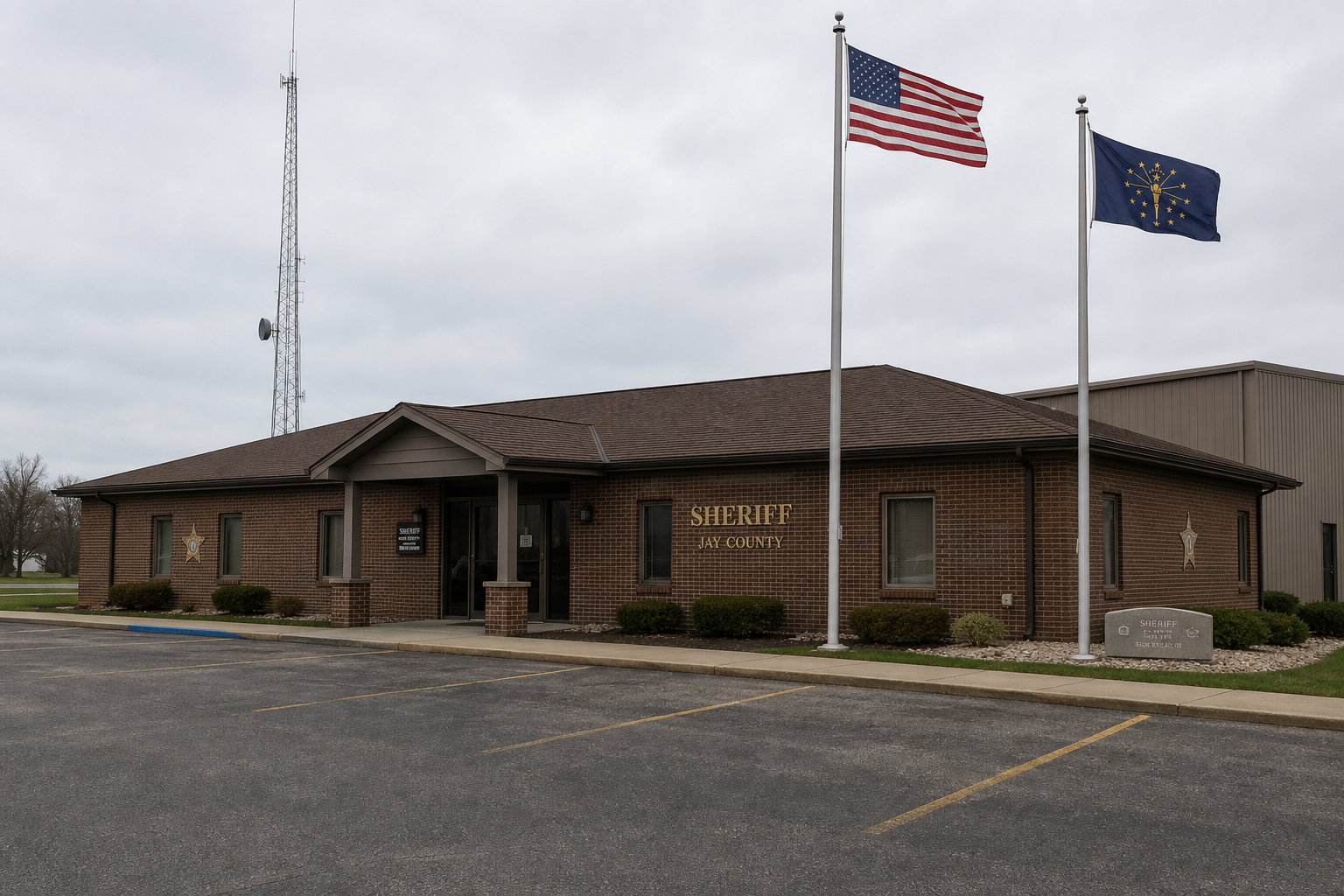
The first step is to request the official crash report. Indiana crash reports generally become available through the State of Indiana's BuyCrash portal once the investigating agency uploads the report, and a formal request under the Indiana Access to Public Records Act (Indiana Code 5-14-3[2]) is the standard mechanism where a report does not become available through routine channels. Here the Huntington County Sheriff's Office is the lead agency. In a sequenced, multi-vehicle crash, the report and the investigators' measurements are the foundation for understanding exactly how each impact unfolded: the order of the collisions, the points of impact, and the position of the disabled SUV in the travel lane.
The second step is to preserve the evidence before it disappears. In a high-speed interstate crash involving four vehicles and a commercial truck, the physical proof changes quickly: vehicles are towed, the roadway reopens, and the scene is cleared within hours. Photographs of every vehicle, the final resting positions, and the roadway conditions document things that cannot be recreated later. Each vehicle, including any onboard event-data recorder, should be preserved before it is repaired or salvaged. When a commercial carrier is involved, that preservation question takes on added importance: the truck's electronic logging, telematics, and maintenance records are controlled by the carrier, and a timely, written preservation (spoliation) notice can help ensure that data is not lost in the normal course of business. The firm's discussion of why truck cases are not just big car wrecks explains how that preservation work differs from a routine auto claim.
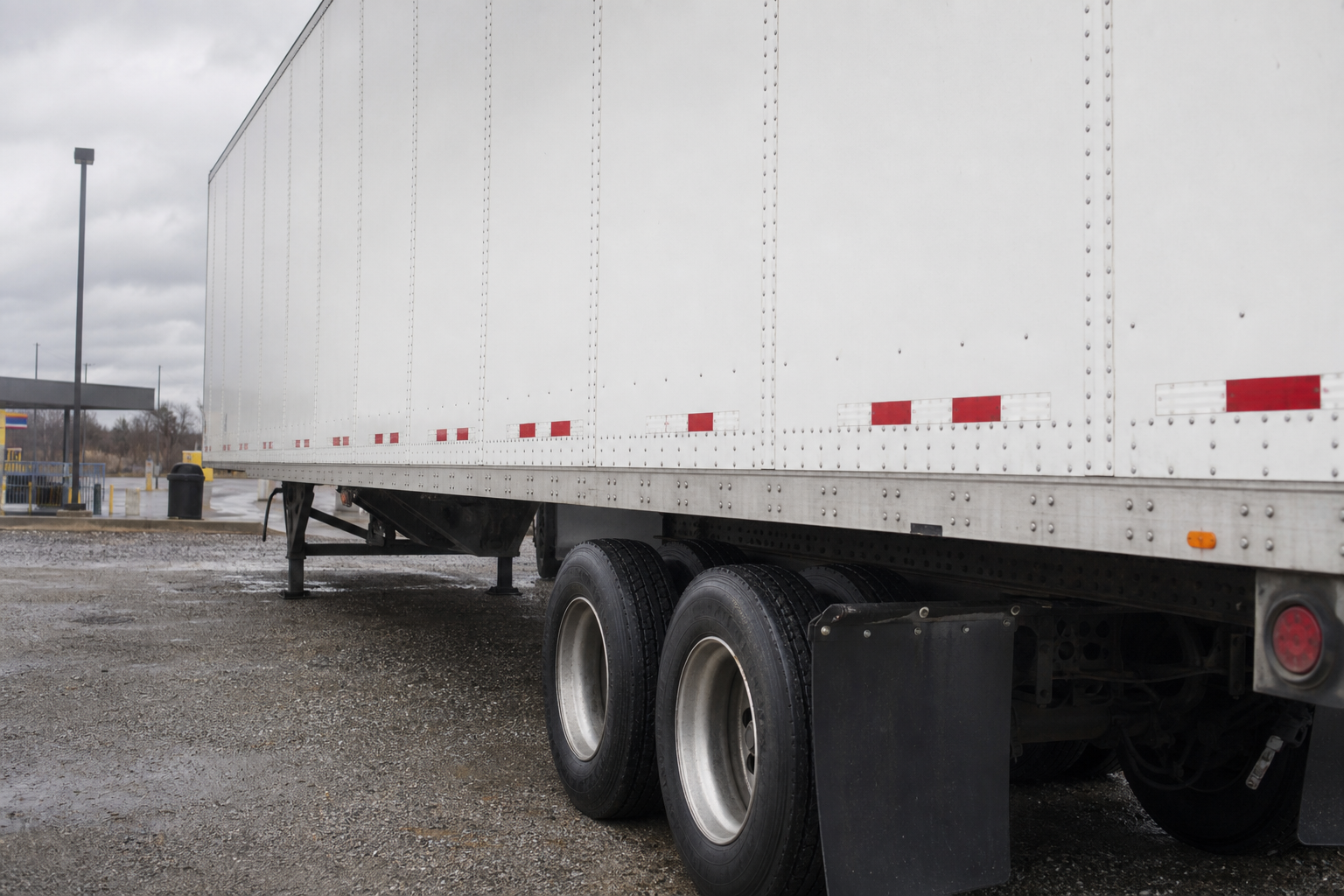
The third step is to be careful about how fault is determined. Preliminary police accounts are exactly that: preliminary. In a chain-reaction crash, more than one driver can share responsibility, and the law allows fault to be apportioned among them. A complete investigation may examine why the SUV first contacted the semi's trailer, whether the trailer's position or operation played any role, why the Jeep did not see the disabled vehicle, and how weather and visibility factored in. None of those questions is resolved on the current facts, and an injured person is entitled to understand the full picture before anyone else's version of events is accepted. For background on how shared responsibility is treated in Indiana, see the firm's overview of the Indiana 51% fault rule.
The fourth step is to identify every insurance policy that might apply. With multiple at-fault drivers possible and a commercial carrier in the chain, a serious-injury claim may involve several liability policies, the commercial carrier's coverage, and the injured person's own uninsured-motorist, underinsured-motorist, and medical-payments coverage. Underinsurance is a real risk when injuries are severe and several drivers must split the available coverage, so it is worth knowing early what every applicable policy provides. Each policy carries its own notice and cooperation requirements, a topic the firm explores in its guide to what happens when the other driver only carries Indiana minimum insurance.
The fifth step is to calendar the Indiana deadlines early. Indiana's general personal-injury statute of limitations (Indiana Code 34-11-2-4[3]) requires most injury claims to be filed within two years, which for a June 20, 2026 crash runs to approximately June 20, 2028. If a government entity were ever implicated, for example, a claim involving roadway design or maintenance, the Indiana Tort Claims Act imposes much shorter and stricter notice deadlines, which is a reason to evaluate those questions early rather than late. An injured person does not have to decide anything quickly but should know the clock exists.
Why Location Matters in Indiana Injury Claims
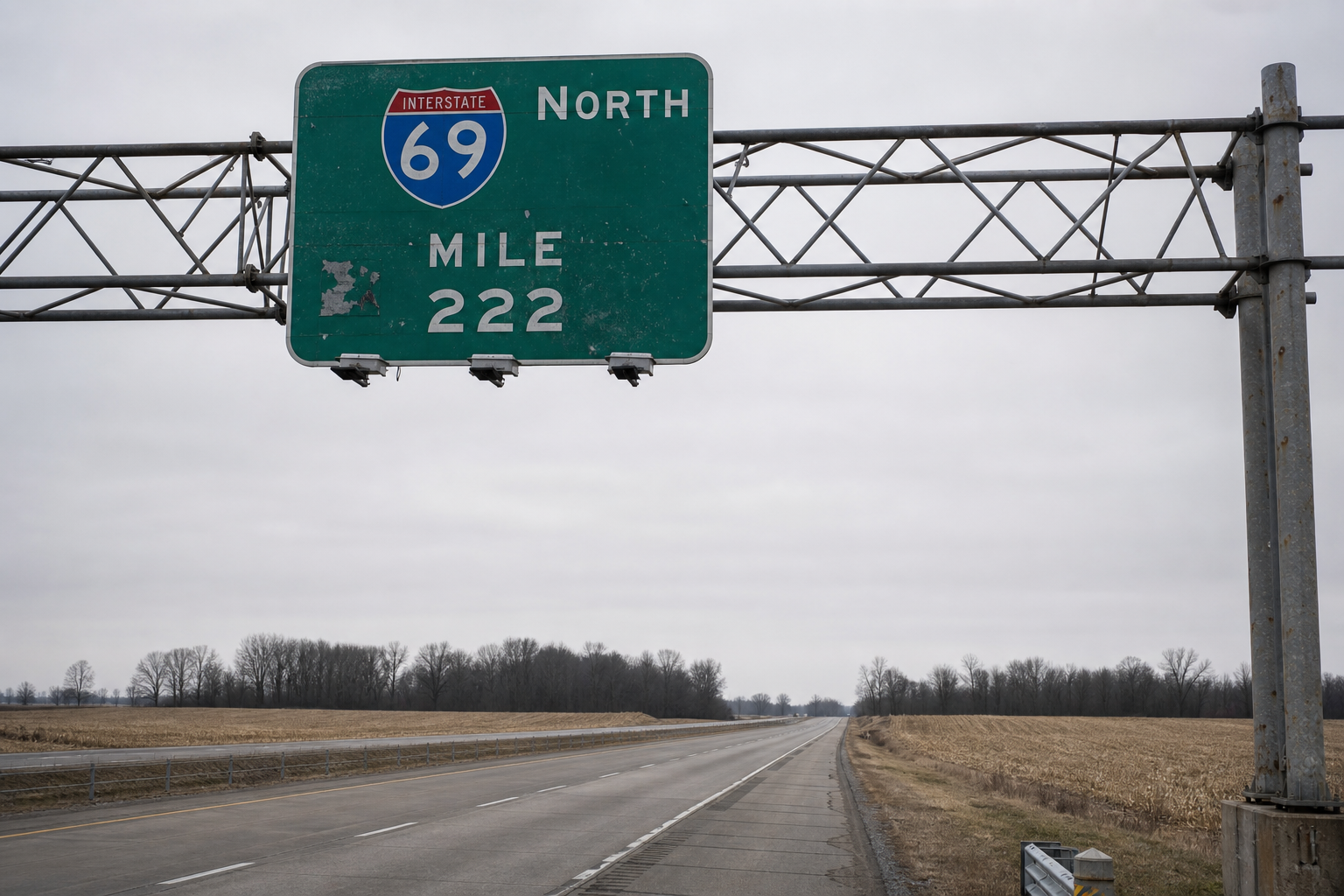
The crash happened on southbound Interstate 69 near mile marker 283, near Markle, in Huntington County, Indiana. The location shapes the legal picture in several ways.
This was a crash on an interstate mainline, not a city street, and that changes both the investigation and the law. Interstate crashes involve higher speeds, are typically investigated by the county sheriff and the Indiana State Police, and frequently involve commercial trucks subject to federal motor-carrier safety regulations. Indiana's modified comparative-fault statute (Indiana Code 34-51-2[4]) then governs how shared fault is handled: a claimant whose own share of the fault exceeds fifty percent is barred from recovering, and a lesser share reduces the recovery proportionally. In a chain-reaction crash where the sequence of impacts and the role of weather are genuinely contested, that apportionment can be the central battleground, and an honest claim evaluation has to address it directly rather than around it. The firm's analysis of why I-69 and I-469 crashes are different from ordinary car accidents walks through that combination of factors in more detail.
The crash also lies in Huntington County, which places the investigating agency as the Huntington County Sheriff's Office, with the Indiana State Police patrolling the corridor, and the civil-jurisdictional court as the Huntington Circuit and Superior Courts. The I-69 corridor southeast of Fort Wayne is a recurring location for serious and fatal crashes and sits within the Delventhal Law Office service area. The combination of high interstate speeds, commercial-freight traffic, and adverse-weather visibility on this stretch makes it an important focus for both safety awareness and careful, prompt crash investigation.
How Delventhal Law Office Can Help
Chad Delventhal and the Delventhal Law Office represent people injured in serious car, truck, and multi-vehicle crashes throughout Northeast Indiana, including interstate crashes along the I-69 corridor near Markle and Fort Wayne. The firm believes injured people and their families deserve a clear and honest assessment, including a frank explanation of how Indiana's modified comparative-fault rule can divide responsibility among several drivers in a chain-reaction crash, rather than promises the facts may not support.
For those who want to understand what happened, the firm can help with the work this kind of case requires: prompt collection of the Huntington County Sheriff's Office crash report; Indiana Access to Public Records Act requests where records do not become available through routine channels; early preservation of every vehicle and any event-data recorder before repair or salvage; timely preservation notices to any involved commercial carrier so that electronic logging, telematics, and maintenance records are not lost; review of the carrier's compliance with federal motor-carrier safety rules where a commercial truck is implicated; an honest review of the sequence-of-impact, visibility, and comparative-fault questions; identification of every applicable liability, commercial, uninsured-motorist, underinsured-motorist, and medical-payments policy; early evaluation of any Indiana Tort Claims Act notice issue should a government defendant ever be implicated; and calendar management on the approximately two-year Indiana injury deadline running to about June 20, 2028. People in Huntington County, Allen County, and across Northeast Indiana can reach the Delventhal Law Office in Fort Wayne to schedule a free case evaluation for a confidential, no-obligation conversation about their rights and options.
This post is based on public reporting available at the time of writing. The investigation by the Huntington County Sheriff's Office is ongoing, and details may change as additional facts become public. Nothing in this post is legal advice, and reading it does not create an attorney-client relationship with Delventhal Law Office, LLC.