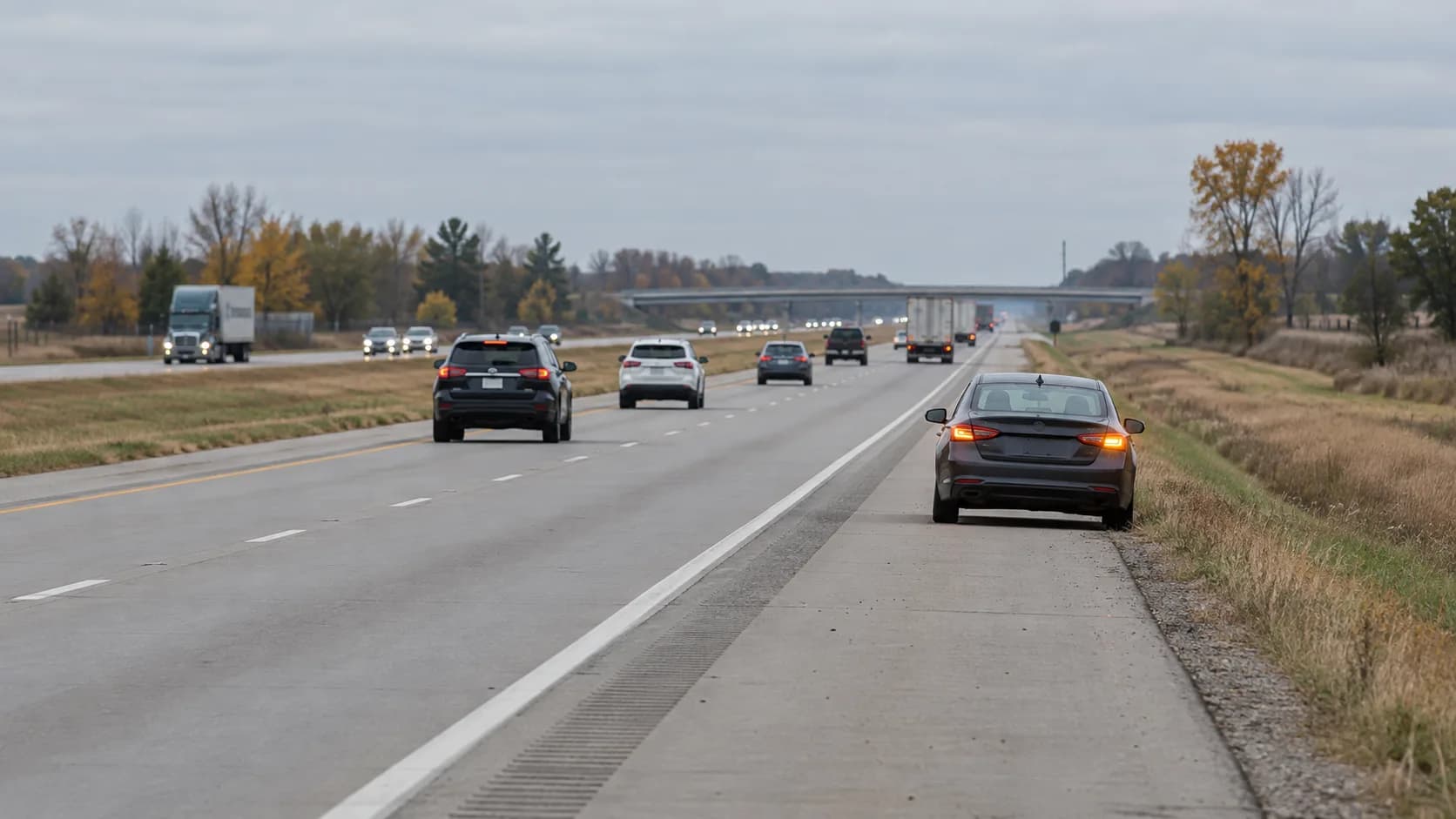
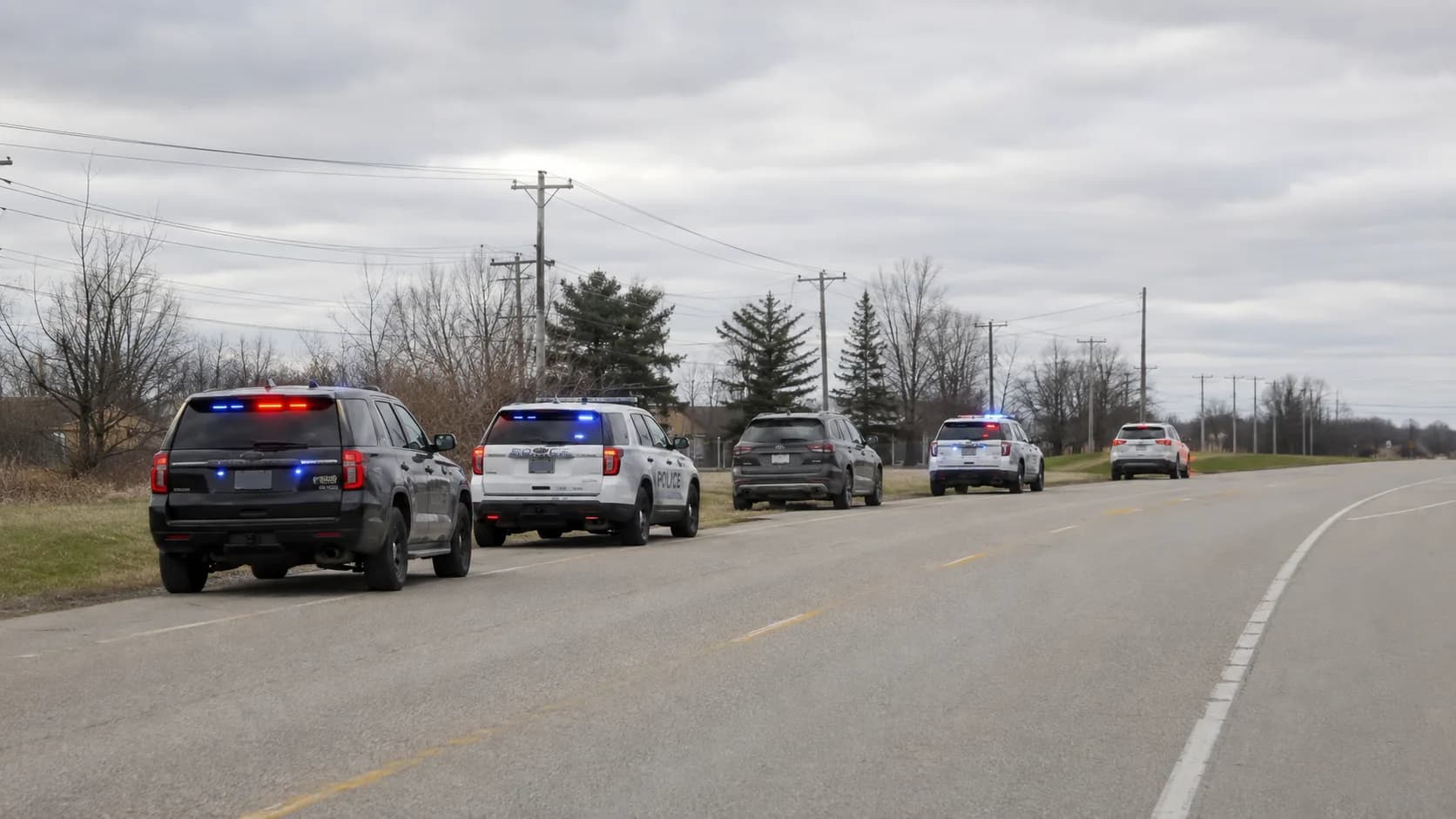
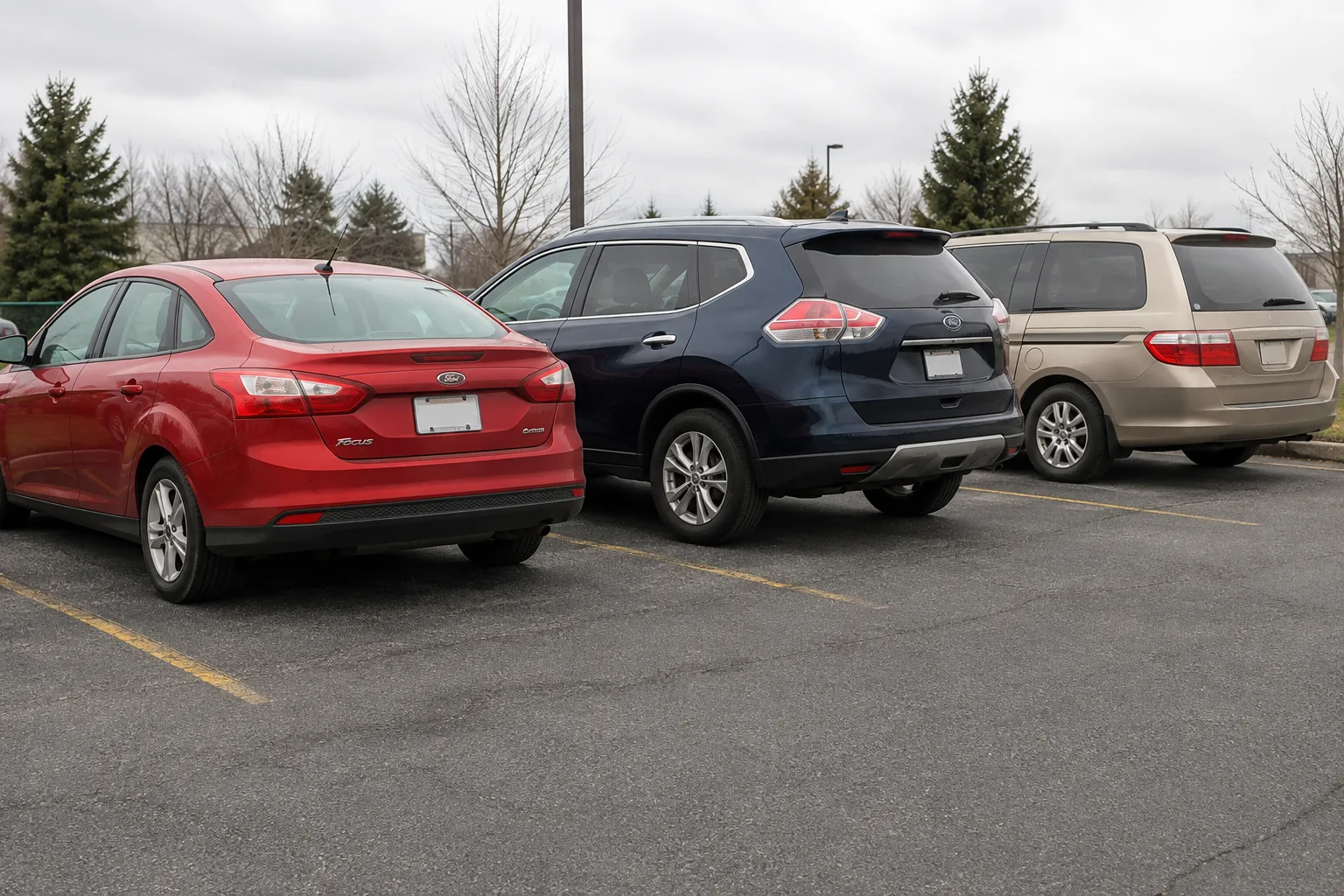
A multi-vehicle collision can leave drivers with different memories of a few confusing seconds. Start by separating what is known from what is assumed: the number of impacts a person felt, where the vehicles stopped, what the photographs show, and what witnesses actually observed.
- Indiana's Comparative Fault Act sets rules for actions based on fault, subject to the exceptions stated in the chapter.
- Liability, collision, medical-payments, and uninsured or underinsured motorist coverages serve different functions.
- The wording, limits, exclusions, and deductible in the actual policy matter.
- Indiana Code 34-11-2-4[1] generally provides a two-year limitation period for actions for injury to person or character and injury to personal property.
- That general time period is not a safe substitute for advice about a specific matter.
Who may pay after a chain-reaction crash?
Potential sources of payment can include another driver's liability coverage and coverages purchased by the injured person. Which source applies cannot be determined from the number or order of vehicles alone.
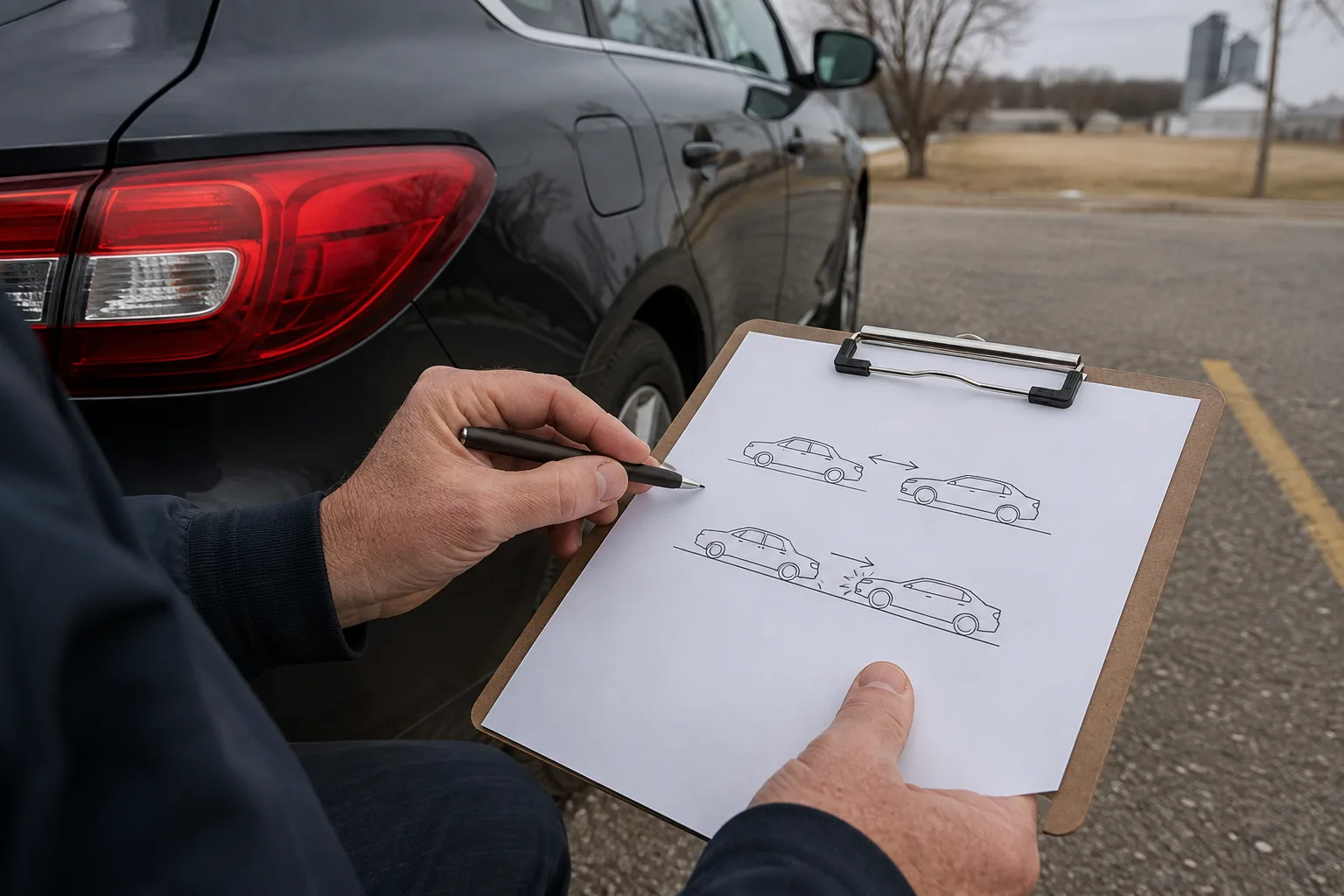
Consider two possible accounts. In one, a stopped middle car is pushed into the car ahead. In another, the middle car makes contact first and is struck again afterward. These are illustrations, not legal rules or conclusions about any real collision. Photographs, video, physical damage, witness accounts, and each driver's account may help clarify which description fits the facts.
For an overview of the process, see Delventhal Law Office's Indiana car accident guide.
How does Indiana comparative fault work?
Under Indiana Code 34-51-2-5[2], contributory fault chargeable to a claimant reduces compensatory damages in proportion to that fault. Indiana Code 34-51-2-6[2] bars the claimant from recovering when the claimant's contributory fault is greater than the fault of all persons whose fault proximately contributed to the damages.
Indiana Code 34-51-2-7[2] directs the jury to determine the percentage of fault of the claimant, defendants, and any properly named nonparty. That statutory framework permits percentages to be assigned to more than one person.
For more context, read our guide to Indiana's comparative-fault threshold.
Which insurance coverage may apply?
The Indiana Department of Insurance auto-insurance page[3] describes common forms of auto coverage. The table summarizes only what that agency page states; the policy controls in an individual situation.
| Coverage | General function described by IDOI | Document to review |
|---|---|---|
| Bodily-injury liability | Pays, up to policy limits, for injuries to other people caused with the insured car. | Declarations and policy |
| Property-damage liability | Pays, up to policy limits, for damage to other people's property caused by the insured car. | Declarations and policy |
| Collision | Subject to a deductible, pays for damage to the insured car caused by collision or upset. | Declarations and policy |
| Medical payments | Pays medical bills incurred by the insured and usually passengers, up to policy limits, for the circumstances described by IDOI. | Declarations and policy |
| Uninsured or underinsured motorist | Indiana Code 27-7-5-2[4] addresses uninsured and underinsured motorist coverage, statutory exceptions, and written rejection. | Declarations, policy, and any written rejection |
Indiana Code 27-7-5-2[5] contains the statutory requirements for uninsured and underinsured motorist coverage and written rejection. Whether a particular policy responds depends on its terms and the facts.
A liability policy's stated limit caps what that coverage promises to pay. When several people seek payment, it is especially important to identify the applicable policies and read them rather than assume one policy will cover every loss.

How can you organize the available information?
The following is Delventhal Law Office's practical organization guide, not a list of items Indiana law requires in every matter.
| Item | Practical step | Detail to note |
|---|---|---|
| Scene photographs | Keep the original files you already have. | Vehicle locations, debris, signs, signals, and road conditions |
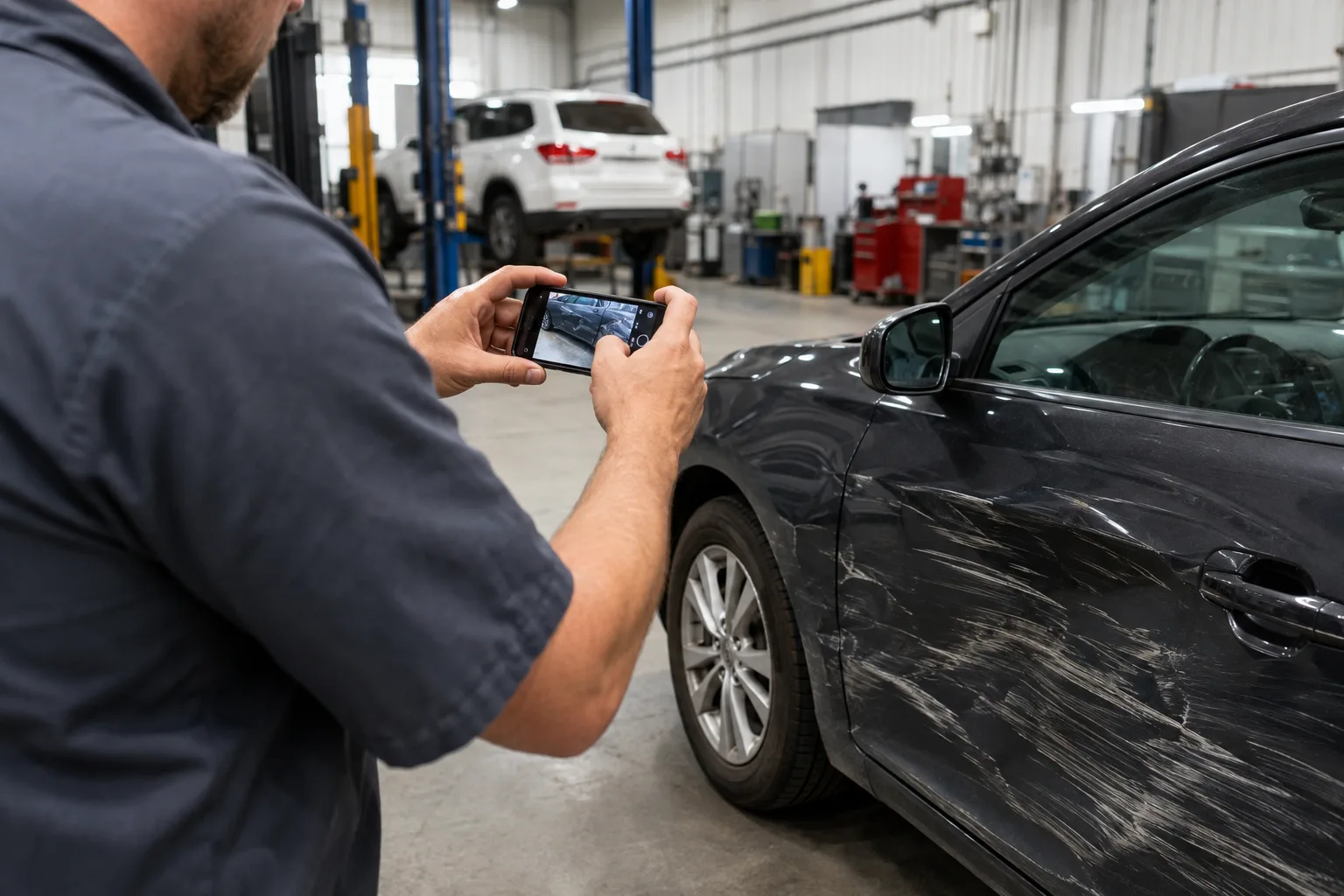
| Vehicle photographs | Photograph visible damage when it is safe to do so. | Front, rear, sides, and close views |
| Video | Make a note of any camera you observed. | Location, owner if known, and what it may face |
| People | Keep names and contact information you received. | Which vehicle or viewing location each person identifies |
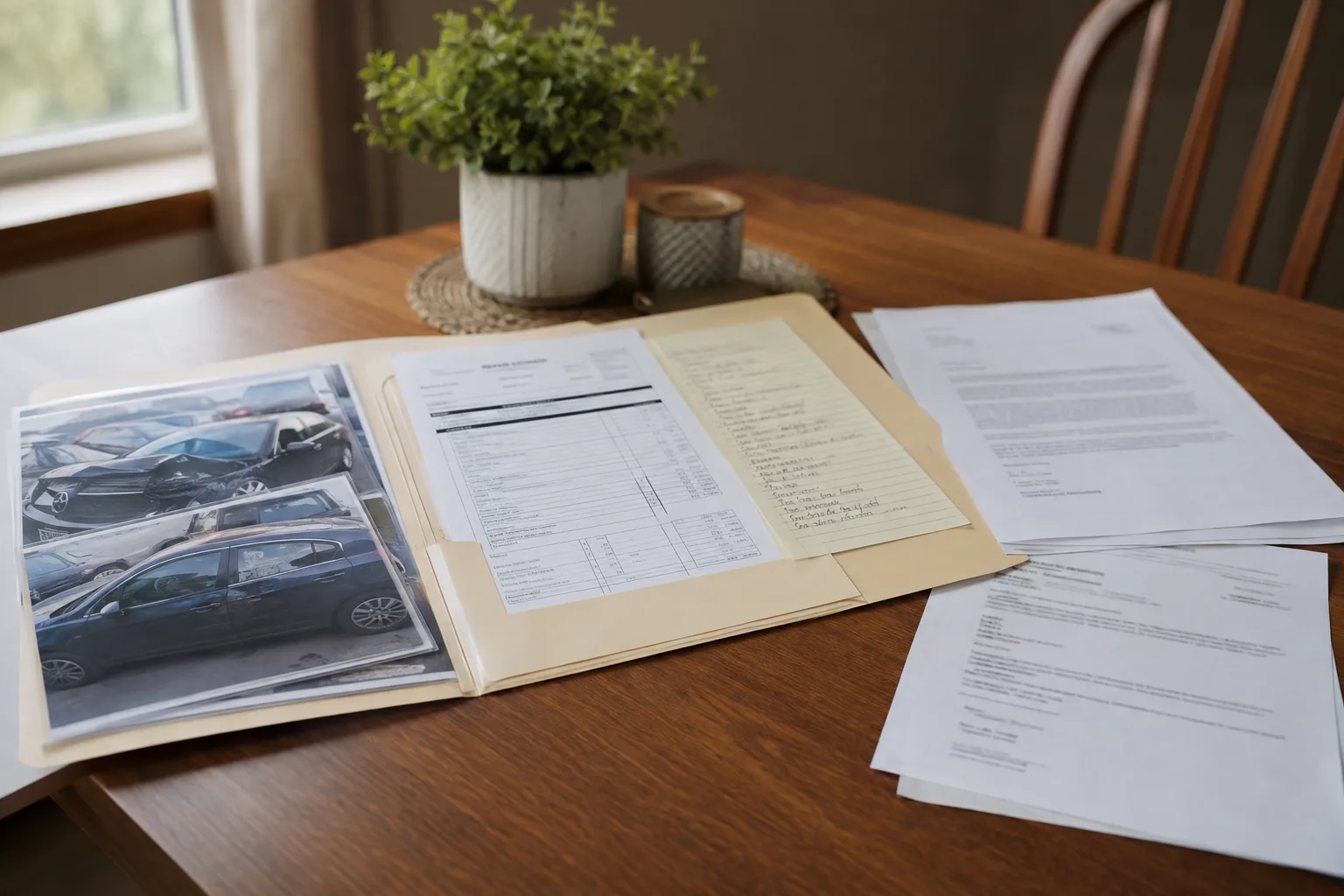
| Documents | Keep copies in one place. | Report, policy, estimates, invoices, medical records, and correspondence |
| Your recollection | Make a dated note in your own words. | What you saw, heard, and felt without guessing |
The Indiana State Police says a person requesting a crash report can use BuyCrash on its official crash-reports page[6]. The report is one record to review alongside other available information. Our guides explain how to obtain an Indiana crash report and types of information that may be relevant after a crash.
Practical next steps
- Get to a safe place if you can do so safely, and request emergency help when needed.
- Keep the contact and policy information exchanged at the scene.
- Write down what you personally remember, including whether you perceived one impact or more.
- Save the original photographs, video, estimates, bills, and correspondence in your possession.
- Read your policy and follow its instructions for reporting a collision.
- Read any proposed settlement document carefully and ask questions about language you do not understand.
- Keep a dated log of calls, letters, appointments, expenses, and missed work.
Indiana Code 34-11-2-4[2] generally sets a two-year limitation period for actions for injury to person or character and injury to personal property. Other rules can affect timing, including rules for particular parties or types of action. A lawyer should calculate the filing date from the specific facts rather than from this general summary.
Frequently asked questions
Does being last in line automatically determine fault?
No. Indiana's comparative-fault provisions direct the factfinder to assign percentages to specified people based on fault that proximately contributed to the damages.
Can more than one person receive a percentage of fault?
Yes. Indiana Code 34-51-2-7[7] directs the jury to determine percentages for the claimant, defendants, and properly named nonparties.
What does collision coverage generally cover?
IDOI says collision coverage, subject to a deductible, pays for damage to the insured car caused by collision or upset. The individual policy determines the coverage available in a particular situation.
What role can the crash report play?
A crash report can provide information to compare with photographs, documents, and firsthand accounts. Use it as one information source and discuss case-specific legal questions with counsel.
Why do policy limits matter when several people seek payment?
Liability coverage pays only up to the policy limits described in the policy. Multiple demands do not increase those stated limits.
If the sequence or policy documents are unclear, Delventhal Law Office can review the records you have and discuss possible next steps through a free case evaluation.
This article is general information, not legal advice. Every case is different. A lawyer can give advice only after learning the facts and agreeing to represent you.