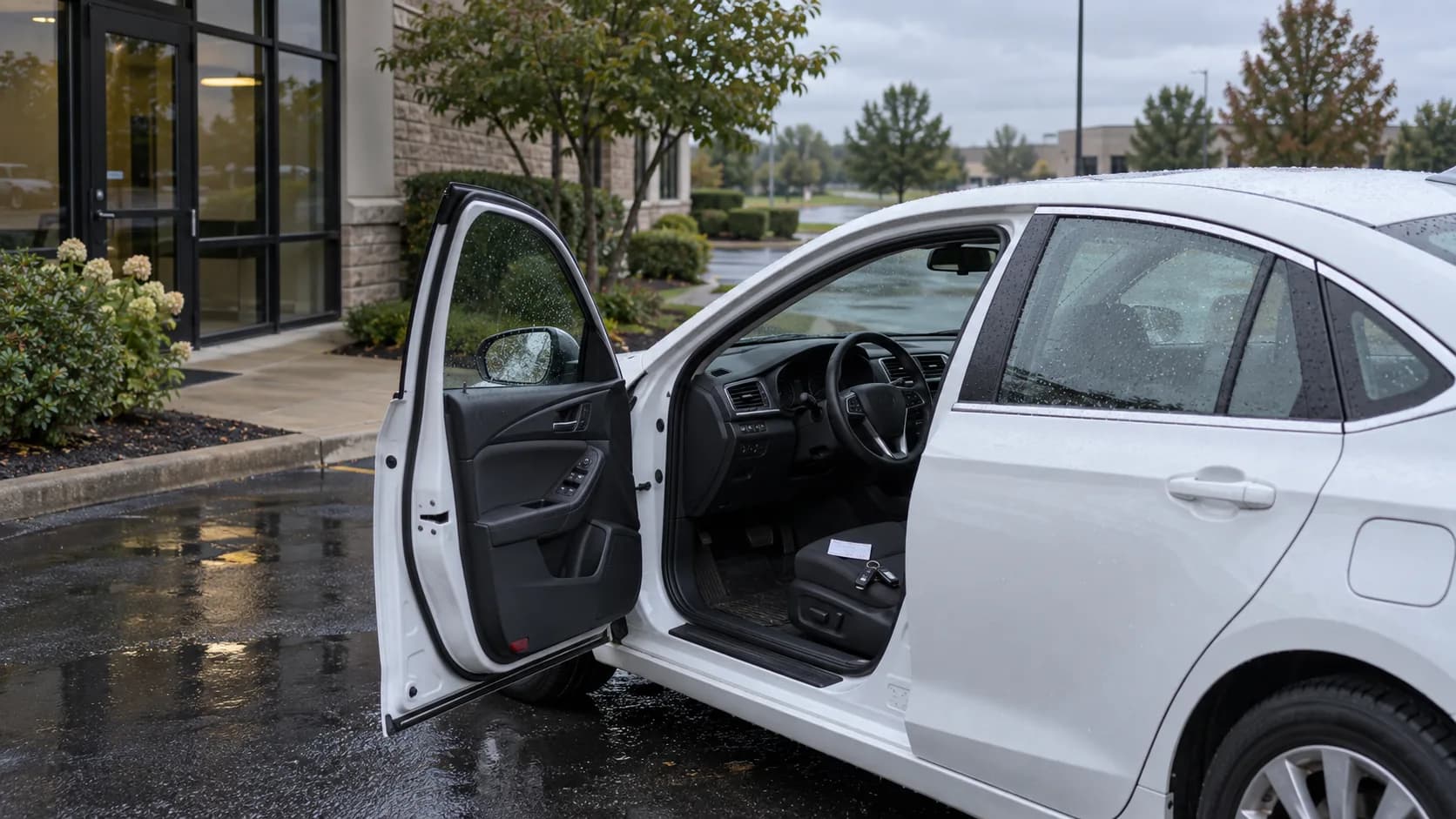
A company-car crash may involve more than one policy and more than one insured party. The best first step is to identify every potentially relevant policy instead of assuming that the driver’s personal insurer—or the employer’s carrier—has the only answer.
- Start with the insurance policy issued for the employer-owned vehicle.
- Confirm who owned the vehicle and whether the driver had express or implied permission to use it.
- Ask each insurer to identify its coverage position and the policy language supporting it.
- Preserve information about the driver’s work assignment, route, destination, and reason for the trip.
- Indiana permits named driver exclusions in commercial motor-vehicle policies, so a commercial auto policy may lawfully exclude a particular driver even though the permissive-use requirement applies generally. Do not treat a coverage denial from one insurer as proof that no other policy applies.
Which policy should you check first?
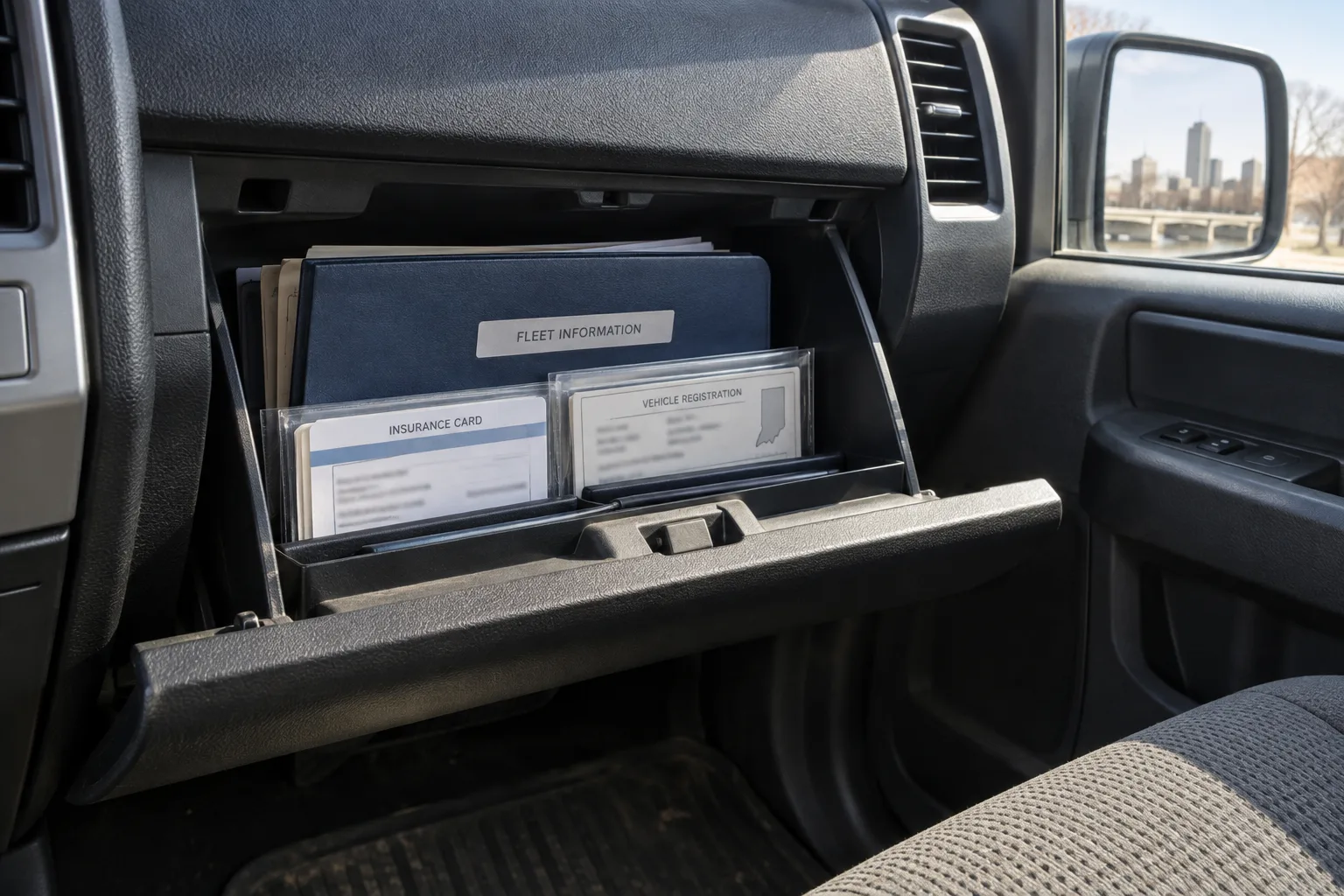
For an employer-owned vehicle, the logical starting point is the policy issued for that vehicle. The Indiana Department of Insurance review standards[2] state that a motor-vehicle policy must insure the owner against third-party liability resulting from the negligence of a person who legally uses or operates the vehicle with the owner’s express or implied permission.
That rule does not answer every coverage question. You still need the declarations, coverage forms, endorsements, exclusions, and any umbrella or excess policy. If you were injured in the crash, a Fort Wayne car accident attorney can help identify the correct insurers and request the policy documents.
Which coverages may matter?
“Which policy covers the accident?” can mean several different things. The answer changes depending on whether you are asking about injuries to another person, damage to another vehicle, medical expenses for an occupant, damage to the company car, or harm caused by an uninsured driver.
| Coverage question | Policy or provision to examine | Document to request |
|---|---|---|
| Injuries the company-car driver allegedly caused | Bodily-injury liability under the vehicle’s policy | Commercial auto declarations and liability form |
| Damage the company-car driver allegedly caused | Property-damage liability under the vehicle’s policy | Commercial auto declarations and liability form |
| Occupant medical expenses | Any applicable medical-payments provision | Declarations, endorsements, and coverage form |
| Damage to the employer-owned vehicle | Any applicable collision coverage | Declarations, deductible information, and claim instructions |
| Injuries caused by an uninsured or underinsured driver | Any applicable UM or UIM provision | UM/UIM forms, endorsements, and any written rejection |
The Indiana Department of Insurance’s auto-insurance guide[3] explains that bodily-injury liability pays, up to the policy limit, for injuries to other people caused with the insured car, while property-damage liability pays, up to the policy limit, for damage to other people’s property caused with that car.
The same guide describes medical-payments coverage as coverage that pays medical bills for the insured and usually passengers, up to the policy limit, when they are injured while riding in, entering, or getting out of the car. It describes collision coverage as coverage, subject to a deductible, for damage to the insured car caused by collision or upset.
If several policies appear relevant, the wording can determine whether a policy responds first, later, or not at all. Our guide to accidents involving several auto policies explains how to organize that review.
Why does the purpose of the trip matter?
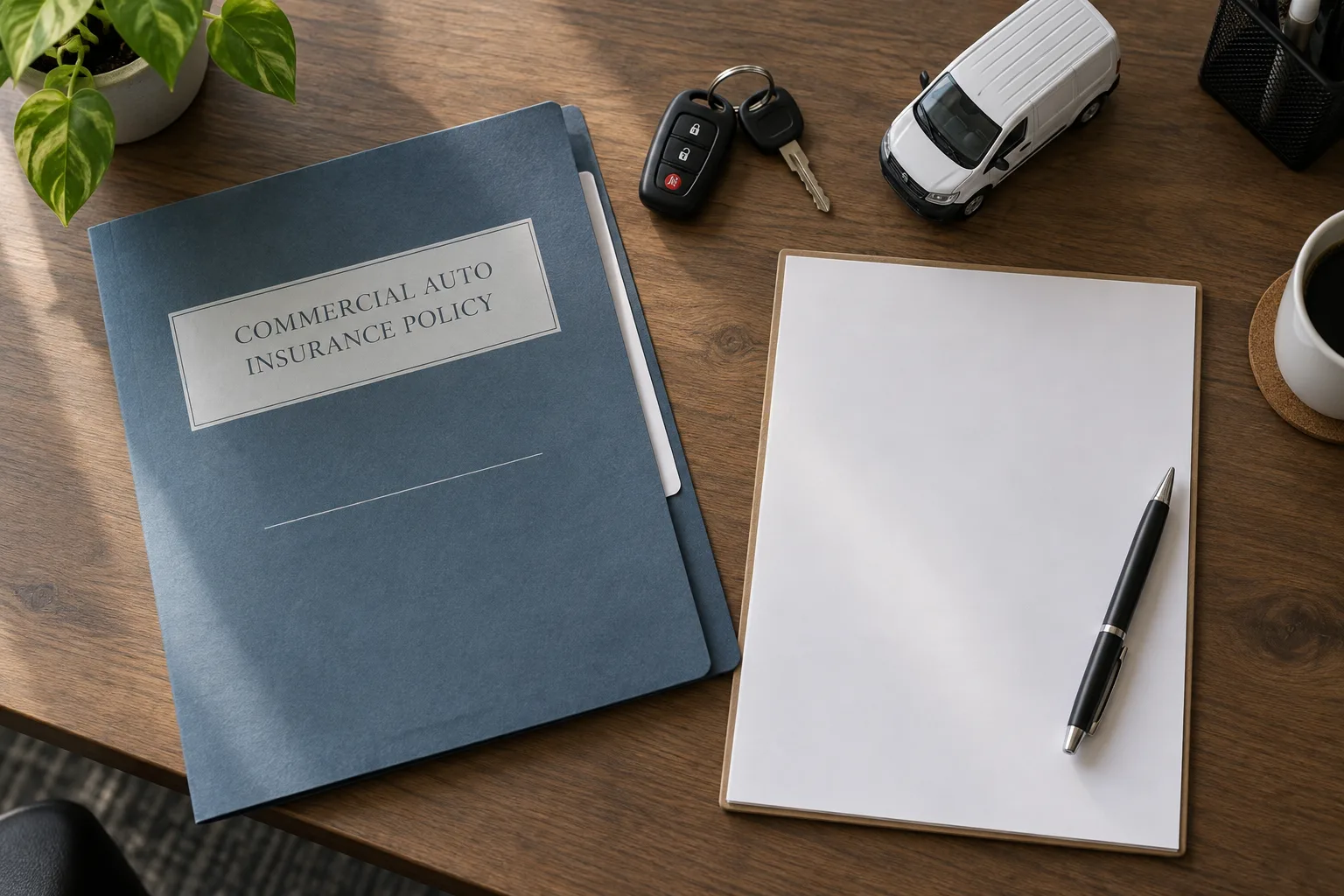
The trip’s purpose helps insurers and attorneys evaluate who was using the vehicle, whether the use was authorized, and which insureds and coverages the policy language may reach. Preserve ordinary business records that show what the driver was doing rather than relying on a later recollection.
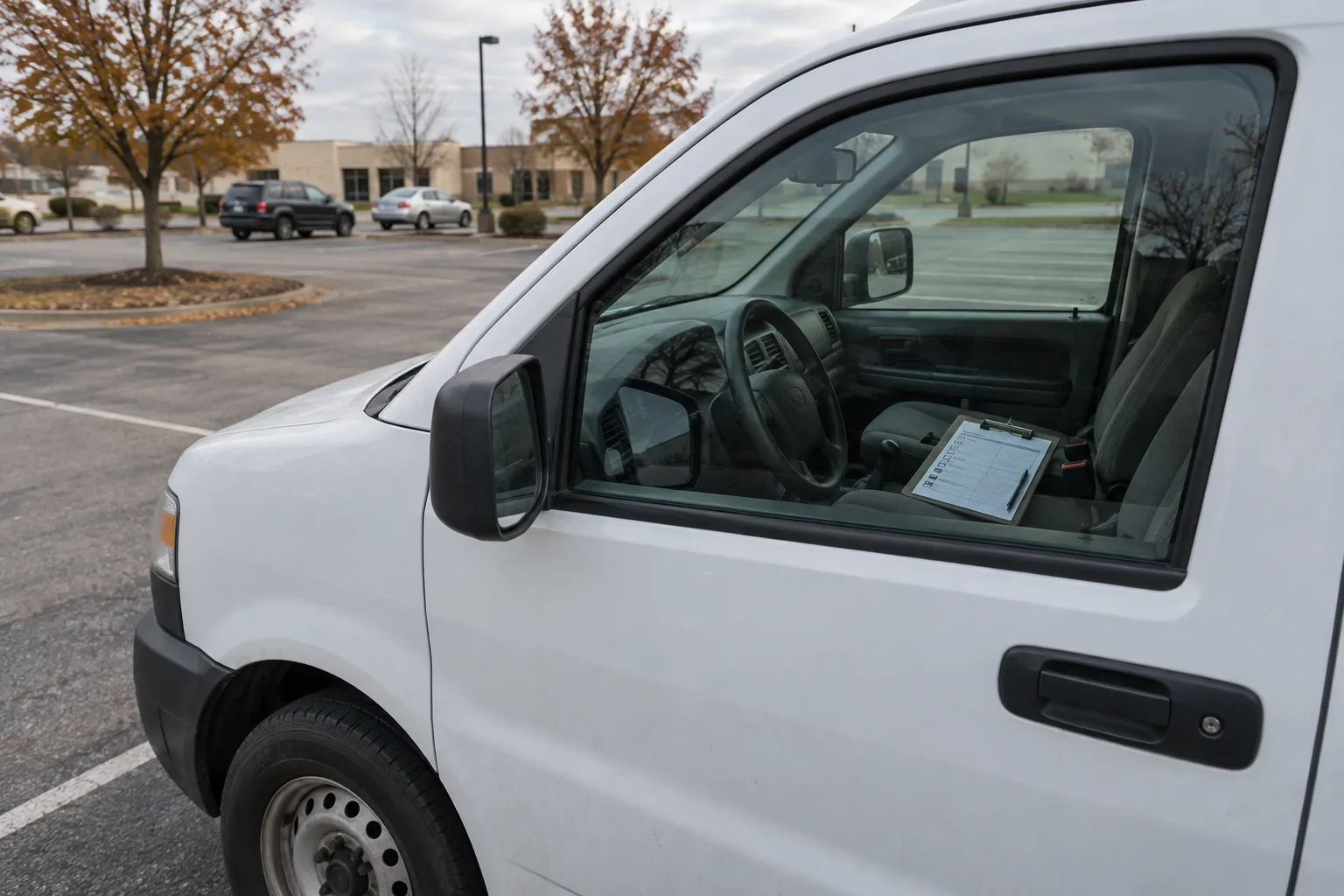
Useful records may include a dispatch message, delivery assignment, work calendar, time record, mileage log, GPS or telematics record, company vehicle policy, keys sign-out record, and communications with a supervisor. If the driver was performing work when the collision occurred, review the separate issues discussed in Indiana crashes caused by a working driver.
Permission also matters because Indiana’s required owner-liability provision addresses people who legally use or operate the vehicle with the owner’s express or implied permission. A company rule, past practice, supervisor instruction, and the circumstances in which the keys were provided may therefore become important evidence.
What information should you collect?
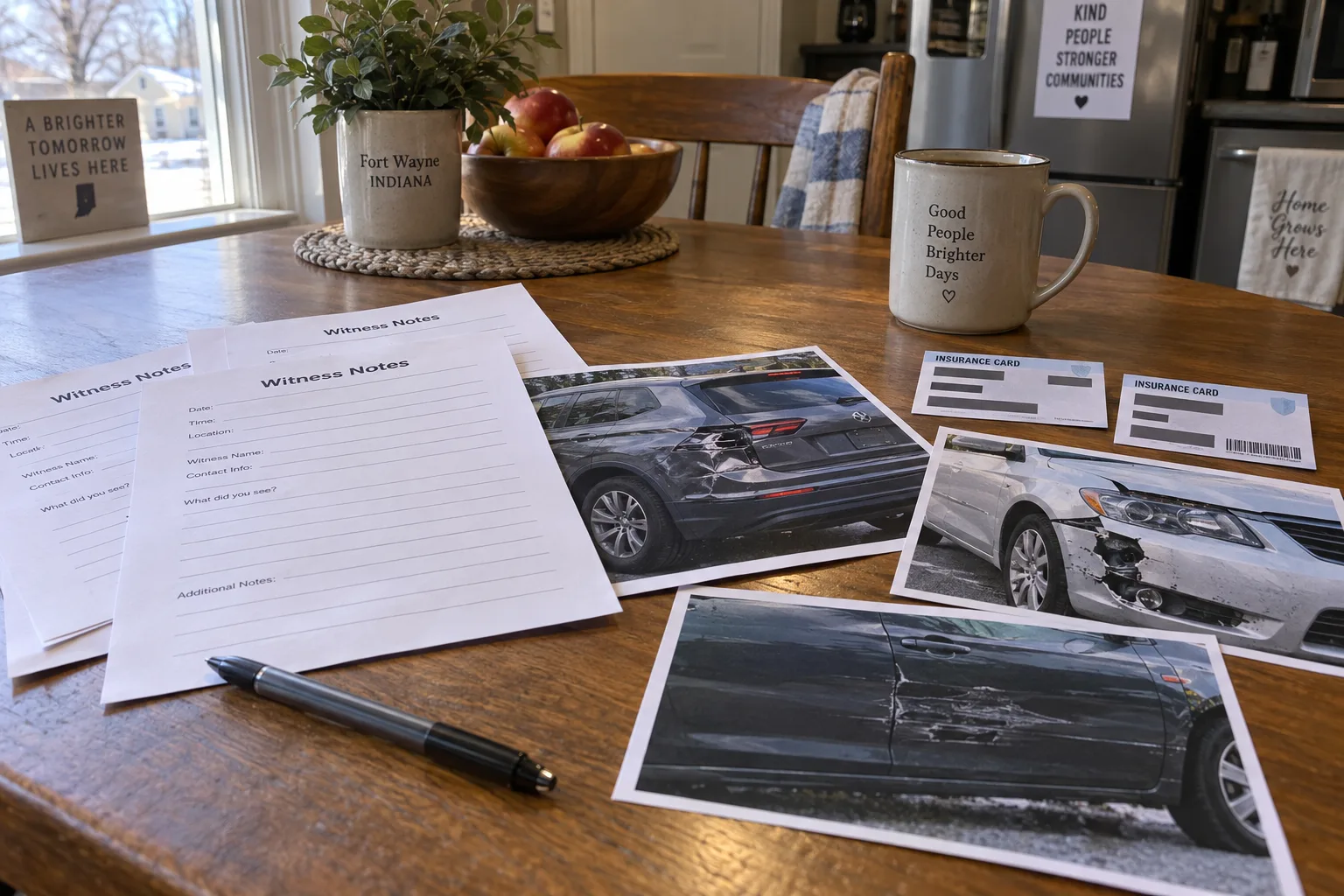
Coverage decisions are easier to evaluate when the vehicles, people, businesses, and policies are identified precisely. Keep copies rather than handing over your only version of a document.
- The company vehicle’s year, make, model, license plate, and vehicle identification number.
- The employer’s full legal name and any business name displayed on the vehicle.
- The driver’s name, contact information, driver’s license information, and insurance information.
- Photographs of insurance cards, vehicle markings, damage, and the surrounding scene.
- The police agency, report number, witness information, and available video.
- The driver’s job, assignment, destination, and reason for using the vehicle.
- Every claim number, adjuster name, written coverage position, and copy of correspondence.
You can use the broader Indiana car-accident evidence guide to organize photographs, witnesses, medical records, wage information, and insurance documents. If you are estimating the financial categories involved, the Fort Wayne car-accident settlement calculator can serve as an educational worksheet, but it cannot predict a result.
What if an insurer denies coverage?
Ask for the decision in writing and request the exact policy provisions on which the insurer relies. Compare the named insured, covered-auto symbols, definitions, endorsements, exclusions, and “other insurance” language with the actual ownership, permission, and trip facts.
A denial by one carrier does not itself decide whether another carrier owes coverage. Keep all policies and denial letters together so the positions can be compared.
The Indiana Department of Insurance Consumer Services Department[4] assists consumers with inquiries or complaints about automobile and property-and-casualty insurance policies. A complaint process does not replace a timely claim investigation or legal review.

Frequently Asked Questions
Does the company’s policy always pay first?
No universal answer applies to every coverage and every policy. Begin with the policy covering the employer-owned vehicle, then compare all potentially applicable policy language with the ownership, permission, driver, trip, and claimed-loss facts.
Can the employee’s personal auto policy apply?
It may need to be reviewed, but its application depends on the contract’s insured-person, covered-auto, business-use, furnished-vehicle, exclusion, and other-insurance language. Do not assume it applies or does not apply without obtaining the policy and the carrier’s written position.
What if the employee was off the clock?
Clock status is one fact, not a complete coverage answer. Ownership, permission, vehicle use, trip purpose, policy definitions, and exclusions may also matter.
What if a company car hit me?
Identify the vehicle owner, driver, employer, and all listed insurers; preserve evidence of the trip’s purpose; and open the appropriate claims without assuming that one claim number captures every potentially relevant policy.
Can the Indiana Department of Insurance decide who caused the crash?
IDOI Consumer Services assists with insurance inquiries and complaints, but gathering evidence and evaluating fault and coverage remain separate tasks.
Sources
- Indiana Department of Insurance, Property & Casualty Review Standards, accessed September 21, 2026.
- Indiana Department of Insurance, Auto Insurance, accessed September 21, 2026.
- Indiana Department of Insurance, Consumer Services, accessed September 21, 2026.
If you were hurt in a company-vehicle crash in Fort Wayne or elsewhere in Indiana and the policies are unclear, Delventhal Law Office can review the available documents, explain the questions that need answers, and help you consider the next step through a free consultation.
This article is general information, not legal advice. Reading it does not create an attorney-client relationship, and neither does contacting us. If you do contact us about a possible claim, Indiana Rule of Professional Conduct 1.18 requires us to keep what you tell us confidential whether or not we take the case — but please do not send documents or detailed facts until we have agreed in writing to represent you.