For an injured person in Fort Wayne or Allen County, the key investigation concerns the decision to supply the vehicle—not just the driving that followed. This guide focuses on proof. For the separate policy questions, see our guide to a crash involving someone else’s car.
Key takeaways
- Entrustment, driver incapacity, actual knowledge, proximate cause, and damages are separate parts of the claim.
- The knowledge inquiry concerns the time the vehicle was entrusted.
- In an intoxication case, evidence that the supplier could or should have known is not enough.
- Preserve a timeline of permission, observations, and communications before the trip.
The legal framework below comes from the published Bailey v. State Farm opinion[1], issued February 28, 2008, particularly pages 8 and 11–14.

Five elements of an Indiana negligent-entrustment claim
On page 8, published Bailey v. State Farm opinion states the required elements: someone entrusted a car to an incapacitated person or one incapable of using due care, with actual and specific knowledge of that condition at the time of entrustment, together with proximate cause and damages.
That means the investigation cannot stop at identifying the registered owner. The question is whether the evidence establishes the act of entrusting the vehicle and the other required elements. These are factual questions, not conclusions to draw from a title document alone.
| Part of the claim | Practical investigation question |
|---|---|
| Entrustment | Who supplied the vehicle, and what communications or conduct explain the permission? |
| Incapacity or inability to use due care | What reliable observations describe the driver’s condition? |
| Actual and specific knowledge | What did the supplier know when the vehicle was entrusted? |
| Proximate cause | How does the alleged entrustment connect to the collision and injury? |
| Damages | What records document the resulting losses? |
The table is an investigation aid, not a substitute for proof of each element. Our Fort Wayne car-accident lawyers can evaluate the available records and identify gaps in that proof.

Why actual knowledge at the handoff matters
For an intoxication-based claim, published Bailey v. State Farm opinion explains that Indiana requires actual knowledge that the driver was intoxicated when the car was entrusted. Evidence that the supplier could have known or should have known of the driver’s unfitness is insufficient under that rule.
Actual knowledge does not necessarily require an admission. Bailey explains that a jury may draw inferences from circumstantial evidence. But the inference needs factual support: the opinion found insufficient evidence where the testimony did not establish the amount consumed or the supplier’s observations of the driver’s intoxication.
The opinion also explains that the occurrence of an accident alone does not establish the supplier’s actual knowledge of incapacity. Keep the evidence about the collision separate from the evidence about what the supplier knew beforehand.
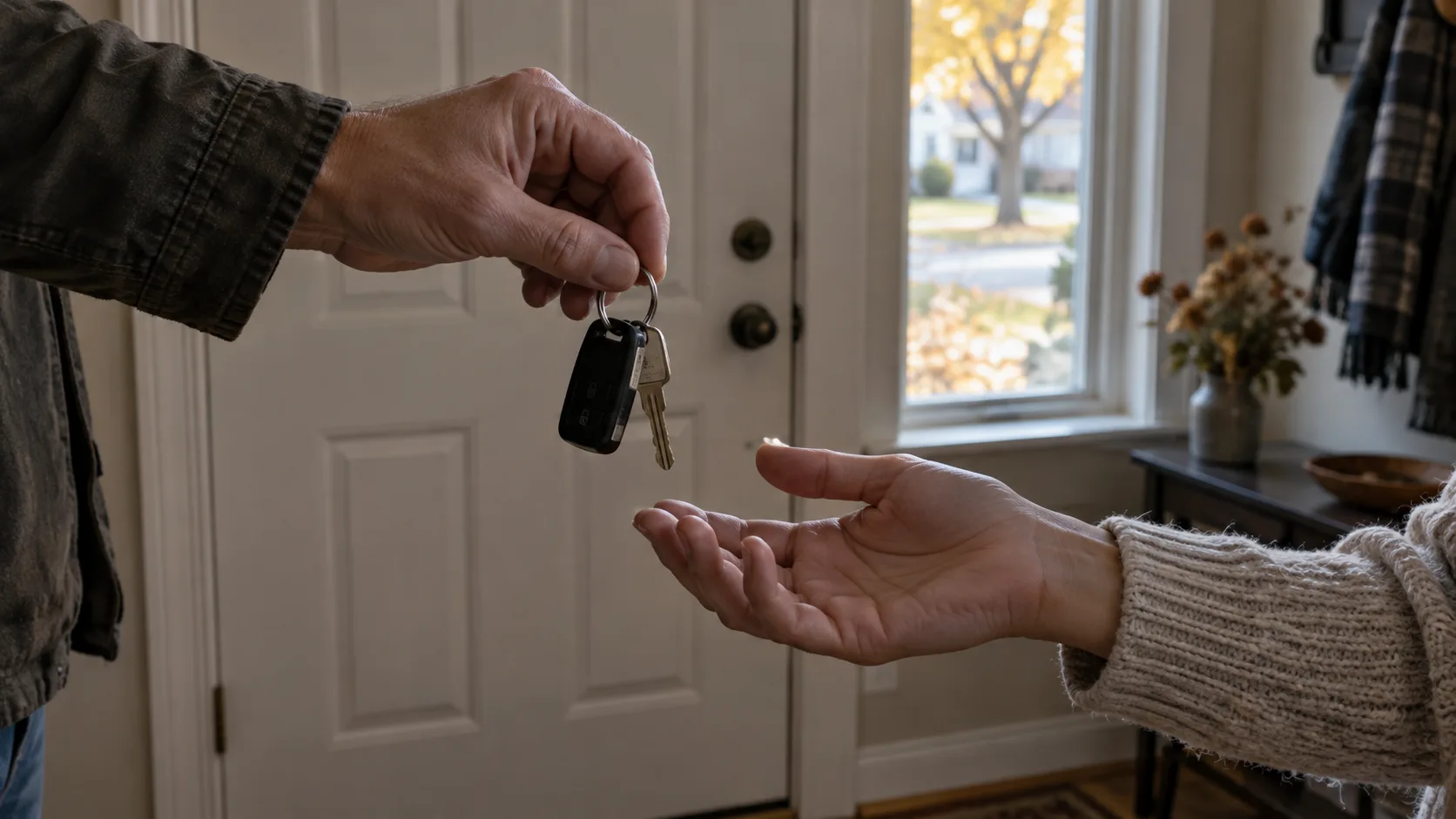
For example, as a hypothetical investigation, compare a message sent before the keys were handed over describing the driver’s condition with a message sent after the collision reporting what happened. Preserve both with their timestamps. Do not treat the later report as proof that the sender already knew the same facts earlier.

Build a proof timeline around the entrustment
A useful working timeline starts before the trip. Record when the supplier and driver were together, when any relevant observations were made, when permission was communicated, when the driver left, and when the collision occurred. Mark uncertain times as uncertain.
- Permission: Save original texts, emails, or other messages about using the vehicle.
- Observations: Identify witnesses who personally saw or heard the driver before departure, and record what each actually observed.
- Communications: Preserve messages describing concerns, warnings, or responses, including the surrounding conversation.
- Timing: Keep original video files, receipts, and call logs that may help establish sequence.
- Collision: Save the crash report, scene photographs, and available witness contact information.
These are suggested preservation steps; no single listed record substitutes for proof of all required elements. Our guide to documenting an Indiana car-accident claim covers the broader collection process.
Requesting driving records without assuming what they prove
The Indiana BMV driver-record guide[2] explains that a driver record contains driving history, including current and resolved suspensions, citations, violations, and other entries affecting the record.
A driving record may provide leads for an investigation. Keep two questions separate: what the record says, and what evidence shows the supplier knew at the relevant time. The actual-knowledge element described in Bailey still requires its own proof.
The BMV Request for Certified Records form[3] requires a requester seeking protected information to identify an authorized exception and intended use. It also explains that recipients must follow applicable privacy requirements. Discuss the proper request with counsel rather than attempting to enter someone else’s private account.

A practical preservation checklist
- Keep originals of messages, photographs, and video; make separate working copies for notes.
- Write down witness names and contact information without coaching their recollections.
- Separate firsthand observations from things someone else reported.
- Collect vehicle identification and permission information without guessing who supplied the car.
- Keep medical bills, wage documents, and other loss records in a separate folder.
- Arrange a prompt consultation to discuss your circumstances.
Bring the material you already have. A consultation can focus on what it establishes, what remains uncertain, and which additional records may be worth requesting. Do not delay that discussion while trying to assemble a perfect file.

Frequently asked questions
Does “should have known” satisfy the knowledge requirement?
Not for the intoxication-based rule discussed in published Bailey v. State Farm opinion. The opinion requires actual knowledge at entrustment, while recognizing that circumstantial evidence may support an inference of that knowledge.
Does the crash itself prove the supplier knew the driver was incapable?
No. Bailey expressly rejects using the occurrence of the accident alone to establish actual knowledge of incapacity. The earlier observations and communications need separate examination.
Is a claim by an injured third party different from the driver’s own claim?
Yes. Bailey recognizes a third party’s negligent-entrustment claim when injured by an incapacitated driver and the required elements are met. It rejects a first-party negligent-entrustment claim by a voluntarily intoxicated adult driver. That holding should not be expanded into a statement that every injured driver, regardless of age or reason for incapacity, is barred.
What should I bring for an entrustment review?
Bring the crash report if available, witness details, vehicle information, original messages and photographs, and a short timeline identifying what you know and what remains uncertain.
If you want help evaluating the entrustment, knowledge, and timing questions, request a free consultation with Delventhal Law Office.
This article is general information about Indiana law and is not legal advice. Reading it does not create an attorney-client relationship, and neither does contacting us.