Key takeaways
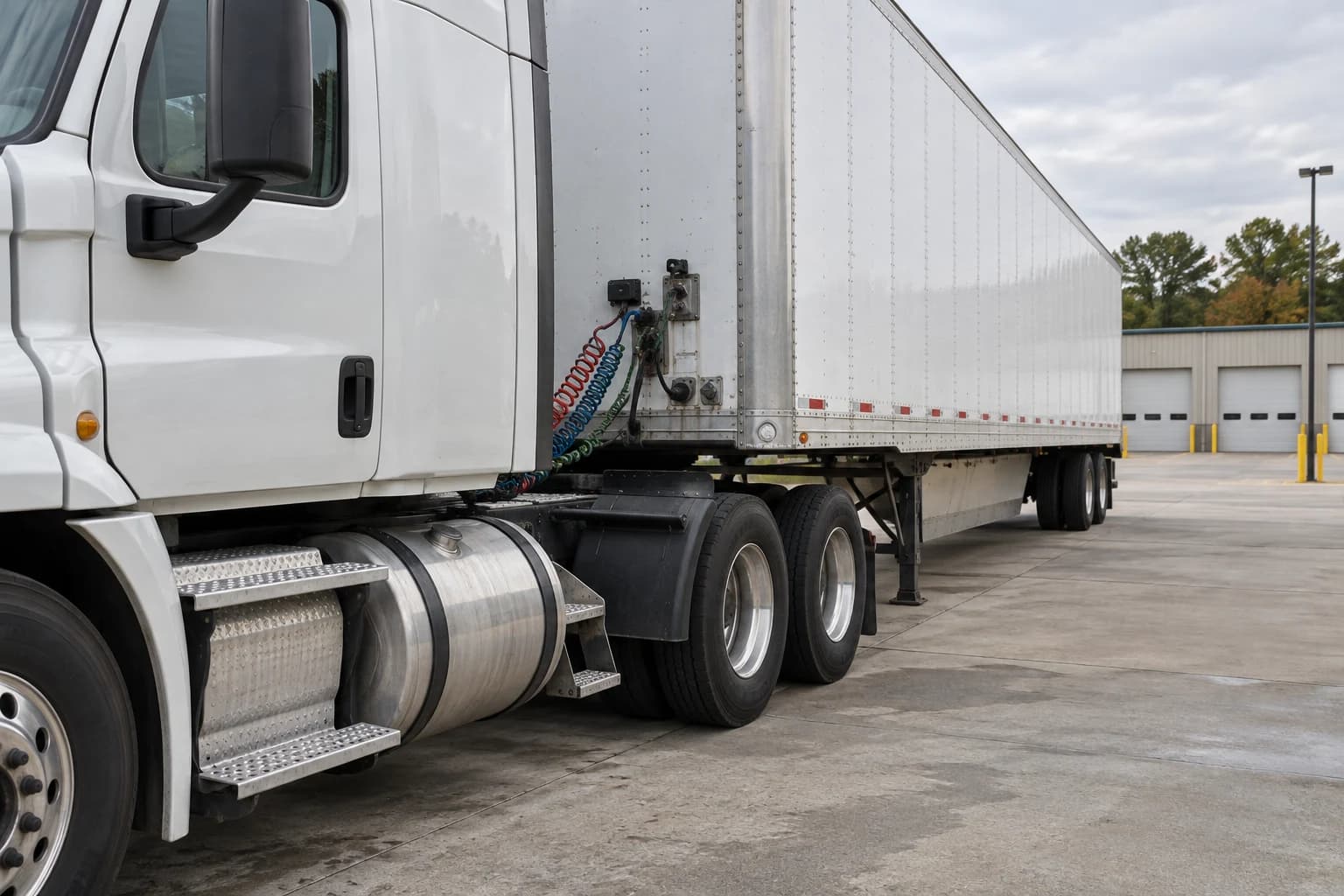
- Truck crash reconstruction is often more complex than reconstruction of a typical car accident.
- Experts may analyze ECM data, ELD records, GPS data, tire marks, crush damage, roadway evidence, photographs, inspection records, and maintenance history.
- Reconstruction can help prove what happened when the trucking company or insurer disputes fault.
- Early preservation matters because trucks may be repaired, electronic data may be overwritten, and scene evidence may disappear.
- An expert opinion is strongest when it is built from preserved evidence, not guesswork after the fact.
A serious semi-truck crash can leave everyone asking the same question: what actually happened? The trucking company may blame the injured driver. The insurance company may argue the crash was unavoidable. Witnesses may disagree. The police report may only tell part of the story.
That is where accident reconstruction can become important. Reconstruction experts use physical evidence, electronic data, vehicle inspections, roadway measurements, and engineering principles to analyze how a crash happened and who likely caused it.
Delventhal Law Office investigates serious truck crashes in Fort Wayne and throughout Indiana. If you were hurt in a semi-truck crash, visit our Fort Wayne truck accident attorney page or call (260) 484-6655 for a free consultation.
What does an accident reconstruction expert do?
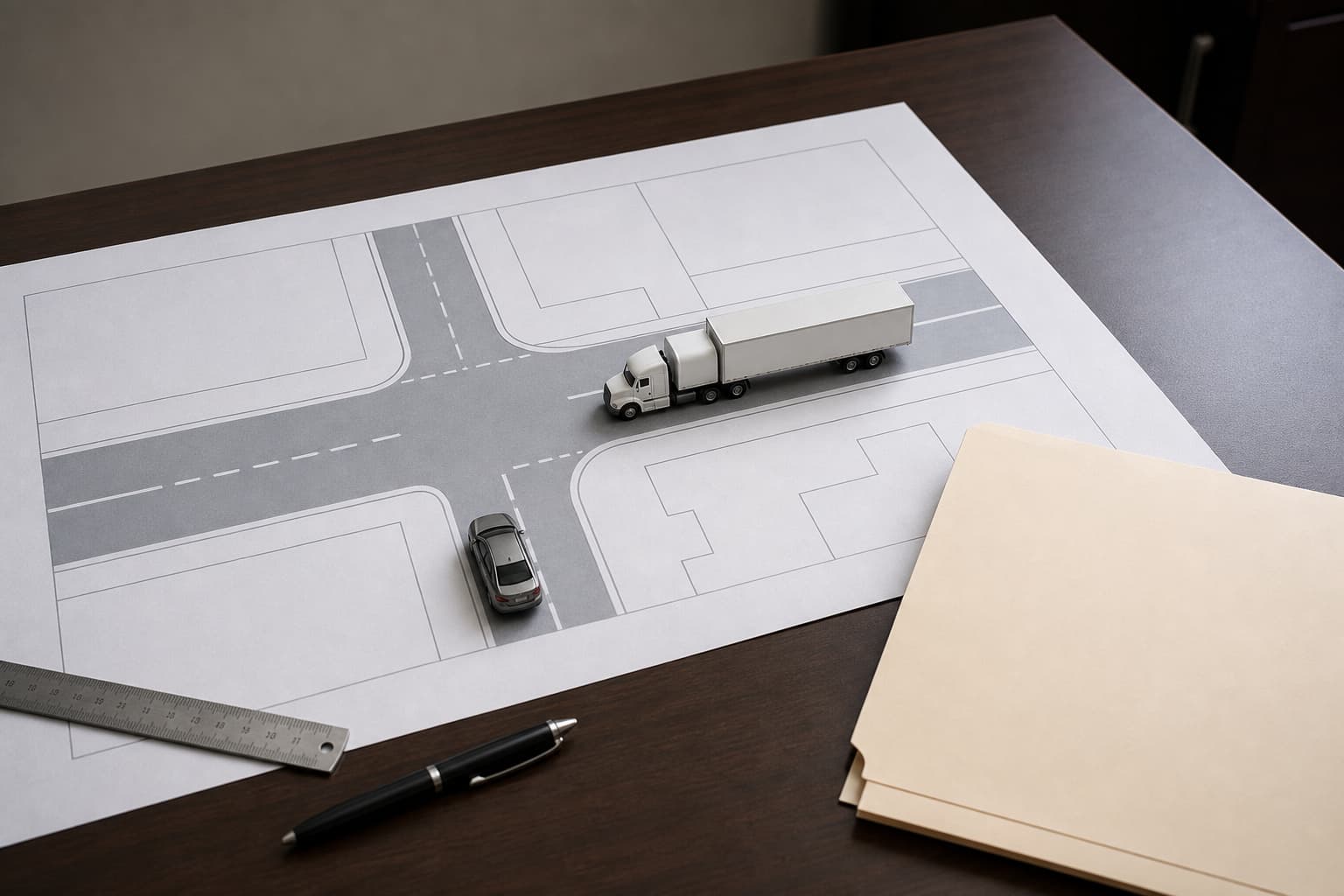
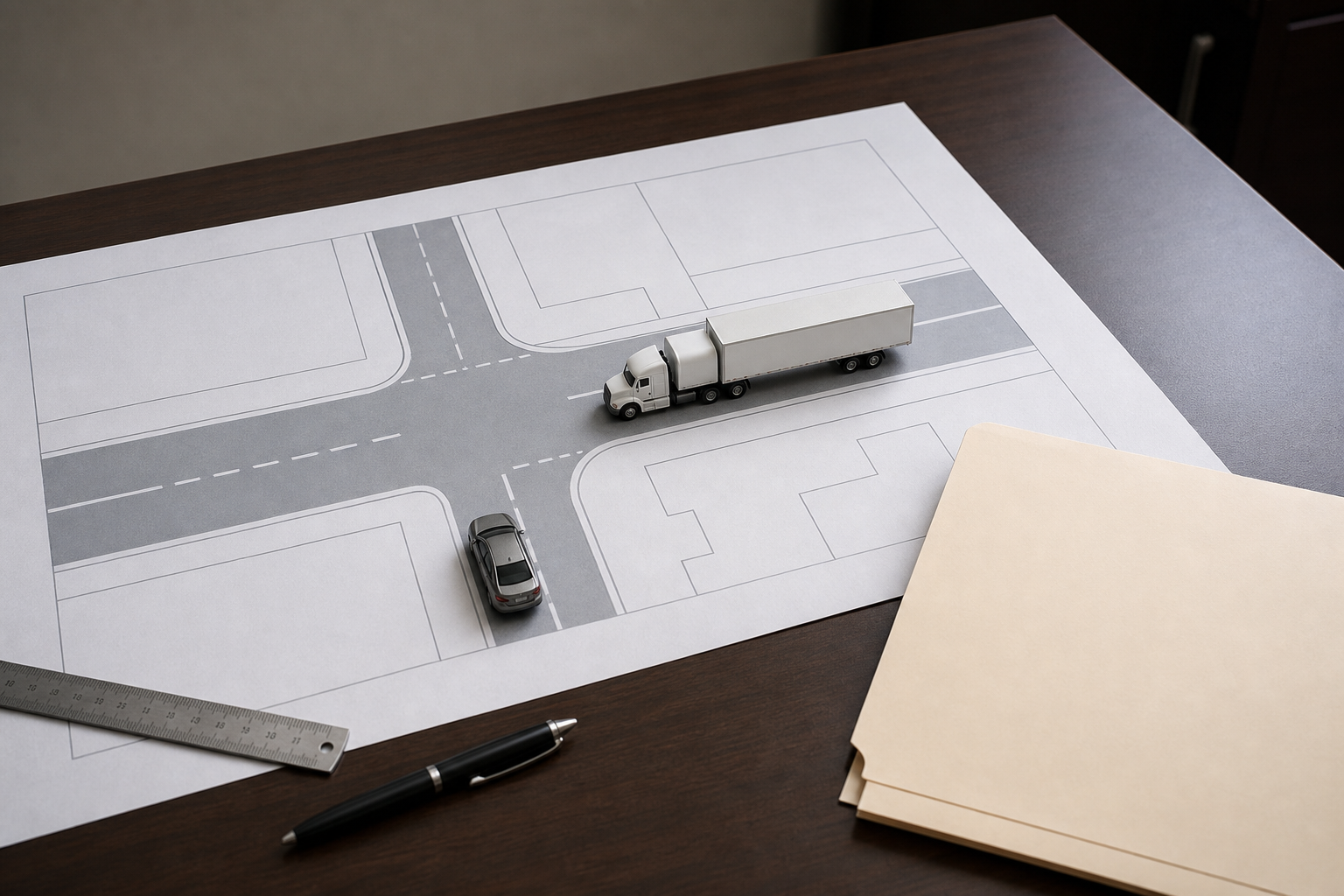
An accident reconstruction expert studies the available evidence and applies engineering, physics, and crash-analysis methods to determine how a collision occurred. In a truck case, that analysis may involve much more than looking at vehicle damage.
A reconstruction expert may evaluate:
- Vehicle speed before impact.
- Braking, steering, and evasive action.
- Stopping distance and perception-reaction time.
- Impact angle and point of impact.
- Lane position and roadway geometry.
- Visibility, lighting, weather, and road-surface conditions.
- Crush damage and vehicle deformation.
- Tire marks, gouge marks, debris fields, and rest positions.
- Truck weight, cargo load, and trailer movement.
- Electronic data from the truck, fleet systems, or nearby cameras.
The goal is not to make the case sound technical for its own sake. The goal is to answer the liability questions that matter: who had the right of way, who could have avoided the crash, whether the truck was being operated safely, and whether company decisions contributed to the collision.
Why reconstruction matters more in semi-truck cases
Truck crashes often involve larger vehicles, longer stopping distances, heavier loads, more complex braking systems, commercial-driver rules, and trucking-company records. A typical car accident investigation may not capture all of that.
For example, an ordinary police report might note that a semi-truck rear-ended a car. Reconstruction may help answer deeper questions: How fast was the truck traveling? Did the driver brake? Was the truck following too closely? Were the brakes properly maintained? Was the driver fatigued? Did the company pressure the driver to stay on schedule?
That is why truck cases should not be treated as routine car accident claims. For a broader comparison, see Why Truck Accident Claims Are Different From Car Accident Claims.
Physical evidence can tell a different story than the insurer
Insurance companies often move quickly after a serious truck crash. They may inspect the truck, talk to the driver, download data, photograph damage, and begin building a defense before the injured person has even left the hospital.
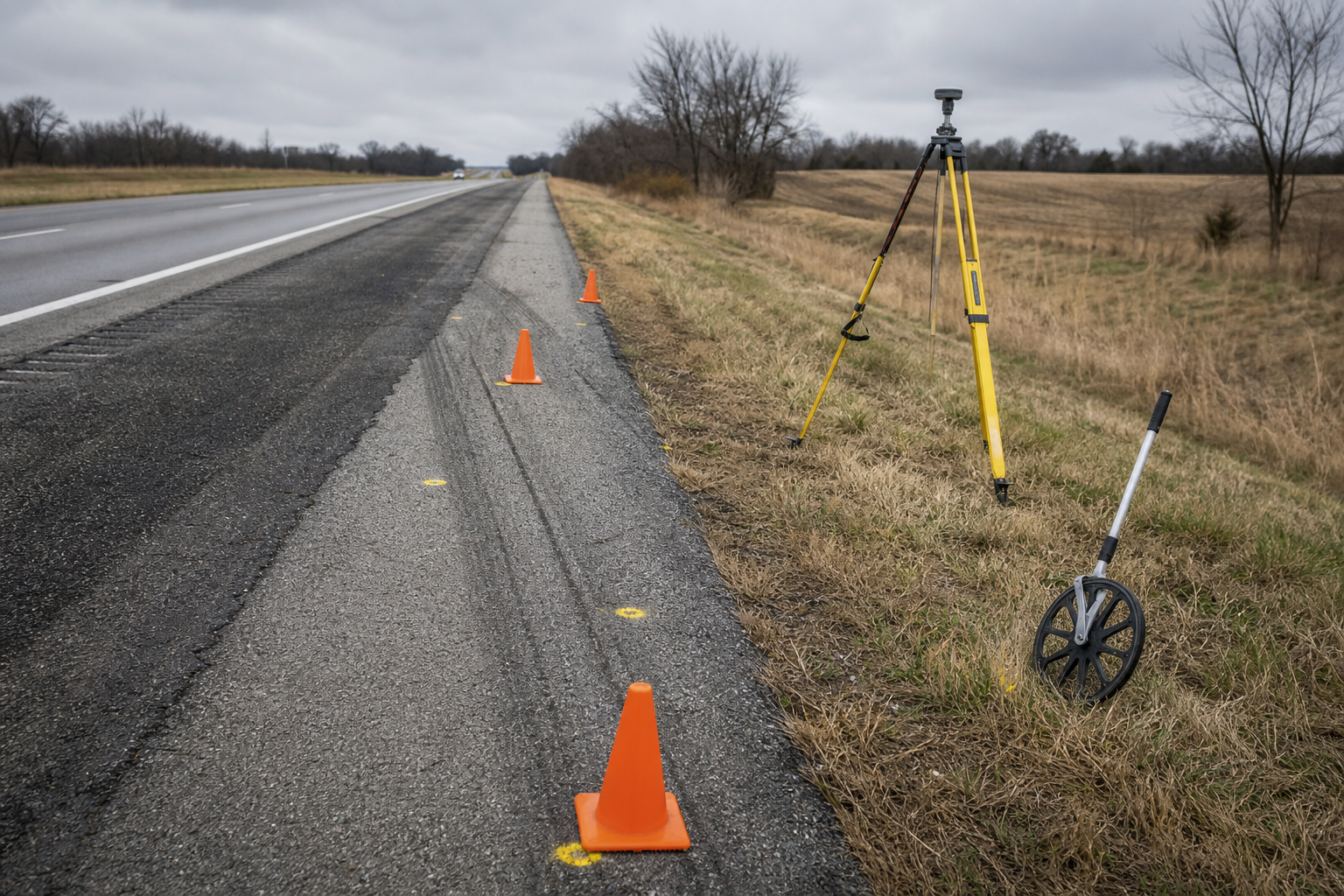
Physical evidence can push back against a one-sided version of events. Tire marks may show braking or a sudden lane change. Gouge marks may help identify the point of impact. Debris fields may show vehicle movement after impact. Crush damage can help estimate crash severity and angle. Vehicle rest positions can help test whether a driver’s story makes sense.
When reconstruction is done well, it can turn scattered evidence into a clear explanation of how the crash unfolded.

Electronic truck data can be critical
Modern commercial trucks and fleets may generate electronic evidence that can be extremely important in reconstruction. This can include engine control module data, electronic logging device records, GPS location history, fleet telematics, hard-braking events, dashcam video, and dispatch communications.
Federal rules can also make driver records relevant. 49 C.F.R. § 395.8[1] addresses driver records of duty status and ELD use for many commercial motor vehicle operations.[1] Those records may help evaluate fatigue, timing, route, and whether the driver was legally allowed to be driving.
Electronic data should be preserved quickly. Depending on the system, data may be overwritten, deleted, lost when equipment is repaired, or controlled by a company that is already preparing its defense.

Maintenance evidence may change the reconstruction
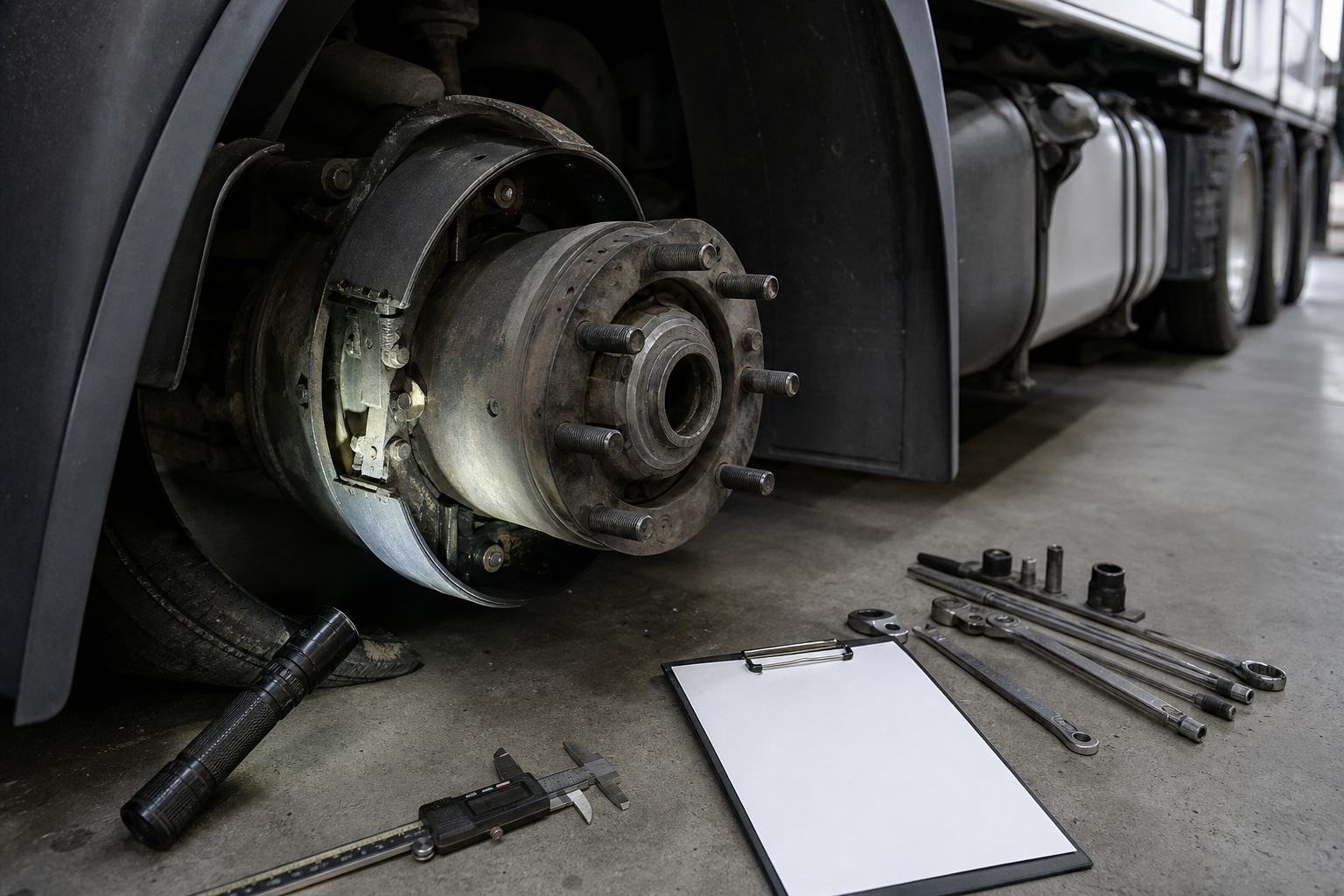
A reconstruction expert may also need to understand whether the truck itself performed properly. Brakes, tires, lights, mirrors, underride guards, steering components, and trailer systems can all matter.
Federal maintenance rules may be relevant. 49 C.F.R. § 396.3[2] addresses inspection, repair, and maintenance duties for motor carriers.[2] Driver inspection rules may also matter. 49 C.F.R. § 396.13[3] requires drivers, before driving, to be satisfied that the motor vehicle is in safe operating condition and to review certain inspection reports when required.[3]
If the brakes were out of adjustment, tires were unsafe, lights were defective, or an inspection issue was ignored, the reconstruction may point beyond the driver to the trucking company or maintenance contractor.
Examples of reconstruction questions in truck cases
Every case is different, but reconstruction often helps answer questions like:
- How fast was the truck going before impact?
- Did the driver brake, steer, or try to avoid the crash?
- Was the truck following too closely for its speed and load?
- Could the crash have been avoided if the driver reacted sooner?
- Did fatigue, distraction, or hours-of-service issues affect reaction time?
- Did brake failure, tire failure, cargo shift, or maintenance problems contribute?
- Did the truck make an unsafe lane change, wide turn, or backing movement?
- Was the injured driver visible to the truck driver?
- Did blind spots or no-zone issues contribute?
- Were the company’s driver, maintenance, or dispatch decisions part of the cause?
Related DLO truck-safety articles include Truck Brake Failures in Indiana: Who Is Responsible?, Truck Blind Spots and No-Zone Accidents in Indiana, and Improper Cargo Loading and Lost-Load Truck Accidents in Indiana.
Reconstruction can help connect company failures to the crash
A trucking company may try to frame a crash as a split-second driver mistake. Sometimes that is too narrow. Reconstruction may show that the crash was the predictable result of earlier company decisions: poor hiring, inadequate training, ignored maintenance, unsafe dispatching, fatigue pressure, or weak safety supervision.
For example, if the reconstruction shows the truck needed much more stopping distance than it had, the investigation may turn to following distance, speed, driver fatigue, brake condition, load weight, and company scheduling. If the reconstruction shows an unsafe lane change, the investigation may include mirrors, blind spots, driver training, and camera evidence.
That is why reconstruction should be integrated with the legal investigation, not treated as a separate technical exercise.

Why early legal action matters
Reconstruction is only as strong as the evidence available. That is why preservation letters, vehicle inspections, scene documentation, witness follow-up, and electronic-data requests should happen quickly after a serious truck crash.
Important evidence may include:
- The tractor, trailer, brakes, tires, lights, and safety equipment.
- ECM, ELD, GPS, fleet telematics, and dashcam data.
- Driver logs, dispatch records, and route records.
- Maintenance records, inspection reports, repair invoices, and driver vehicle inspection reports.
- Police photos, bodycam footage, 911 records, and nearby surveillance footage.
- Scene measurements, roadway photos, drone imagery, and witness statements.
- Company safety policies, training records, qualification files, and prior incident history.
Waiting too long can make reconstruction harder. The scene changes. Vehicles are moved or repaired. Data disappears. Witness memory fades. The trucking company’s version may become the default narrative unless the injured person’s side preserves and analyzes the evidence.
Do all truck accident cases need a reconstruction expert?
No. Some cases can be proven without a reconstruction expert, especially when liability is clear and damages are modest. But in serious injury, wrongful death, disputed fault, multi-vehicle, underride, brake-failure, blind-spot, fatigue, or cargo cases, reconstruction may be extremely important. You can use our Indiana car accident settlement calculator to organize the factors that may affect a claim’s value; it is an educational tool, not a promise of any result.
The decision depends on the facts, available evidence, injury severity, insurance coverage, disputed issues, and whether expert testimony would materially strengthen the claim.
Talk to a Fort Wayne truck accident lawyer
If you were hurt in a semi-truck crash, the trucking company and insurer may already be investigating. You should not have to guess what evidence exists or whether the crash story being told is complete.
Delventhal Law Office helps injured people in Fort Wayne and throughout Indiana after serious truck accidents. Call (260) 484-6655 or contact us online for a free consultation.
There is no fee unless we recover for you.
Frequently asked questions
What is accident reconstruction in a truck accident case?
Accident reconstruction is the process of analyzing physical evidence, vehicle damage, roadway conditions, electronic data, and witness information to determine how a truck crash happened and who likely caused it.
When is a reconstruction expert needed after a semi-truck crash?
A reconstruction expert may be needed when fault is disputed, injuries are serious, multiple vehicles are involved, electronic data matters, mechanical issues are suspected, or the trucking company’s version of events does not match the physical evidence.
What evidence do reconstruction experts use?
Experts may use tire marks, debris patterns, vehicle damage, rest positions, scene measurements, photos, video, ECM data, ELD logs, GPS records, maintenance records, inspection reports, and witness statements.
Can reconstruction prove the truck driver was speeding?
Sometimes. Speed may be evaluated through electronic data, physical evidence, braking marks, impact damage, video, GPS records, witness statements, and engineering analysis.
Why should truck evidence be preserved quickly?
Truck evidence can disappear quickly. Vehicles may be repaired, electronic data may be overwritten, dashcam video may be deleted, and scene evidence may change. Early preservation helps protect the proof needed for reconstruction.
Sources and further reading
[1] Electronic Code of Federal Regulations: 49 C.F.R. § 395.8, driver’s record of duty status[1]
[2] Electronic Code of Federal Regulations: 49 C.F.R. § 396.3, inspection, repair, and maintenance[2]
[3] Electronic Code of Federal Regulations: 49 C.F.R. § 396.13, driver inspection[3]
[4] Federal Motor Carrier Safety Administration: FMCSA regulations and interpretations[4]