Key takeaways
- Indiana property owners owe a duty of reasonable care to people they invite onto their property.
- A negligent security claim usually turns on foreseeability: whether the owner knew or should have known of a risk of violent crime.
- Prior incidents, the surrounding area, and the property's history can all bear on foreseeability.
- Reasonable measures may include lighting, working locks, cameras, trained staff, and appropriate security depending on the risk.
- The attacker remains responsible for the crime; a negligent security claim is a separate question about the property owner's own failures.
When someone is attacked in a parking lot, apartment complex, bar, hotel, store, or other property, the first and most important responsibility belongs to the person who committed the crime. But that is not always the end of the story. Indiana law recognizes that property owners have a duty to take reasonable steps to protect people from foreseeable harm, and in some situations a business or landlord may share responsibility for failing to provide reasonable security.
These claims are sensitive and legally complex. They are not about blaming a business for something no one could have predicted. They are about situations where the danger was foreseeable and reasonable precautions were ignored. This article explains, in plain language, how Indiana negligent security claims generally work and what an injured person should understand.
Delventhal Law Office helps injured people in Fort Wayne and throughout Indiana. If you or a loved one was hurt in an attack on someone else's property, call (260) 484-6655 for a free consultation.
What is a negligent security claim?
Negligent security is a type of premises liability claim. Premises liability is the area of law that governs when a property owner can be responsible for injuries that happen on their property. Most premises cases involve hazards like wet floors, ice, or poor lighting. A negligent security case is different because the immediate cause of harm is a third person's criminal act, such as an assault, robbery, or shooting.
The claim is not that the property owner committed the crime. The claim is that the owner failed to take reasonable security precautions against a foreseeable risk, and that failure helped allow the harm to occur. For a broader look at premises duties in Indiana, see our guide on the difference between an invitee, licensee, and trespasser in Indiana premises liability, which explains how a visitor's status affects the duty owed.
The property owner's duty in Indiana
Indiana courts have recognized that landowners have a duty to take reasonable care to protect invitees against foreseeable criminal acts by third parties in some circumstances. In Goodwin v. Yeakle's Sports Bar & Grill, the Indiana Supreme Court addressed how foreseeability is evaluated when deciding whether a business owed a duty to protect a patron from the criminal act of another person.[1] The court's analysis focused on whether the type of harm was foreseeable in the context of the broad type of plaintiff and harm involved.
In a later decision, Cavanaugh's Sports Bar & Eatery v. Porterfield, the Indiana Supreme Court further discussed when a business's duty to protect patrons from third-party criminal acts arises and how foreseeability is analyzed.[2] These cases show that Indiana does not impose automatic liability whenever a crime happens on a property. Instead, courts carefully examine foreseeability and the reasonableness of the owner's conduct.
Because these are nuanced, fact-specific legal questions that continue to be shaped by Indiana appellate courts, anyone considering a negligent security claim should have the specific facts reviewed by an attorney. General information cannot substitute for a careful legal analysis of a particular incident.
Foreseeability and prior incidents
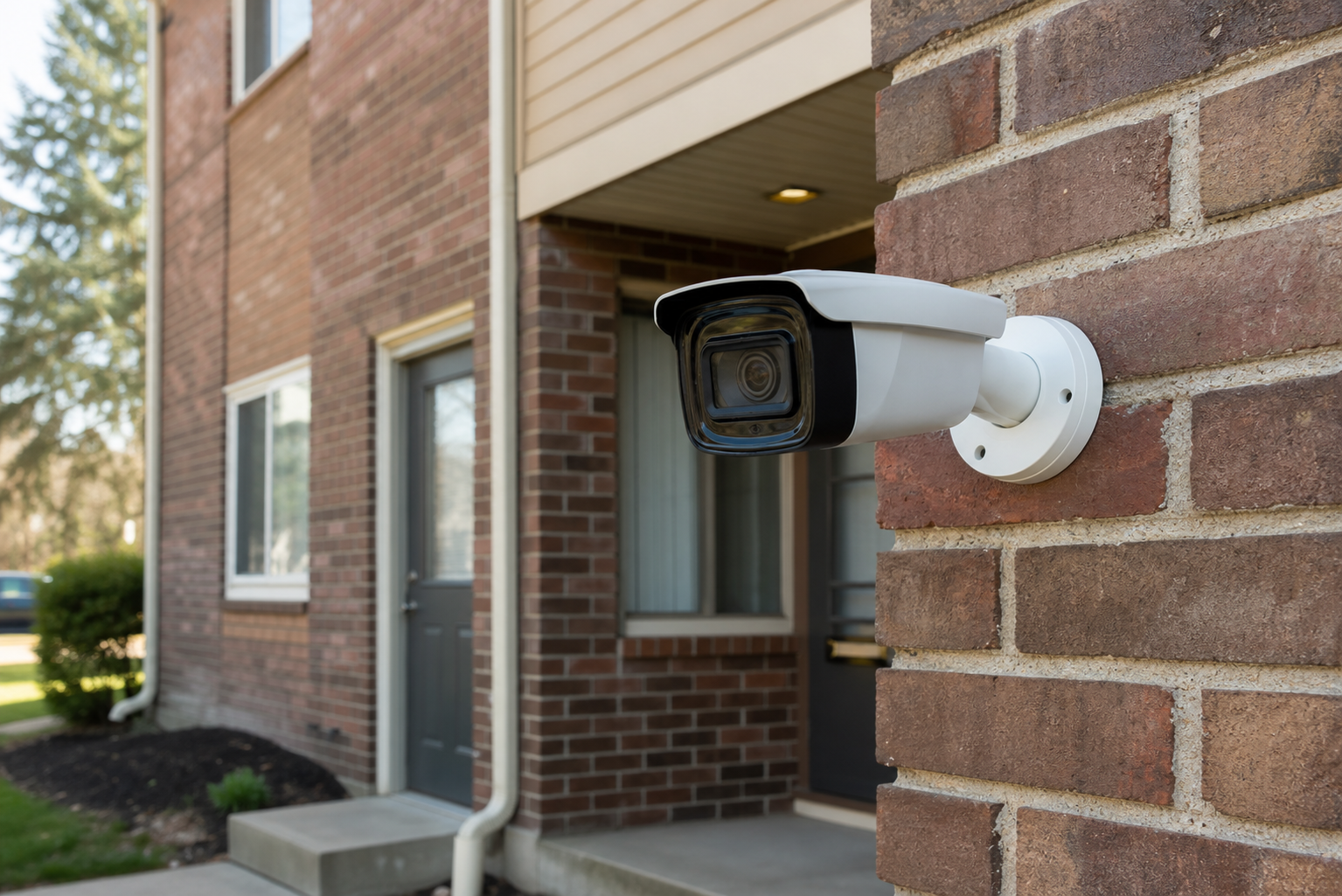
Foreseeability is often the heart of a negligent security case. The general question is whether the property owner knew or should have known of a risk of the kind of harm that occurred. Evidence that can bear on foreseeability may include:
- Prior violent crimes or serious incidents on the property.
- Prior incidents at similar nearby properties or in the immediate area.
- Complaints, warnings, or reports made to the owner or staff.
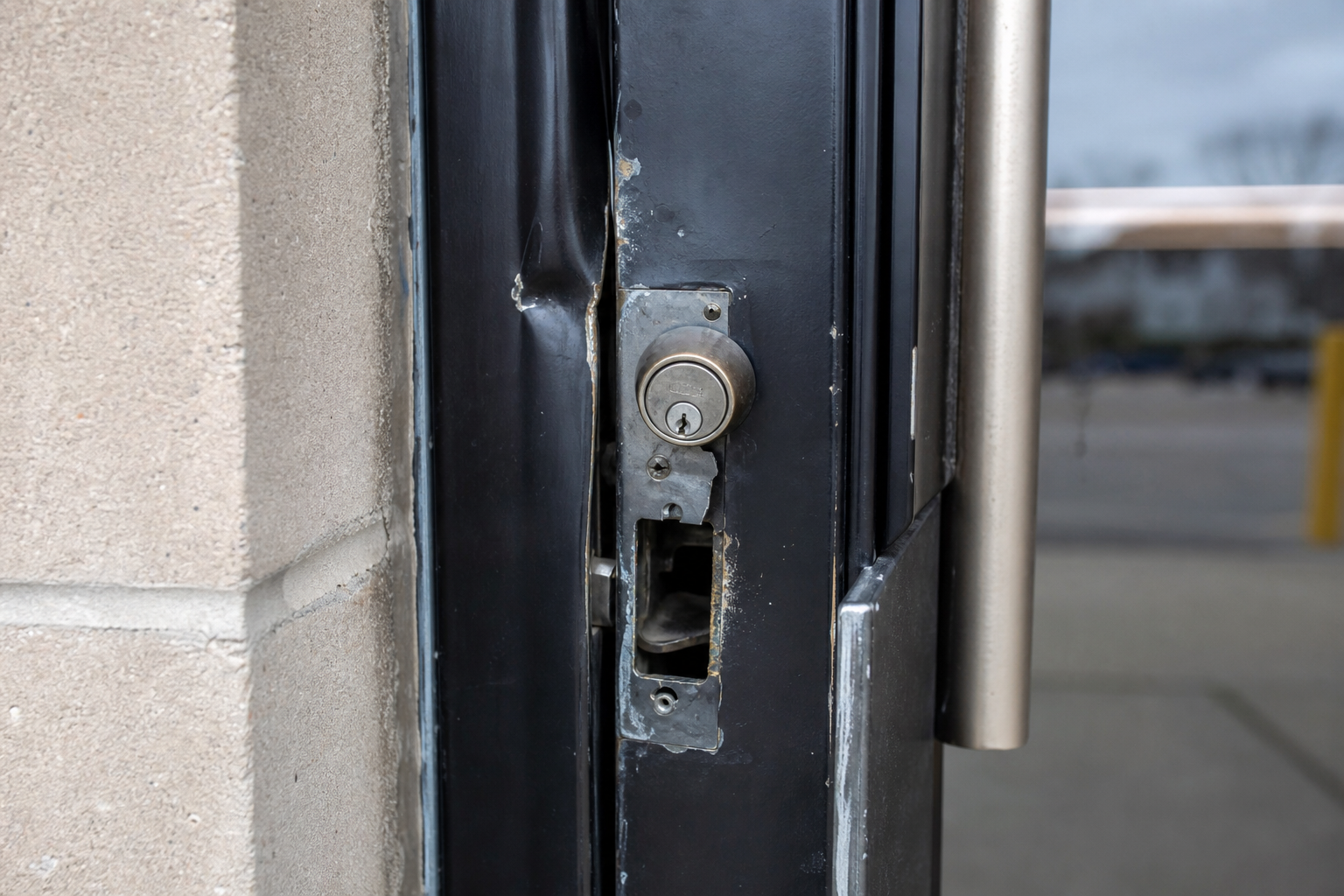
- Known problems such as broken locks, disabled cameras, or unlit areas.
- The general nature and use of the property and its surroundings.
Foreseeability does not require that the exact crime was predicted. But Indiana courts have made clear that not every crime is foreseeable simply because it was possible. The analysis is careful and specific, which is why the property's history and the surrounding circumstances often become central to the case.
Reasonable security measures by property type
What counts as reasonable security depends on the property, the risk, and the circumstances. There is no single checklist that applies everywhere. The table below is a general, educational overview of the kinds of measures that are often discussed in negligent security matters. It is not a legal standard and does not describe what any specific property was required to do.
| Property type | Common risk situations | Security measures often discussed |
|---|---|---|
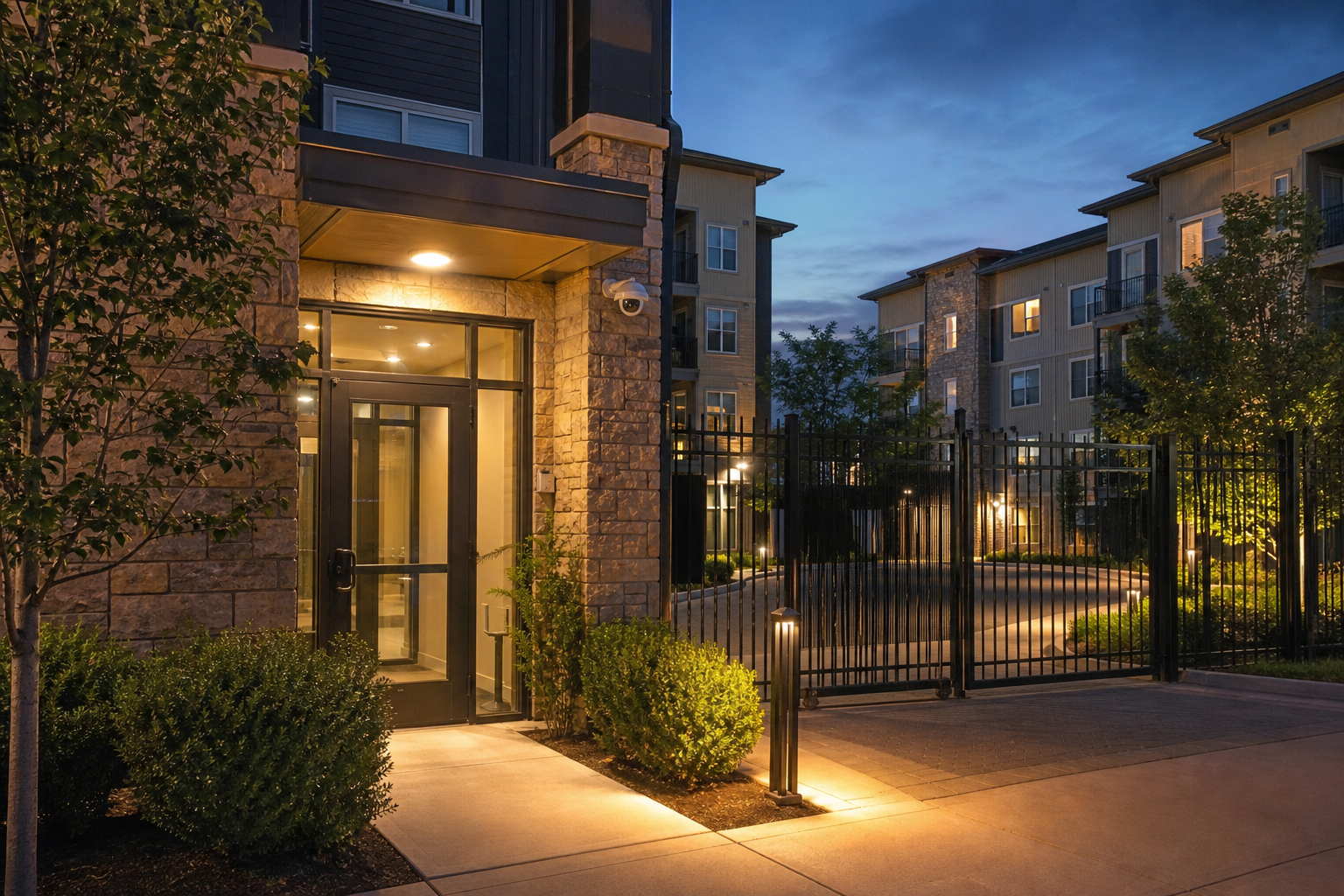
| Apartment or rental complex | Parking lots, stairwells, entries, common areas at night | Working locks and gates, exterior lighting, functioning cameras, controlled access, prompt repairs |
| Bar, club, or restaurant | Closing time, intoxicated patrons, prior fights or disturbances | Trained staff, appropriate security personnel, lighting, monitoring, response to known conflicts |
| Hotel or motel | Parking areas, hallways, room access, isolated entries | Key-controlled access, lighting, cameras, staffing, response to prior incidents |
| Retail store or shopping center | Parking lots, ATMs, isolated entrances | Lighting, cameras, patrols where warranted, response to a pattern of incidents |
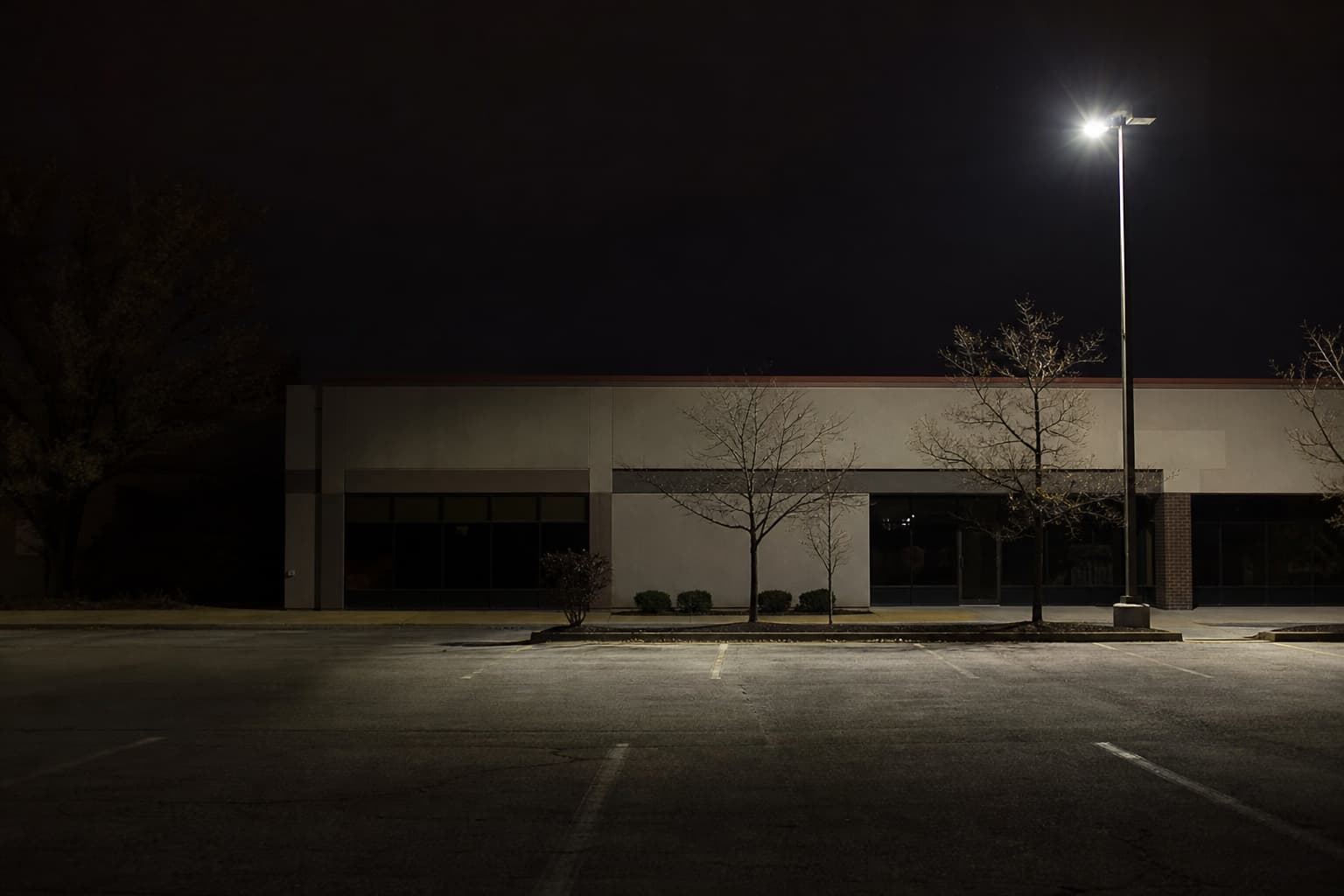
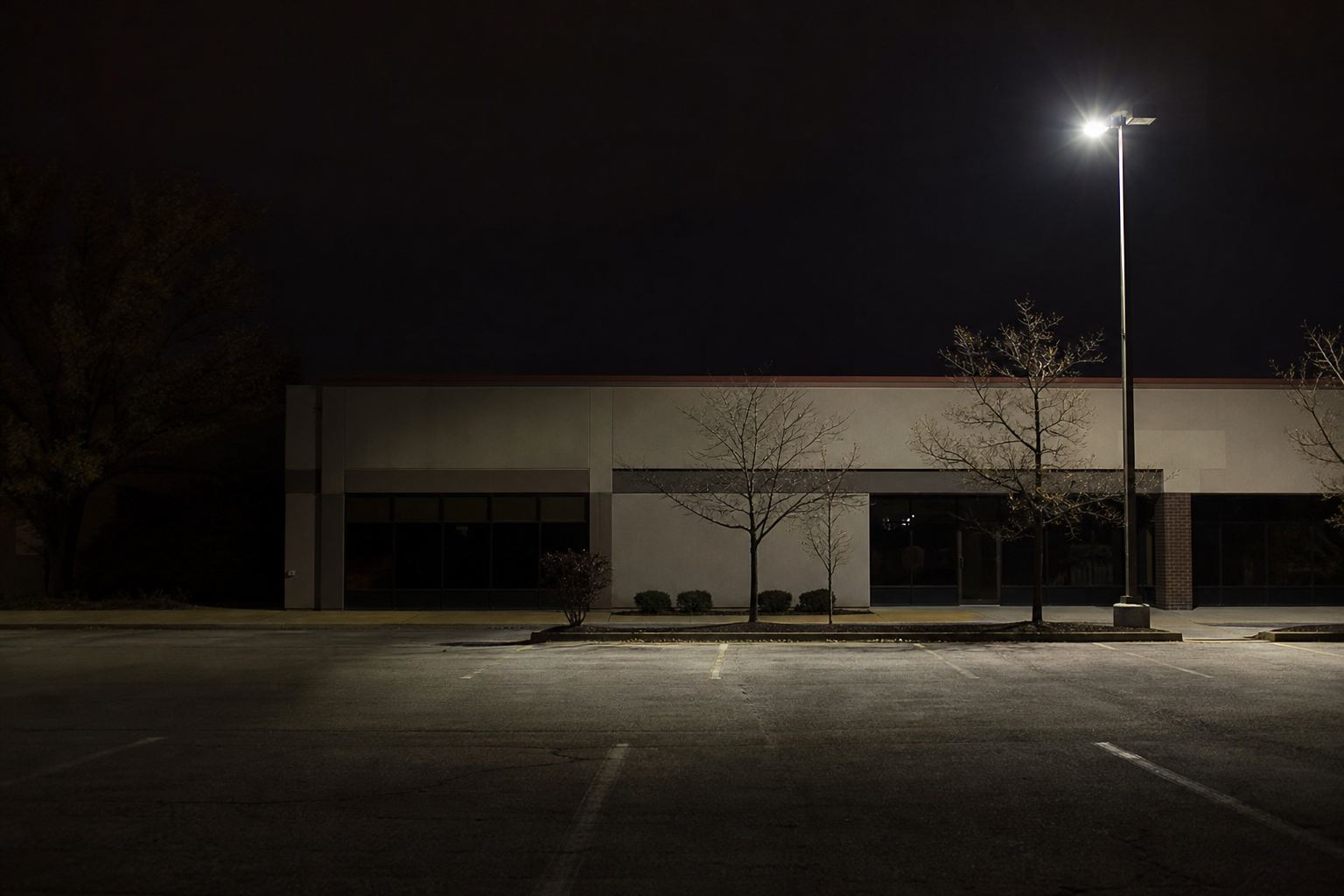
| Parking garage or lot | Low visibility, isolated levels, poor lighting | Lighting, cameras, access control, patrols depending on risk and history |
The point is not that every property must have every measure. It is that a reasonable owner responds sensibly to known and foreseeable risks. When an owner ignores obvious dangers, disables safety measures, or fails to fix known problems, those failures can become important evidence.
Where negligent security claims arise
Negligent security claims can arise in many settings across Fort Wayne and Allen County, including apartment complexes, bars and nightclubs, hotels, retail parking lots, parking garages, ATMs, event venues, and other commercial properties. What these settings have in common is that people are invited onto the property and rely, at least in part, on the owner to take reasonable steps to keep the premises safe.
Because these cases often involve serious injuries, they can overlap with other injury categories. If an attack results in a death, the case may also involve Indiana wrongful death principles. Our overview of the difference between a survival action and a wrongful death claim in Indiana explains how the law treats claims after a fatal incident.
Proving a negligent security case
Negligent security cases are evidence-intensive, and important proof can disappear quickly. A prompt investigation is often essential. Evidence that may matter includes:
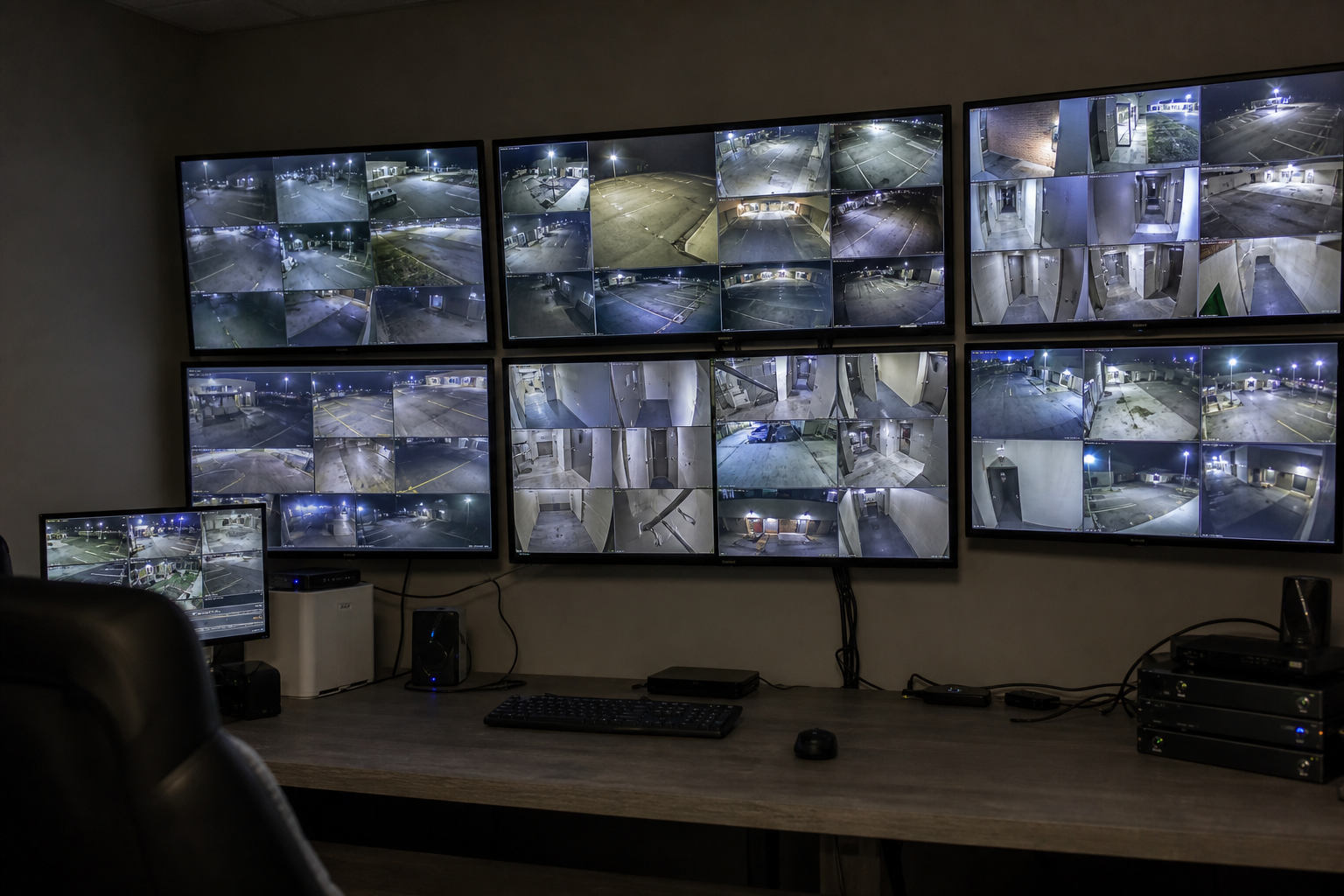
- Surveillance and camera footage from the property and nearby businesses.
- Prior incident reports, police calls, and crime history for the property and area.
- Complaints, work orders, and maintenance records for locks, lighting, and cameras.
- Security policies, staffing records, and contracts with security vendors.
- Photographs of lighting, entrances, locks, and the scene.
- Witness statements and the police report from the incident.
- Medical records documenting the injuries.
Surveillance footage is often recorded over within days, and businesses may not preserve it unless they are asked to. That is one reason it is important to act quickly and, when possible, to have a lawyer send a preservation demand. Our guide on preserving video evidence explains why footage can be decisive and why waiting can cost you.
The attacker is still responsible
A negligent security claim does not excuse or minimize the person who committed the crime. The attacker remains responsible for the criminal conduct, and a criminal case may proceed separately. A civil negligent security claim asks a different question: whether the property owner also failed in its own duty to take reasonable precautions against a foreseeable risk.
Indiana's comparative fault system can also come into play, and how fault is allocated among different parties can be complex. Our article on Indiana's 51 percent fault rule explains the general framework, though negligent security cases can raise additional issues about how responsibility is divided. An attorney can explain how these principles apply to a specific situation.
What to do after an attack on someone else's property
- Get to safety and call 911. Your health and safety come first.
- Get medical care and follow the recommended treatment.
- Report the incident so there is an official record, and get the report number.
- If it is safe, photograph the scene, including lighting, entrances, locks, and any broken or missing security features.
- Get names and contact information for any witnesses.
- Note any cameras on the property or nearby that may have captured the incident.
- Keep medical records, bills, and any communications about the incident.
- Contact a lawyer promptly so surveillance footage and other evidence can be preserved before it is lost.

How long you have to act
Indiana's general personal injury statute of limitations is often two years under Indiana Code § 34-11-2-4[1].[3] But the practical deadline to preserve surveillance footage and other evidence is far shorter, sometimes only days.
If the property is owned or controlled by a government entity, such as a public housing authority or a government-owned facility, shorter notice deadlines under the Indiana Tort Claims Act may apply.[4] Our guide on the government tort claim notice in Indiana explains why those deadlines can be much shorter and easy to miss.
Talk to a Fort Wayne premises liability lawyer
If you or someone you love was seriously hurt in an attack on another person's property, you may be facing medical bills, lost income, and a long recovery while also dealing with the trauma of what happened. A negligent security claim is a careful, fact-specific inquiry, and an early investigation can preserve the evidence that these cases depend on. You can use our Indiana car accident settlement calculator to organize the factors that may affect a claim’s value; it is an educational tool, not a promise of any result.
Delventhal Law Office can review what happened, explain whether a claim may exist, and help you understand the deadlines that may apply. Call (260) 484-6655 or contact us online to schedule a free case evaluation. There is no fee unless we recover for you.
Negligent security claims are one kind of Indiana personal injury case. Our Fort Wayne personal injury attorney page explains Indiana's filing deadlines, the comparative fault rule, and the damages Indiana law allows.
Frequently asked questions
Can a business really be liable for a crime committed by someone else?
In some circumstances, yes. Indiana property owners owe a duty of reasonable care to people lawfully on their property. When a violent crime is foreseeable and the owner failed to take reasonable security measures, the owner may share responsibility. The attacker remains responsible for the crime.
What does foreseeable mean in a negligent security case?
Generally, it means the property owner knew or should have known of a risk of the kind of harm that occurred. Prior incidents, complaints, the surrounding area, and known problems like broken locks or disabled cameras can all bear on foreseeability. Not every crime is legally foreseeable.
What kind of security is a property owner required to have?
There is no single checklist. What is reasonable depends on the property, the risk, and the circumstances. Lighting, working locks, cameras, access control, and trained staff are examples of measures that may be relevant, but the specific requirements are fact-dependent.
What evidence matters most in these cases?
Surveillance footage, prior incident and crime history, complaints and maintenance records, security policies and staffing, photographs, witness statements, and the police report can all matter. Footage in particular can be lost quickly, so prompt action is important.
How long do I have to bring a claim in Indiana?
Indiana's general personal injury deadline is often two years, but evidence should be preserved much sooner. If a government entity owns or controls the property, shorter tort-claim notice deadlines may apply.
Sources and further reading
[1] Indiana Supreme Court: Goodwin v. Yeakle's Sports Bar & Grill, Inc., 62 N.E.3d 384 (Ind. 2016)[2]
[2] Indiana Supreme Court: Cavanaugh's Sports Bar & Eatery, Ltd. v. Porterfield, 140 N.E.3d 837 (Ind. 2020)[3]
[3] Indiana General Assembly: Indiana Code § 34-11-2-4, injury to person or character[1]
[4] Indiana General Assembly: Indiana Tort Claims Act notice provisions, Indiana Code § 34-13-3-8 and § 34-13-3-6[4]
Sources
- Indiana Code § 34-11-2-4 (iga.in.gov) ↩
- Goodwin v. Yeakle's Sports Bar & Grill, Inc., 62 N.E.3d 384 (Ind. 2016) (law.justia.com) ↩
- Cavanaugh's Sports Bar & Eatery, Ltd. v. Porterfield, 140 N.E.3d 837 (Ind. 2020) (law.justia.com) ↩
- Indiana Tort Claims Act notice provisions, Indiana Code § 34-13-3-8 and § 34-13-3-6 (iga.in.gov) ↩