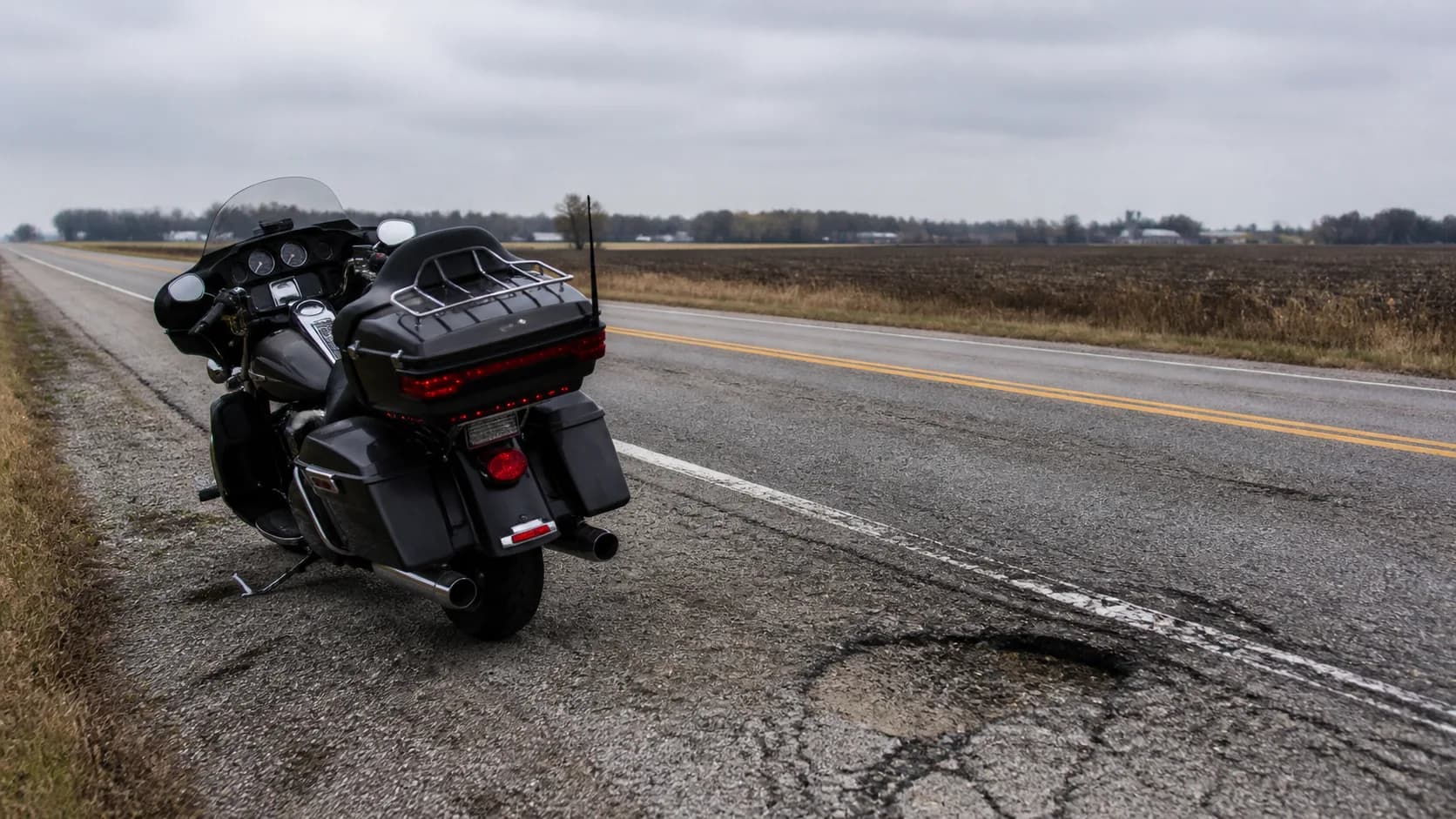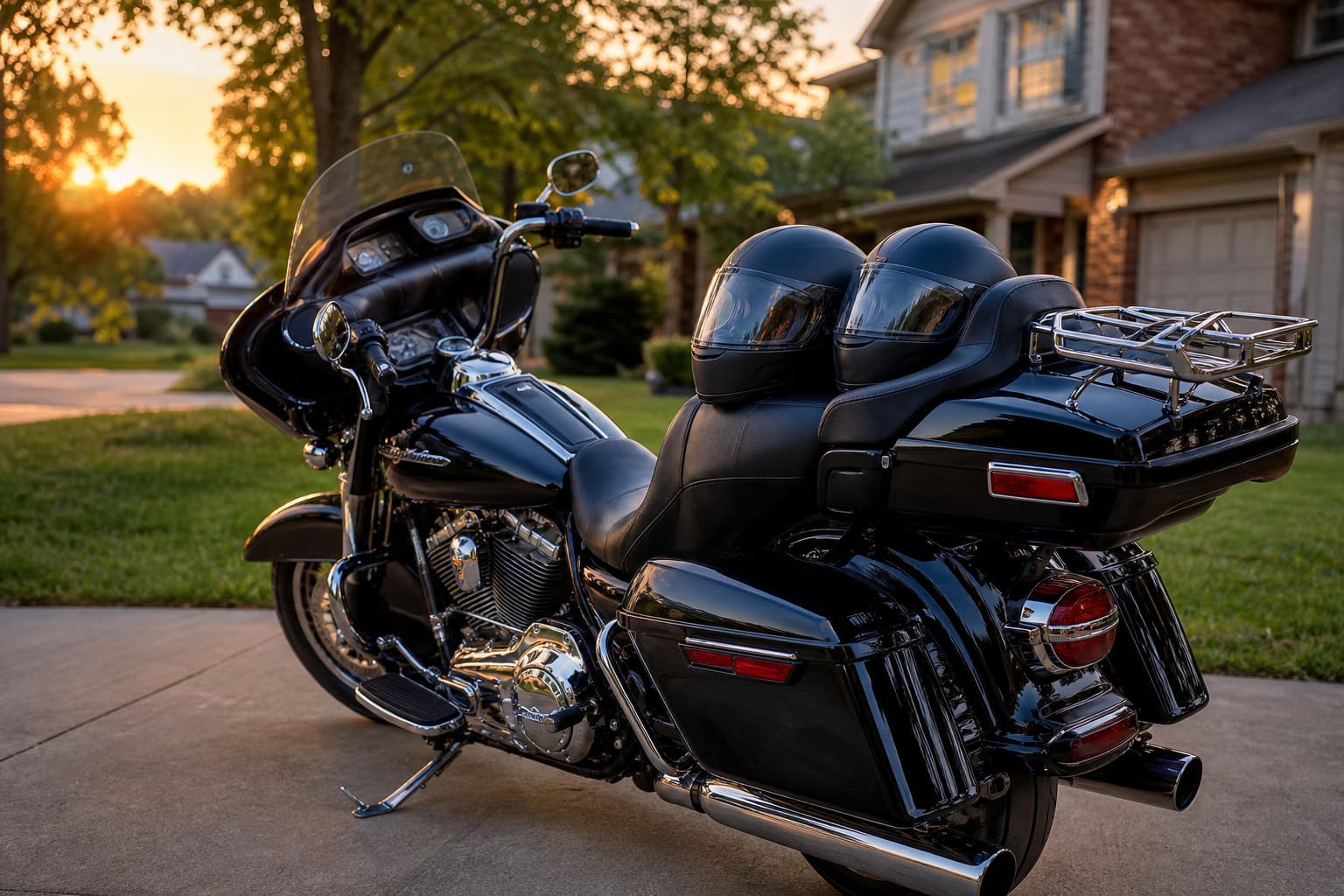
Motorcycle passengers can suffer severe injuries even when they had no control over the crash. They did not choose the speed of an oncoming car. They did not make the left turn. They did not fail to yield. They did not decide how close another vehicle followed. But after the crash, they may still face medical bills, missed work, pain, scarring, and pressure from insurance companies.
Passenger claims can be complicated because there may be more than one possible source of recovery. The at-fault driver’s insurance may apply. The motorcycle operator’s insurance may apply. Uninsured or underinsured motorist coverage may apply. Medical payments coverage may apply. In some cases, a passenger may need to make a claim involving a friend, family member, or romantic partner who was operating the motorcycle.
Delventhal Law Office helps injured motorcycle passengers in Fort Wayne and throughout Indiana identify all available coverage and pursue fair compensation. If you were hurt, visit our Fort Wayne motorcycle accident attorney page or call (260) 484-6655 for a free consultation.
Key takeaways
- Motorcycle passengers may have claims against one or more at-fault parties.
- A passenger claim may involve the other driver, the motorcycle operator, or both.
- Insurance coverage can include liability, uninsured motorist, underinsured motorist, and medical payments coverage.
- Indiana passenger claims still require proof of fault, causation, injuries, and damages.
- Passengers should preserve evidence, document injuries, and avoid assuming the first insurance offer accounts for all available coverage.
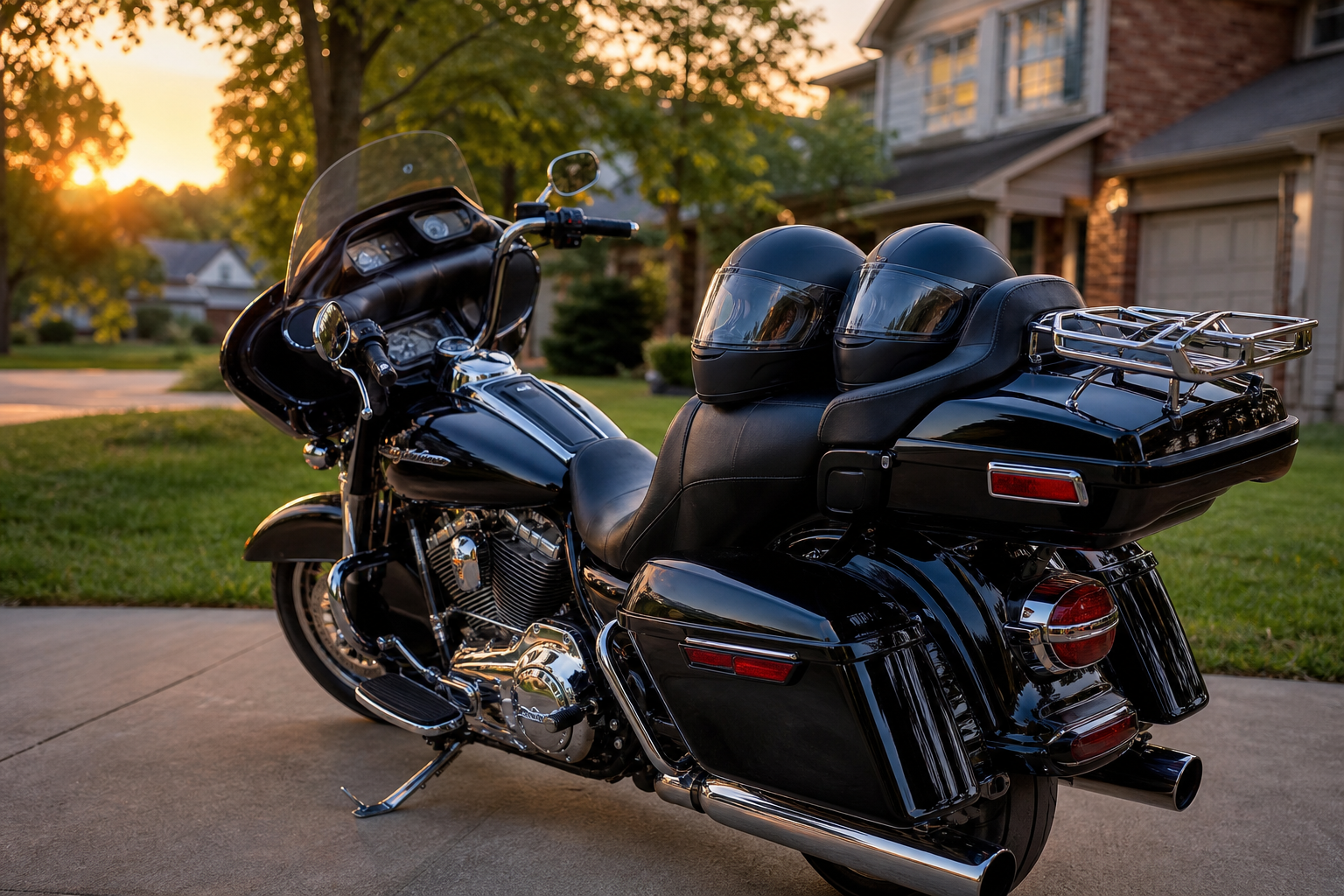
Who can an injured motorcycle passenger make a claim against?
An injured passenger may have a claim against anyone whose negligence caused or contributed to the crash. Depending on the facts, that may include:
- The driver of another car, truck, SUV, or commercial vehicle.
- The motorcycle operator.
- A rideshare, delivery, trucking, or employer defendant.
- A road contractor, city, county, or state agency if a dangerous road condition contributed.
- A vehicle owner who negligently entrusted a vehicle.
- A product manufacturer if a defect contributed to the crash or injuries.
If a government body or employee may be involved, review our Indiana government tort claim notice guide, because notice deadlines can be much shorter than the ordinary injury filing period.
The passenger does not need to choose only one theory at the beginning. A careful investigation should identify every party who may be responsible and every policy that may provide coverage.
Can a passenger make a claim against the motorcycle operator?
Yes, if the motorcycle operator’s negligence caused or contributed to the crash. That can feel uncomfortable when the operator is a friend, family member, spouse, or significant other. But a claim is usually made against insurance coverage, not against someone’s personal wallet unless coverage is unavailable or insufficient.
Examples of operator negligence may include speeding, unsafe passing, impaired riding, distracted riding, following too closely, losing control, riding with unsafe equipment, or carrying a passenger on a motorcycle not set up for passenger use.
Claims against another driver
Many motorcycle passenger injuries happen because another driver failed to see the motorcycle or violated the right-of-way. Common examples include:
- Left-turn crashes.
- Failure-to-yield collisions.
- Rear-end crashes.
- Unsafe lane changes.
- Distracted driving.
- Speeding.
- Running a red light or stop sign.
- Truck blind spot or no-zone crashes.
In those cases, the passenger may have a claim against the other driver’s liability insurance. If the other driver has too little insurance, underinsured motorist coverage may become important.
For related issues, see When Cars Fail to Yield, Motorcyclists Suffer the Consequences in Indiana and Why Intersection Crashes Are So Deadly for Motorcycle Riders in Indiana.
Insurance coverage that may help a motorcycle passenger
Passenger injury claims often require a full coverage review. Potential sources may include:
- Other driver liability coverage: pays when another driver caused the crash.
- Motorcycle operator liability coverage: may apply if the motorcycle operator was at fault.
- Uninsured motorist coverage: may apply if the at-fault driver had no insurance or fled the scene.
- Underinsured motorist coverage: may apply if the at-fault driver’s limits are too low for the injuries.
- Medical payments coverage: may help with medical bills regardless of final fault, depending on the policy.
- Health insurance: may pay medical bills subject to liens, reimbursement, or subrogation.

Can the insurance company blame the passenger?
Sometimes insurers try. They may argue the passenger knew the operator was unsafe, failed to wear a helmet, distracted the rider, got on a motorcycle with an impaired operator, or ignored obvious danger.
Those arguments are fact-specific. A passenger is not automatically responsible for the operator’s choices. The insurer must connect the alleged passenger conduct to the crash or injuries.
Indiana comparative fault rules can affect many negligence cases. Under Indiana Code chapter 34-51-2, fault can reduce recovery, and in many ordinary negligence cases a claimant found more than 50% at fault may be barred from recovery.[1]
What if the passenger was not wearing a helmet?
Helmet use may become an issue, especially for head, face, skull, neck, dental, or brain injuries. But not wearing a helmet does not automatically prove the passenger caused the crash. The more precise question is whether helmet nonuse caused or worsened a specific injury.
For more on that issue, see Can I Still Get Compensation If I Wasn’t Wearing a Helmet in Indiana?.

Passenger seating, footrests, and safety equipment
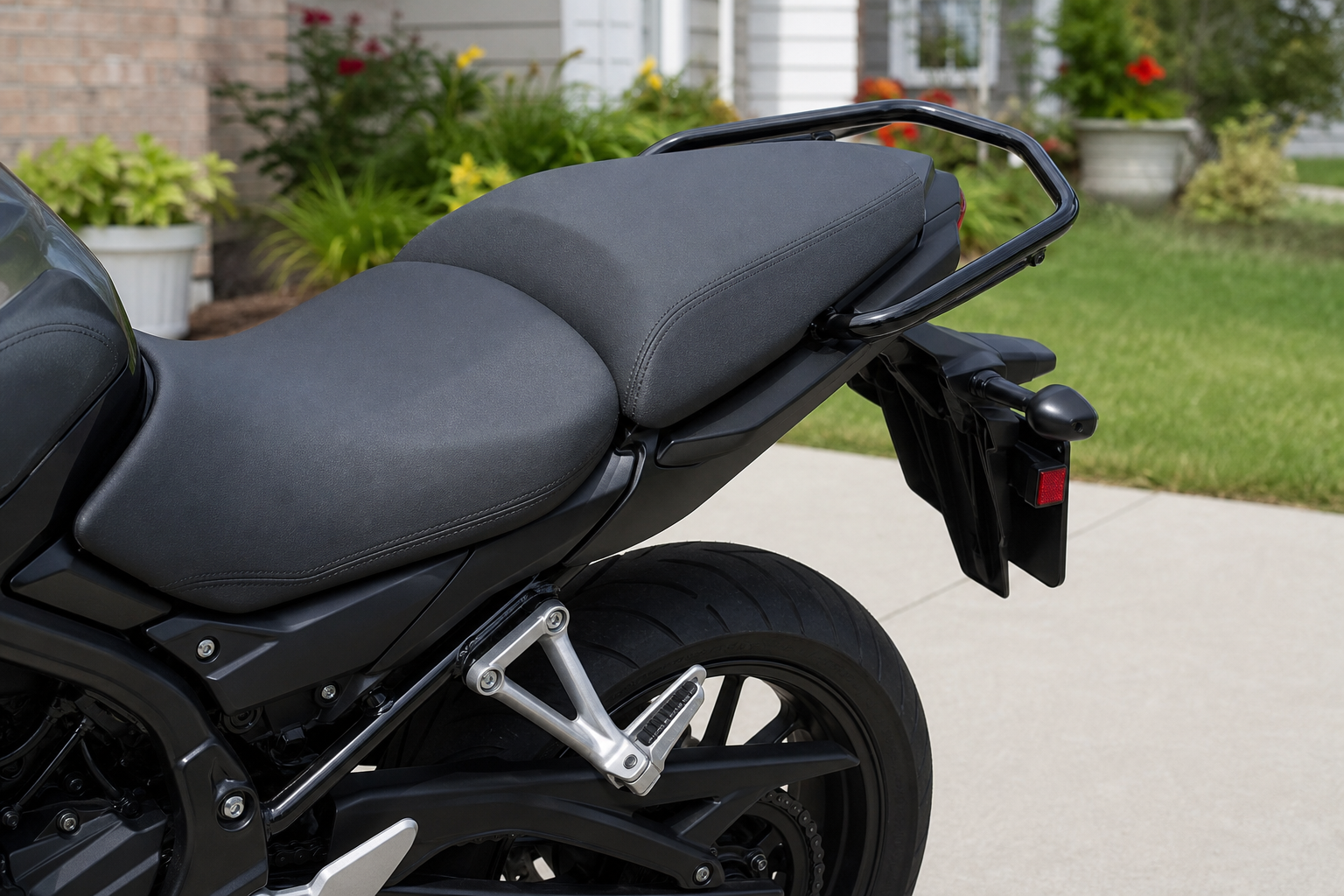
Indiana motorcycle rules include passenger-related requirements. Indiana Code chapter 9-21-10 addresses motorcycles and motor driven cycles, including passenger seating and lane-use rules.[2] Public summaries of Indiana law note that passenger issues may involve proper passenger seating, footrests, and whether the motorcycle was equipped to carry a passenger.
These details may matter if the insurer argues the motorcycle was not properly equipped or the operator should not have carried a passenger. The actual motorcycle setup, passenger seat, pegs, grab rails, and equipment should be documented before repairs or storage changes occur.
Common motorcycle passenger injuries
Motorcycle passengers may suffer serious injuries because they have little protection and no control over braking, steering, or evasive movement. Common injuries include:
- Traumatic brain injury and concussion.
- Neck and back injuries.
- Road rash, burns, and scarring.
- Broken legs, ankles, wrists, arms, ribs, or collarbones.
- Shoulder, knee, and hip injuries.
- Internal injuries.
- Dental, facial, and eye injuries.
- Psychological trauma, anxiety, and sleep problems.
Passengers should get medical care promptly and keep records of symptoms, treatment, missed work, activity limits, and how injuries affect daily life.
Evidence that helps a motorcycle passenger claim
Useful evidence may include:
- Police report and crash diagram.
- Photos and video of the scene, motorcycle, vehicles, helmets, and gear.
- Witness statements.
- 911 records and EMS records.
- Medical records, imaging, and specialist reports.
- Insurance policies for the other driver, motorcycle operator, household vehicles, and UM/UIM coverage.
- Motorcycle damage, passenger seat, foot pegs, and equipment photos.
- Helmet, clothing, boots, gloves, jacket, and other damaged gear.
- Dashcam, helmet camera, traffic camera, or nearby business video.
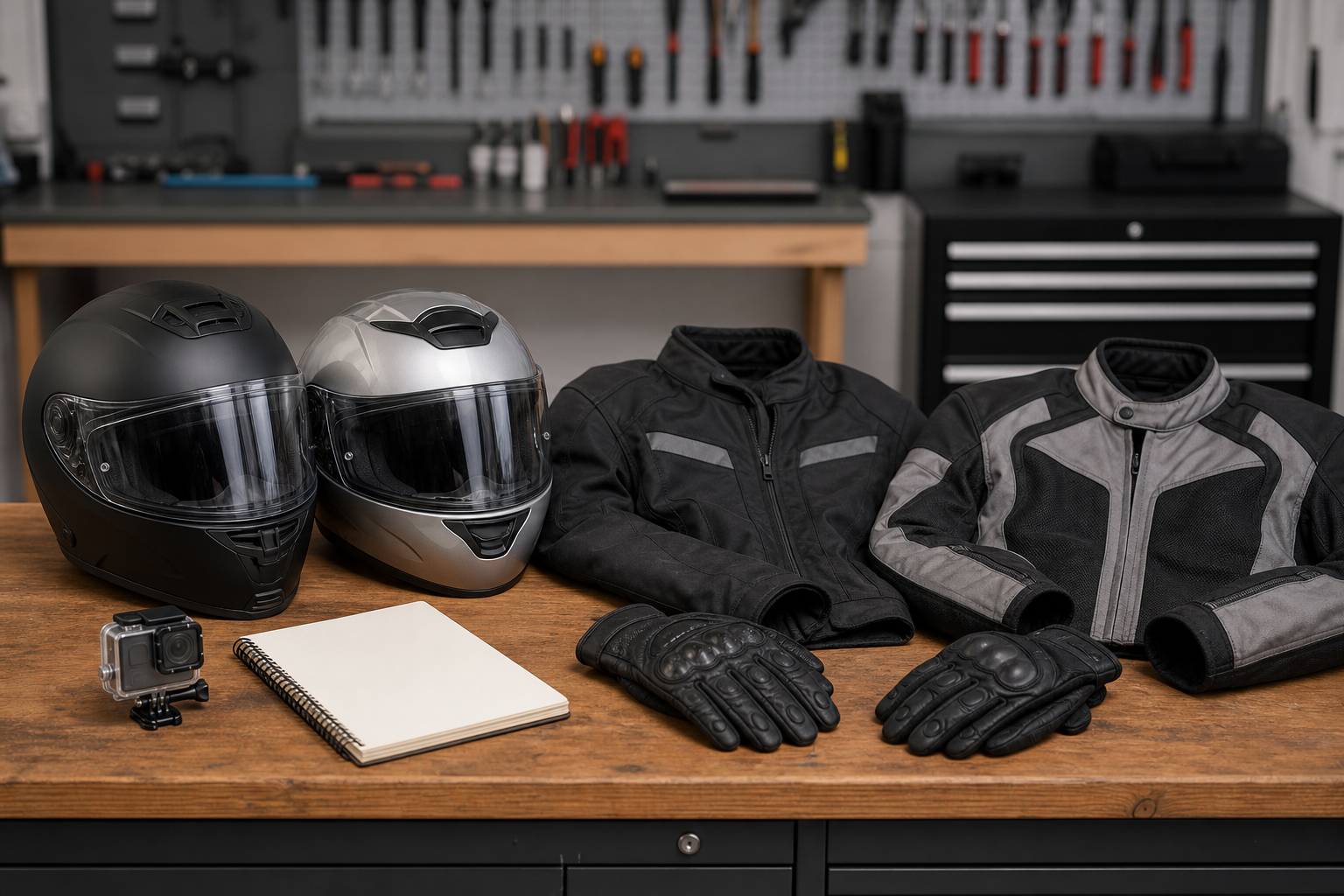
What injured motorcycle passengers should do after a crash
- Call 911 and get medical treatment.
- Tell medical providers every symptom, even if it seems minor at first.
- Get the names, phone numbers, and insurance information for all drivers and the motorcycle operator.
- Photograph the motorcycle, vehicles, helmets, clothing, scene, and injuries.
- Identify witnesses and possible camera sources.
- Do not assume one insurance policy is the only coverage available.
- Do not give a recorded statement without understanding the coverage and fault issues.
- Talk with an attorney if injuries are serious, fault is disputed, or multiple insurers are involved.
Fort Wayne and northeast Indiana passenger claims
Passenger claims can arise on Fort Wayne city streets, rural Allen County roads, I-69, I-469, US-30, Coliseum Boulevard, Lima Road, Coldwater Road, Illinois Road, Dupont Road, and other northeast Indiana routes. Because a passenger may have claims against multiple policies, early investigation can make a major difference.
Talk to a Fort Wayne motorcycle accident attorney
If you were injured as a motorcycle passenger, Delventhal Law Office can help identify at-fault parties, locate insurance coverage, protect evidence, and pursue compensation for your injuries.
Call (260) 484-6655 or contact us online for a free consultation. There is no fee unless we recover for you.
Motorcycle passenger claims follow the same Indiana personal injury rules as other injury cases. Our Fort Wayne personal injury attorney page explains Indiana's filing deadlines, the comparative fault rule, and the damages Indiana law allows.
Frequently asked questions
Can a motorcycle passenger sue after a crash in Indiana?
Yes. An injured passenger may have a claim against the other driver, the motorcycle operator, or any other party whose negligence caused the crash.
Do I have to sue my friend or family member if they were operating the motorcycle?
Not necessarily in the way people think. A claim is usually pursued through insurance coverage. If the operator contributed to the crash, their liability coverage may be part of the claim.
What insurance may cover a motorcycle passenger?
Possible coverage includes other-driver liability insurance, motorcycle operator liability insurance, uninsured motorist coverage, underinsured motorist coverage, medical payments coverage, and health insurance.
Can I recover if the driver who hit us had no insurance?
Possibly. Uninsured motorist coverage may apply through the motorcycle policy or another applicable household policy, depending on the facts and policy language.
What if I was not wearing a helmet as a passenger?
Helmet nonuse may affect certain injury arguments, especially head or brain injury claims, but it does not automatically prove you caused the crash or eliminate compensation.
Sources and authority
- Indiana Comparative Fault Act, Indiana Code chapter 34-51-2, Indiana General Assembly, https://iga.in.gov/laws/2024/ic/titles/34#34-51-2[1].
- Indiana Code chapter 9-21-10, motorcycles and motor driven cycles, Indiana General Assembly, https://iga.in.gov/laws/2024/ic/titles/9#9-21-10[2].
- Motorcyclist Safety, National Highway Traffic Safety Administration, motorcycle risk and safety discussion, https://www.nhtsa.gov/road-safety/motorcycles[3].
This article is general information for Indiana readers, not legal advice for a specific case. Reading it does not create an attorney-client relationship, and neither does contacting us. If you do contact us about a possible claim, Indiana Rule of Professional Conduct 1.18 requires us to keep what you tell us confidential whether or not we take the case — but please do not send documents or detailed facts until we have agreed in writing to represent you.