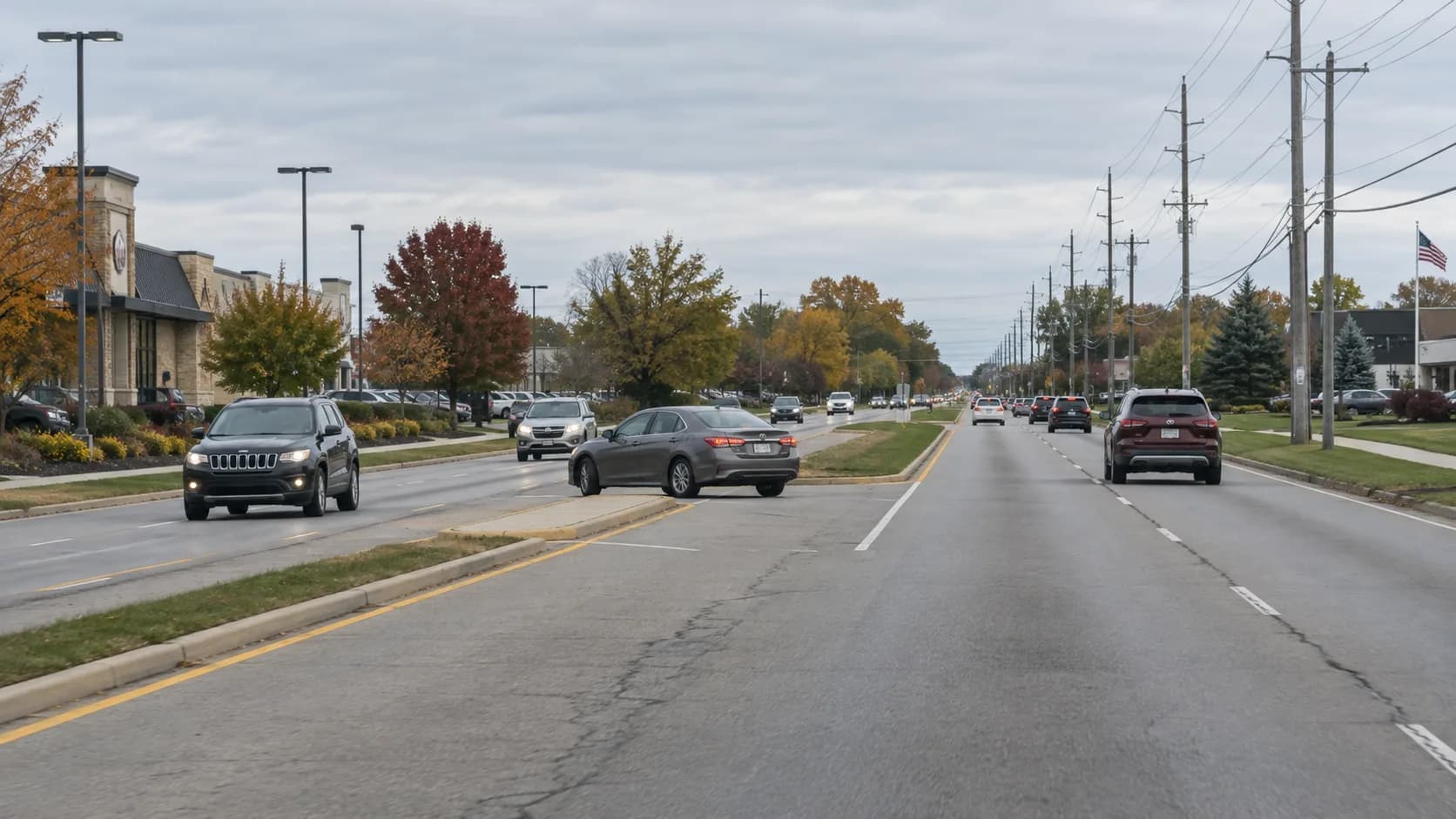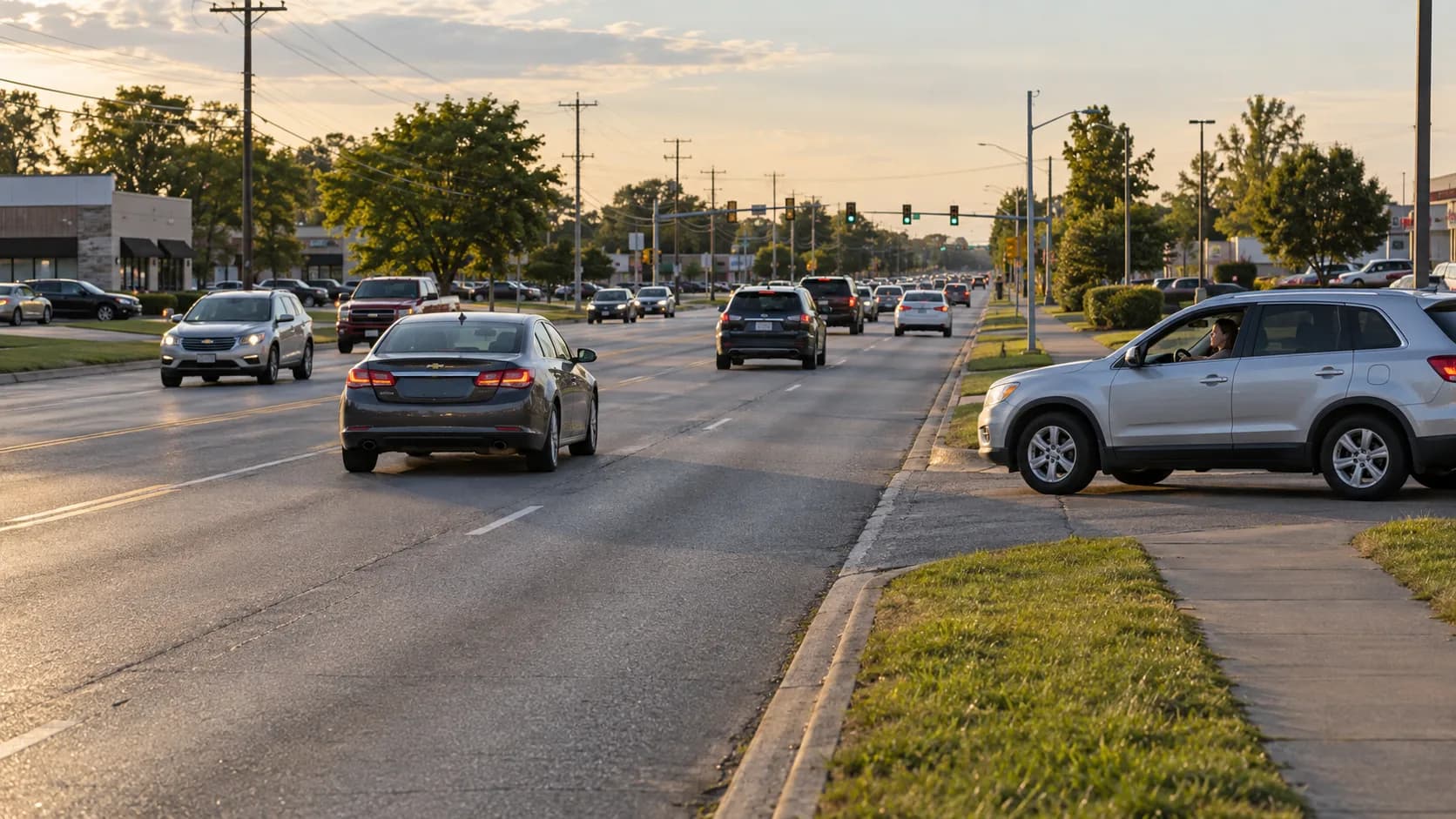

After a Fort Wayne fender bender or a highway crash on I-69, it is common to climb out of the car feeling shaken but "okay." You may have no obvious pain, so a trip to the emergency room or urgent care feels like an overreaction. Unfortunately, "I felt fine at the scene" is one of the most common things injured people say right before symptoms appear a day or two later. This guide explains why that happens, what a quick medical check accomplishes, and how it fits into an Indiana injury claim.
Key takeaways
- Many serious crash injuries — whiplash, concussion, and internal bleeding — can have delayed symptoms that show up hours or days later.
- A prompt exam protects your health (catching hidden injuries) and your legal claim (linking injuries to the crash).
- Insurance adjusters often use a gap in treatment or a late first visit to argue you were not really hurt.
- Indiana generally gives you two years to file a personal injury lawsuit, but medical timing matters long before that deadline.
- Seeing a doctor is not an admission that you are "sue-happy" — it is basic, reasonable care.

Why you can feel fine and still be hurt
A crash triggers a surge of adrenaline and endorphins — your body's fight-or-flight response. These chemicals can mask pain for hours, which is why many people do not feel the full effect of an injury until they get home, wake up the next morning, or return to normal activity. The injury was there all along; you simply could not feel it yet.
Three categories of crash injury are especially known for hiding:
Whiplash and soft-tissue neck and back injuries
Whiplash comes from the rapid back-and-forth "whip" motion of the neck in a collision — even a low-speed one. According to the Mayo Clinic Health System[1], whiplash signs and symptoms usually develop within a day of the injury, and sometimes take longer to appear. Neck pain and stiffness, headaches at the base of the skull, and reduced range of motion often arrive after the crash, not during it. Our guide to whiplash after an Indiana car accident covers treatment and documentation in more detail.
Concussion and mild traumatic brain injury
You do not have to hit your head or lose consciousness to suffer a concussion. The CDC[2] explains that some mild TBI and concussion symptoms appear right away, while others may not appear or be noticed for hours or days after the injury. Headache, fogginess, dizziness, light sensitivity, sleep changes, and mood changes can all creep in later. Because a normal CT scan does not rule out a concussion, symptoms are the key — see when to take concussion symptoms seriously.

Internal injuries and bleeding
Internal bleeding and organ injuries are the most dangerous "silent" injuries. Adrenaline can mask abdominal or chest pain, and bleeding can build over hours. Warning signs that need emergency care include severe or worsening abdominal pain, swelling or deep bruising across the belly or flanks, blood in urine or stool, fainting, dizziness, shortness of breath, and a rapidly worsening headache. If you notice any of these, call 911 or go to the nearest ER — do not wait for a routine appointment.
Two reasons to get checked: your health and your claim
Seeing a doctor promptly does two separate jobs at once.
1. It protects your health
A clinician can catch injuries you cannot feel yet, order imaging when needed, and give you clear instructions and warning signs to watch for at home. Early treatment of whiplash, concussion, and disc injuries often leads to better outcomes than waiting until pain becomes disabling.
2. It protects your injury claim
In an Indiana injury claim, you have to prove not only that you were hurt, but that the crash caused the injury. The medical record created near the date of the crash is the strongest evidence linking the two. If your first visit is weeks later, an insurer can argue the injury came from something else — a workout, a fall, a prior condition. Prompt care closes that door.

How insurers use "you felt fine" against you
Insurance companies review the timeline of your medical care closely. Two of the most common arguments they raise:
- Late first treatment. "If you were really hurt, you would have gone to the doctor that day." A delay of even a few days becomes a talking point.
- Gaps in treatment. Skipping appointments or long breaks between visits are used to argue you recovered or were never seriously injured. We explain this in why gaps in treatment matter.
None of these arguments are automatically correct — delayed pain is real and medically well documented, as our article on delayed pain after a car accident explains. But the cleaner your medical timeline, the less room an adjuster has to discount your injuries.
What to do if you feel fine after a crash
Use this practical checklist in the first hours and days after a collision:
| Timeframe | What to do | Why it matters |
|---|---|---|
| At the scene | Accept an EMS evaluation; note any symptoms; get the crash report information | Documents the crash and your condition from minute one |
| Within 24–72 hours | See a doctor, urgent care, or your primary provider — even without pain | Catches delayed injuries; creates an early record linking any injury to the crash |
| Any time symptoms appear | Return for care and describe symptoms accurately; go to the ER for red-flag signs | Ties late-appearing symptoms back to the original event |
| Ongoing | Follow the treatment plan and keep appointments | Avoids treatment-gap arguments from insurers |
| Within 10 days | File the Indiana operator crash report if required | Indiana law requires drivers to report qualifying crashes |
Even if you declined an ambulance or left the scene, you are not locked out of care — you can still see a doctor afterward. See getting medical attention after leaving a crash scene.

Indiana deadlines and reporting rules to know
Two separate Indiana timelines often get confused. Getting medical care right away helps with both.
- Crash reporting. Indiana law requires the driver of a vehicle in a crash involving injury, death, or significant property damage to file an operator's report — generally within ten days — through the BMV process.
- Injury lawsuit deadline. Indiana generally gives you two years from the date of injury to file a personal injury lawsuit under Indiana Code 34-11-2-4[3]. Different deadlines and shorter notice rules can apply, especially for claims involving a government entity, so it is worth confirming the deadline that fits your situation. Our overview of how long you have to file a claim in Indiana breaks this down.
If a government body or employee may be involved, review our Indiana government tort claim notice guide, because notice deadlines can be much shorter than the ordinary injury filing period.
One more Indiana wrinkle: fault. Under Indiana's modified comparative fault rule, an injured person who is found more than 50% at fault is barred from recovering (see Indiana Code 34-51-2[4]). Strong, prompt medical documentation helps keep the focus on your injuries and the other driver's conduct rather than gaps and doubts.
When it makes sense to talk with a lawyer
Not every fender bender needs an attorney. But if you developed injuries after feeling fine, are facing mounting medical bills, or an adjuster is questioning whether the crash caused your injuries, a conversation can help you understand your options. A Fort Wayne car accident attorney can review the medical timeline, explain the deadlines that may apply, and deal with the insurance company so you can focus on healing. You can use our Indiana car accident settlement calculator to organize the factors that may affect a claim’s value; it is an educational tool, not a promise of any result.

Frequently Asked Questions
How long after a car accident can injuries show up?
It varies by injury. Whiplash symptoms often develop within about 24 hours, and some appear over several days. Concussion symptoms may not be noticed for hours or days. Internal bleeding can build over hours. Because of this, many doctors suggest an evaluation within a few days of any meaningful crash, even without pain.
Should I go to the ER or urgent care if I feel fine?
If you have any red-flag symptoms — severe headache, confusion, abdominal pain, blood in urine or stool, fainting, or trouble breathing — go to the ER or call 911. If you feel fine but want to be checked, urgent care or your primary care provider within a day or two is usually reasonable. When in doubt, get evaluated.
Will seeing a doctor "just in case" hurt my claim?
No. Getting evaluated is reasonable, expected medical behavior. What tends to hurt claims is the opposite — no early record, long gaps, or a first visit weeks later that lets an insurer question causation.
What if I can't afford the visit or have no health insurance?
Cost is a real concern, but skipping care can cost more in health and claim value. Options may include your own MedPay coverage, health insurance, or hospital financial assistance. An attorney can also explain how medical bills and liens are typically handled out of a settlement. See our discussion of who pays medical bills after a car accident in Indiana.
How long do I have to bring an injury claim in Indiana?
Indiana generally allows two years from the date of injury to file a personal injury lawsuit, though shorter notice deadlines can apply to claims against government entities. Confirm the specific deadline for your situation as early as possible.
Talking with Delventhal Law Office
If you felt fine after a Fort Wayne or Allen County crash and now have symptoms — or an insurer is questioning whether the accident caused your injuries — you do not have to sort it out alone. Delventhal Law Office can review what happened, explain the deadlines that may apply, and help you decide the next step. A free consultation is a low-pressure way to get clear answers.
This article is general information about Indiana law and medical topics, not legal or medical advice. Reading it does not create an attorney-client relationship. For advice about your specific situation, talk with a qualified attorney or medical provider.