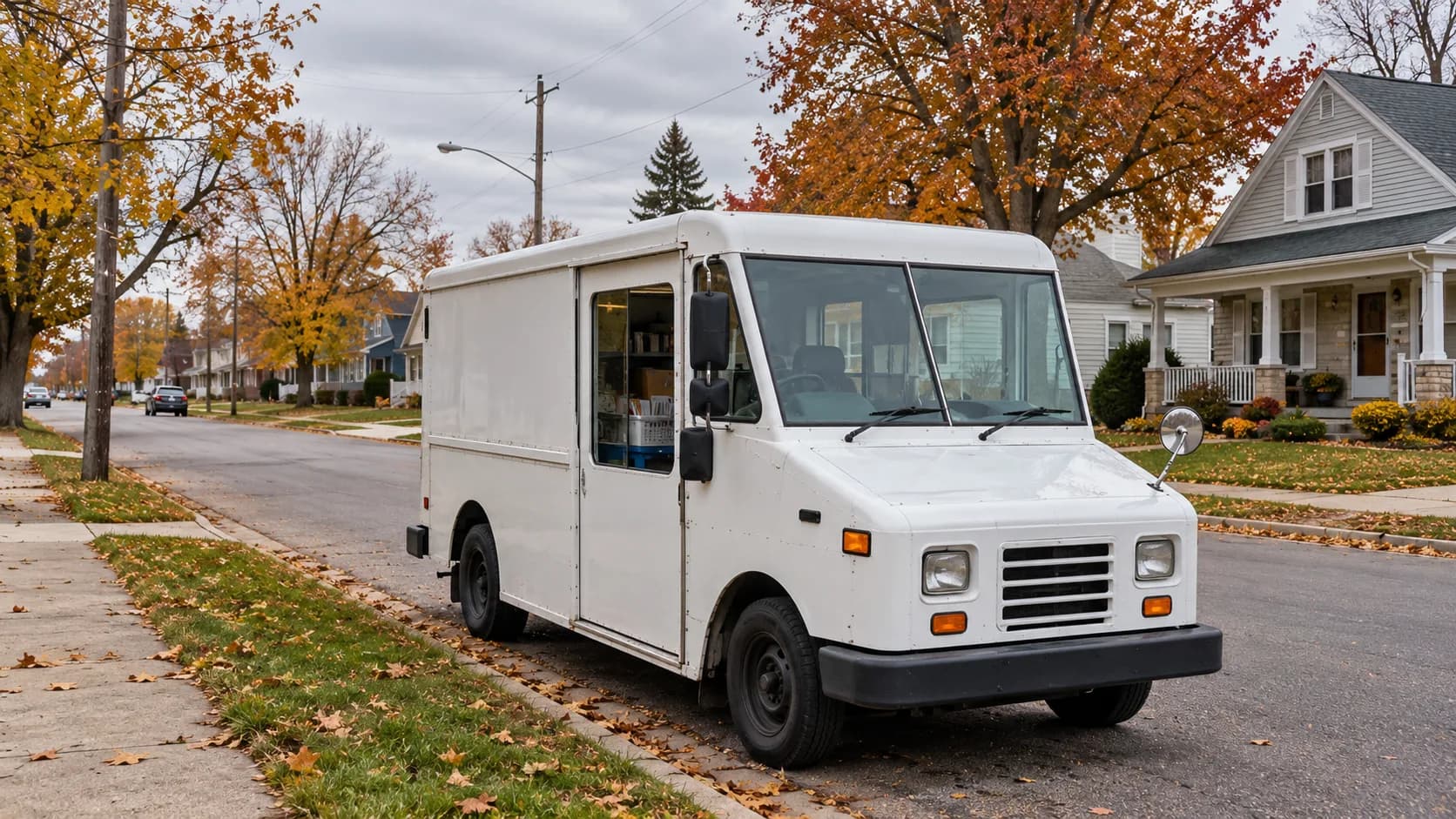
This guide focuses on identifying the agency, documenting receipt of the claim, and keeping two different timing rules separate. A government-looking vehicle does not by itself answer who employed the driver or which claim procedure applies.
Key takeaways
- Record the vehicle number, agency markings, and driver’s employer.
- Keep a complete copy of the claim and proof that the correct agency received it.
- Distinguish agency silence from a mailed final denial.
- Have the proposed submission reviewed before sending paperwork.
Why federal-vehicle claims differ
The FTCA jurisdictional provision addresses injury caused by a federal employee’s negligent or wrongful act within the scope of employment, where a private person would be liable under the law of the place where the act or omission occurred. The provision is subject to the FTCA’s other limitations. 28 U.S.C. § 1346(b)(1)[2].
Federal tort-claim provisions apply to tort claims arising from Postal Service activities. 39 U.S.C. § 409(c)[3].
For ordinary negligence claims within the statute, the remedy against the United States is generally exclusive of a money-damages action against the federal employee for the same subject matter. Constitutional claims and certain separately authorized statutory claims are treated differently. 28 U.S.C. § 2679(b)[4].
This is not a determination of the outcome of a particular collision. Employment status, scope of employment, fault, and applicable exceptions need individual review. For general collision issues, see our Fort Wayne car accident resource.

Identify the vehicle and driver
The FTCA definition of a federal agency excludes contractors with the United States. A delivery logo alone therefore does not settle whether the FTCA governs the driver’s conduct. 28 U.S.C. § 2671[5].
The following is a practical information-gathering checklist, not a legal classification based on appearance. Record what you can safely observe without interfering with responders. Do not enter a vehicle or take records that are not yours.
| What you observe | What to record | Question for review |
|---|---|---|
| Postal markings | Vehicle number, plate, driver information, and crash location | Was the driver a postal employee acting within the scope of employment? |
| Another federal agency’s markings | Agency name, unit number, and incident-report information | Which agency’s activities gave rise to the claim? |
| Contractor or subcontractor name | Company name, contact and insurance information, and photographs | Who employed and directed the driver? |
| Unclear ownership or employment | All visible markings, witness contacts, and correspondence | What additional records are needed before selecting a claim path? |
Keep uncertain details marked as uncertain. Do not turn an assumption about a uniform or logo into a statement of fact on a claim form.
Practical steps after the crash
- Address safety and care. Call 911 when emergency assistance is needed and seek appropriate medical attention.
- Save identifying details. Photograph the scene, vehicle markings, plates, and damage from a safe location.
- Keep original files. Retain unedited photographs and video, along with the report number and witness contact details.
- Organize correspondence. Keep letters, emails, envelopes, and delivery confirmations together.
- Request timely legal review. Bring the actual records rather than relying on a remembered date or an informal assurance.
These are organizing suggestions, not a substitute for presenting a legally sufficient claim. Our Indiana crash-evidence guide covers the broader scene checklist.

Present the claim to the correct agency
Under the general administrative-claim regulation, presentment occurs when the agency receives an executed Standard Form 95 or other written notice of the incident, accompanied by a money-damages claim in a specific dollar amount—a “sum certain.” The regulation also addresses the signer’s legal capacity and evidence of authority when submitting for someone else. 28 C.F.R. § 14.2(a)[6].
The Postal Service’s rule likewise uses USPS receipt of an executed SF95 or other written incident notification accompanied by a sum-certain demand. 39 C.F.R. § 912.5(a)[7].
The government provides Standard Form 95[8]. Before sending it, confirm the correct agency, current submission instructions, claimant identity, signature authority, and supporting materials. Keep the completed submission and delivery evidence. Do not assume a police report or informal insurance conversation satisfies every presentment requirement.
A claim belongs with the agency whose activities gave rise to it. The general regulation provides for transfer when a claim reaches the wrong federal agency, but for the statutory presentment deadline it uses the date the appropriate agency receives the claim. 28 C.F.R. § 14.2(b)(1)[6].
Do not plan around a last-day mailing or assume a transfer will protect the filing date. If the responsible agency is unclear, obtain review promptly.

Keep the two timing rules separate
The statute generally requires written presentment to the appropriate agency within two years after the claim accrues. After a final denial is mailed by certified or registered mail, the statute generally requires suit within six months of the mailing date—not the date the letter is opened. 28 U.S.C. § 2401(b)[9].
Agency silence is different: if there is no final disposition within six months after filing, the claimant may elect to treat that inaction as a denial for purposes of filing suit. This is an option available any time thereafter under the statute, not a rule that every unanswered claim expires six months later. 28 U.S.C. § 2675(a)[1].
Have counsel determine accrual and the actual filing dates. This article is not a last-day calculator and does not resolve tolling, minor or estate claims, reconsideration, or other exceptions. Do not assume that being under age eighteen or continuing negotiations gives you extra filing time; if a date may already have passed, seek individual review rather than deciding the matter yourself.
A timely amendment to a pending administrative claim can restart the agency’s six-month review period. The general and postal regulations specify the conditions for amendments. 28 C.F.R. § 14.2(c)[6]. USPS likewise has six months after a timely amendment to make a final disposition before the claimant’s inaction option accrues. 39 C.F.R. § 912.5(b)–(c)[7].
Bring every version of the submission and every agency response to that review. A formal request for reconsideration also needs separate analysis; do not assume an informal follow-up letter gives you extra filing time.
The dollar demand and a later lawsuit
A lawsuit generally cannot demand more than the amount presented to the agency. The statute allows an increased amount based on newly discovered evidence not reasonably discoverable when the claim was presented, or alleged and proven intervening facts relating to the amount. 28 U.S.C. § 2675(b)[1].
That makes the demand more than a placeholder. Organize your medical records, bills, pay statements, and outstanding questions for an individual assessment. A generic calculator cannot choose the correct administrative demand.
An FTCA tort action under section 1346(b) may be brought only in the judicial district where the plaintiff resides or where the challenged act or omission occurred. 28 U.S.C. § 1402(b)[10].
An FTCA tort action against the United States is tried by the court without a jury. 28 U.S.C. § 2402[11].
The United States is liable under the statutory framework in the same manner and to the same extent as a private individual under like circumstances, but not for prejudgment interest or punitive damages. 28 U.S.C. § 2674[12].

Build a useful federal-claim folder
For consultation preparation, put these materials in date order:
- Vehicle and agency identifiers, scene photographs, witness details, and the crash report.
- Medical visit records, bills, work instructions, wage records, and repair documents.
- Each claim submission and attachment, including any amended demand.
- Proof of delivery to the agency and acknowledgment letters.
- Every agency response, including the original final-denial envelope.
- A log of calls identifying the date, person, and what was actually said.
Keep originals and distinguish your recollection from a document. If an agency says material is missing, preserve that request and seek review of its effect; an acknowledgment does not establish that every legal requirement has been met.
Our injury-consultation checklist can help with the rest of the folder. Delventhal Law Office offers free consultations for people injured in Fort Wayne and elsewhere in Indiana.

Frequently Asked Questions
Do I sue the mail carrier personally?
For an ordinary negligence claim within 28 U.S.C. § 2679(b)(1), the remedy against the United States is generally exclusive of a money-damages action against the employee for the same subject matter. Employment and scope must be reviewed.
Must I use Standard Form 95?
The general and postal regulations allow SF95 or other qualifying written notification. Receipt, the incident information, a specific dollar demand, and applicable signature or representative requirements matter; a form title alone is not enough.
What are the usual FTCA deadlines?
Generally, written presentment to the appropriate agency is required within two years after accrual, and suit within six months after a final denial is mailed by certified or registered mail. Have the actual dates and any exceptions reviewed.
Does six months of silence automatically start a six-month lawsuit deadline?
No. Under 28 U.S.C. § 2675(a), after six months without final disposition the claimant may elect to treat inaction as a denial. That differs from the mailing of a final denial; amendments and later agency action require separate review.
What if the driver worked for a contractor?
The FTCA definition of a federal agency excludes contractors. Identify the driver’s actual employer and work arrangement before deciding whether the claim belongs in the federal process or against another party.
Can I simply increase the dollar demand in court?
Not automatically. Section 2675(b) generally limits the lawsuit to the administrative demand, with exceptions for qualifying newly discovered evidence or proven intervening facts relating to the amount.
Sources reviewed October 27, 2026. The linked U.S. Code edition is current through Public Law 119-134 (October 20, 2026); the eCFR display available for this review was current through October 23, 2026.
This article is general information about Indiana law and is not legal advice. Reading it does not create an attorney-client relationship, and neither does contacting us.
Sources
- 28 U.S.C. § 2675(a) (uscode.house.gov) ↩
- 28 U.S.C. § 1346(b)(1) (uscode.house.gov) ↩
- 39 U.S.C. § 409(c) (uscode.house.gov) ↩
- 28 U.S.C. § 2679(b) (uscode.house.gov) ↩
- 28 U.S.C. § 2671 (uscode.house.gov) ↩
- 28 C.F.R. § 14.2(a) (ecfr.gov) ↩
- 39 C.F.R. § 912.5(a) (ecfr.gov) ↩
- Standard Form 95 (gsa.gov) ↩
- 28 U.S.C. § 2401(b) (uscode.house.gov) ↩
- 28 U.S.C. § 1402(b) (uscode.house.gov) ↩
- 28 U.S.C. § 2402 (uscode.house.gov) ↩
- 28 U.S.C. § 2674 (uscode.house.gov) ↩