
People ask to “cancel” a car accident claim for all kinds of reasons. Maybe the crash felt minor, you feel fine, and you would rather move on. Maybe you are worried about being seen as “sue-happy,” or you do not want to deal with the other driver’s insurer. Maybe you already told an adjuster you were not hurt and now you regret opening a file at all. Whatever the reason, the right answer depends heavily on where you are in the process and whether you have signed anything.
What “cancel my claim” actually means
“Canceling” is not one single action. In practice, people usually mean one of these very different things:
- Withdrawing an open claim you reported to an insurer but have not settled.
- Pausing or going quiet on a claim while you finish medical treatment.
- Backing out after signing a settlement and release.
- Dismissing a lawsuit you already filed in court.
Those carry very different consequences. Dropping an unsigned claim is usually reversible while the deadline to sue is still open. Backing out after you sign a release is usually not. Understanding which situation you are in is the whole ballgame.

Key takeaways
- An open, unsigned claim can generally be dropped or paused; there is no contract binding you yet.
- A signed settlement and release is usually final — you typically cannot “un-cancel” it later.
- Indiana generally gives you two years from the crash to file an injury lawsuit (Indiana Code § 34-11-2-4[1]). Different, shorter deadlines apply to claims against government entities.
- Some serious injuries, like whiplash and concussions, can take days to show up, so “I feel fine” is a risky reason to sign away your rights.
- Dropping a claim does not erase medical bills or liens — those still have to be paid.
- Property-damage-only and injury claims can often be handled separately.
Can you withdraw an open claim before settling?
Usually, yes. If you reported a claim to your insurer or the at-fault driver’s insurer but have not accepted money or signed a release, you have not entered a binding agreement. You can typically tell the adjuster you do not wish to pursue it, stop returning calls, or simply let the file close. Nothing forces you to demand payment.
But “you can” is not the same as “you should.” Before you drop an open claim, it helps to understand what you might be giving up — future medical costs, lost wages, and pain and suffering that you cannot see yet. A claim you drop quietly today can be very hard to rebuild months later once evidence is gone and memories have faded. If an offer is already on the table and you are tempted to walk away or grab it, it is worth reviewing what to check before accepting a first settlement offer in Indiana first.

Once you sign a release, it is usually final
This is the part that surprises people. A car accident settlement almost always includes a release of liability — a contract where you accept a sum of money and, in exchange, give up the right to seek anything more for that crash. Once you sign and the release is honored, you generally cannot “cancel” it, even if:
- A new injury appears the following week.
- Your recovery takes far longer than expected.
- You later learn the at-fault driver had far more insurance coverage than you thought.
A signed release is a done deal in most situations. That is exactly why signing early — before you know the full picture of your injuries — is so risky. There is no general “cooling-off” or cancellation right for an accident settlement the way there is for some other consumer contracts.
| Where you are in the process | Can you usually back out? | What to watch |
|---|---|---|
| Thinking about reporting, nothing filed | Yes — nothing to cancel yet | Preserve photos, the crash report, and witness info in case you change your mind |
| Claim open, no offer accepted, nothing signed | Usually yes | You may forfeit future damages you cannot see yet |
| Offer received but not signed | Usually yes | Review the release language and total value before deciding |
| Settlement and release signed | Usually no — generally final | Any new injuries or bills are typically your responsibility |
| Lawsuit filed | Sometimes — depends on dismissal terms | Dismissal “with prejudice” usually ends it for good |
This table is a general guide, not a ruling on your specific situation.
Property-damage-only vs. injury claims
Many people who want to “cancel” really mean they only want to deal with the car, not their body. That is often possible: property-damage and bodily-injury claims can frequently be handled separately. You might resolve the vehicle repair or total-loss payout while keeping your injury options open.
The key is to make sure the paperwork you sign for the car is a property-damage-only release and does not quietly release your injury claim too. Adjusters sometimes send a single broad release. Read carefully — signing the wrong document to get your car fixed can accidentally close your injury claim. If you are still sorting out repairs, our overview of what happens when your car is totaled in Indiana walks through the property side.
Why late-appearing injuries matter before you cancel
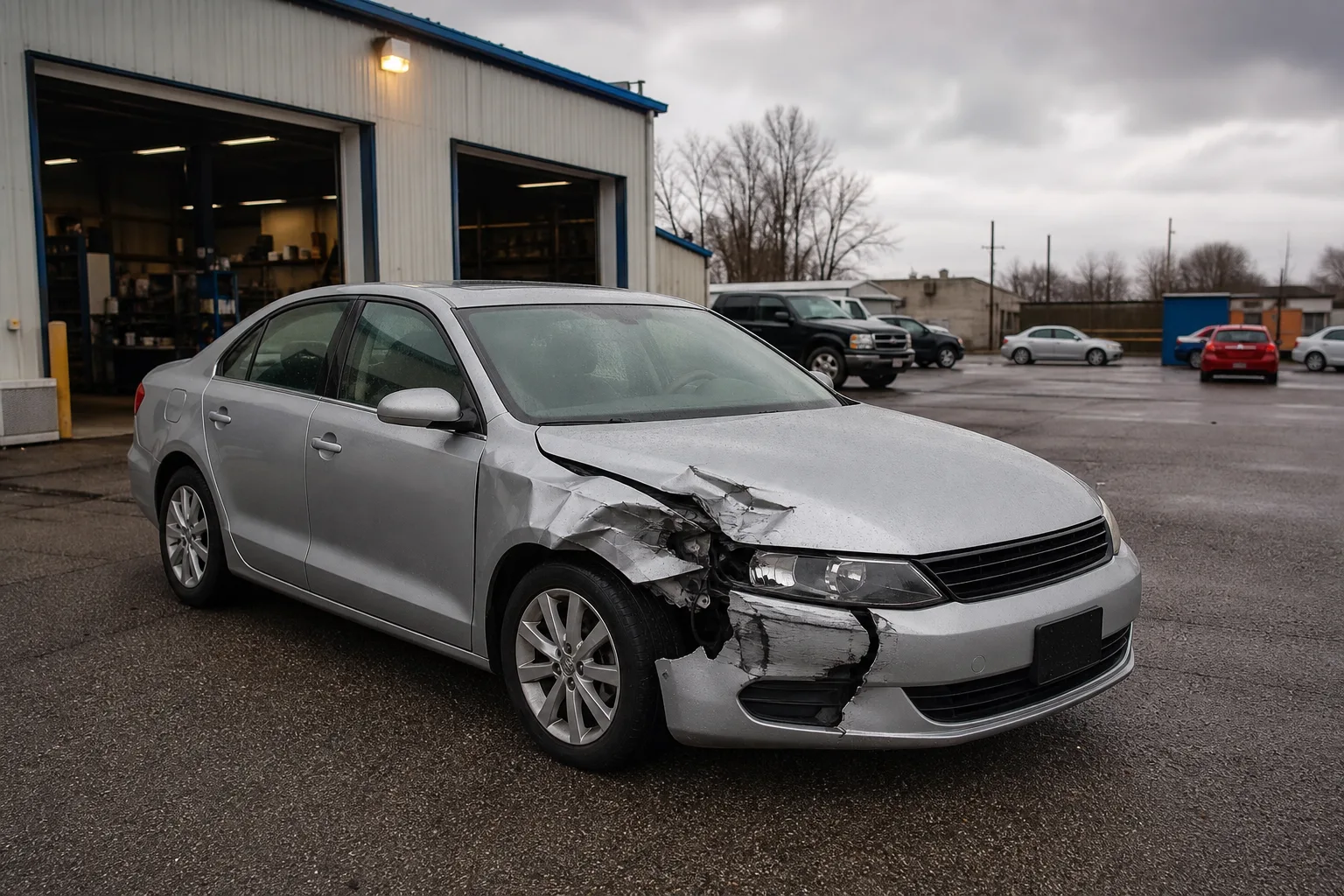
“I feel fine” is one of the most common reasons people want to drop a claim early — and one of the riskiest. Adrenaline, stress, and the body’s inflammation response can mask pain in the first hours and days after a crash. According to the Mayo Clinic, whiplash signs and symptoms often develop within days of the injury, not immediately, and can include neck pain, stiffness, headaches, and reduced range of motion.3 Concussions and some soft-tissue injuries can behave the same way.
If you cancel your claim or sign a release before you know how you actually healed, you may be paying your own bills for an injury the crash caused. This is why documenting symptoms and getting checked out matters, even for crashes that looked minor. We cover this more in our guide to delayed pain after a car accident and what it means for your Indiana claim.
Dropping a claim does not erase medical bills or liens
Canceling a claim against the other driver does not make your medical bills disappear. If you were treated, someone still has to pay — often your health insurer first, sometimes a hospital or provider holding a lien against any recovery. If you drop the claim, those bills usually land on you.
Liens are one of the most misunderstood parts of an injury case. If health insurance, Medicare, Medicaid, or a hospital paid for crash-related care, they may have a right to be reimbursed out of any settlement. Walking away from a claim does not cancel that obligation. Our explainer on medical liens and Indiana personal injury settlements explains how these get resolved so you are not blindsided.
How the two-year deadline affects your decision
Indiana generally requires an action for injury to a person or personal property to be filed within two years after the cause of action accrues, under Indiana Code § 34-11-2-4[1].1 That deadline matters in two directions:
- If you drop a claim but stay within the deadline, you often still have the option to change your mind and pursue it — as long as the evidence and the clock allow.
- If you wait too long, the deadline can bar the claim entirely, whether you meant to cancel it or just let it drift.
Shorter, stricter deadlines apply when a government entity is involved — a city, county, the state, a public school, or a transit agency — because Indiana requires a formal government tort claim notice long before the two-year mark. Comparative fault also plays a role: under Indiana’s modified comparative fault system, a claimant found more than 50% at fault is barred from recovering, so how fault is assessed can change whether pursuing the claim is worthwhile at all.2 None of that is a reason to sign away rights before you understand the full picture.
Practical steps before you cancel or pause a claim
- Do not sign a release until you understand your injuries. Finish treatment or reach a stable diagnosis first.
- Separate the car from the body. If you only want to close the property-damage side, confirm the release is property-damage only.
- Preserve evidence. Keep the crash report, photos, names of witnesses, and medical records even if you plan to drop the claim, in case you change your mind before the deadline.
- Ask about bills and liens. Find out who has already paid for your care and what happens to those bills if you stop.
- Watch the deadline. Two years passes faster than people expect, and government-related claims move faster still.
- Get a free review before you decide. A short conversation can tell you what you would be giving up.
If you want to sanity-check what a claim might actually be worth before dropping it, our Fort Wayne car accident settlement calculator is a plain-language way to organize medical bills, lost wages, and other factors. For the bigger picture of how Indiana crash claims work, see our Fort Wayne car accident attorney overview.

Frequently Asked Questions
Can I cancel a car accident claim after I already signed a settlement?
Usually not. A signed settlement includes a release of liability, which is a binding contract. Once it is signed and honored, you generally cannot reopen the claim, even if new injuries or bills appear. That is why it is important not to sign until you understand your injuries and losses.
If I told the insurance company I was fine, can I still pursue a claim later?
Often yes, as long as you have not signed a release and the two-year deadline has not passed. An early statement that you felt fine can be used against you, but it does not automatically end a claim if your injuries later prove otherwise. Prompt medical documentation helps explain the difference.
Will dropping my claim get rid of my medical bills?
No. Dropping a claim against the at-fault driver does not cancel your medical bills or any liens. Your health insurer, a hospital, Medicare, or Medicaid may still expect payment, and those obligations can end up on you if you walk away.
Can I settle the damage to my car but keep my injury claim open?
Frequently, yes. Property-damage and bodily-injury claims can often be handled separately. The key is making sure any document you sign to get your car repaired or paid out is a property-damage-only release and does not also release your injury claim.
How long do I have to change my mind in Indiana?
Indiana generally allows two years from the crash to file an injury lawsuit under Indiana Code § 34-11-2-4[1], though shorter notice deadlines apply when a government entity is involved. Once you sign a release, however, that release — not the two-year clock — usually controls, and it is typically final.
Talk it through before you decide
If you are thinking about dropping, pausing, or settling a car accident claim in Fort Wayne or anywhere in Indiana, you do not have to guess about what you might be giving up. A free consultation can help you understand the deadlines that may apply, whether your car and injury claims should be handled separately, and what happens to any bills or liens. Delventhal Law Office can review what happened and help you decide the next step. You can contact Delventhal Law Office whenever you are ready.
This article is general information about Indiana law, not legal advice. Reading it does not create an attorney-client relationship. Deadlines and outcomes depend on the specific facts of your situation, so talk with a qualified attorney about your case.
Sources
- Indiana Code § 34-11-2-4[1], Injury or Forfeiture of Penalty Actions (two-year limitation). iga.in.gov[1]
- Indiana Code § 34-51-2[2], Comparative Fault (claimant more than 50% at fault is barred from recovery). iga.in.gov[3]
- Mayo Clinic, Whiplash — Symptoms and causes. mayoclinic.org[4]