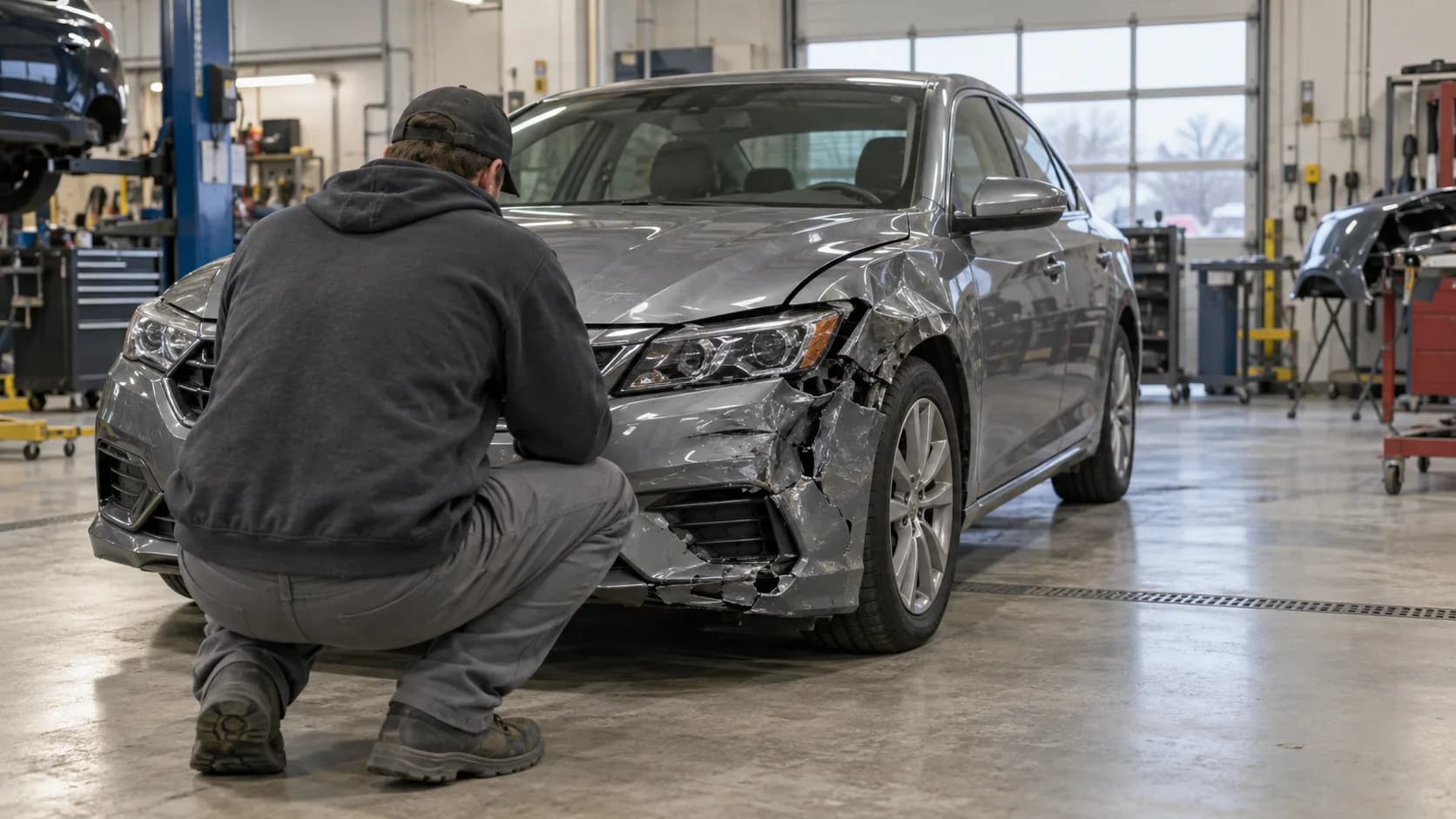
Being caught between two different numbers is frustrating, especially when you need your car back. The practical goal is to identify exactly what remains unresolved—not to assume the higher or lower number is automatically correct. This guide focuses on organizing an Indiana repair-payment dispute. If you were also hurt, our Fort Wayne car accident guide addresses the broader injury claim.
If the disagreement is about OEM, aftermarket, or used body panels, our guide to Indiana repair-parts selection rights explains the named-insured, vehicle-age, and part-type limits.
Key takeaways
- Get the current written estimate and settlement explanation, not just a verbal total.
- Compare the same parts and operations before discussing the difference.
- Ask about additional-work authorization, fees, storage, and any proposed customer balance.
- Keep dated copies of letters, photographs, estimates, and call notes.
- Use the Indiana Department of Insurance’s complaint instructions if direct efforts do not resolve the issue.
Start with the shop’s estimate and the adjuster’s explanation
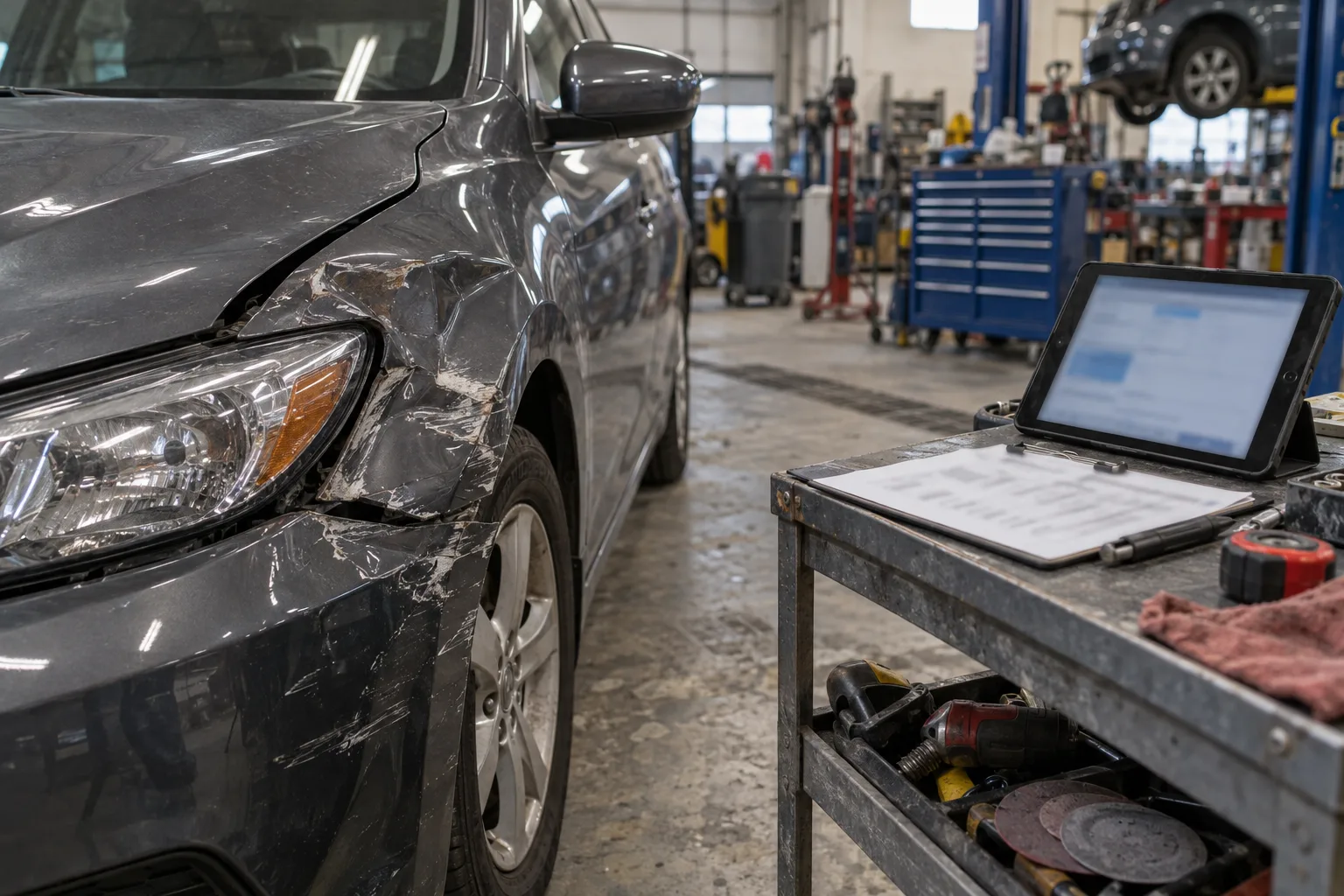
The Indiana Department of Insurance’s claim tips[1] recommend determining repair costs when possible and asking the claims adjuster for an itemized explanation of the settlement offer. IDOI also advises keeping copies of correspondence and notes identifying the date, person contacted, and what was said.
The Federal Trade Commission’s Auto Repair Basics[2] recommends a written estimate identifying the condition to be repaired, needed parts, and anticipated labor charge. The FTC also recommends that the estimate say the shop will contact you for approval before exceeding a specified amount of time or money. This is consumer guidance, not a statement that every Indiana repair transaction has the same terms.
As a practical starting point, put the claim number, shop contact, adjuster contact, and latest document dates on one page. Label older versions so you do not accidentally compare a revised estimate with an outdated offer. For a Fort Wayne owner using a local shop, the same written record can keep telephone conversations with a remote adjuster organized.
Identify whether you are discussing your own policy or a claim with the other driver’s carrier. IDOI explains that your policy is a contract between you and your insurance company and recommends knowing its coverage, exclusions, and deductibles. Do not assume a discussion of your own policy answers a question about someone else’s policy.
Compare the disputed items, not just the totals
The following is a practical question sheet, not a list of mandatory repair procedures or promised payments. Ask the shop to explain the technical issues for your particular vehicle.
| Item to compare | Questions to ask | Documents to request |
|---|---|---|
| Damage listed in only one estimate | When was this condition identified? Was it photographed before or after disassembly? | Dated photographs and the shop’s written description |
| Repair versus replacement | Why is one method proposed? What supports that recommendation? | Measurements and the applicable repair procedure |
| Part description | Are both estimates pricing the same type of part? | Part number, description, and written quote |
| Labor and materials | Is the difference in time, price per unit, or included operations? | Itemized breakdown from both documents |
| Diagnostic work | What test or calibration is proposed, and why? | Test results and the procedure the shop relies on |
For example, one estimate might list a replacement part while the other lists repair of that part. Asking why the methods differ is more useful than asking only why the totals differ. This is an illustration, not a conclusion about which method is appropriate for your car.
What should you ask about a repair supplement?
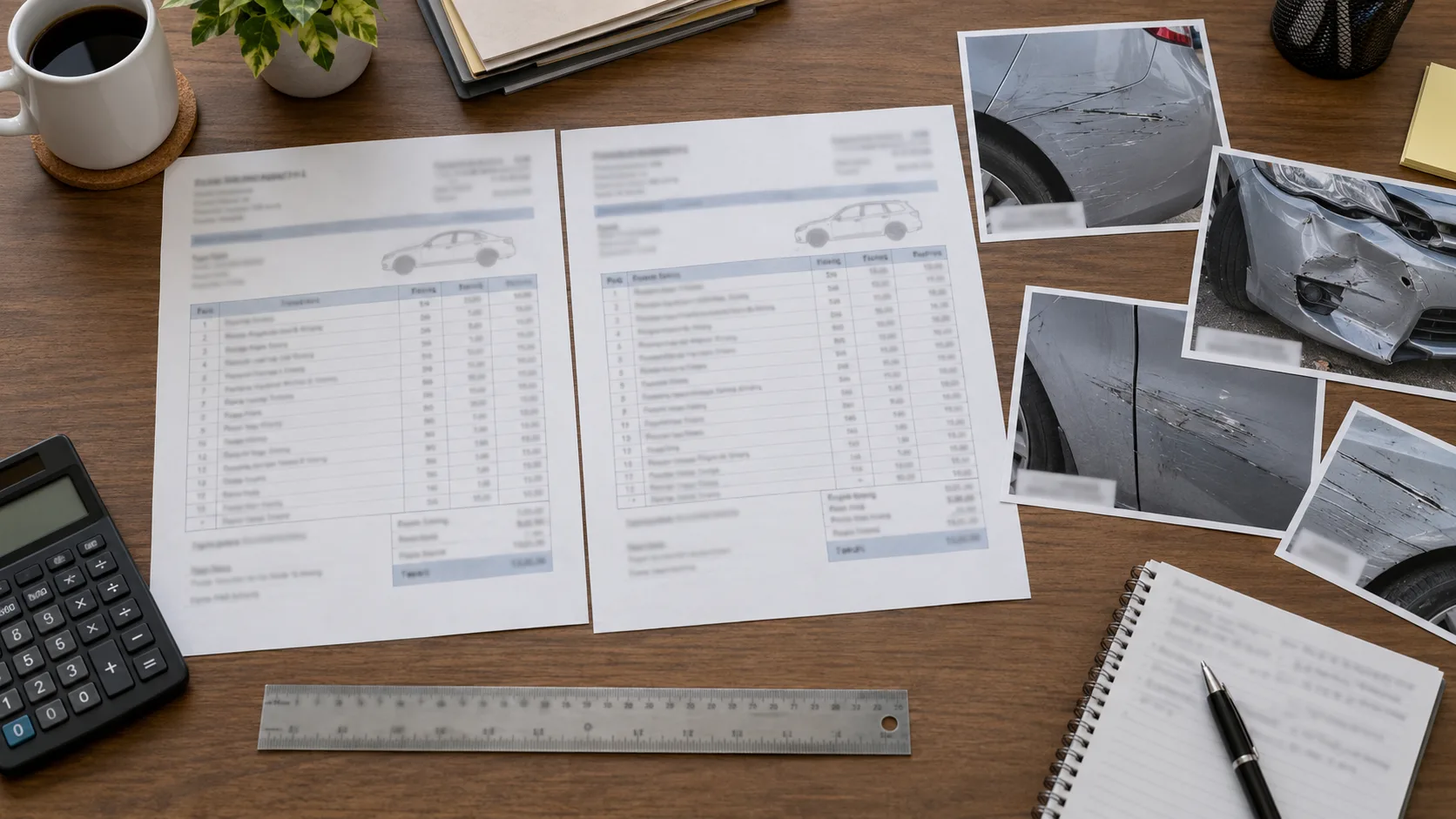
If the shop describes its additional-work request as a “supplement,” ask for a copy and a plain-language explanation of what changed. Keep the original estimate alongside the proposed revision. The questions below are document-organizing suggestions; they do not establish that any particular item must be paid.
- Which specific items were added or changed, and why?
- What photographs, measurements, or technical records support those changes?
- When was the request submitted, and to whom?
- Has anyone requested another inspection or additional information?
- What work has already been approved, and what remains disputed?
- What would I be asked to pay if the additional amount is not approved?
As a practical precaution, request a written answer about the proposed customer balance before deciding whether to authorize disputed work. Also ask about storage or other charges while discussions continue. Get the proposed payment arrangement in writing.

What should you check before authorizing repairs?
The FTC recommends asking how the shop prices its work and whether there will be a diagnostic charge if you take the work elsewhere. Its guidance also suggests a second opinion for expensive or complicated repairs or when you question the recommended work.
Use these practical questions when reviewing the proposed repair authorization:
- What work does this document authorize now?
- How will I be contacted before additional work begins?
- What teardown, diagnostic, storage, parts-ordering, or cancellation charges are proposed?
- Can I have the price and approval terms in writing before signing?
- What is the plan for an inspection before permanent work starts?
IDOI advises against permanent repairs before the insurance company’s inspection and warns that making them beforehand may lead to a claim denial. It also recommends photographs or video before temporary repairs and keeping damaged property for the adjuster to inspect. Consult its claim tips and your own documents about temporary protective work.
If vehicle condition is important to an investigation, ask about documentation and preservation before disassembly or disposal. Our separate guide to repair work and crash-evidence preservation covers that question in more detail.

What if the disagreement remains unresolved?
IDOI advises asking for the specific policy language involved in a settlement disagreement. If the disagreement results in a claim denial, its guidance recommends obtaining a written explanation identifying the reason and policy language. This helps separate a missing-document problem from a disagreement about the policy.
A concise written request might say:
“Please identify the items that remain disputed, explain your position on each, and tell me what further documentation you need. I have attached the dated estimates and supporting photographs. Please confirm who will review the additional material and how I should follow up.”
This is an organizing example, not a formal legal demand. If you are considering a policy procedure such as appraisal, ask a qualified adviser to review the actual provision, its scope, and its costs before choosing that route.
The Indiana Department of Insurance’s complaint instructions[3] say to contact the company, agent, or broker first. If the response is unsatisfactory, consumers may file a complaint with supporting documents. IDOI lists claim disputes among the issues it handles. Send copies rather than original documents or photographs.
The agency’s explanation of what it can and cannot do[4] says it can obtain explanations and review compliance with policies and insurance laws. It cannot act as your legal representative or intervene in a pending lawsuit on your behalf. A complaint is not a substitute for individualized legal advice.
For a dispute involving only vehicle damage, seek a lawyer who handles property-damage or insurance-contract matters if you need legal help. Delventhal Law Office does not handle property-damage-only claims.
What if someone was also injured?
Keep the repair documents organized separately from your medical and work records. For a consultation, bring both sets along with any settlement paperwork you have received. Have an attorney explain any proposed settlement paperwork before signing; this article does not interpret that document for you.
Our guide to documenting an Indiana car accident claim can help you prepare. If you were hurt, contact Delventhal Law Office for a free injury-case consultation to discuss what happened and the records available. A repair-payment disagreement alone is outside the firm’s practice.

Frequently asked questions
Must I accept the first repair estimate?
IDOI’s claim tips recommend asking for an itemized settlement explanation and not rushing into a settlement. Start by identifying the disputed items and gathering the documents needed for a meaningful discussion.
What if the shop finds additional work?
Ask for an updated written estimate explaining the change, its supporting documents, and the proposed customer balance. Clarify what you are authorizing before the additional work begins.
Where can Indiana consumers complain about a claim dispute?
IDOI accepts consumer complaints about claim disputes after an effort to resolve the issue with the company, agent, or broker. Its instructions call for supporting documents and advise sending copies rather than originals.
Does Delventhal Law Office handle property-damage-only claims?
No. The firm focuses on injury matters and does not accept property-damage-only claims. If you were also physically hurt, you may contact the firm about the injury matter.
This article is general information about Indiana law and is not legal advice. Reading it does not create an attorney-client relationship, and neither does contacting us.
If the estimate subtracts an amount for an alleged improvement from a new part, our guide to betterment deductions in Indiana property-damage claims explains the terminology and questions to ask about the calculation.