What happened on West Washington Street
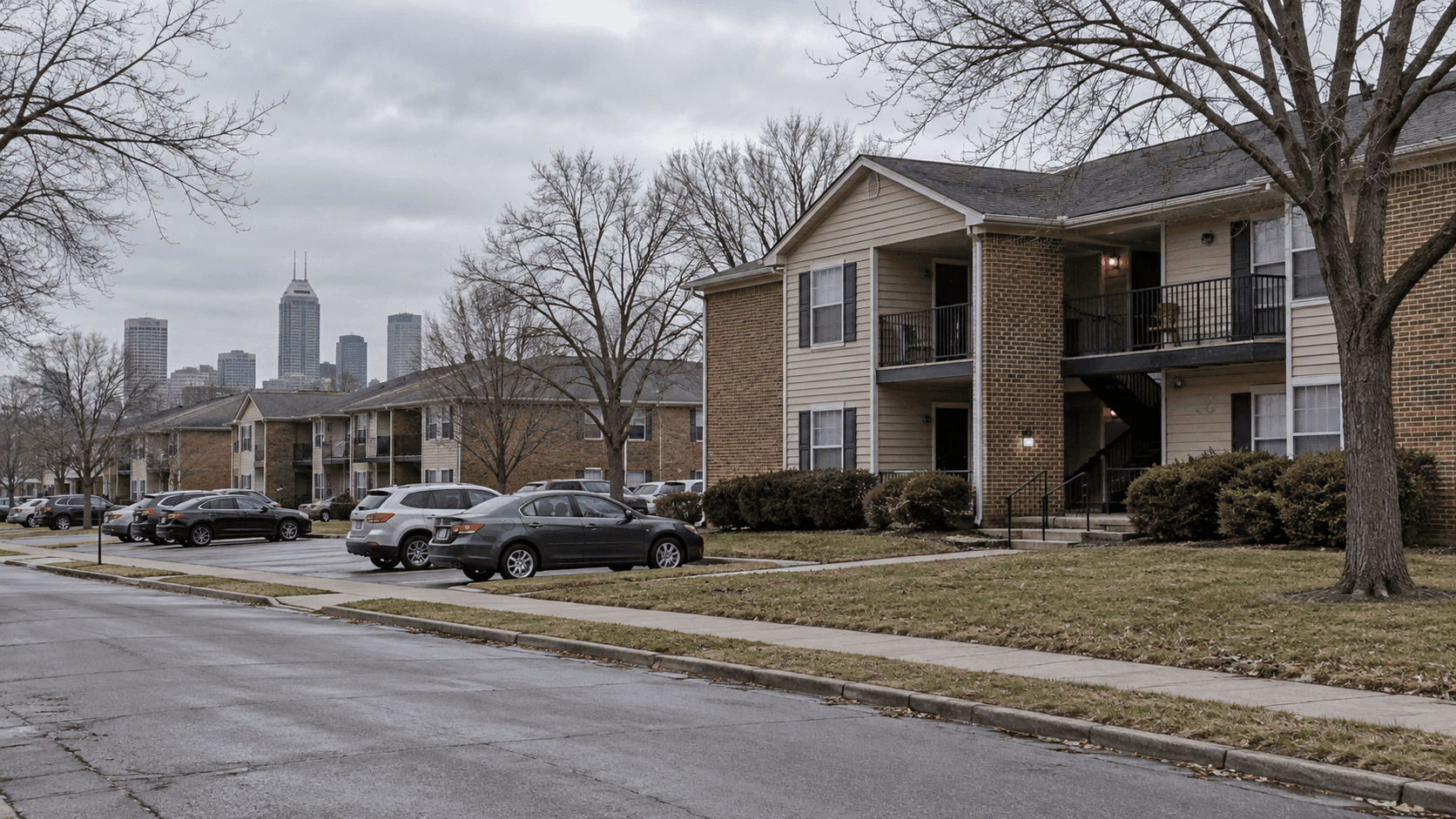
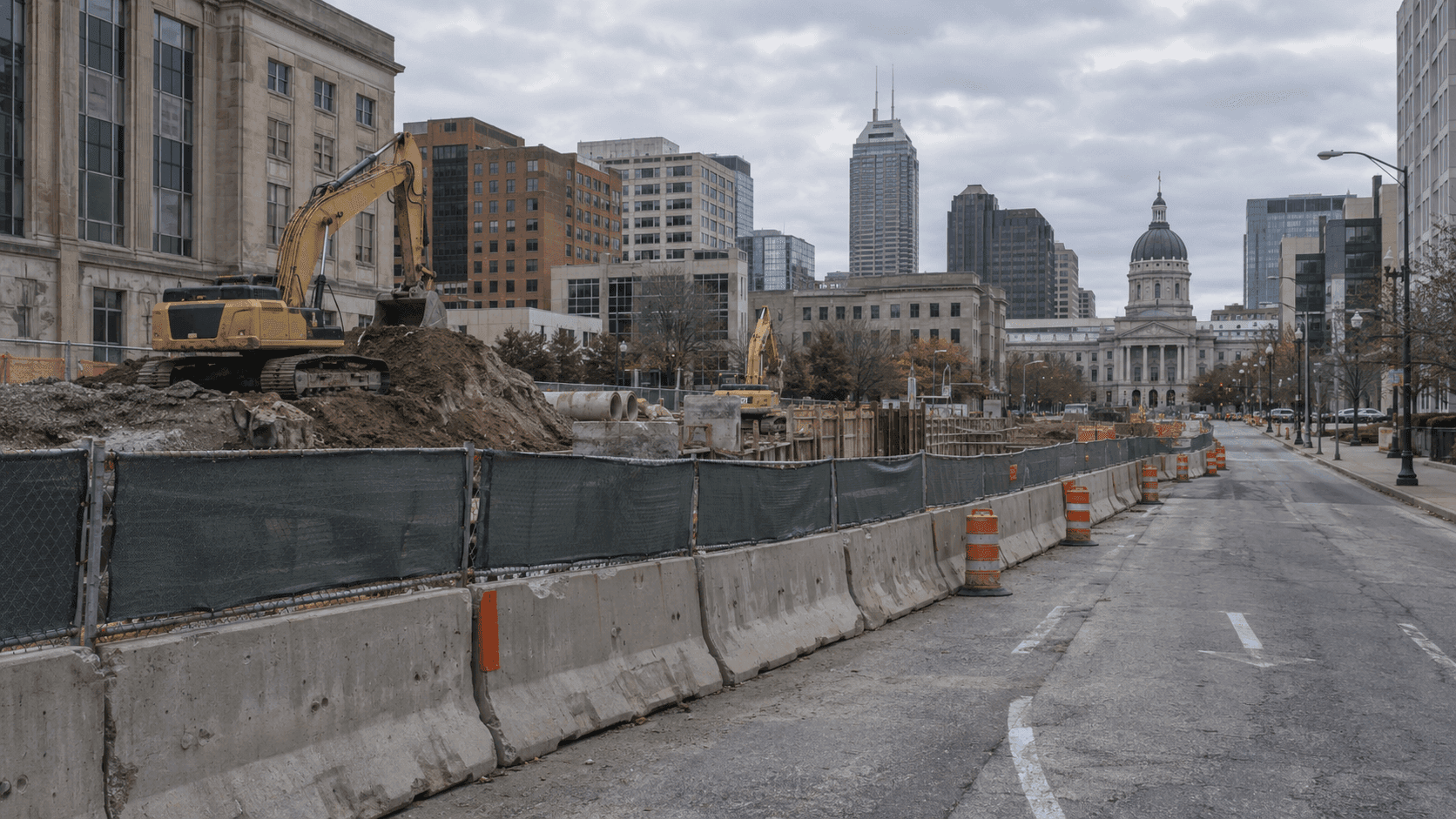
A construction worker was trapped shoulder-deep in a collapsed trench at a job site in the 2200 block of West Washington Street on the west side of Indianapolis on Friday, September 25, 2026, according to WISH-TV’s report[1]. Fox59 and WTHR also published accounts of the rescue. The investigation is ongoing, and the reported facts may change.
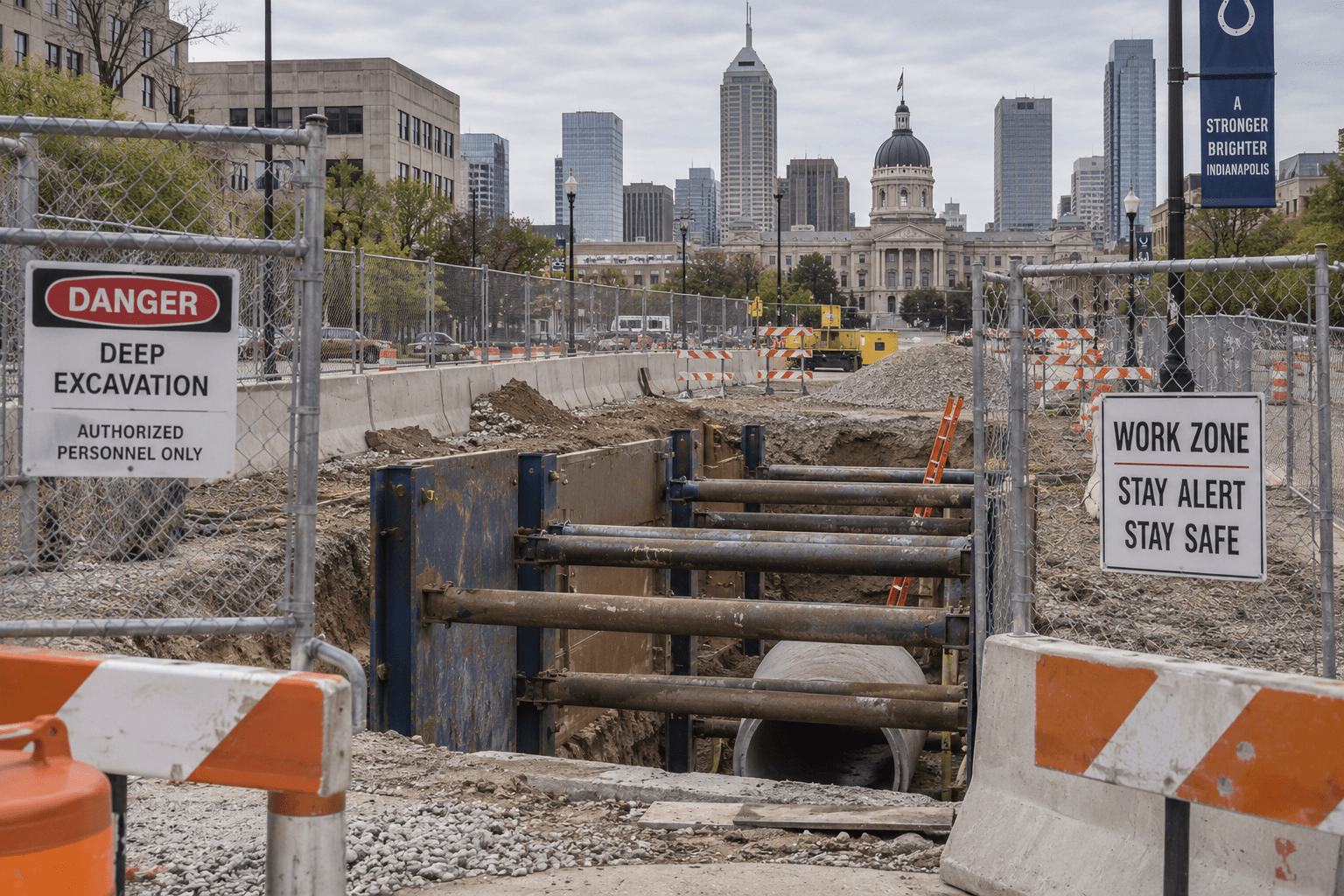
WISH-TV reported that the trench was about nine feet deep and four feet wide. A void space in the ground gave way while workers were removing a shoring panel, burying the worker who was directly above the void to his shoulders. WISH-TV identified him as Gabriel Padgett, 23, and identified his employer as Gradex Inc., a Carmel-based civil and site development contractor.
Indianapolis Fire Department crews worked for nearly three hours to free Padgett. WISH-TV reported that he became trapped at about 10:46 a.m. and was freed at 1:36 p.m. He assisted rescuers by removing dirt from around himself. He was evaluated at Eskenazi Hospital and released.
The Indianapolis Fire Department, Indianapolis Metropolitan Police Department, Indianapolis EMS, and Citizens Energy responded to the site, according to WISH-TV. No citations or arrests have been reported. WISH-TV did not report the weather, the depth of the shoring that had been in place before the panel was removed, or whether the site had been inspected before the collapse. Additional accounts were published by Fox59[2] and WTHR[3].
What an injured construction worker should do next
A trench collapse is a recognized construction hazard. Soil is heavy, and a cubic yard can weigh as much as a small car. When a trench wall gives way, a worker may have no time to move. Federal trenching rules therefore treat protective systems as mandatory at depth, and removing a shoring panel is a controlled step rather than a routine one.
If you are hurt on an Indiana job site, report the injury to your employer in writing, even when a supervisor witnessed it. Get medical care and continue to follow medical instructions if symptoms persist. You can also review the firm’s guidance about Indiana workers’ compensation claims and speak with a Fort Wayne construction accident attorney about the systems that may apply.
Indiana’s workers’ compensation system is usually the exclusive remedy against an employer for a workplace injury. That generally means an injured worker cannot sue the employer directly in tort. Workers’ compensation can pay authorized medical treatment and wage-replacement benefits without requiring the worker to prove fault, but the claim should be opened promptly.
Workers’ compensation does not necessarily protect other responsible parties from a separate civil claim. Depending on the evidence, a general contractor, site owner, separate subcontractor, engineering firm, or shoring-system maker or supplier could be outside the workers’ compensation bar. A separate claim against another responsible party must be coordinated carefully with the compensation claim. The firm’s guide to workers’ compensation and third-party claims explains that distinction.
Why preserving construction-site evidence matters
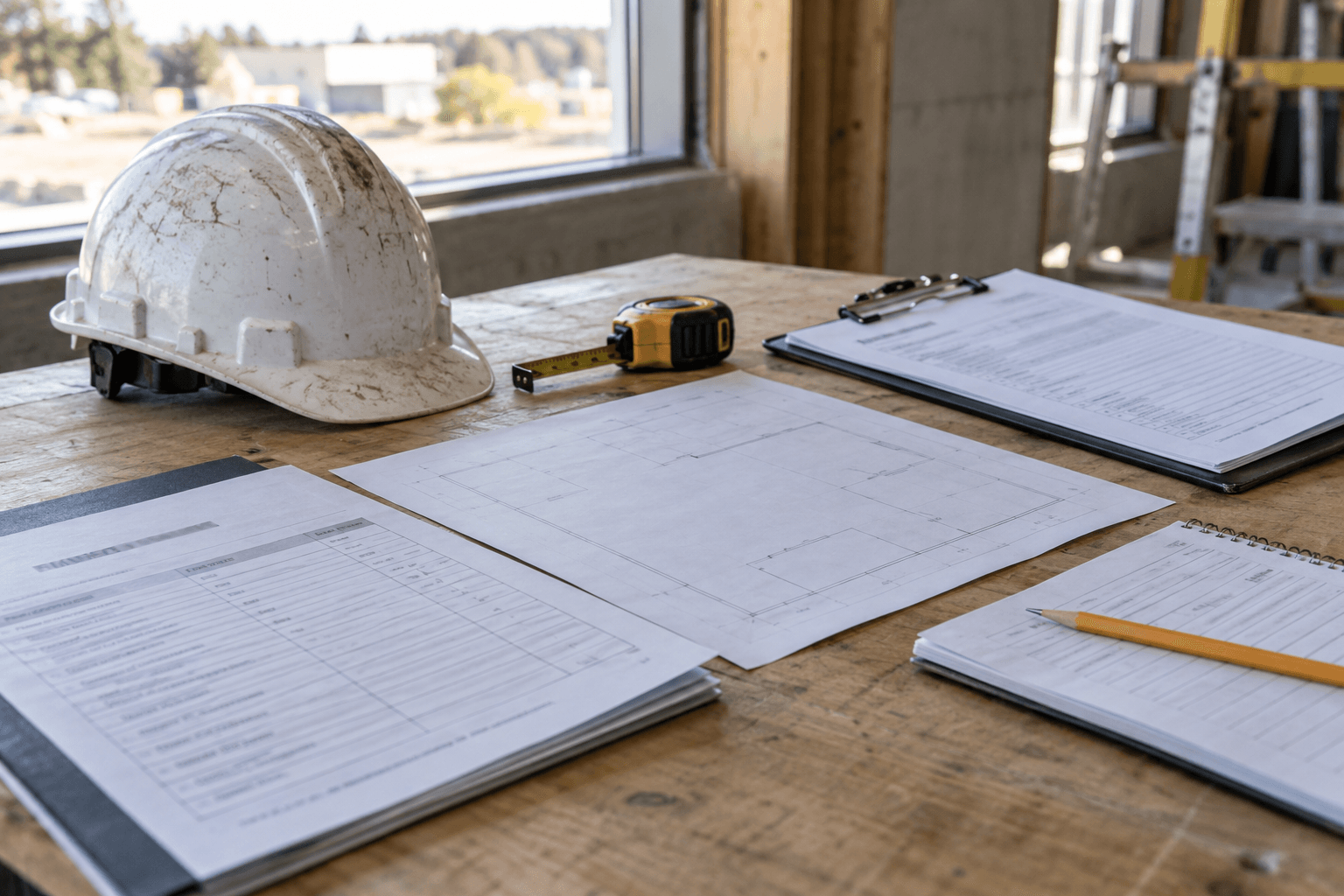
Evidence at a construction site can change quickly. A trench may be backfilled, shoring may be removed, and work may continue within days. Photographs of the excavation, soil face, spoil-pile placement, and protective system can be more useful when taken promptly than when reconstructed later.
The names of people working in and around the trench, inspection records, daily safety documents, contracts, and information about who controlled each part of the work may also matter. A federal workplace-safety investigation may create an important record, but it is not a substitute for preserving available site evidence. General information about what records may matter is available in the firm’s guide to preserving evidence for an Indiana injury claim.
Why the Indianapolis location matters
This incident happened in the 2200 block of West Washington Street in Indianapolis, which places it in Marion County. An Indiana civil claim is ordinarily filed in the county where the injury occurred or where a defendant resides or does business. The employer identified by WISH-TV is based in Carmel, in Hamilton County, which may create another venue question in a case involving a corporate defendant.
The work was taking place on a public street. Nothing in the reporting suggests that the City of Indianapolis, a municipal utility, or another government entity played a role in the collapse, and this article does not suggest otherwise. If evidence were to show that a government entity shared responsibility, however, the Indiana Tort Claims Act would require early written notice. Ind. Code 34-13-3-8 provides a 180-day notice period for a claim against a political subdivision such as a city or county. Ind. Code 34-13-3-6 provides a 270-day period for a claim against the state.
Indiana’s Comparative Fault Act, Ind. Code 34-51-2-6, governs claims against parties other than an employer. An injured person whose fault is greater than 50 percent recovers nothing. Otherwise, the recovery is reduced by that person’s percentage of fault. In a trench-collapse case, the evidence may determine how responsibility is divided among the parties that controlled the excavation, shoring plan, and sequence of work.
The general deadline for an Indiana personal injury claim is two years from the injury under Ind. Code 34-11-2-4. For an injury on September 25, 2026, that period would run to September 25, 2028. Workers’ compensation has separate notice and filing requirements, and government-related claims can carry much shorter notice periods.

How Delventhal Law Office can help
Delventhal Law Office, LLC is a Fort Wayne personal injury law firm founded by attorney Chad E. Delventhal in 2009. The firm handles workplace and construction injury matters, including cases in which workers’ compensation and a separate third-party claim must proceed together.
Delventhal Law Office can seek incident and response reports, work to preserve excavation evidence and shoring equipment, identify the businesses involved at the site, and explain how workers’ compensation, comparative fault, government-notice rules, and filing deadlines may apply. The firm serves people across Indiana who have been hurt by someone else’s carelessness and offers a free case evaluation.
This post is based on public reporting, the investigation may be ongoing, and nothing here is legal advice or creates an attorney-client relationship.