What happened
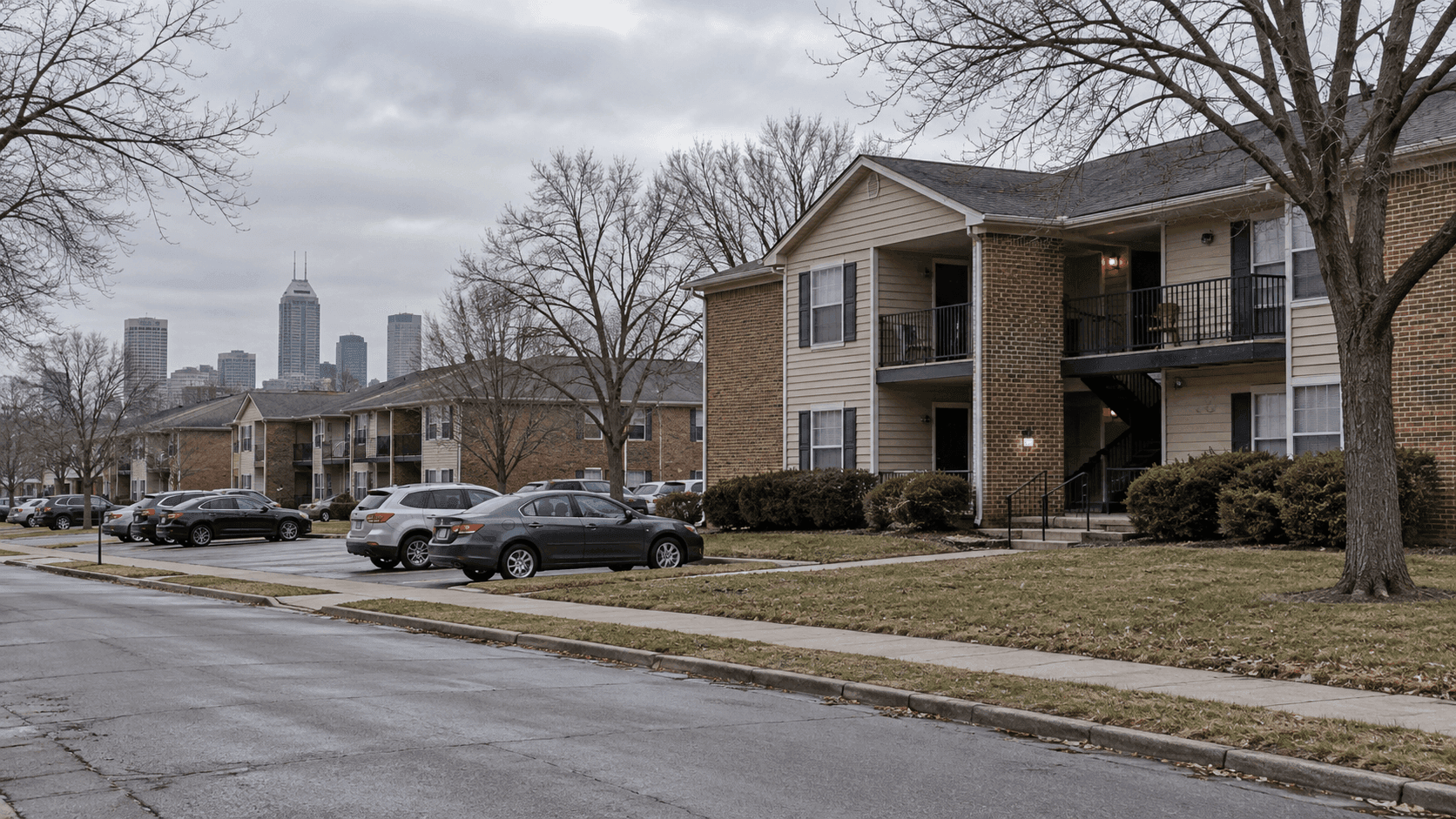
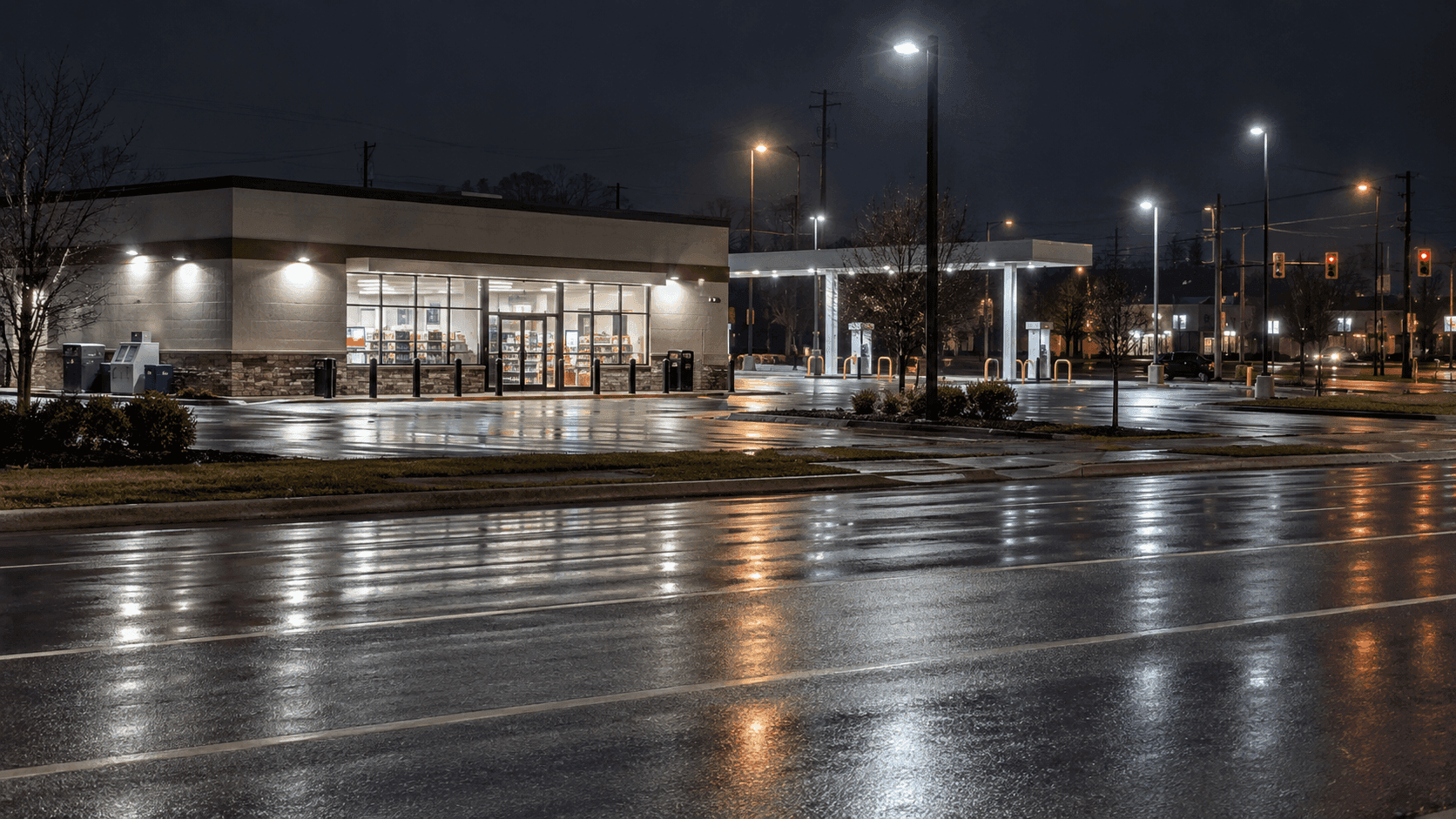
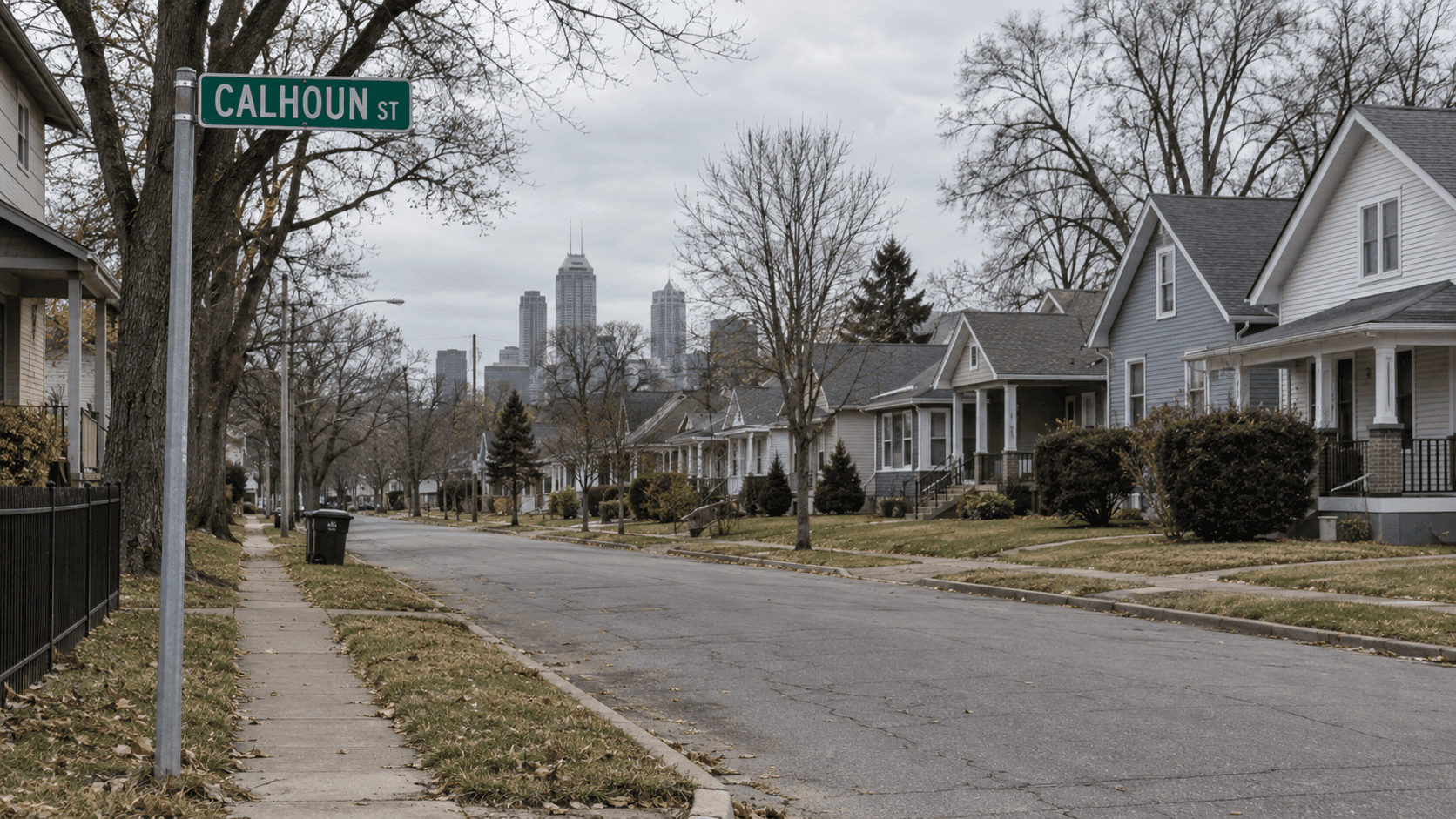
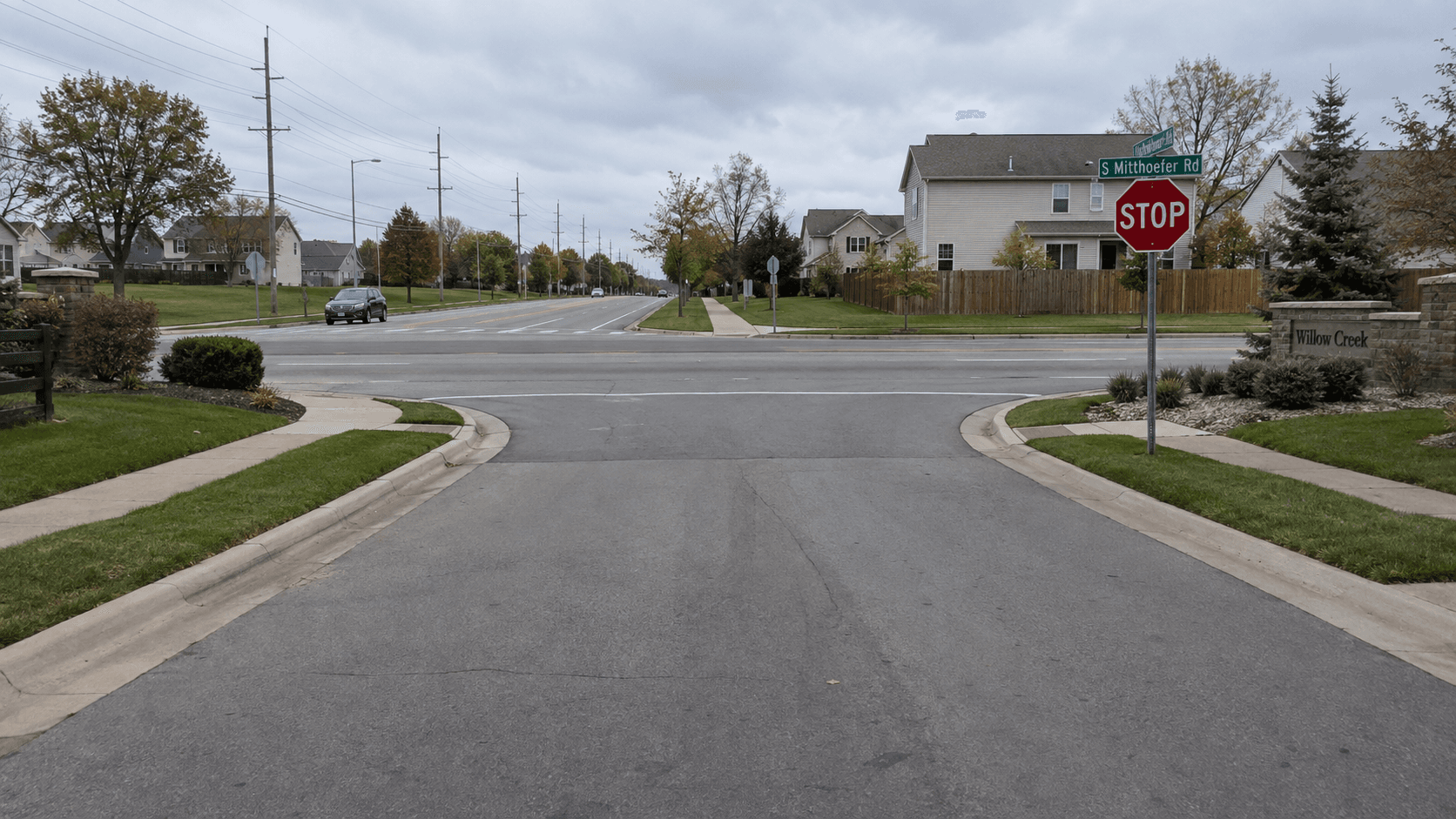
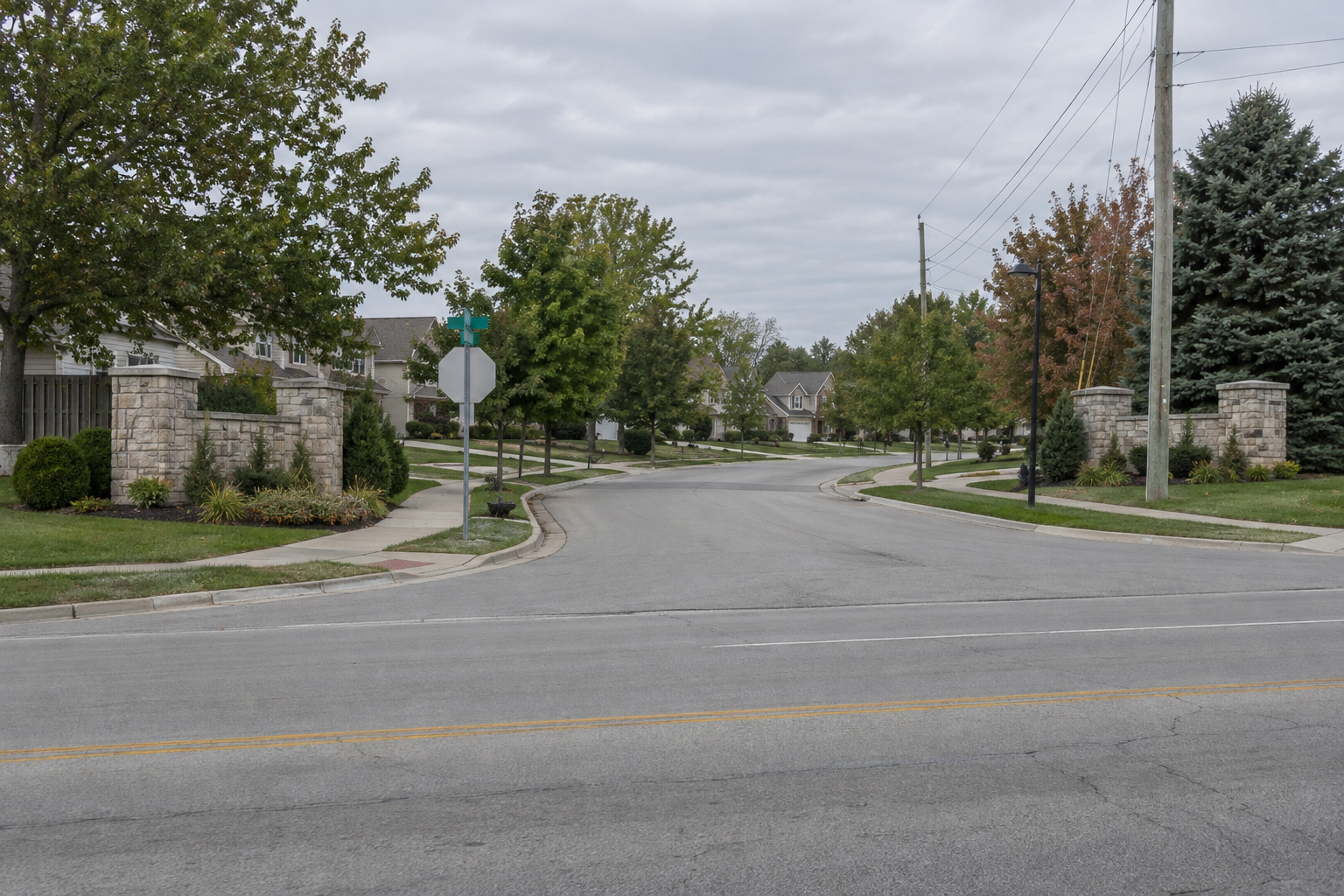
Indianapolis Metropolitan Police were dispatched just before 11 p.m. on Wednesday, September 9, 2026, to South Mitthoefer Road at Bucktail Boulevard on the far east side of Indianapolis, according to WISH-TV[1]. A 19-year-old man was shot and died at a hospital a few hours later, early on September 10.
FOX59[2] later reported that the man was a fare-paying passenger in the back of an Uber. The driver had picked him up at a home in the Trails at Grassy Creek neighborhood and was waiting to turn onto Mitthoefer Road when someone in a second vehicle opened fire and sped away.
FOX59 reported that the Uber's rear window was shattered and that the back door and passenger side had nearly a dozen bullet holes. The driver was not struck. WISH-TV identified the passenger as Jayden Jaquan Sanders, 19, and reported that he was initially in critical but stable condition before he died a couple of hours after reaching a hospital.
IMPD believes the shooting was targeted. Detective James Hurt of the IMPD Homicide Office is investigating. No arrests have been made, the other vehicle has not been identified, and the investigation remains ongoing.
What rideshare passengers and families should know
The report that Sanders was riding as a passenger on an active Uber trip changes the insurance questions. Commercial rideshare coverage is generally in force after a driver has accepted a ride and while the passenger is in the vehicle. The precise coverage depends on the policy and trip status, so both must be documented and reviewed. More information is available in the firm's guide to Fort Wayne Uber and Lyft accident claims.
Uninsured motorist coverage may matter when the person responsible for an injury cannot be identified or has no insurance. Depending on the policy language, possible coverage may include the rideshare commercial policy and a passenger's own household policy. A passenger does not necessarily need to be driving or occupying a household vehicle for household coverage to apply. The firm's uninsured and underinsured accident guide explains these policy issues in plain language.
The active-trip connection should be preserved. Relevant records may include the trip record, pickup location and time, and the driver's account. Those records can establish that the passenger was on an active rideshare trip, and timely preservation requests matter because electronic information can be lost or overwritten. This guide to preserving evidence after an Indiana incident provides additional context.

Indiana deadlines and insurance law
Indiana Code 34-11-2-4[3] generally gives a person two years to file most personal injury claims. A criminal investigation does not pause a civil or insurance deadline. A wrongful death action under Indiana Code 34-23-1-1[4] generally must be filed within two years of the death. Depending on the decedent's family circumstances, Indiana Code 34-23-1-2[5] or Indiana Code 34-23-2-1[6] may apply instead. The proper statute determines who may bring the action and which damages may be recovered. Families can read more about the distinction in the firm's Indiana wrongful death and survival action guide.
Indiana Code 27-7-5-2[7] requires Indiana insurers to offer uninsured and underinsured motorist coverage. Depending on the policy, that coverage can apply to hit-and-run and unidentified-vehicle incidents. Indiana's minimum auto liability limits under Indiana Code 9-25-4-5[8] are $25,000 per person and $50,000 per accident for bodily injury, plus $25,000 for property damage.
Indiana's Comparative Fault Act, including Indiana Code 34-51-2-6[9], generally bars recovery when an injured person's fault is greater than 50 percent. Otherwise, recovery is reduced by that person's percentage of fault. That rule should not be used to assume liability in this case while the police investigation is still open.
How Delventhal Law Office can help
Delventhal Law Office, LLC is a Fort Wayne personal injury firm founded by attorney Chad E. Delventhal in 2009. The firm can review rideshare and household policies, preserve active-trip records, and explain the deadlines that may apply when the responsible person or vehicle has not been identified. Insurance coverage can be hotly contested, particularly when several policies may apply or an insurer disputes whether a ride was active.
If your family needs clear answers about an Indiana rideshare injury or wrongful death claim, you can request a free case evaluation.
This post is based on public reporting, the investigation may be ongoing, and nothing here is legal advice or creates an attorney-client relationship.