What happened
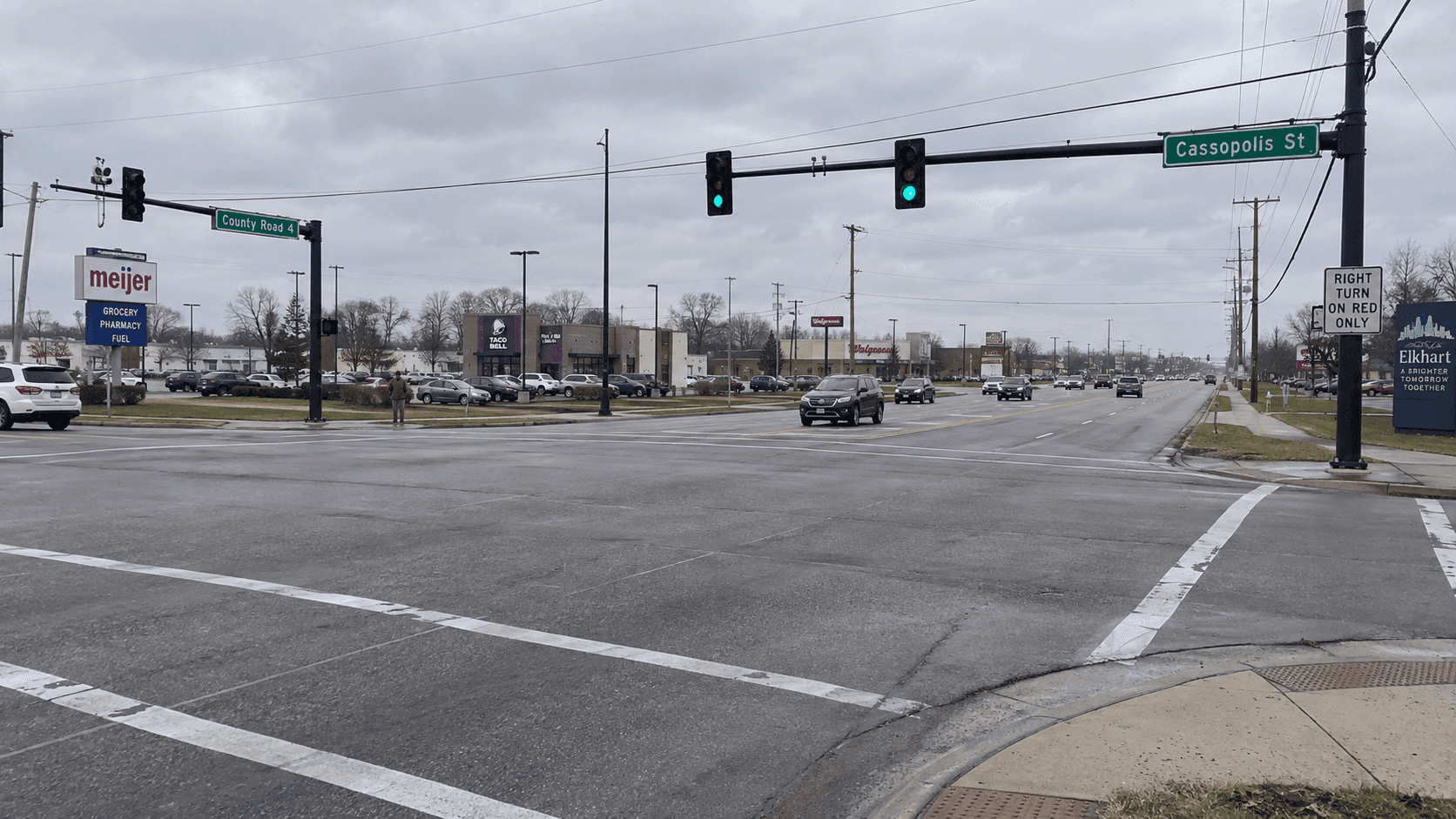
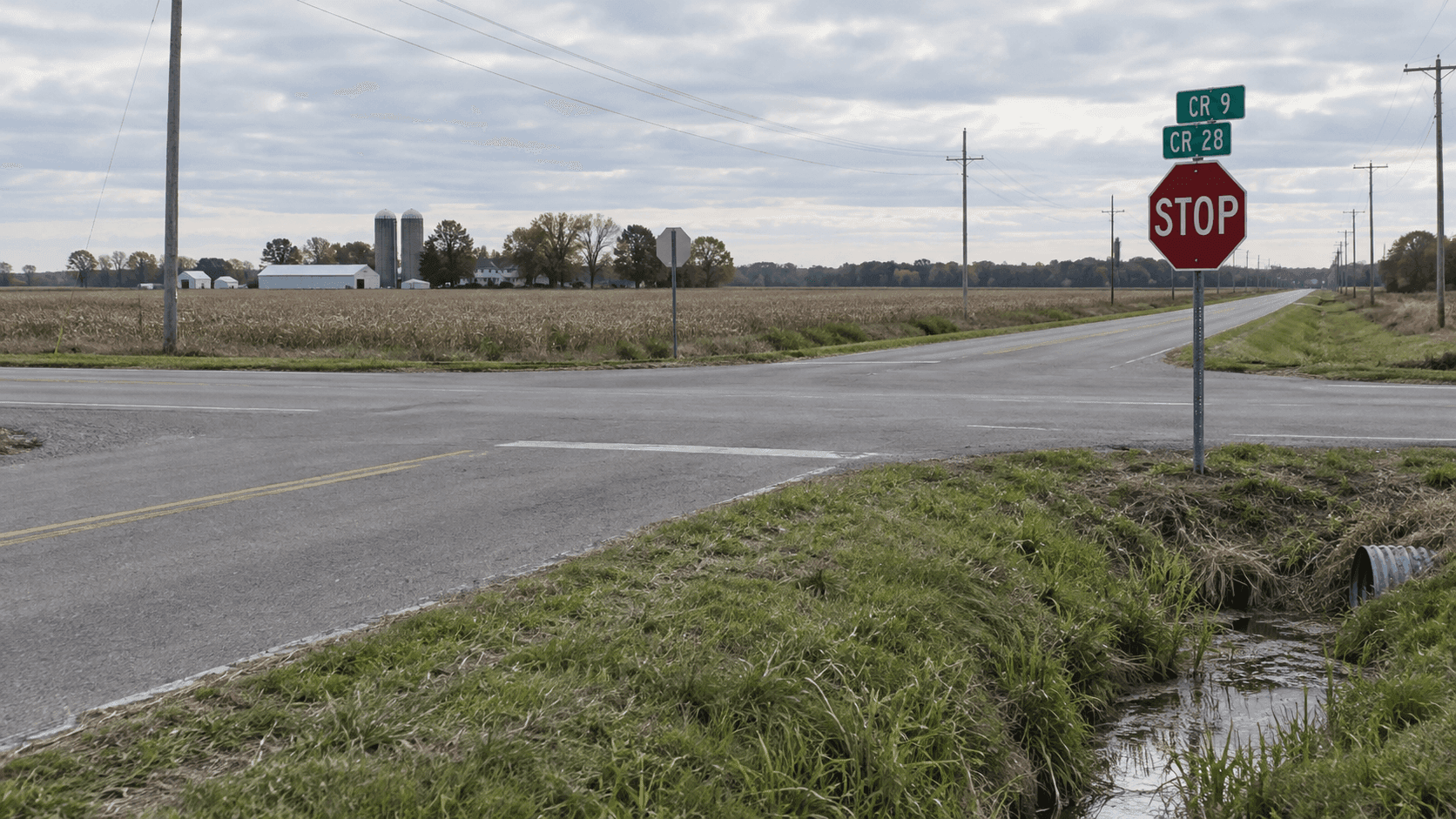
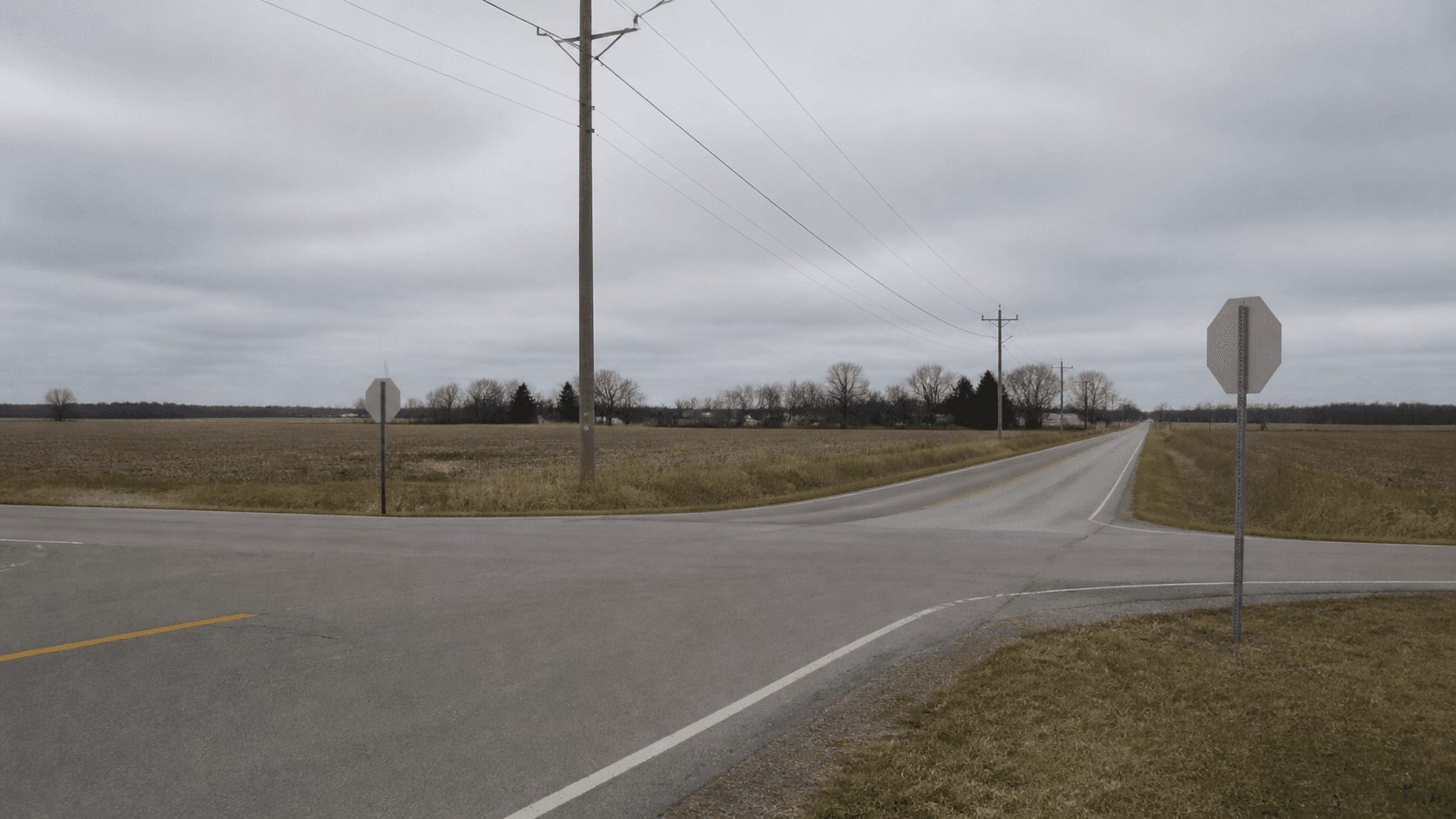
One driver was injured in a two-vehicle crash at County Road 20 and County Road 35 in Elkhart County, according to ABC57’s report[1]. Deputies with the Elkhart County Sheriff’s Office responded at 6:04 p.m. on Saturday, August 29, 2026.
ABC57 reported that deputies said the driver of a black Cadillac SRX allegedly failed to yield the right of way to oncoming traffic. A Lexus then struck the Cadillac. The Cadillac driver is a teenager who was not identified and was not injured.
The Lexus driver, who is 57, was transported to Goshen Hospital with a contusion to the right shin and a complaint of pain. No citations or charges were reported. The report did not state the vehicles’ speeds or directions of travel, the weather, the road conditions, or whether impairment or distraction was suspected.
What you should do after an intersection crash
If you were injured in a crash, obtain the responding agency’s report when it becomes available. Read the narrative and diagram carefully. A crash report can help document what investigators found, but it does not determine civil liability. This guide explains how to obtain an Indiana crash report.
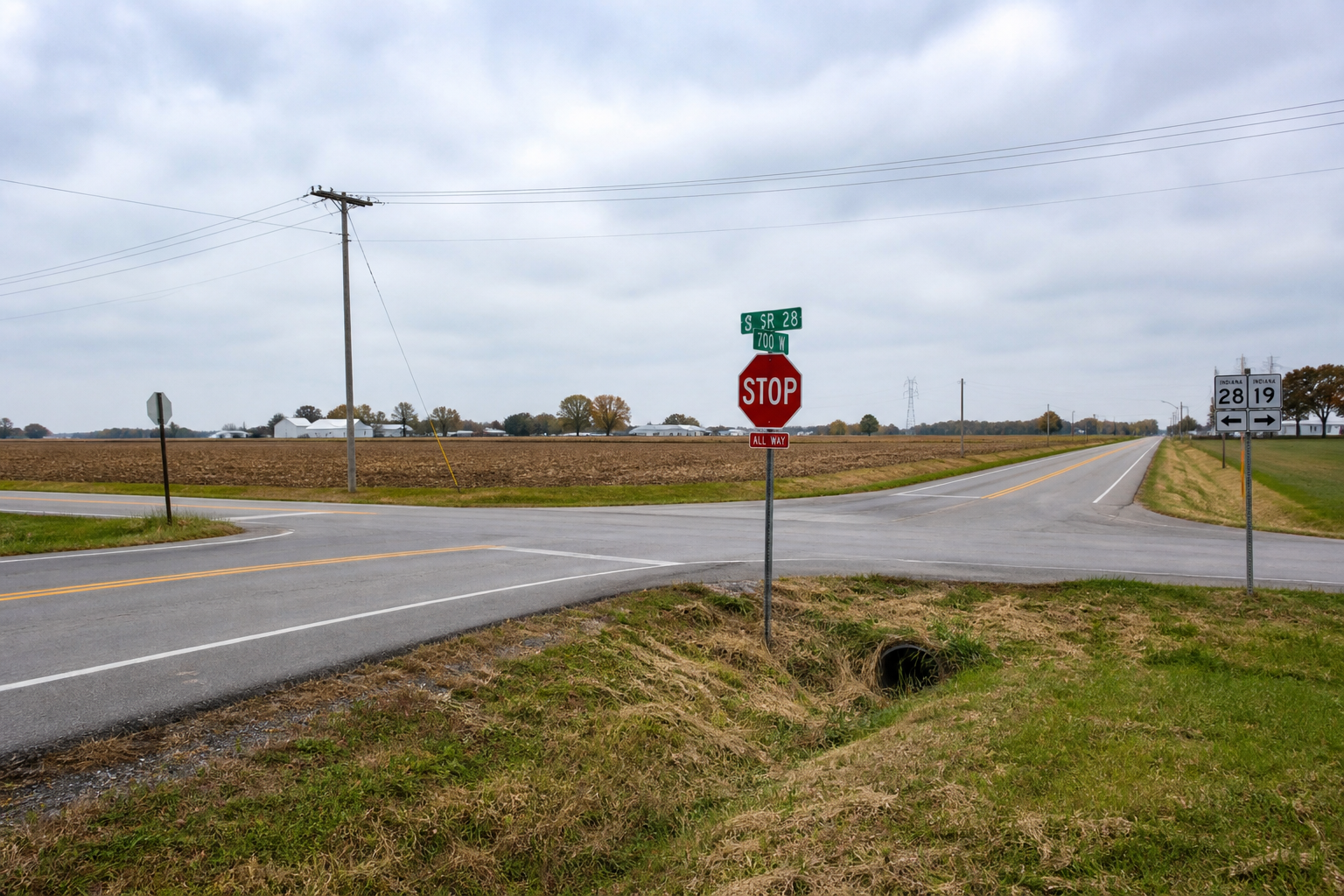
Preserve photographs of the vehicles and intersection before conditions change or repairs begin. Images of sight lines, vegetation, and traffic-control signs may help explain what each driver could see. Other useful records can include medical documents, bills, and notes about how the injury affects your regular activities. You can review a broader guide to evidence in an Indiana car accident claim.
A claim involving a teenage driver may require a careful review of the vehicle owner, applicable family auto policies, and whether an adult signed the teenager’s license application. Each possible claim depends on its own facts and proof. Indiana drivers can learn more about adult-signer liability involving teen drivers.

Why location matters in an Indiana injury claim
The crash occurred in Elkhart County, and the Elkhart County Sheriff’s Office investigated it. Those facts affect where you request the report and may affect where a lawsuit is filed.
Indiana applies modified comparative fault under Indiana Code 34-51-2-6[2]. An injured person whose fault is greater than 50 percent recovers nothing; otherwise, recovery is reduced by that person’s percentage of fault. Even when an initial report says one driver failed to yield, insurers may dispute how the crash happened. A Fort Wayne intersection accident attorney can review the available evidence without treating the initial report as the final word.
Most Indiana personal injury claims must be filed within two years of the injury under Indiana Code 34-11-2-4[3]. Indiana’s minimum auto liability limits are $25,000 per person and $50,000 per accident for bodily injury, plus $25,000 for property damage, under Indiana Code 9-25-4-5[4]. Indiana insurers must offer uninsured and underinsured motorist coverage under Indiana Code 27-7-5-2[5], and whether that coverage applies depends on the policy and the available liability insurance.
If evidence eventually identifies a sight-distance, signage, or county-road maintenance issue, government-claim rules may require earlier action. Written notice for a claim against a political subdivision is generally required within 180 days under Indiana Code 34-13-3-8[6]. A claim against the State generally requires notice within 270 days under Indiana Code 34-13-3-6[7]. The presence of a county road does not, by itself, establish a government claim.
How Delventhal Law Office can help
Delventhal Law Office, LLC is a Fort Wayne personal injury law firm founded by attorney Chad E. Delventhal in 2009. The firm can obtain and review the sheriff’s report, preserve available evidence, identify potentially applicable insurance policies, and explain the deadlines that may affect a claim. You can request a free case evaluation.
This post is based on public reporting, the investigation may be ongoing, and nothing here is legal advice or creates an attorney-client relationship.
Update: Additional crash details reported, September 2, 2026
The Goshen News reported[8] that the Cadillac was a 2015 SRX driven by a 16-year-old from Osceola and the Lexus was a 2019 RX driven by a 57-year-old woman from Middlebury.
According to the new report, the Cadillac spun 180 degrees and came to rest in the southeast corner of the intersection. The Goshen Police Department investigated the crash. The report did not identify the minor driver or state who owns the Cadillac.
The original facts above remain accurate based on the available public reporting, and the investigation may still be ongoing.