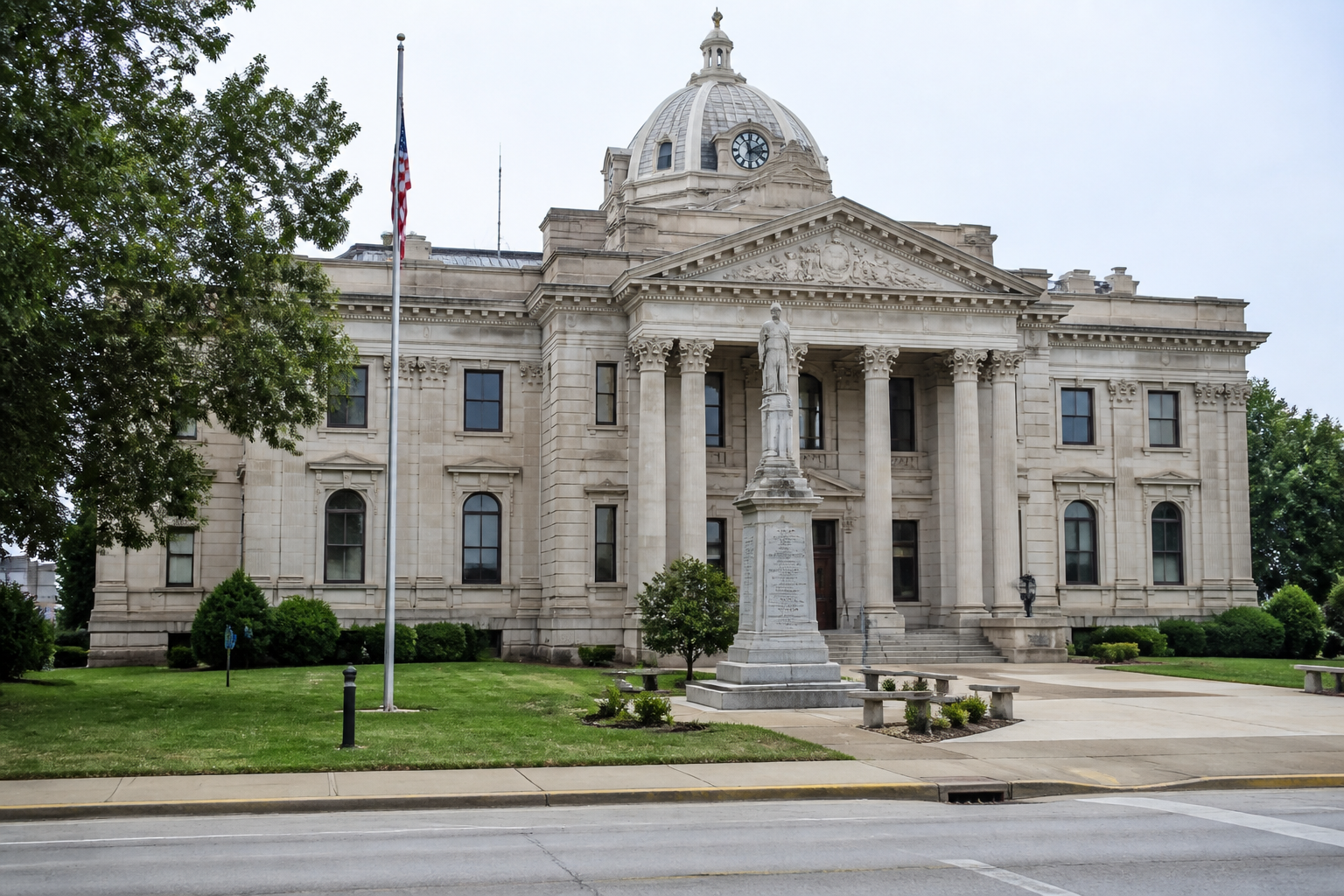
On Monday, August 24, 2026, a 37-year-old Syracuse man pleaded guilty in Kosciusko Superior Court Three to causing a death while operating a vehicle with an alcohol concentration of 0.08 percent or more, a Level 4 felony. He also pleaded guilty to a habitual vehicular substance offender enhancement based on two prior OWI convictions.
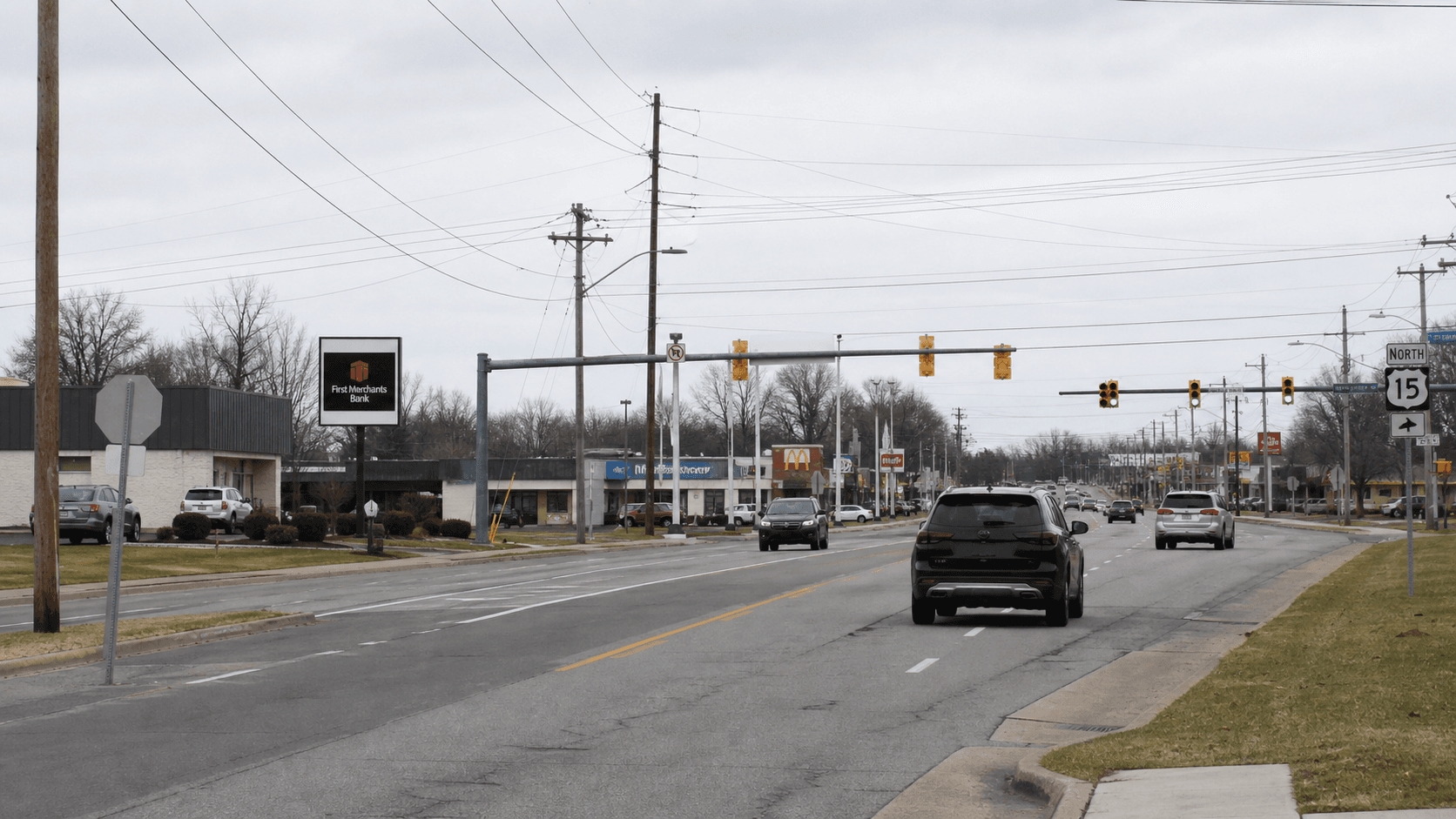
The charge arose from a July 2025 motorcycle crash on North Detroit Street in Warsaw, following a ride south on State Road 15. His 33-year-old passenger, a Mentone woman, died the following day. For a family facing this loss, it is important to understand that the criminal case punishes the driver but does not replace a separate civil wrongful death claim.
What happened
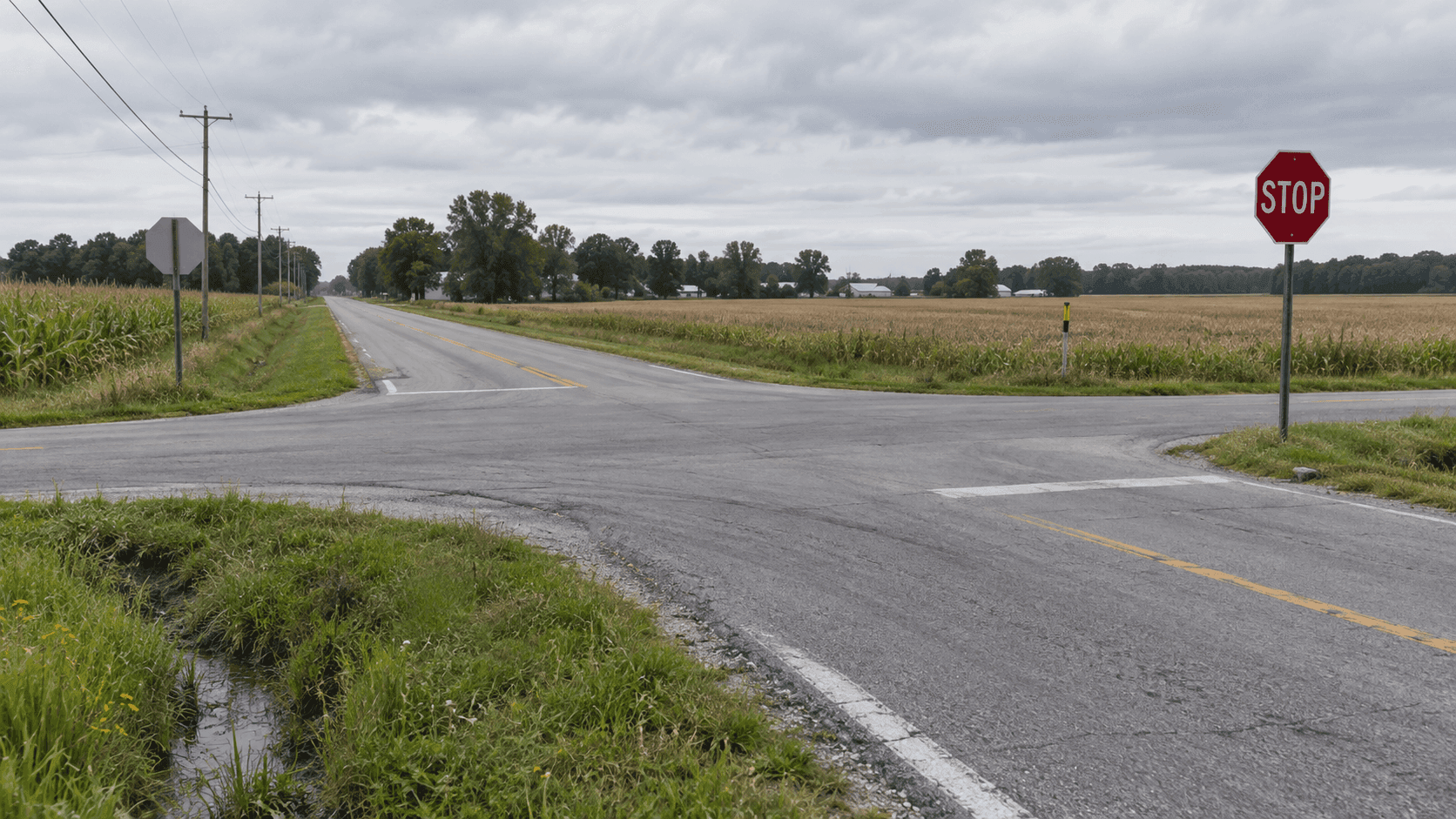
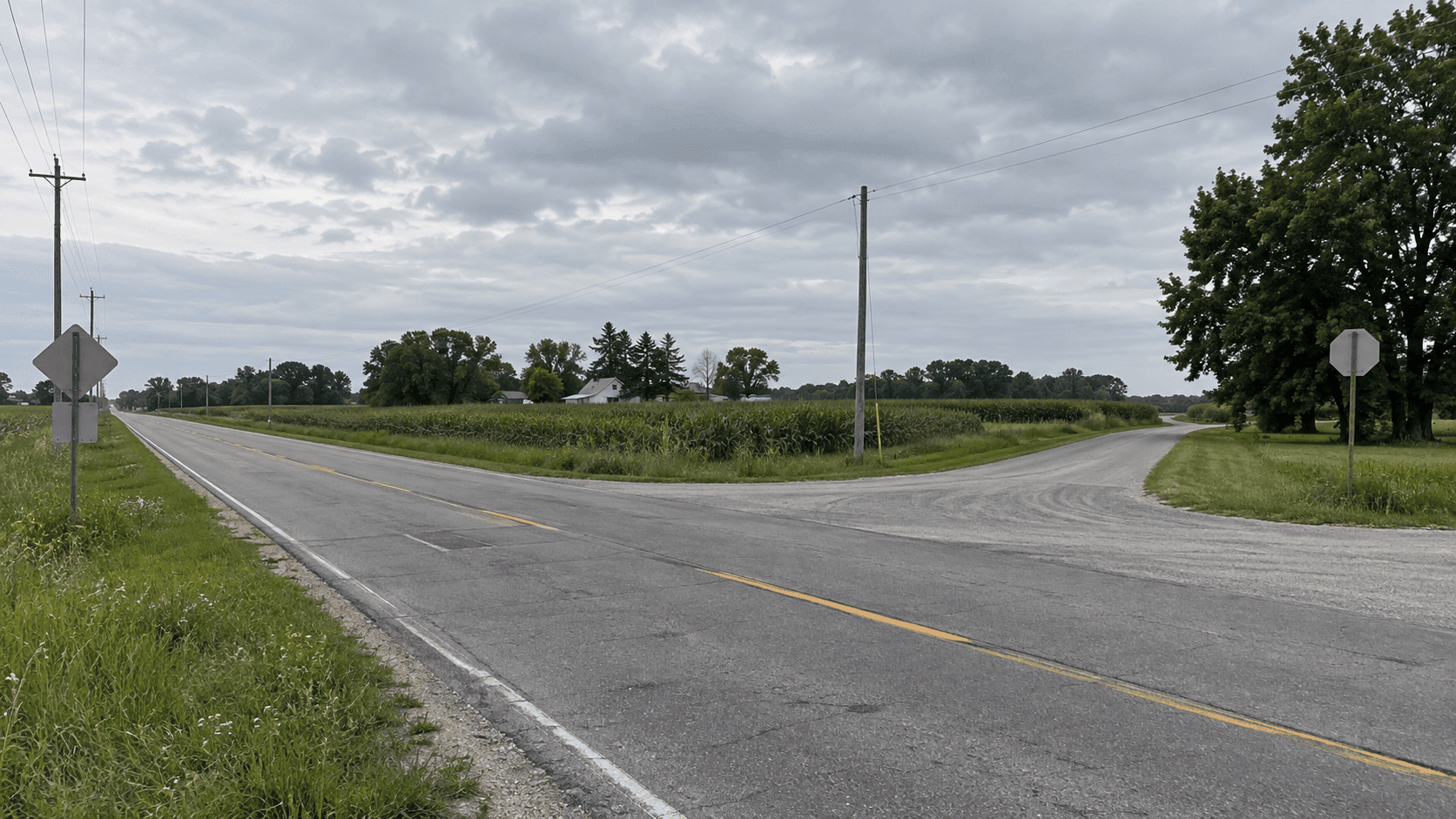
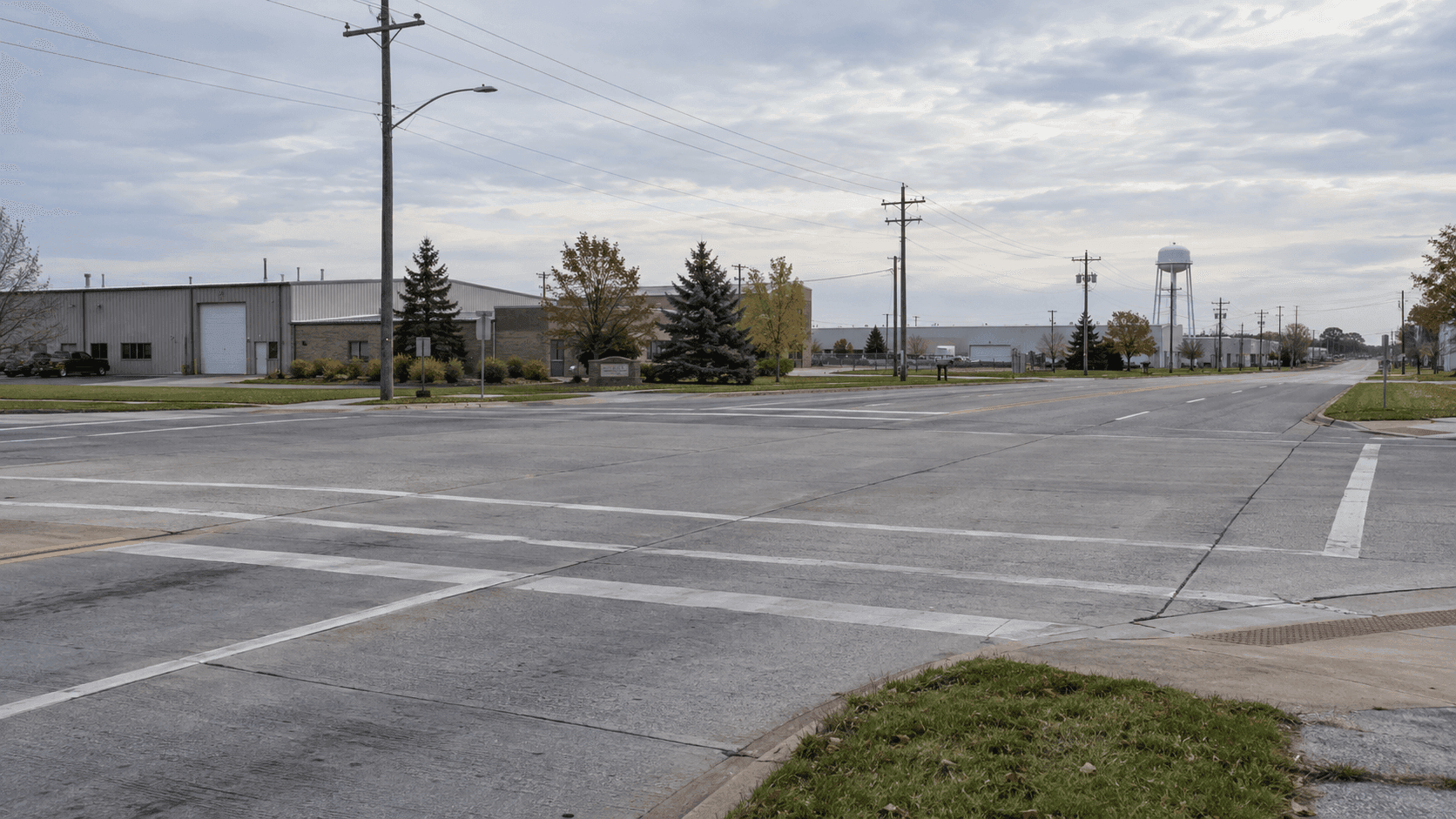
According to InkFreeNews[1], the change-of-plea hearing took place on August 24, 2026. The underlying crash occurred July 20, 2025, at 3197 N. Detroit St. in Warsaw after the motorcycle traveled south on State Road 15 from North Webster.
The passenger died July 21, 2025. The operator was flown to Lutheran Hospital in Fort Wayne with a broken left fibula, a broken left foot, and road rash.
The operator told police that he lost control in loose gravel. A witness gave investigators a different account, stating that he was riding with no hands on the handlebars, hugging the center line, and attempting to high-five oncoming traffic, and that there was no loose gravel at the site. Investigators found that the motorcycle had crossed the centerline.
A certified chemical test dated August 15, 2025, returned a 0.12 percent blood alcohol concentration. Sentencing is scheduled for November 23, 2026. These are reported facts from the criminal proceeding and investigation, not a civil finding about every potentially disputed issue.
What families should do next
If someone in your family was killed or seriously hurt while riding with an impaired driver, remember that the prosecutor represents the State of Indiana. The family's civil case is separate. A conviction may lead to restitution, but it does not decide or fully address a wrongful death claim.
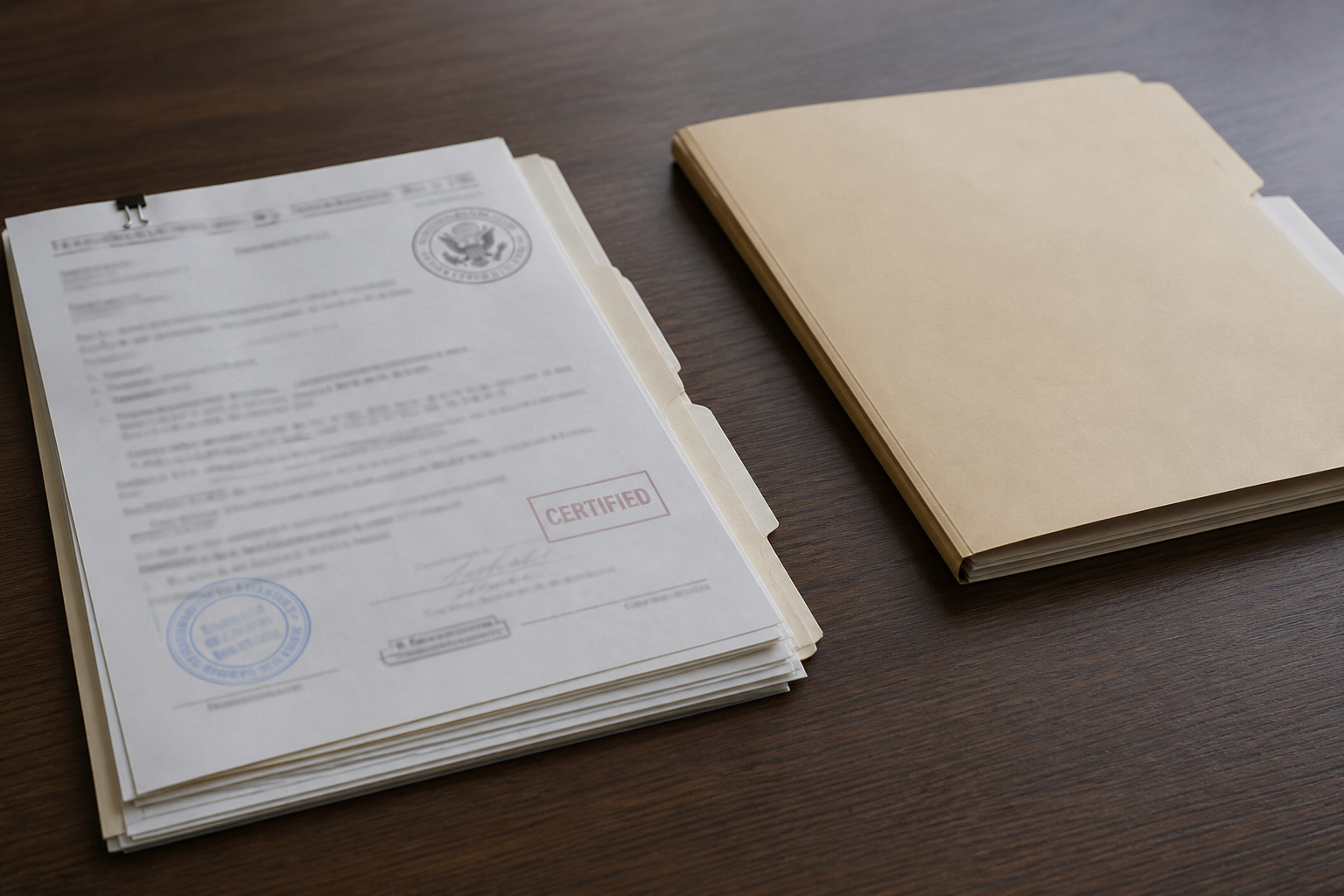
Certified copies of the guilty plea, plea agreement, and hearing transcript can matter. So can the full investigation file, including witness statements, photographs, scene measurements, chemical-test records, and officer notes. The investigating agency's crash report can usually be obtained after the investigation, but a police report is not a determination of civil liability. This guide explains how to obtain an Indiana crash report.
Physical and electronic evidence may disappear quickly. The motorcycle, phones, available vehicle data, photographs, and other materials should be identified and preserved before a vehicle is salvaged or data is overwritten. You can read more about evidence that may help prove an Indiana crash claim.
Every potentially applicable insurance policy should also be reviewed. Indiana's minimum auto liability insurance is $25,000 per person and $50,000 per accident for bodily injury, plus $25,000 for property damage under Indiana Code 9-25-4-5[2]. Indiana insurers must offer UM/UIM coverage under Indiana Code 27-7-5-2[3]. Depending on the policy, household UM/UIM coverage may apply to a family member killed while riding as a passenger on someone else's motorcycle.
Before giving an insurer a recorded statement or signing a broad medical authorization, you should understand who the insurer represents and what coverage may apply. The firm's guide to recorded statements and medical releases explains common concerns.
Deadlines and Indiana law
Most Indiana personal injury and wrongful death claims must be filed within two years of the injury or death under Indiana Code 34-11-2-4[4]. Indiana Code 34-23-1-1[5] is the general wrongful death statute. The proper person to bring a claim and the recoverable damages can depend on whether the person who died was married, had dependents, or was an unmarried adult without dependents.
The civil deadline generally runs from the death, not from the guilty plea or sentencing. Here, the reported death occurred July 21, 2025. The criminal sentencing date does not stop the separate civil clock. Insurance policies can also impose notice and cooperation requirements, so waiting for the criminal case to end can create avoidable problems.
Under Indiana's Comparative Fault Act, an injured person whose own fault is greater than 50 percent recovers nothing; otherwise, recovery is reduced by that person's percentage of fault under Indiana Code 34-51-2-6[6]. In a passenger claim, an insurer may examine what the passenger knew about the operator before the ride. That is a fact-specific issue and should not be assumed from the crash alone.
Indiana's dram shop law, Indiana Code 7.1-5-10-15.5, permits liability only when a person or business that furnished alcohol had actual knowledge that the person served was visibly intoxicated and the intoxication proximately caused the injury. The report that a ride began at a tavern does not establish who furnished alcohol, how much was furnished, or whether the operator appeared visibly intoxicated at the time. Receipts, point-of-sale records, video, and witness testimony may be important if the facts support investigating that question.
If a city, county, the State, or another governmental entity may be involved, shorter rules can apply. Written tort claim notice generally must be given within 180 days for a city, county, town, or other political subdivision under Indiana Code 34-13-3-8[7], and within 270 days for the State under Indiana Code 34-13-3-6[8].
Why the Warsaw location matters
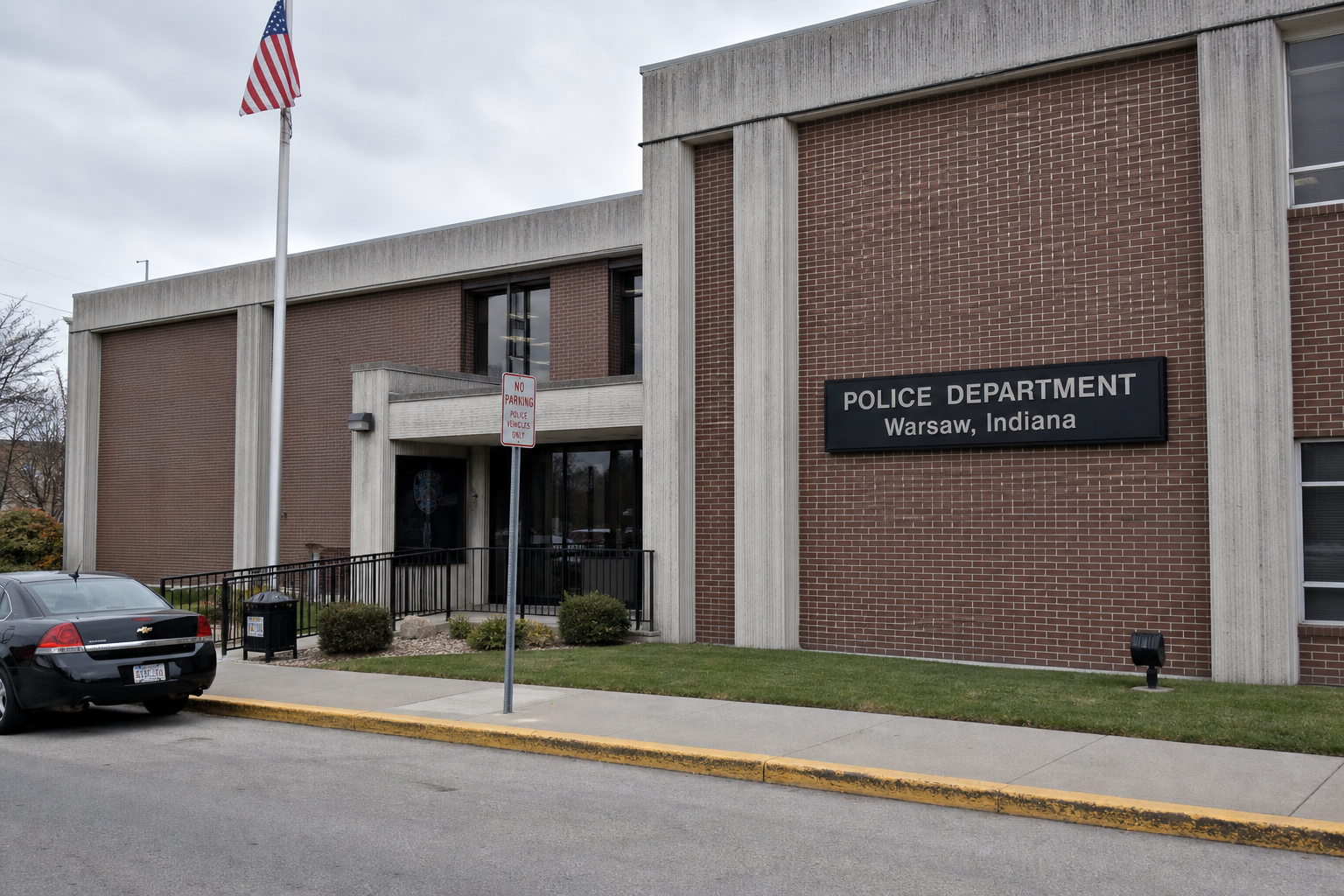
The crash was reported at a Warsaw street address on North Detroit Street after travel south on State Road 15. The Warsaw Police Department investigated, and the criminal proceeding is in Kosciusko Superior Court Three. Those facts help identify where to request records and where relevant evidence may be held.
Location can also affect which public agency controls a roadway and whether government notice rules should be considered. It does not, by itself, establish that a road condition or public agency caused a crash. The operator's loose-gravel account and the witness's differing account show why the complete file matters.
How Delventhal Law Office can help
Delventhal Law Office, LLC is a personal injury law firm in Fort Wayne, Indiana, founded by attorney Chad E. Delventhal in 2009. The firm handles wrongful death and impaired-driving matters throughout Indiana, including Kosciusko County and the State Road 15 corridor.
In a case like this, Delventhal Law Office can obtain certified court records and the investigation file, identify potentially applicable liability and UM/UIM policies, send timely evidence-preservation requests, and evaluate whether the available facts support a dram shop investigation. Families can learn more from the firm's Fort Wayne wrongful death attorney page or request a free case evaluation.
This post is based on public reporting, the investigation or court proceedings may be ongoing, and nothing here is legal advice or creates an attorney-client relationship.