A child pedestrian was struck by an SUV on Fort Wayne’s south side on Saturday afternoon. Indiana handles an injured child’s claim differently from an adult’s claim in important ways, including how fault may be evaluated and how filing deadlines work.
What happened
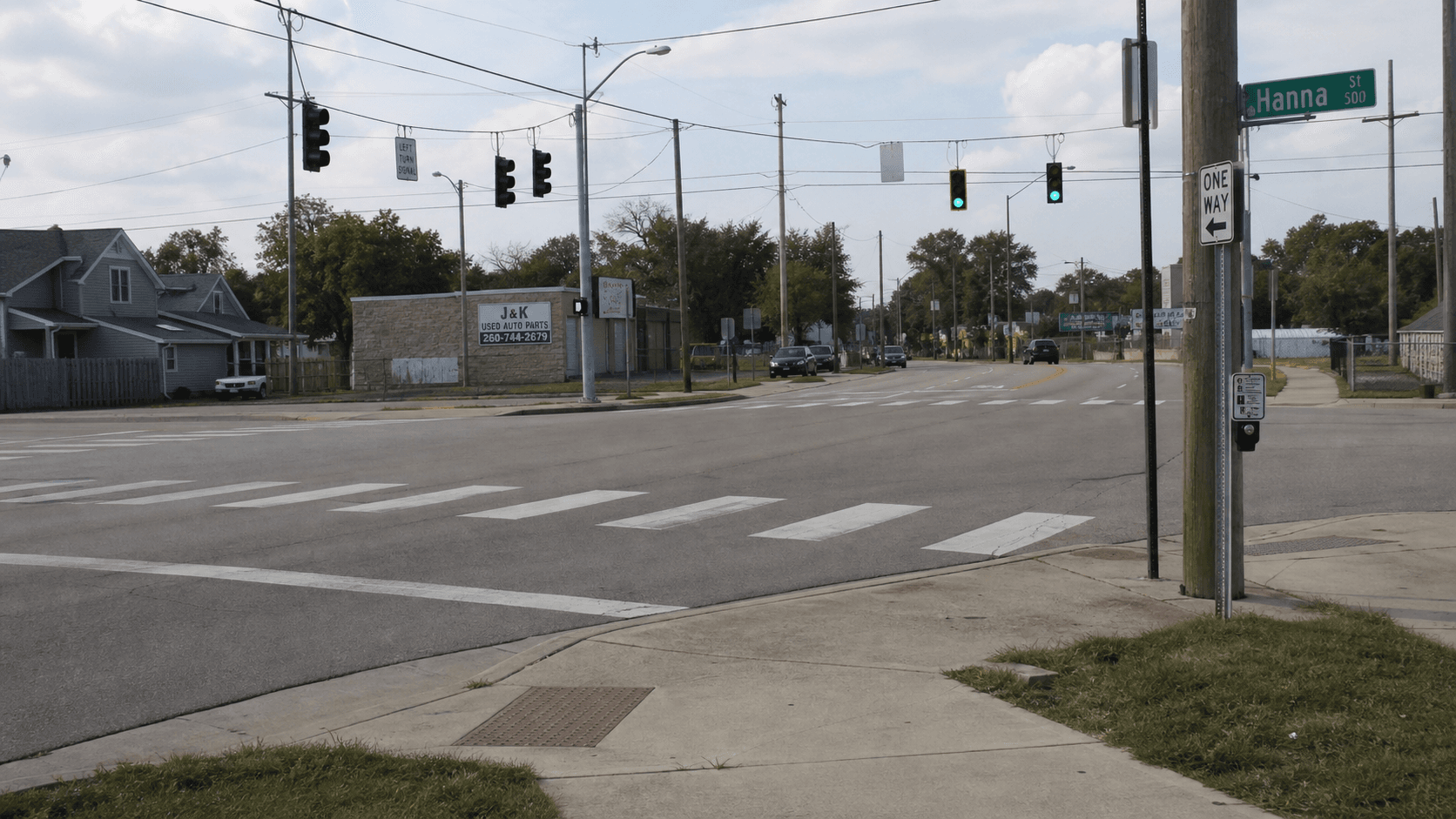
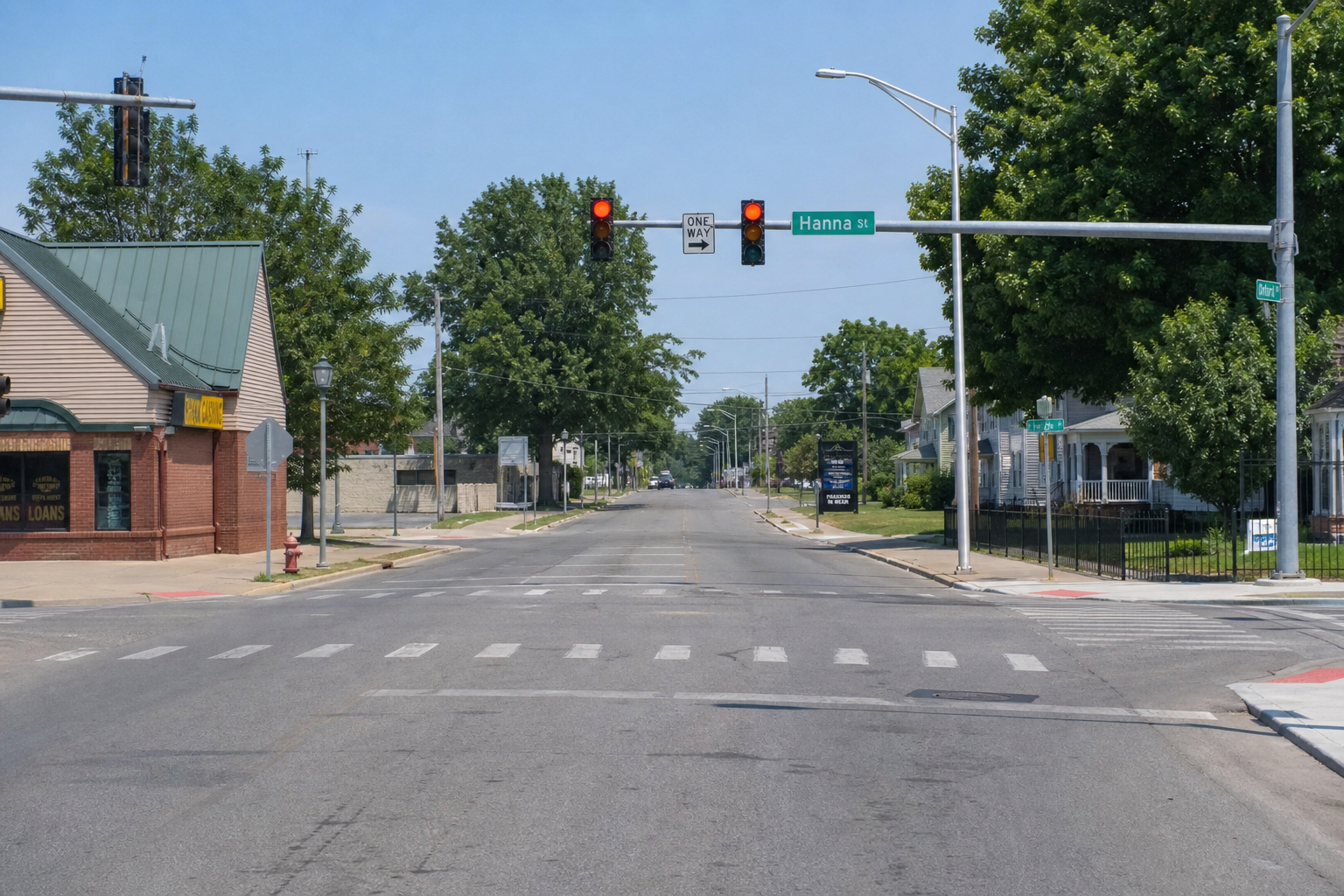
According to WANE 15’s report[1], a child pedestrian was struck by an SUV at Hanna Street and East Maple Grove Avenue at approximately 1:45 p.m. on Saturday, August 15, 2026. The child was transported to a hospital and was reported in serious condition.
The Fort Wayne Police Department responded and is investigating. At the time of reporting, no fault determination had been released, no citation had been announced, and no party had been identified. The child’s exact age, the crosswalk status, the signal phase, and the right of way at the moment of impact were not reported. Nothing further should be assumed.
What families should do next
Get a complete medical evaluation and appropriate follow-up care. Children may have difficulty describing symptoms, and some head, internal, or growth-plate injuries may not be immediately clear. Consistent pediatric care also creates medical documentation of the child’s condition and recovery.
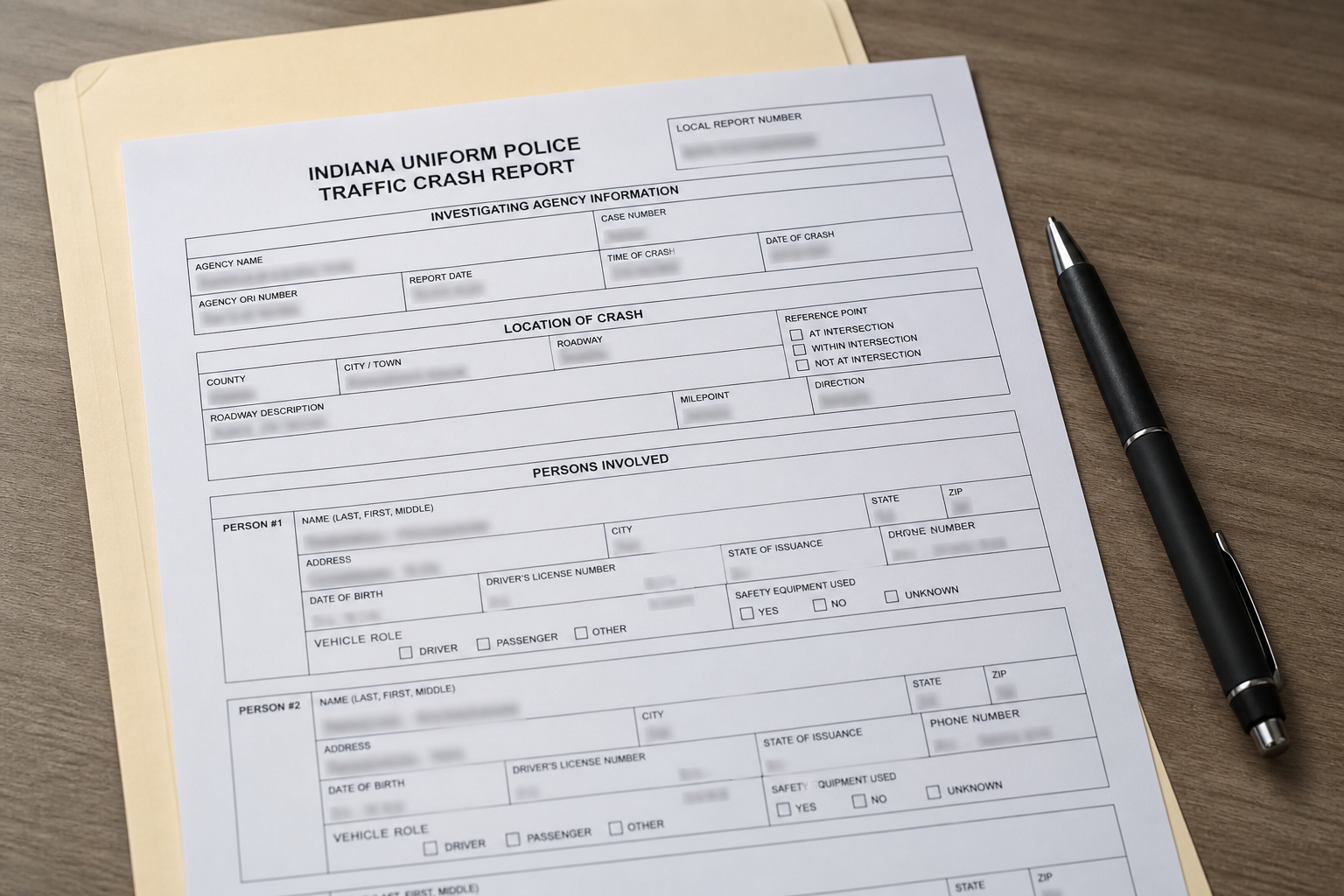
Request the crash report, but understand its limits. It is an important starting point, not a final legal decision about fault. Families can learn more about obtaining an Indiana police crash report and why other evidence may matter.
Preserve video quickly. Nearby businesses, residential doorbell cameras, passing vehicles, or traffic cameras may have captured the intersection. Recordings can be overwritten within days or weeks. Written preservation requests can help protect footage before it disappears. Witness names and contact information should also be gathered while memories remain fresh.
Identify every possible source of insurance. That may include the driver’s liability policy, the vehicle owner’s policy, the family’s uninsured or underinsured motorist coverage, and medical payments coverage. A household UM/UIM policy may cover a child struck while walking. Families facing serious medical bills may also find the explanation of who pays medical bills after an Indiana crash useful.
Health-plan, Medicaid, and hospital reimbursement claims should be identified and addressed. A settlement for a minor generally requires court approval, and the child’s funds are typically protected through a restricted account or structured arrangement until adulthood.
Why the location and the child’s age matter
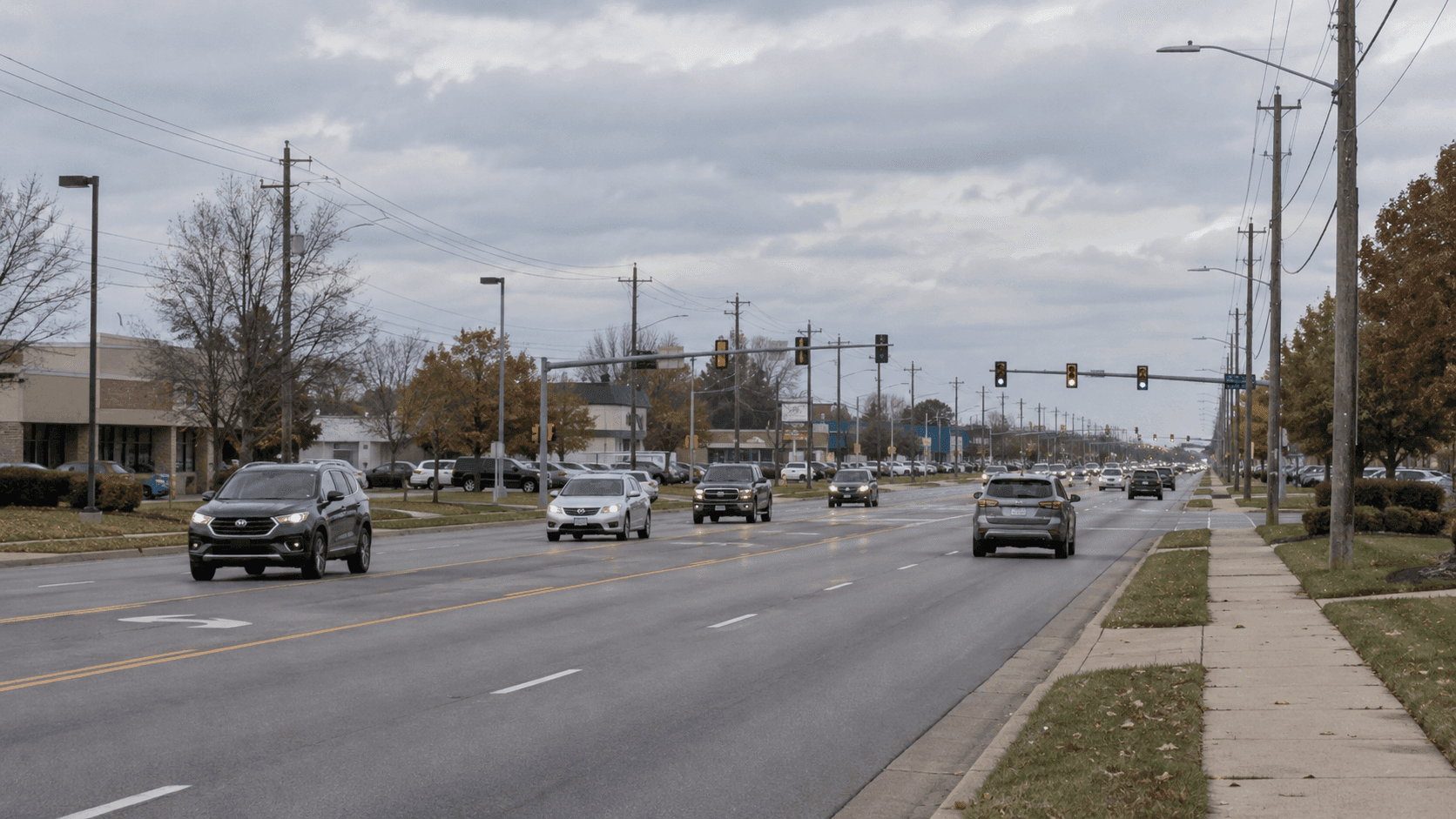
Hanna Street is a heavily traveled south-side Fort Wayne corridor with both vehicle and pedestrian traffic. Evidence at the intersection may include crosswalk markings, signals and pedestrian timing, the posted speed, travel lanes, lighting, and sight-line obstructions. These conditions can help answer where each person was and what each could see.
Right of way often depends on the precise location of the pedestrian at impact. Indiana law generally protects pedestrians within marked crosswalks and unmarked crosswalks at intersections, while drivers must exercise due care to avoid pedestrians. Because the public report does not state the crosswalk or signal status here, no conclusion about fault is appropriate.
Indiana’s Comparative Fault Act generally bars recovery when a claimant is more than 50 percent at fault, but children are not always judged by the same standard as adults. Very young children may be incapable of contributory negligence. For children roughly between ages 7 and 14, Indiana recognizes a rebuttable presumption that they lack the capacity to be negligent. The child’s unreported age and the full circumstances would matter to any legal analysis.
Indiana Code § 34-11-6-1[2] generally tolls the limitation period during a legal disability, and minority is a legal disability. A child’s own injury claim therefore generally does not expire until two years after the child turns 18. A parent’s separate claim for medical expenses is not generally tolled and ordinarily remains subject to the two-year period. Waiting can still harm either claim because video may be erased, physical conditions may change, and witnesses’ memories may fade. General deadline information is available in this guide to Indiana accident claim deadlines.

How Delventhal Law Office can help
If your child was struck by a vehicle in Fort Wayne or elsewhere in northeast Indiana, Delventhal Law Office can help your family obtain the crash file, send preservation demands, locate witnesses, identify available insurance, address medical liens, and navigate the court-approval process for a minor’s recovery. Insurance companies may aggressively defend fault and coverage issues, particularly when serious injuries exceed a policy’s limits.
You can speak with a Fort Wayne pedestrian accident attorney or request a free case evaluation to discuss your family’s situation and options.
This post is based on public reporting, the investigation may be ongoing, and nothing here is legal advice or creates an attorney-client relationship.