
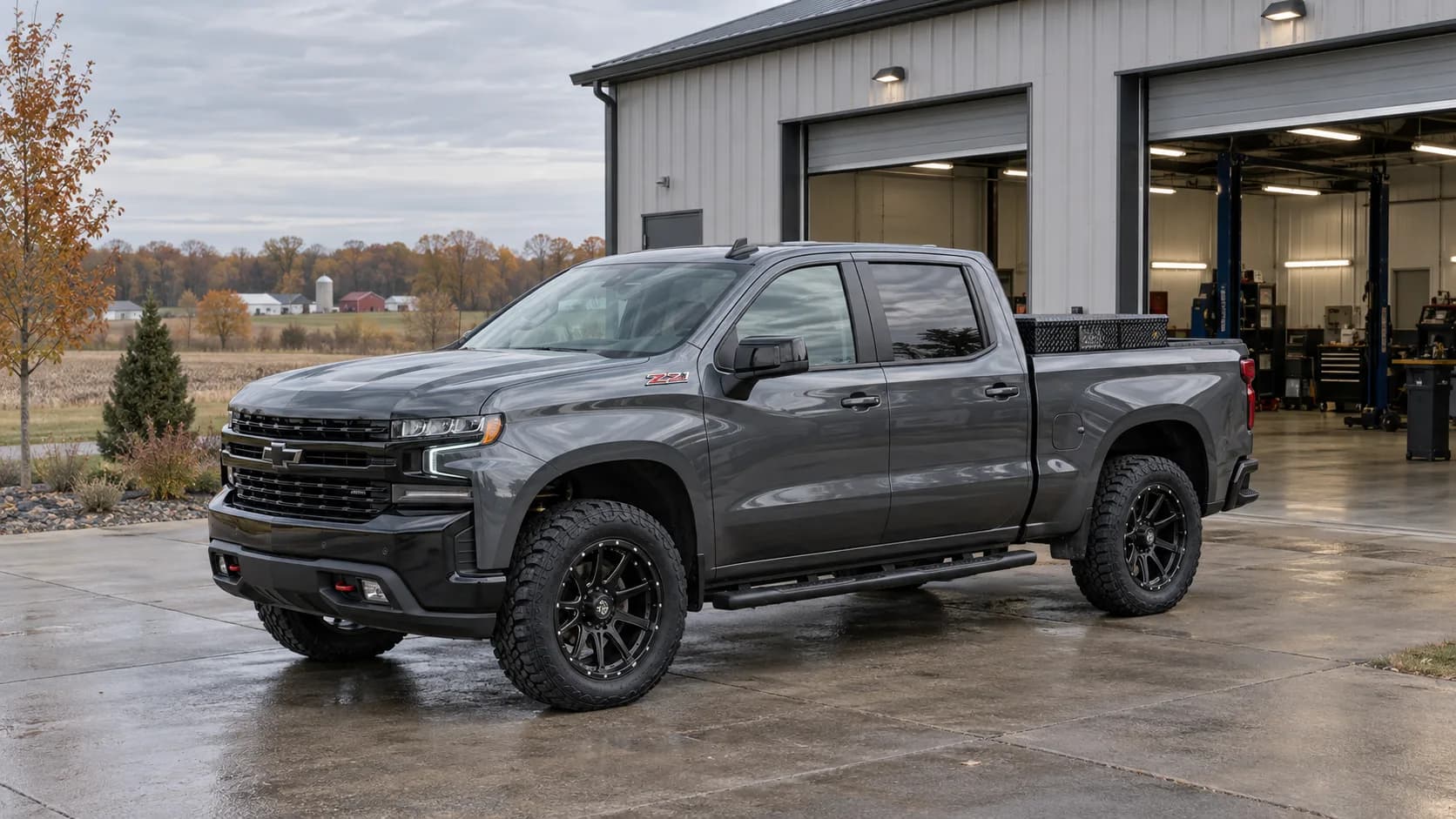
Custom wheels, upgraded audio equipment, toolboxes, accessibility equipment, lift kits, and other additions can make a vehicle more useful to you. Whether they are paid for after a total loss, and how much, is a separate question that depends on the policy language involved and on the records you can show the adjuster.
Key takeaways
- The Indiana Department of Insurance describes collision coverage as paying for damage to your car caused by collision or upset, subject to a deductible.
- It describes property-damage liability coverage as paying, up to the limits of the policy, for damage to other people’s property caused by your car.
- The Indiana Department of Insurance advises consumers to know what their policy covers, excludes, and requires.
- What a particular policy says about custom or aftermarket equipment depends on its wording, so read your declarations, endorsements, and valuation language.
- As a practical matter, receipts, installation invoices, and pre-loss photographs make it easier to ask whether each item was included in the valuation.
Which coverage may apply?
The first step is to identify whose policy is handling the property-damage claim. Based on IDOI’s coverage descriptions, a claim on your own collision protection is subject to its deductible, and a claim against another driver’s property-damage liability protection is paid only up to that policy’s limits. Neither IDOI description addresses custom or aftermarket equipment, so the policy wording is where that answer will be found.
| Possible source | When it may matter | What to review |
|---|---|---|
| Your collision coverage | It may apply to collision damage to your own vehicle, subject to the deductible and the policy’s terms. | Declarations, deductible, covered-auto definition, exclusions, endorsements, and valuation language. |
| At-fault driver’s property-damage liability coverage | It may apply if another driver’s insurer accepts responsibility, but payment is limited by that policy’s property-damage limits. | The other company’s decision on the claim, the property-damage limit, and your records of the vehicle and its equipment. |
| Any endorsement or scheduled equipment on your policy | If your declarations page lists one, read its terms together with the rest of the policy. | Listed items, stated limits, deductibles, exclusions, and any documentation the endorsement asks for. |
| Items that can be detached from the vehicle | Whether a loose or removable item is handled under the auto policy or a different policy depends on each policy’s wording. | Ownership, where the item was kept, how it was attached, and the terms of each policy that might apply. |
The policy is the starting point because the Indiana Department of Insurance describes the policy as a contract between you and your insurance company. Its insurance claim guidance[1] tells consumers to know what is covered, what is excluded, and what the deductibles are.
How custom parts affect the valuation
What you paid for an upgrade and the value assigned to it in a total-loss valuation may not match. How added equipment is valued depends on the policy language and the valuation method used, which is why it helps to ask specific questions.
One practical approach is to ask the adjuster, in writing, how the valuation handled each addition: whether it was listed, left out, or adjusted. The Indiana Department of Insurance recommends asking the claims adjuster for an itemized explanation of the claim settlement offer.
This equipment-focused review is separate from deciding whether the base vehicle was fairly described. Check the trim, drivetrain, mileage, factory options, condition, prior damage, and comparable vehicles listed in the report. For a broader overview, see our guide to what happens when a car is totaled after an Indiana accident.

Evidence to gather
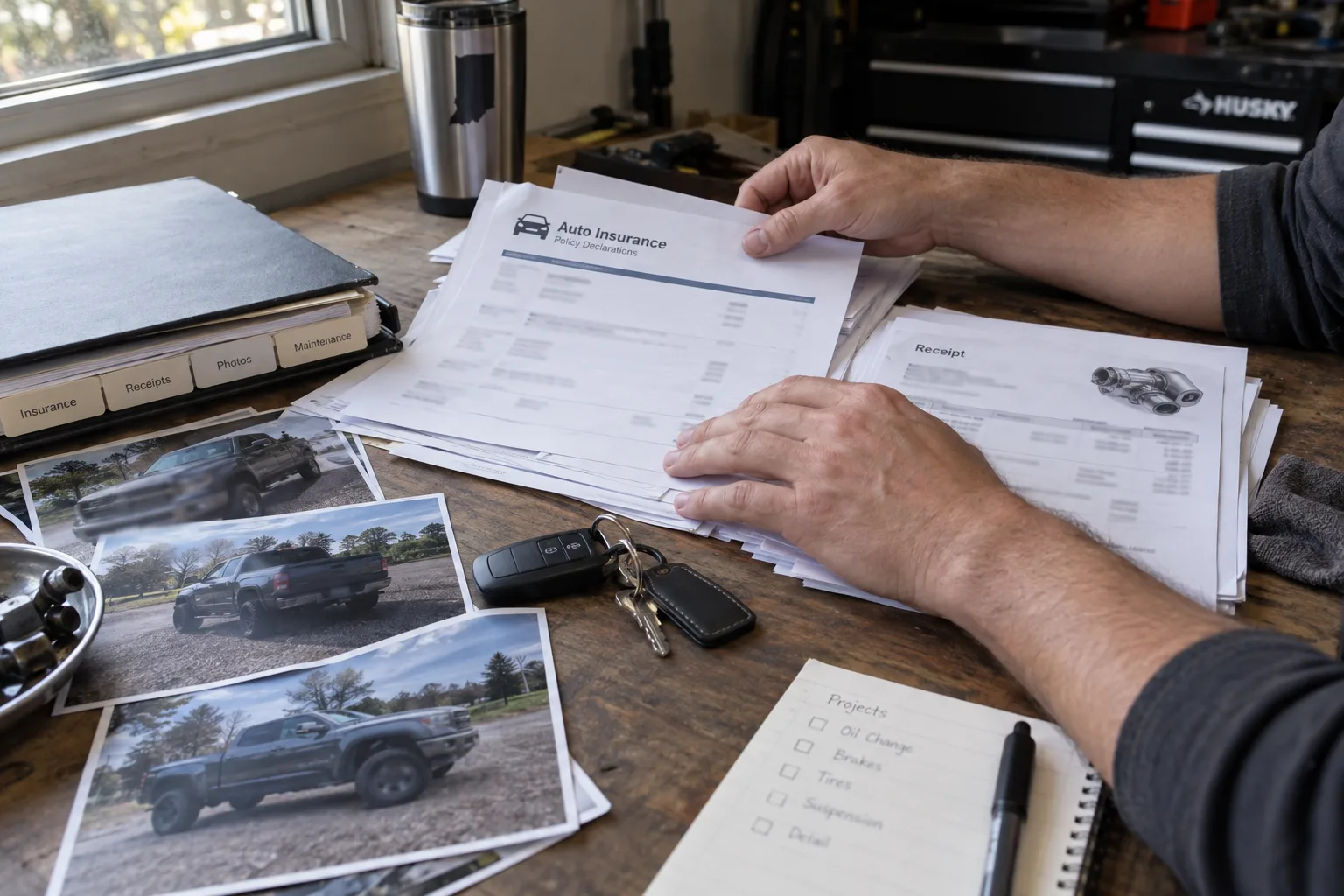
Indiana’s insurance claim guidance advises consumers to give the insurer complete and correct information, keep copies of all correspondence, and provide the claims adjuster with records of any improvements made to the property.
The following records are practical suggestions for documenting added equipment; not every item will exist for every vehicle.
- Purchase receipts showing the item, price, seller, and date.
- Installation invoices identifying labor, wiring, fabrication, or calibration.
- Clear pre-loss photographs showing the equipment on the vehicle.
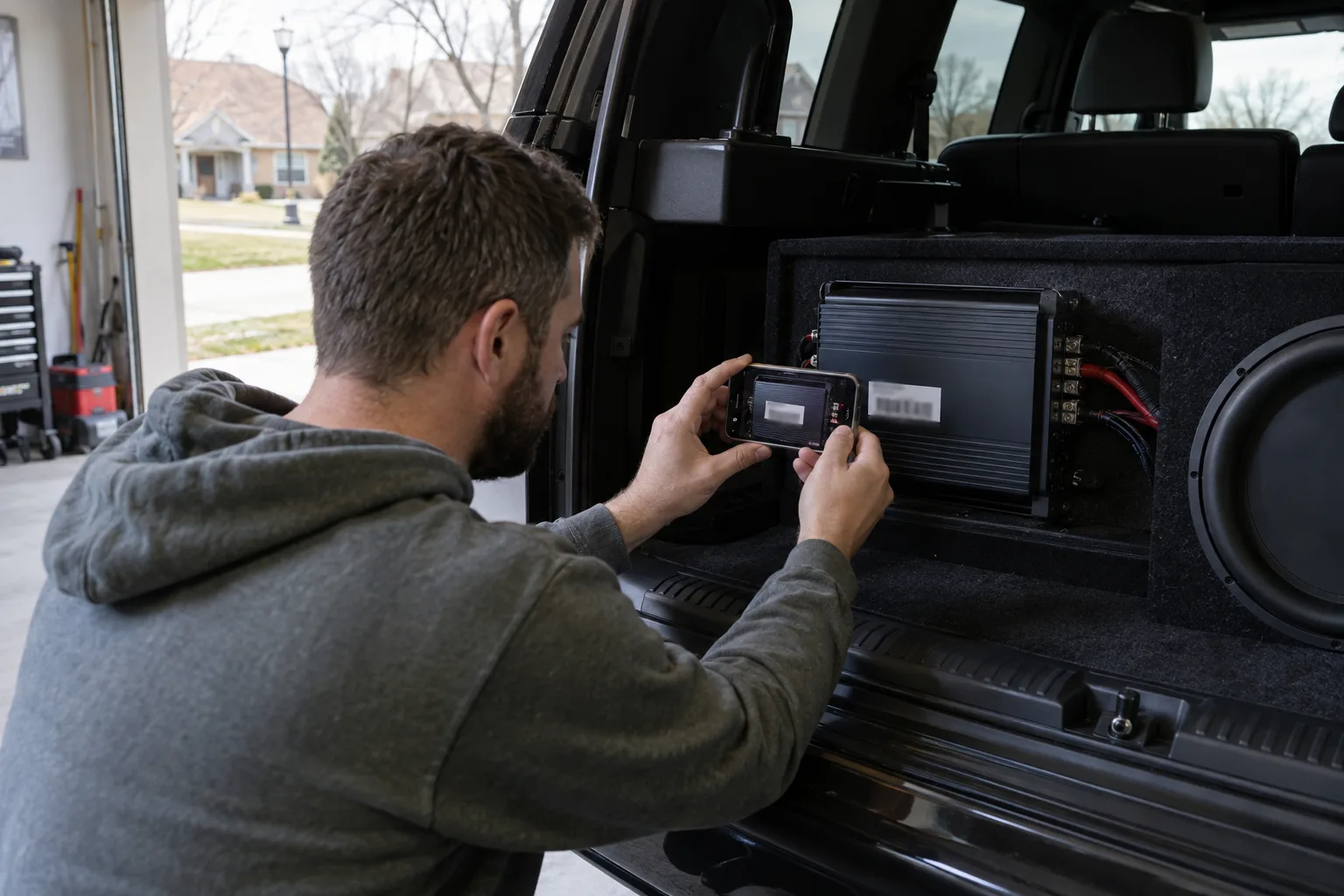
- Make, model, serial number, and warranty information.
- Maintenance records for equipment such as suspension components or specialized mechanical systems.
- Advertisements for genuinely comparable vehicles equipped in a similar way.
- The complete valuation report and every adjustment applied to the vehicle.
Save original files instead of relying only on screenshots. Organize the documents by item, then make a simple index showing what each record proves. Our broader Indiana car-accident evidence guide explains how to preserve other crash records.
How to review the valuation
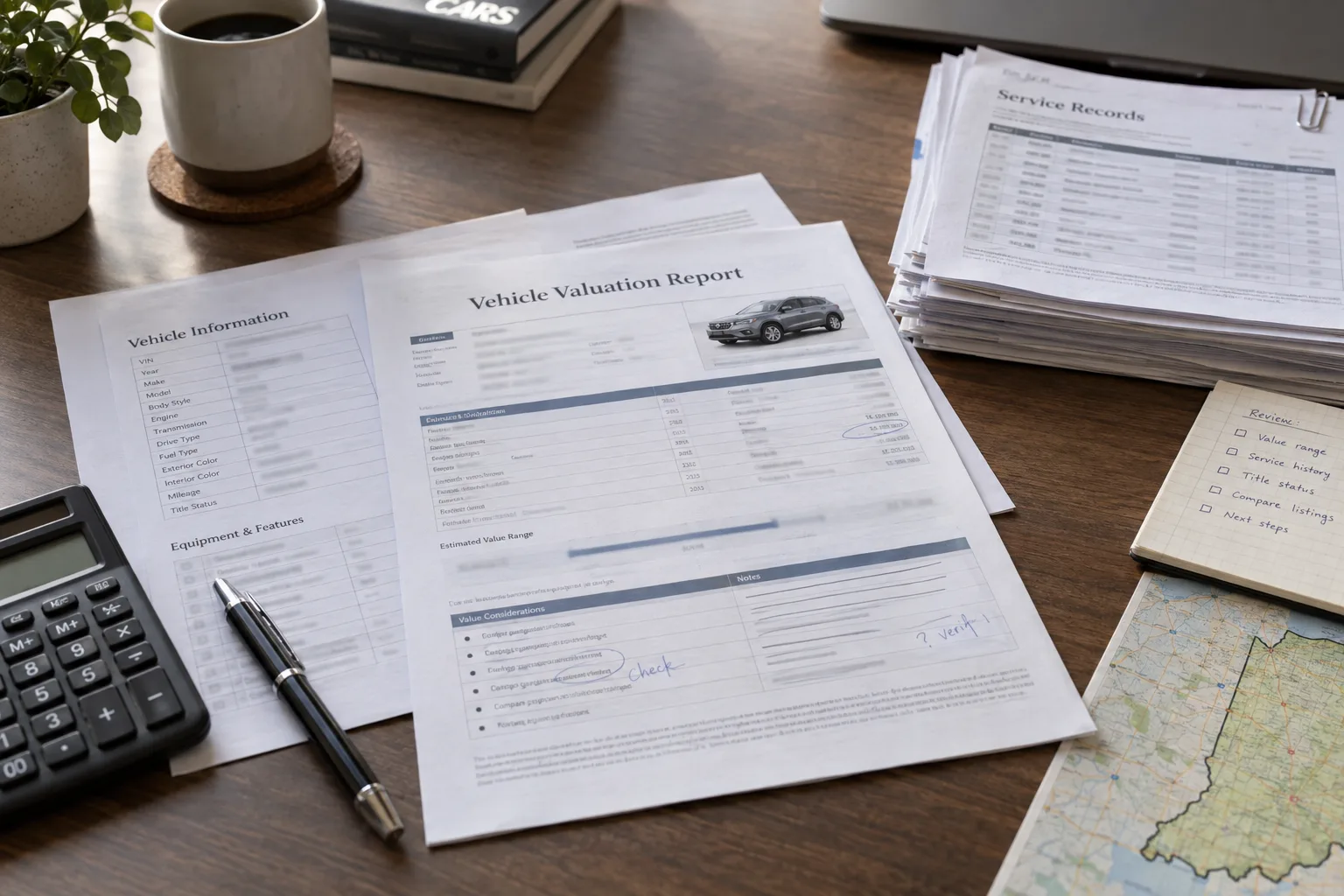
Begin with the vehicle description and move line by line through the report. Mark every incorrect trim level, option, mileage figure, condition rating, or missing upgrade. Then compare those entries with the VIN information, receipts, photographs, and listings you collected.
- Request the complete valuation and an itemized explanation of the offer.
- Identify each custom item and where, if anywhere, it appears in the report.
- Ask for the policy language or valuation basis used to include, exclude, or depreciate the item.
- Submit corrections in writing with the supporting document attached.
- Keep a dated record of the adjuster’s response and any revised offer.
Indiana law lists as an unfair claim settlement practice not attempting in good faith to effectuate prompt, fair, and equitable settlements of claims in which liability has become reasonably clear. It also lists failing to promptly provide a reasonable explanation of the basis in the insurance policy, in relation to the facts or applicable law, for denial of a claim or for the offer of a compromise settlement. Those provisions appear in Indiana Code 27-4-1-4.5[2].
Neither provision says how aftermarket equipment must be valued. Asking the company to explain how its offer relates to the policy language and the documented facts is still a reasonable request.
What to do if you disagree
The Indiana Department of Insurance advises consumers who disagree with a settlement to ask for the policy language in question and to obtain a written explanation when the disagreement results in a denial. It also advises consumers not to rush into a settlement and to seek professional advice when they question whether an offer is fair.
Send a concise written response that lists each disputed item, the correction you request, and the document supporting it. If the disagreement involves your own policy, read the policy for any section that describes how disagreements over the amount of a loss are handled, and ask the company about it in writing before taking any step under it.
If you cannot resolve a policy or claim dispute directly, the Indiana Department of Insurance accepts consumer complaints[3] involving coverage concerns and claim disputes. IDOI asks consumers to contact the company, agent, or broker first and to submit supporting documentation with a complaint.
The department states that, by Indiana law, an insurance company has 20 business days to respond in writing to the IDOI. IDOI says it can[4] obtain information or explanations from the insurance company on your behalf and review the company’s response for compliance with statutes, regulations, and policy contracts. It also says it cannot act as your legal representative in or out of court or intervene in a pending lawsuit on your behalf.
If someone was also hurt in the same crash, read any property-damage settlement paperwork carefully to see exactly what it covers before you sign, and ask a lawyer if the wording is unclear. You can learn more from our Fort Wayne car accident resource and use the Fort Wayne car-accident settlement calculator to organize injury-related losses; the calculator does not determine what custom equipment is worth.

Frequently Asked Questions
Will insurance reimburse the full purchase price of my custom parts?
You should not assume full reimbursement, since payment for added equipment depends on the wording of the policy handling the claim and the facts of the loss. IDOI explains that collision coverage is subject to a deductible and that property-damage liability coverage pays only up to the limits of the policy.
Are receipts enough to prove the value?
Receipts show what you bought and what you paid, but they do not by themselves show how the item was valued as part of the vehicle. IDOI’s claim tips suggest giving the adjuster records of any improvements and asking for an itemized explanation of the settlement offer.
Can I remove custom equipment before the insurer takes the totaled vehicle?
Before removing or swapping any equipment, it is sensible to ask the adjuster in writing how the company wants it handled and to check what your policy says. IDOI’s claim tips advise keeping damaged personal property for the adjuster to inspect and warn that an insurer may deny a claim if permanent repairs are made before the damage is inspected. That guidance speaks to repairs and inspection generally, not specifically to removing equipment from a totaled vehicle.
Where can I complain about an Indiana insurer?
You may submit a documented coverage or claim dispute to the Indiana Department of Insurance after first trying to resolve it with the insurer, agent, or broker.
Sources
- Auto Insurance[5], Indiana Department of Insurance (accessed September 30, 2026).
- Insurance Claim Tips[1], Indiana Department of Insurance (accessed September 30, 2026).
- Complaints[3], Indiana Department of Insurance (accessed September 30, 2026).
- We Can or Cannot Do[4], Indiana Department of Insurance (accessed September 30, 2026).
- Indiana Code 27-4-1-4.5, Unfair claim settlement practices (Title 27)[2], Indiana General Assembly (accessed September 30, 2026).
If a total-loss valuation overlooks documented equipment or you are concerned about language affecting an injury claim, request a free consultation with Delventhal Law Office. We can review the records, explain the issues that may apply, and help you decide what to do next.
This article is general information about Indiana law and is not legal advice. Reading it does not create an attorney-client relationship, and neither does contacting us.