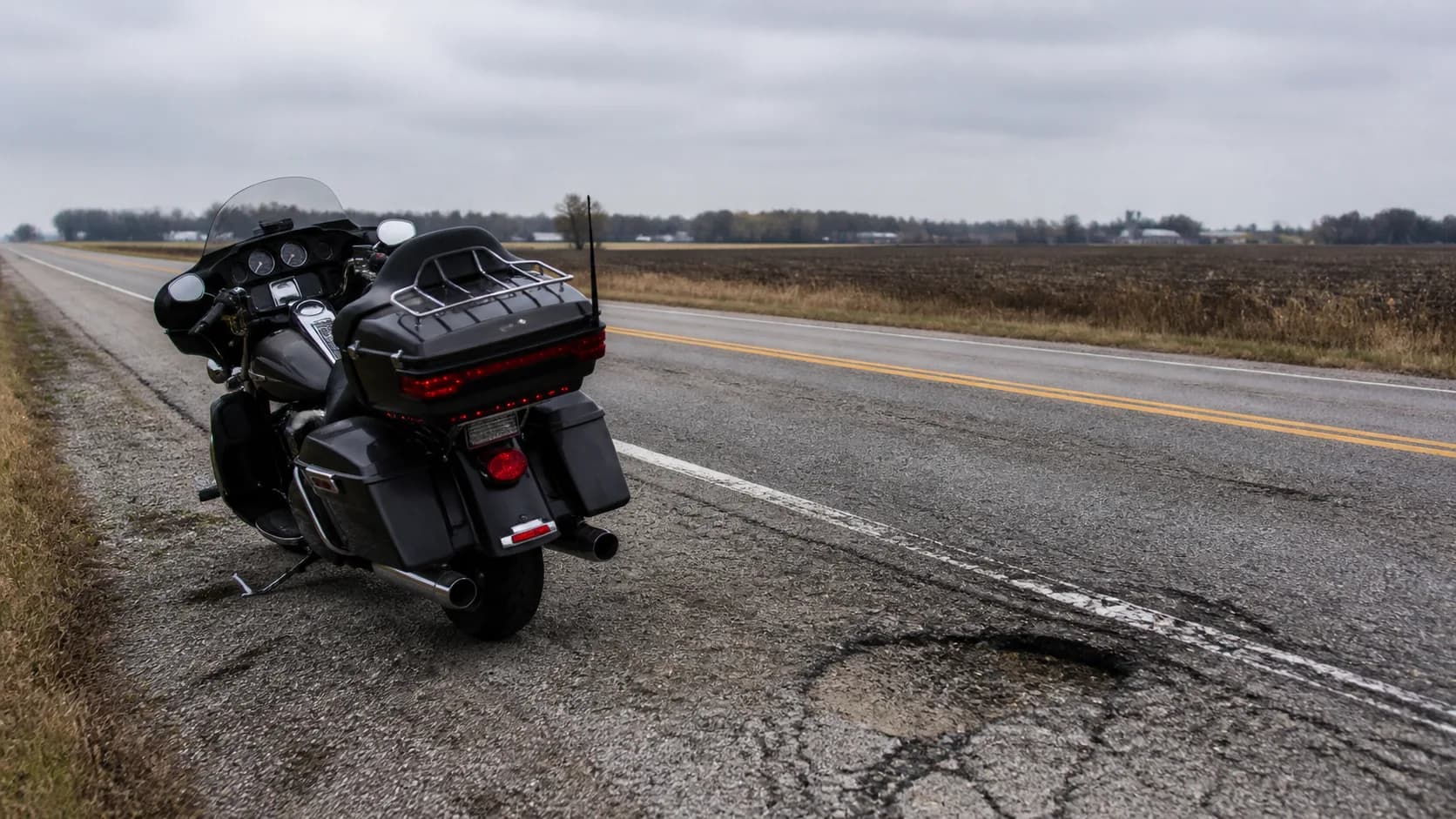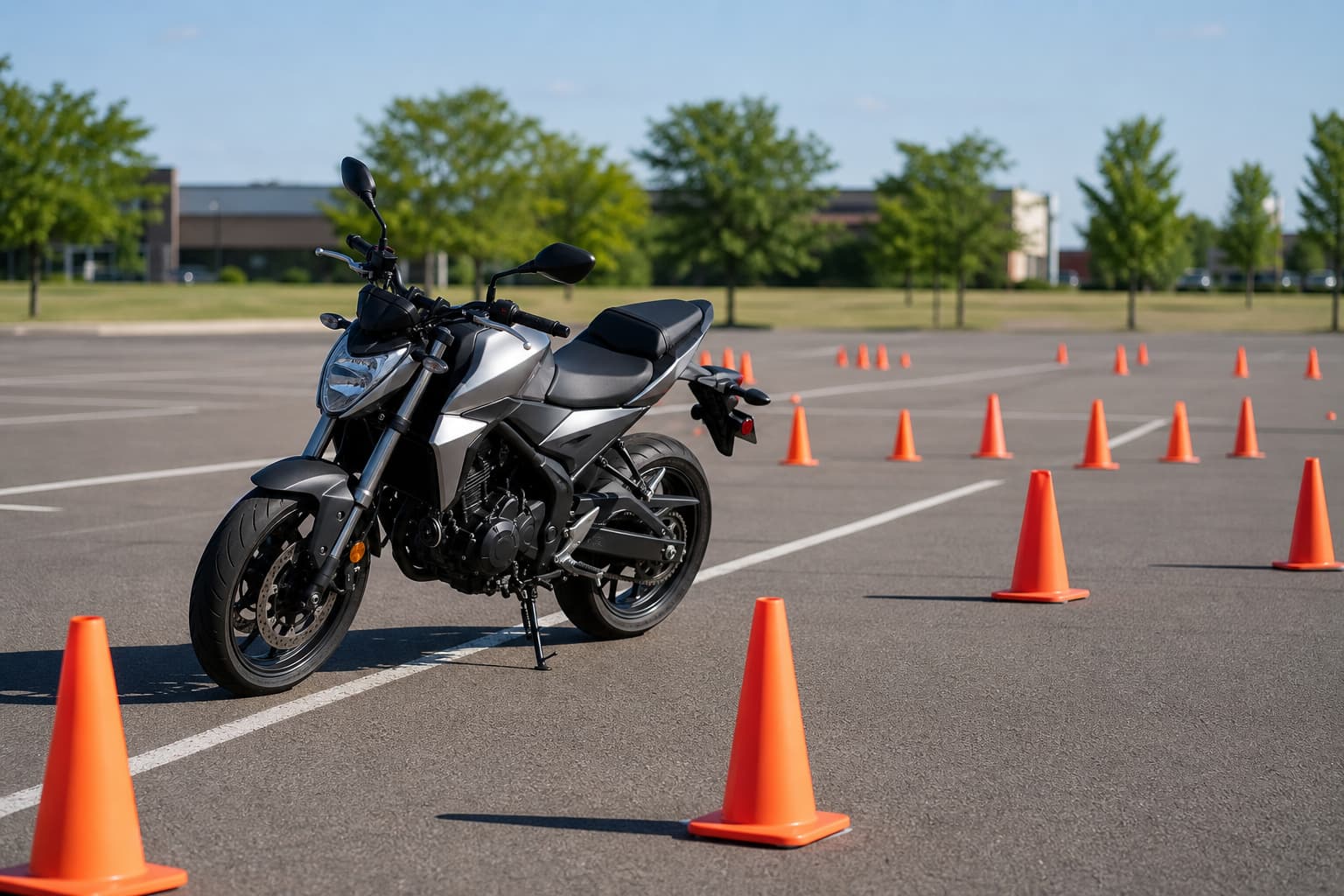
After a motorcycle crash, insurance adjusters often look for a way to blame the rider. One common tactic is to focus on experience. Was the rider new? Did they recently buy the motorcycle? Did they have a motorcycle endorsement? Had they taken a safety course? Had they ridden that route before?
Those questions can matter, but they do not erase another driver’s negligence. A driver who fails to yield, turns left across a motorcycle’s path, follows too closely, changes lanes without looking, or runs a red light cannot automatically avoid responsibility by calling the motorcyclist inexperienced.
Delventhal Law Office helps injured motorcyclists in Fort Wayne and throughout Indiana respond to unfair blame arguments and build the evidence needed to prove fault, causation, and damages. If you were hurt, visit our Fort Wayne motorcycle accident attorney page or call (260) 484-6655 for a free consultation. You can use our Indiana car accident settlement calculator to organize the factors that may affect a claim’s value; it is an educational tool, not a promise of any result.
Key takeaways
- Rider experience may become evidence in an Indiana motorcycle accident claim, especially when fault is disputed.
- Inexperience does not automatically prove the rider caused the crash.
- Insurance companies may use lack of training, endorsement issues, panic braking, unfamiliar roads, or low-speed handling to argue comparative fault.
- Training records, endorsement status, witness statements, video, crash reconstruction, and motorcycle damage can help answer those arguments.
- The main question is whether any alleged lack of experience actually caused or contributed to the crash.
Why rider experience matters after a motorcycle crash
Motorcycles require balance, coordination, judgment, and quick decision-making. NHTSA notes that riding a motorcycle requires different skills than driving a car and that safe motorcycling takes balance, coordination, and good judgment.[1]
Because motorcycles are more physically demanding to operate than passenger vehicles, insurance companies may ask whether the rider had enough experience to handle the situation. That can become relevant in crashes involving emergency braking, curves, road hazards, lane changes, intersections, or evasive maneuvers.
But experience is not the same as fault. Even a brand-new rider has the right to expect other drivers to obey traffic laws and watch for motorcycles.
Motorcycle safety courses and endorsement evidence
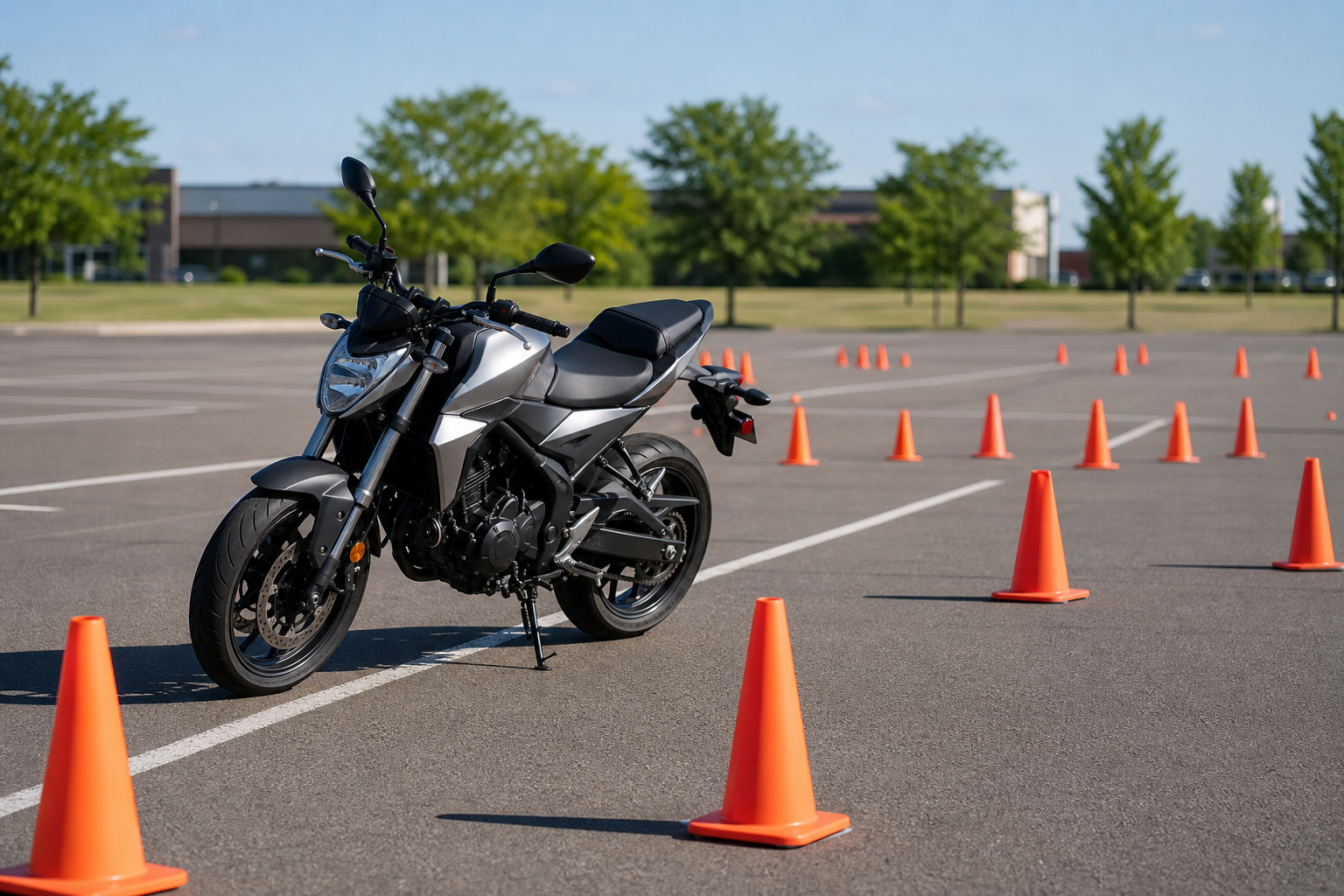
Ride Safe Indiana explains that motorcycle safety courses provide hands-on training in a controlled environment, help improve safety and defensive driving skills, and allow certified instructors to identify and correct risky habits. It also notes that passing a certified motorcycle safety course can waive the need to take a riding skills test at a branch when adding an endorsement.[2]
In a crash claim, training and endorsement evidence may help show the rider was not careless or unqualified. Useful evidence may include:
- Motorcycle endorsement status.
- Motorcycle learner’s permit status, if applicable.
- Safety-course completion records.
- Training certificates.
- Years of riding history.
- Prior motorcycle ownership or regular riding experience.
- Familiarity with the motorcycle involved in the crash.

How insurers use rider experience to shift blame
Insurance companies may use rider experience in several ways:
- New rider argument: claiming the rider lacked enough time on the road to react properly.
- Panic braking argument: claiming the rider locked the brakes, overcorrected, or laid the bike down unnecessarily.
- Curve or turn argument: claiming the rider entered a curve too fast or failed to lean properly.
- Unfamiliar motorcycle argument: claiming the rider was not used to the bike’s weight, braking, throttle, or handling.
- Endorsement argument: claiming the rider’s license or permit status shows unsafe conduct.
- Visibility argument: claiming a more experienced rider would have anticipated that the driver did not see them.
Some of these arguments may be speculation. The insurer still needs evidence connecting alleged inexperience to the crash.

Rider experience and comparative fault in Indiana
Indiana uses comparative fault rules in many negligence cases. Under Indiana Code chapter 34-51-2, fault can reduce recovery, and in many ordinary negligence cases a claimant found more than 50% at fault may be barred from recovery.[3]
That means rider experience can become part of a fault allocation fight. The defense may argue the rider’s lack of experience contributed to the crash. The rider may respond that another driver created an emergency, violated the right-of-way, failed to keep a proper lookout, or gave the motorcyclist no reasonable chance to avoid impact.
The practical question is not, “Was the rider experienced?” It is, “Did any lack of experience actually cause the crash or increase the injuries?”
A new rider is not automatically at fault
New riders can be careful. Experienced riders can be hit by negligent drivers. A rider’s experience level should not become a shortcut for blaming the motorcyclist when the facts point elsewhere.
For example, rider experience may have little to do with the case if:
- A driver turned left directly across the motorcycle’s path.
- A car changed lanes into the motorcycle without signaling.
- A truck failed to check blind spots.
- A driver ran a red light or stop sign.
- A rear-end collision occurred while the motorcycle was stopped.
- The crash was caused by a road hazard or construction defect the rider could not reasonably avoid.
For related issues, see When Cars Fail to Yield, Motorcyclists Suffer the Consequences in Indiana, Why Intersection Crashes Are So Deadly for Motorcycle Riders in Indiana, and How Road Hazards Cause Motorcycle Crashes in Indiana.

Evidence that helps answer rider-experience arguments
Helpful evidence may include:
- Police report and crash diagram.
- Photos and videos of the scene.
- Dashcam, helmet-camera, traffic-camera, or nearby business video.
- Witness statements about speed, lane position, signals, braking, and driver conduct.
- Motorcycle endorsement or permit documentation.
- Safety-course completion records.
- Motorcycle damage showing impact angles and sequence.
- Tire marks, scrape marks, debris fields, and final resting positions.
- Expert review of whether the rider had a realistic chance to avoid the crash.
- Medical records connecting injuries to the crash mechanism.
Evidence can separate a legitimate rider-error issue from an insurer’s unsupported stereotype about motorcyclists.
Experience, road judgment, and emergency reactions
Some cases do involve rider judgment. Curves, gravel, wet pavement, intersections, emergency braking, and evasive maneuvers can put a rider’s skills under scrutiny. But even then, the analysis should be specific.
Important questions include:
- Was the rider traveling at a reasonable speed?
- Did another driver create a sudden emergency?
- Was there enough time and distance to avoid the crash?
- Was the road surface safe?
- Were warning signs, lane markings, or traffic controls adequate?
- Did the motorcycle have mechanical issues?
- Did the rider’s reaction make the crash worse, or was impact unavoidable?
What to do if the insurer says you were inexperienced
- Do not accept the adjuster’s blame theory without evidence.
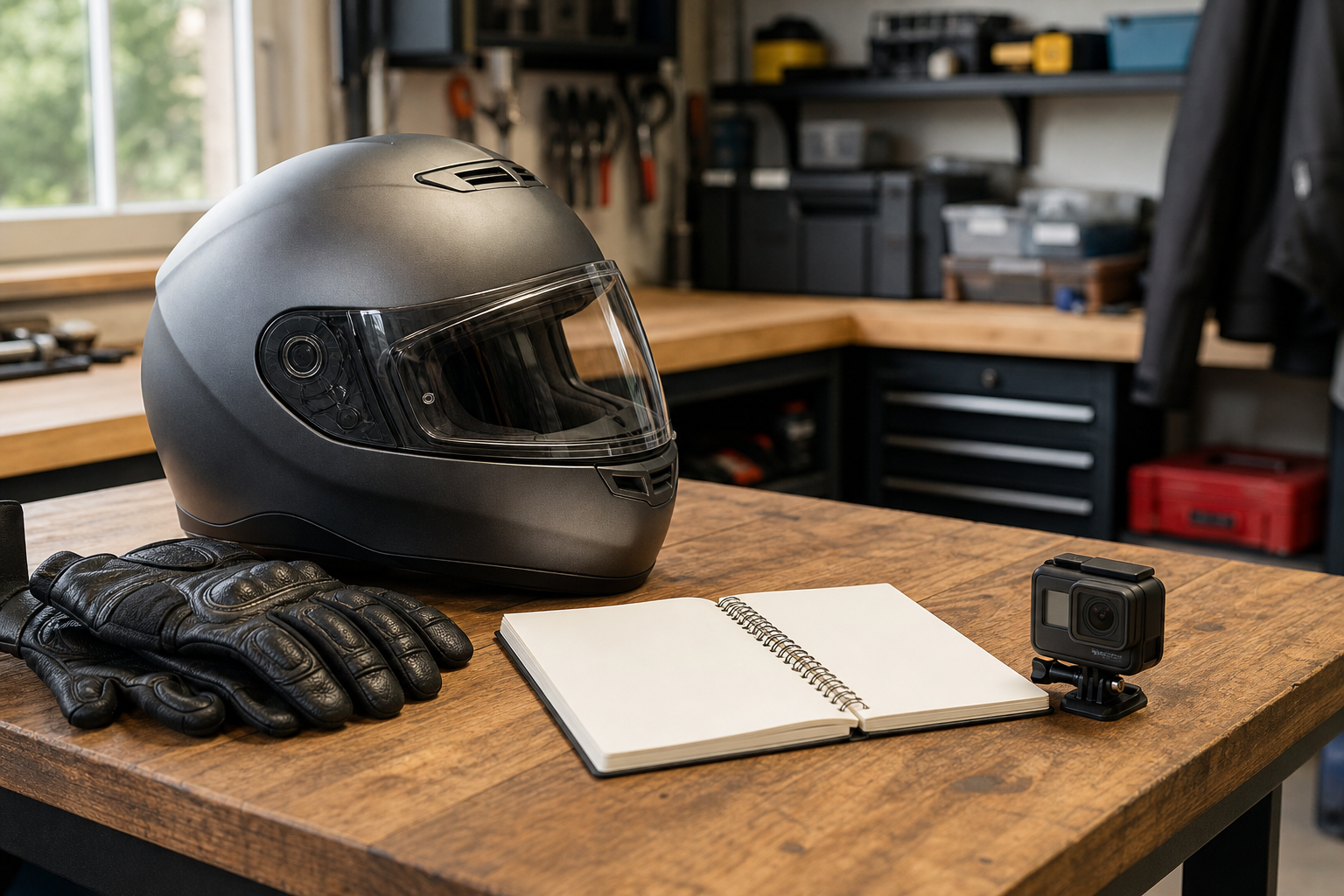
- Preserve your motorcycle, helmet, gear, and any camera footage.
- Gather proof of endorsement, training courses, prior riding history, and motorcycle ownership.
- Write down what happened while the details are fresh.
- Identify witnesses and possible camera sources.
- Follow medical treatment and document symptoms carefully.
- Do not give a recorded statement that lets the insurer frame you as inexperienced before you understand the claim.
- Talk with a motorcycle accident attorney if fault is disputed.
Fort Wayne and northeast Indiana examples
Rider-experience disputes can arise anywhere in northeast Indiana: busy Fort Wayne intersections, rural Allen County roads, I-69, I-469, US-30, Coliseum Boulevard, Lima Road, Coldwater Road, Dupont Road, Illinois Road, and construction zones throughout the region.
Whether the rider was new or experienced, the investigation should focus on what actually happened: who had the right-of-way, who saw what, who had time to react, and what the physical evidence shows.
Talk to a Fort Wayne motorcycle accident attorney
If an insurance company is trying to blame your motorcycle crash on rider inexperience, Delventhal Law Office can help investigate the facts, preserve evidence, and respond to unfair comparative-fault arguments.
Call (260) 484-6655 or contact us online for a free consultation. There is no fee unless we recover for you.
Frequently asked questions
Can I recover compensation if I was a new motorcycle rider?
Yes, you may still have a claim. Being a newer rider does not automatically mean you caused the crash. The evidence must show how the collision happened and whether any alleged inexperience contributed.
Will the insurance company ask about my motorcycle endorsement?
It may. Endorsement, permit, and training issues can become part of the insurer’s fault argument. Those facts should be handled carefully and accurately.
Does taking a motorcycle safety course help my claim?
It can. Safety-course records may help show training, skill development, and responsible riding habits, especially if the insurer claims you were unprepared.
What if I made an emergency maneuver before the crash?
An emergency maneuver is not automatically negligence. The key question is whether another driver or hazard created the emergency and whether your reaction was reasonable under the circumstances.
What evidence helps fight a rider-inexperience argument?
Video, witnesses, police diagrams, motorcycle damage, training records, endorsement records, scene photos, and expert opinions can all help show what actually caused the crash.
Sources and authority
- Motorcyclist Safety, National Highway Traffic Safety Administration, motorcycle skill, licensing, and risk discussion, https://www.nhtsa.gov/road-safety/motorcycles[1].
- Ride Safe Indiana, benefits of motorcycle safety courses and endorsement information, https://www.in.gov/rsi/[2].
- Indiana Comparative Fault Act, Indiana Code chapter 34-51-2, Indiana General Assembly, https://iga.in.gov/laws/2024/ic/titles/34#34-51-2[3].
This article is general information for Indiana readers, not legal advice for a specific case. Reading it does not create an attorney-client relationship, and neither does contacting us. If you do contact us about a possible claim, Indiana Rule of Professional Conduct 1.18 requires us to keep what you tell us confidential whether or not we take the case — but please do not send documents or detailed facts until we have agreed in writing to represent you.