A rear-end crash between two passenger cars can cause serious injury. A rear-end crash involving a semi-truck can be life-changing. The difference is not just size. It is weight, height mismatch, stopping distance, brake lag, driver reaction time, trailer underride risk, and the amount of force transferred into the smaller vehicle.
In Fort Wayne and northeast Indiana, these crashes can happen on I-69, I-469, US 30, US 24, Coliseum Boulevard, Lima Road, or rural highways where traffic slows quickly for construction, congestion, weather, farm equipment, or turning vehicles. When an 18-wheeler does not stop in time, the question is rarely as simple as “the truck hit the car from behind.” The real questions are: Why did the truck not stop? Was the driver following too closely? Were the brakes maintained? Was the driver distracted or fatigued? Did the company preserve the electronic evidence?
Delventhal Law Office helps injured people in Fort Wayne and throughout Indiana investigate serious truck crashes. If you or a loved one was hit by a semi-truck, call (260) 484-6655 or start with a free case evaluation.
Key takeaways
- Semi-truck rear-end crashes are often catastrophic because of mass, stopping distance, and height mismatch.
- Truck drivers need more space to react and brake than passenger-vehicle drivers.
- Following too closely is a recognized safety issue in commercial vehicle crashes.
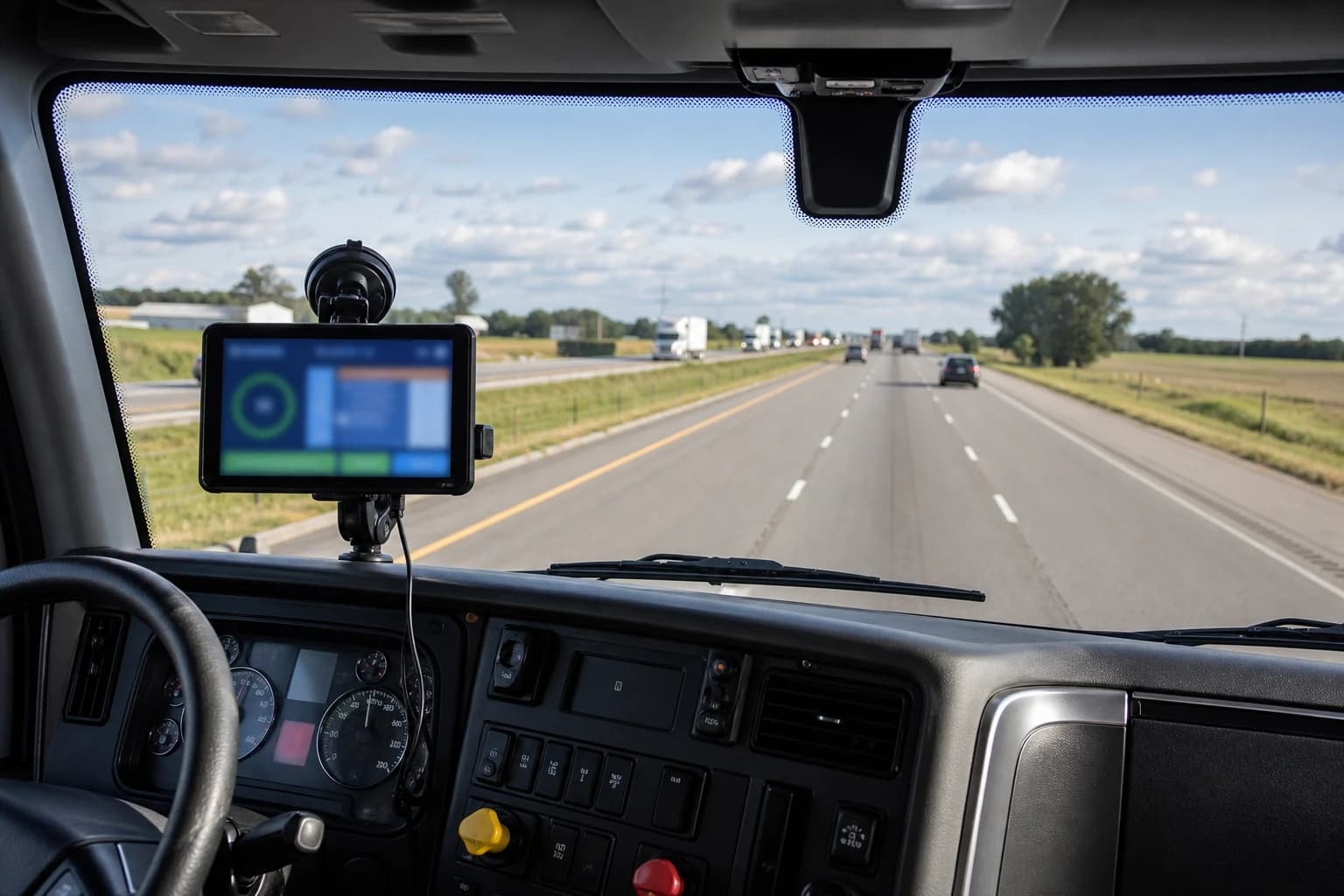
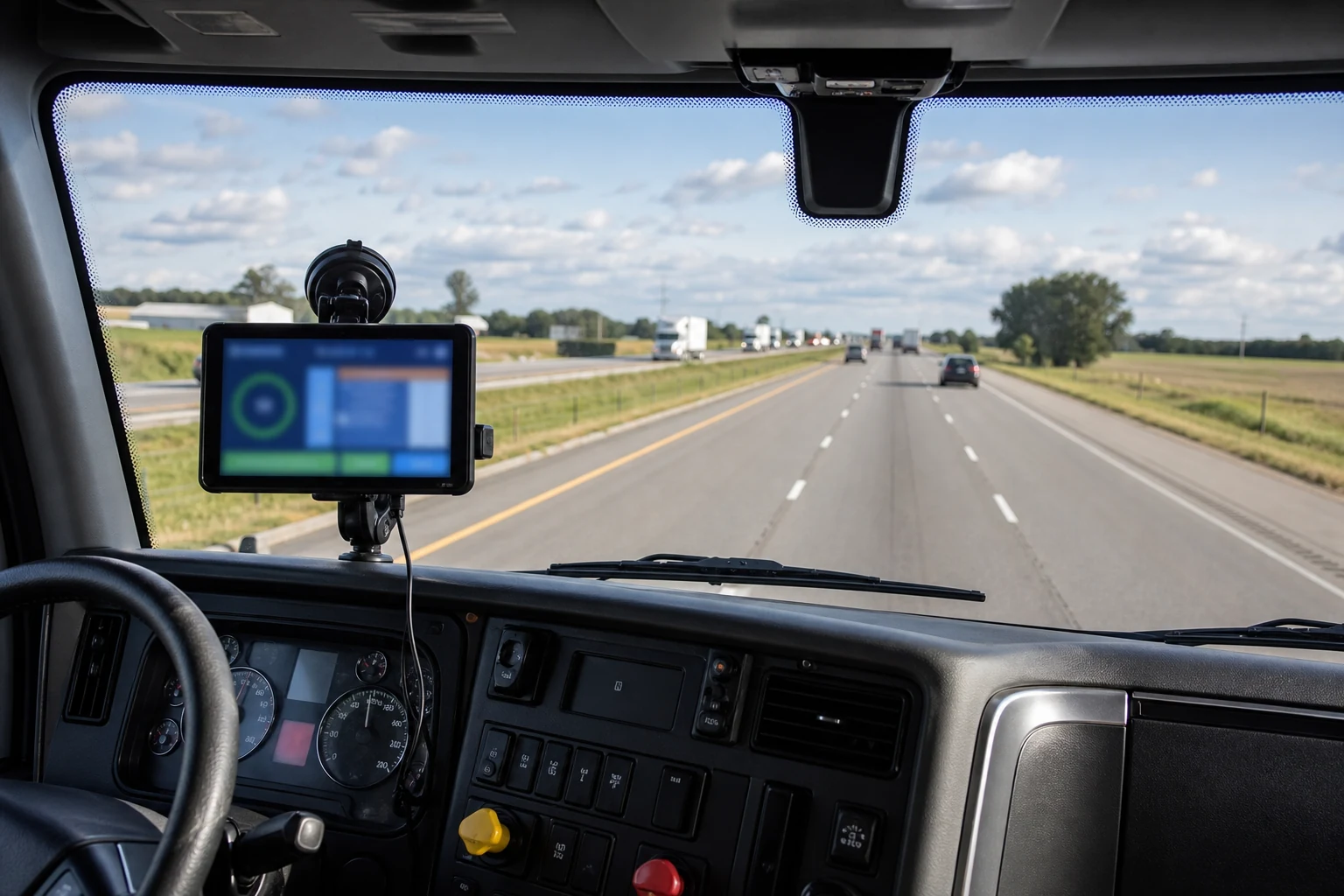
- Critical evidence may include ECM/black-box data, ELD logs, dash cameras, brake inspections, maintenance records, dispatch messages, and cell-phone records.
- Rear underride can make a rear-end truck crash deadly even when the passenger vehicle’s airbags and crumple zones would normally help.
- Trucking-company liability may involve training, scheduling, supervision, maintenance, and safety policies — not just driver error.
Why semi-truck rear-end collisions are different
In an ordinary rear-end car crash, the vehicles are usually similar in height and weight. Seatbelts, airbags, head restraints, bumpers, and crumple zones may all work as designed. In a semi-truck crash, the smaller vehicle is dealing with a commercial vehicle that may be many times heavier and structurally different.
That difference changes everything. A tractor-trailer’s front end, bumper height, trailer height, load, and braking system can produce forces and injury mechanisms that do not look like a normal car wreck. Occupants may suffer traumatic brain injuries, cervical and lumbar injuries, fractures, internal injuries, crush injuries, or fatal trauma.
Even when the visible vehicle damage does not tell the whole story, the physics can. That is why truck cases require early evidence preservation and, in serious crashes, expert review.
Stopping distance is a major issue
Large trucks need more space to stop safely. FMCSA warns that large trucks need additional space between vehicles to allow safe braking and unexpected actions, and that large trucks most often hit the vehicle in front of them in crashes.[1]
Stopping distance is not just brake distance. It includes:
- Perception time: how long it takes the driver to notice traffic slowing or stopping.
- Reaction time: how long it takes to move from seeing the hazard to braking.
- Brake lag: the delay built into air-brake systems.
- Actual braking distance: the distance needed for the truck to slow or stop.
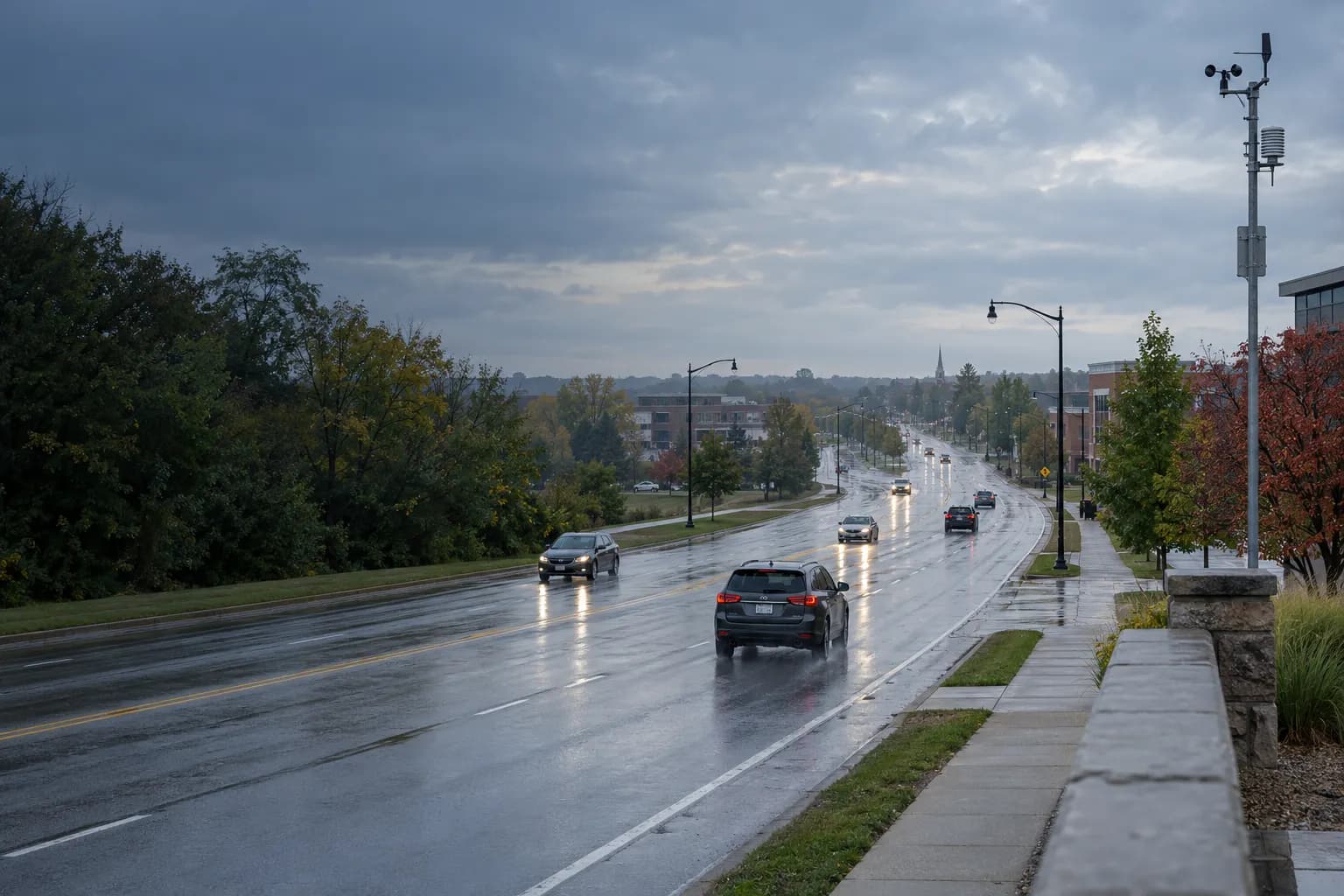
- Road conditions: rain, ice, grade, construction zones, and traffic congestion.
- Load condition: weight, securement, and whether the trailer was loaded, empty, or improperly balanced.
In a rear-end semi case, the question is not only whether the truck hit the vehicle ahead. The question is whether a safe commercial driver should have been able to avoid the collision by leaving more distance, looking farther ahead, slowing earlier, or adjusting for conditions.
Following too closely can be powerful evidence
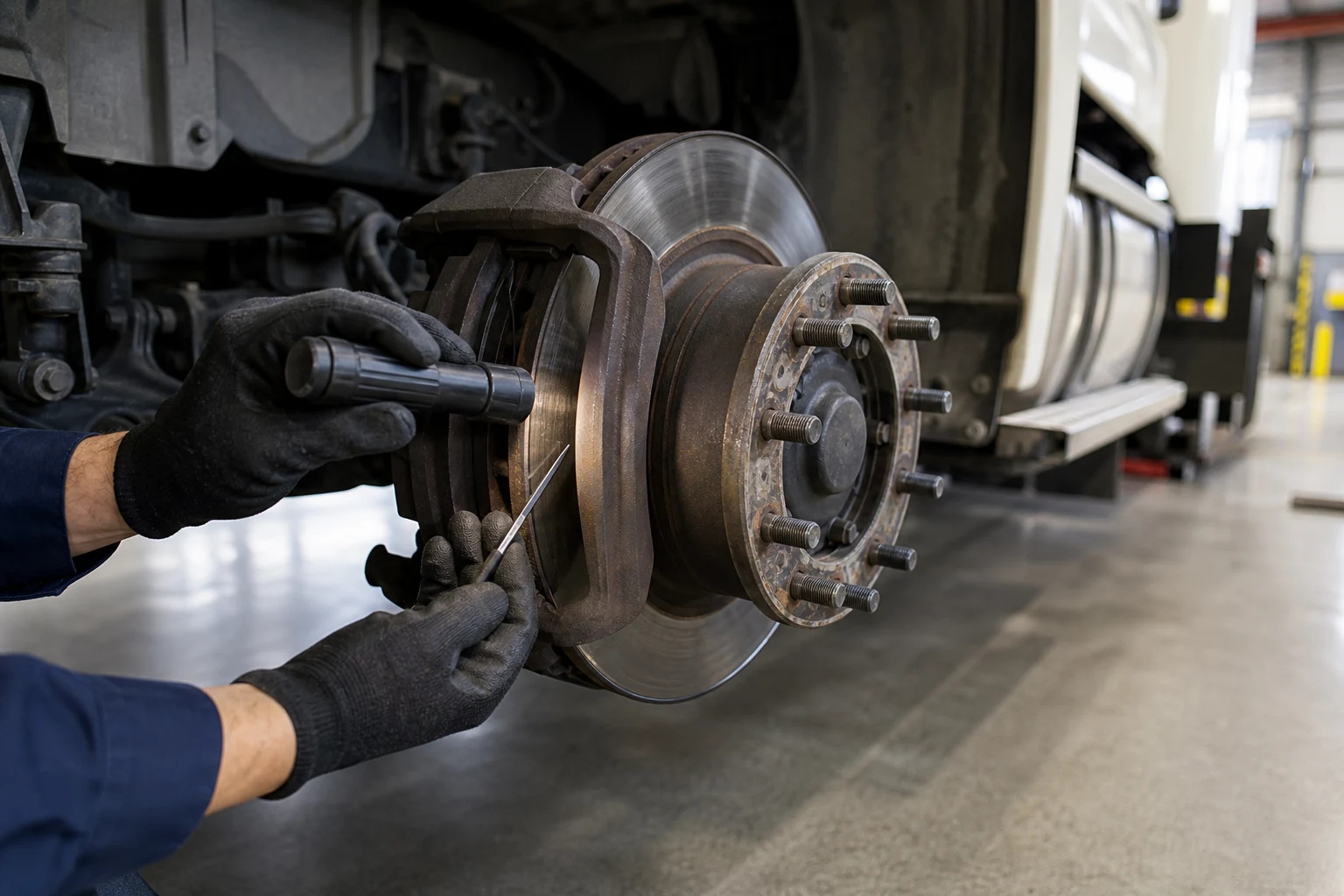
FMCSA defines following too closely as a situation where one vehicle follows another so closely that even an attentive driver could not avoid a collision if the lead driver braked suddenly.[2] That definition matters because defense arguments often focus on the passenger vehicle stopping “suddenly.” But traffic does stop suddenly. Construction zones, congestion, emergency vehicles, turning traffic, and weather are part of ordinary driving risk.
FMCSA also notes that, below 40 mph, a truck driver should leave at least one second for every 10 feet of vehicle length, and for speeds over 40 mph, one additional second should be added.[3] For a typical tractor-trailer, that means several seconds of following distance under good conditions — more in rain, fog, snow, night driving, construction, or heavy traffic.
If a truck driver was tailgating, closing too fast, or failed to account for traffic ahead, those facts can change the case.
Why the injuries can be catastrophic
Semi-truck rear-end collisions can cause severe injuries for several reasons:
- Mass: a loaded tractor-trailer can generate enormous crash forces.
- Height mismatch: the truck or trailer may strike above the passenger vehicle’s strongest structures.
- Occupant compartment intrusion: the smaller vehicle may be pushed, crushed, or underride the trailer.
- Multiple impacts: the passenger vehicle may be pushed into another vehicle, median, guardrail, or intersection.
- Delayed braking: speed at impact may remain high if the driver reacted late or brakes were defective.
- Secondary trauma: broken glass, roof crush, seatback failure, and cargo intrusion can worsen injuries.
Common injuries include traumatic brain injury, neck and back injuries, spinal cord trauma, fractures, shoulder injuries, internal injuries, chronic pain, scarring, and psychological trauma. In the worst cases, these crashes are fatal.

Rear underride risk makes some crashes especially dangerous
NHTSA describes rear underride crashes as crashes where the front end of a vehicle hits the back of a larger vehicle, such as a trailer or semi-trailer, and slides under it. NHTSA has stated that these crashes are often deadly and has updated federal rear underride protection standards to improve protection for drivers and passengers in light vehicles.[4]
Rear underride is one reason a truck rear-end crash can be catastrophic even when the initial speed does not seem extreme. If the passenger vehicle goes under the trailer, the vehicle’s front-end safety systems may not absorb the crash normally. The trailer can intrude into the windshield, roof, or occupant space.
We already covered underride more broadly in Underride Truck Accidents in Indiana: Why They Are So Dangerous. In a rear-end case, the specific issue is whether the trailer had required rear impact protection, whether it was maintained, and whether the crash dynamics show preventable underride.
Black-box and electronic data can make or break the case
Modern commercial vehicles may contain several sources of electronic evidence. The names vary, but the evidence may include:
- engine control module or event data recorder information;
- speed before impact;
- brake application timing;
- throttle position;
- cruise control status;
- hard-braking events;
- dash-camera video;
- electronic logging device data;
- GPS and dispatch records;
- cell-phone or in-cab communication records.
This evidence can disappear if it is not preserved. Some systems overwrite data. Some companies download and control the information. Some dash-camera clips are retained for only a limited time. A preservation letter should go out quickly in any serious rear-end semi-truck crash.
The trucking company may share responsibility
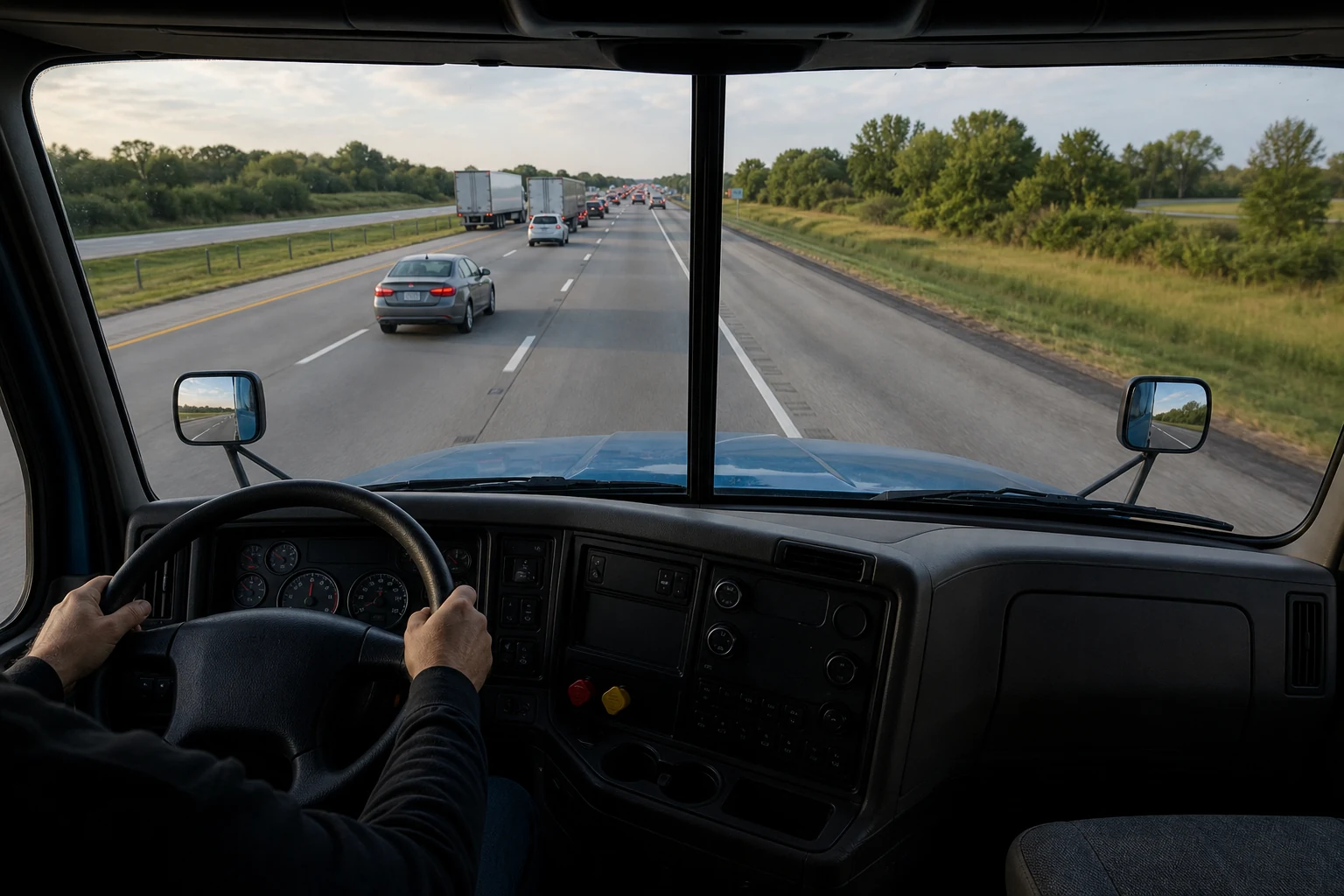
A rear-end semi-truck case should not stop with the driver. The company may be responsible for its own conduct, including:
- poor hiring or inadequate driver qualification review;
- weak training on following distance and hazard perception;
- dispatch pressure or unrealistic delivery schedules;
- hours-of-service violations or fatigue management failures;
- failure to inspect, repair, or maintain brakes;
- failure to enforce safety policies;
- failure to preserve evidence after a crash;
- negligent entrustment of a commercial vehicle.
That is why truck cases are different from the ordinary passenger-vehicle crashes because a Fort Wayne truck accident lawyer must investigate the companies and systems behind the driver. The driver may have made the final mistake, but company systems can create the conditions that made the crash likely.
For related topics, see Negligent Hiring and Training in Indiana Truck Accident Cases and Who Is Legally Responsible in an Indiana Truck Accident?
Common defense arguments after a semi rear-end collision
Even when a semi hits someone from behind, the defense may still argue:
- the passenger vehicle stopped suddenly;
- the passenger vehicle cut off the truck;
- traffic conditions made the crash unavoidable;
- weather or road conditions caused the crash;
- another vehicle created an emergency;
- the truck driver reacted reasonably;
- the injuries were preexisting or unrelated;
- the medical treatment was excessive;
- the claimed damages are not supported by the records.
Some defenses are legitimate. Some are predictable attempts to reduce value. The answer is evidence: scene photos, dash video, ECM data, witness statements, medical chronology, brake inspection records, and reconstruction analysis.
Evidence to preserve after a rear-end semi-truck crash
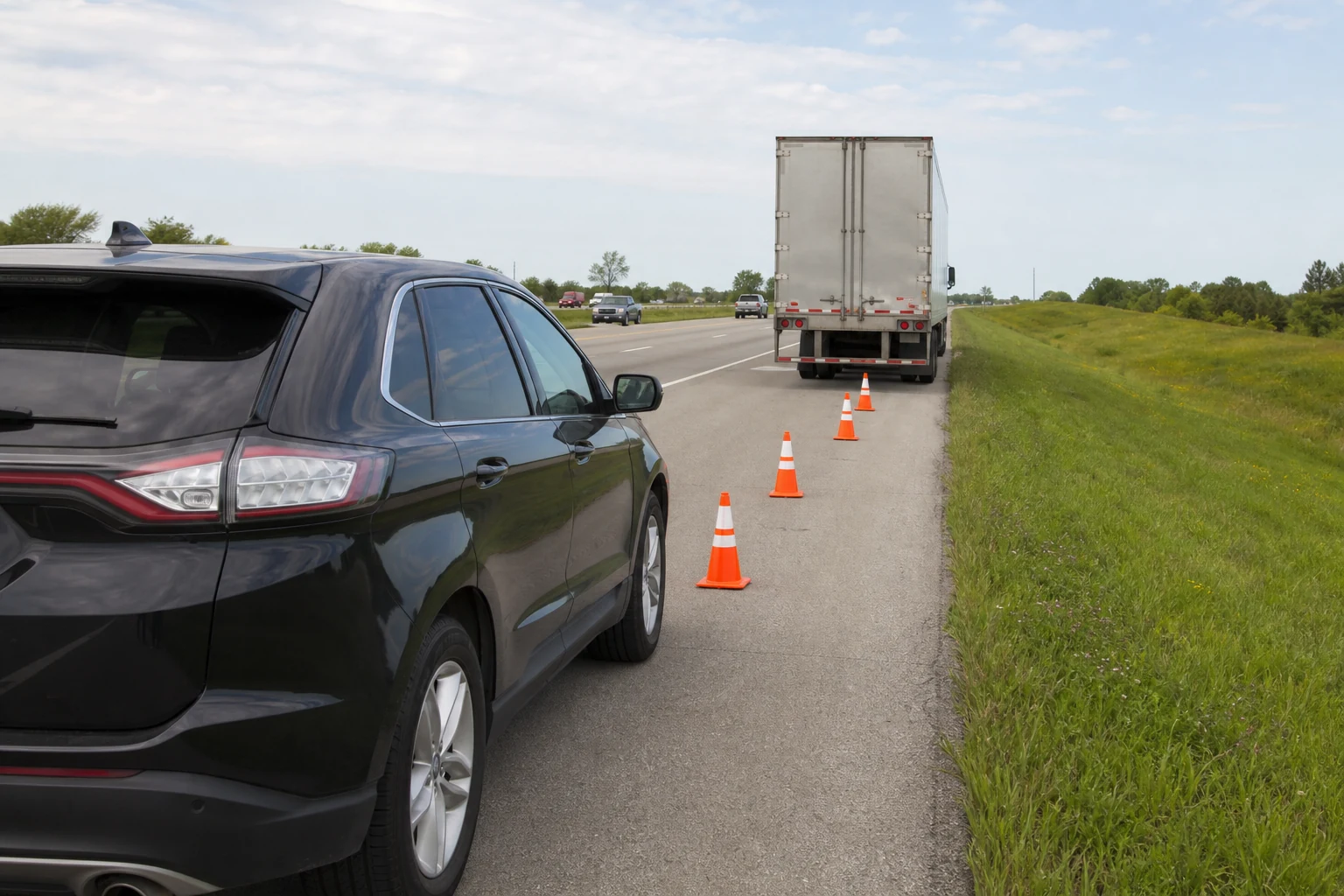
Important evidence may include:
- truck ECM or event data;
- ELD logs and hours-of-service records;
- driver qualification file;
- pre-trip and post-trip inspection reports;
- maintenance and brake records;
- dash-camera and outward-facing camera footage;
- GPS, dispatch, and route data;
- cell-phone records and in-cab messages;
- bill of lading and cargo weight information;
- scene photos, skid marks, gouge marks, debris fields, and final rest positions;
- 911 calls, police body camera, and witness statements;
- medical records and imaging.
The sooner this evidence is requested, the better. Delay can allow data to be overwritten, vehicles to be repaired, or witnesses to become harder to locate.
What to do after being rear-ended by a semi-truck in Indiana
- Call 911 and get medical help.
- Do not argue with the truck driver or company representative.
- Photograph vehicles, road conditions, skid marks, traffic controls, and injuries if safely possible.
- Get witness names and contact information.
- Do not give a recorded statement to the trucking company’s insurer before getting legal advice.
- Follow up with medical care and report all symptoms accurately.
- Contact a truck accident lawyer quickly so evidence preservation can begin.
If the crash happened near Fort Wayne, the investigation may need to move fast. Video from businesses, traffic cameras, dash cameras, and nearby vehicles can be time-sensitive.
How Delventhal Law Office investigates rear-end semi-truck crashes
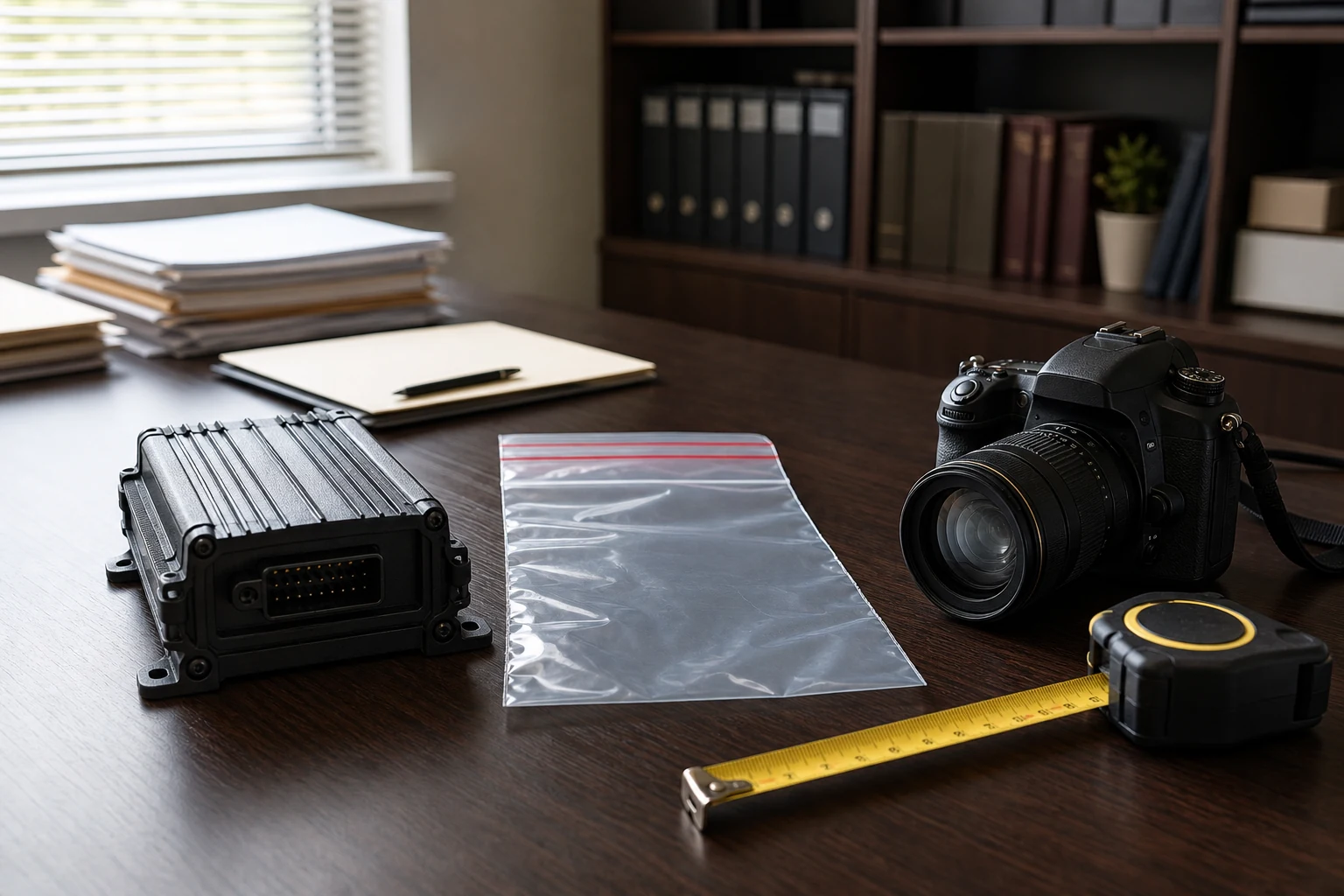
Our job is to build the case before evidence disappears. That can include sending preservation letters, identifying every potentially responsible party, obtaining crash reports and photos, investigating the trucking company, collecting medical evidence, reviewing coverage, and working with experts when needed.
Rear-end semi-truck cases are not just “big car accidents.” They involve federal safety rules, company records, commercial insurance, expert evidence, and serious medical damages. The insurer knows that. The injured person should have someone on their side who knows it too. You can use our Indiana car accident settlement calculator to organize the factors that may affect a claim’s value; it is an educational tool, not a promise of any result.
Talk to a Fort Wayne truck accident lawyer
If you were rear-ended by a semi-truck in Fort Wayne or anywhere in Indiana, do not wait for the trucking company’s insurer to control the investigation. Important evidence may already be at risk.
Call Delventhal Law Office at (260) 484-6655 or contact us online for a free consultation. We represent injured people in serious truck accident cases, and you pay nothing unless we recover for you.
Frequently asked questions
Is the truck driver automatically at fault if a semi rear-ends me?
Not automatically, but it is a strong liability fact. The investigation should still examine following distance, speed, traffic conditions, braking, distraction, fatigue, maintenance, and whether any defense claim is supported by evidence.
Why are rear-end semi-truck crashes so severe?
The main reasons are weight, stopping distance, height mismatch, underride risk, and the force transferred into the smaller vehicle. A truck crash can overwhelm normal passenger-vehicle safety protections.
What evidence should be preserved after a rear-end truck crash?
ECM data, ELD logs, dash-camera footage, maintenance records, brake inspections, driver qualification files, dispatch records, phone records, cargo information, scene evidence, and medical records may all matter.
Can the trucking company be responsible too?
Yes. The company may be responsible for driver conduct and for its own failures involving hiring, training, scheduling, supervision, maintenance, or evidence preservation.
Should I give a recorded statement to the trucking insurer?
Not before getting legal advice. Trucking insurers often begin investigating immediately, and recorded statements can be used to dispute fault, injury causation, or damages.
Sources and authority
- CMV Driving Tips - Following Too Closely, Federal Motor Carrier Safety Administration, safe following-distance guidance for commercial motor vehicles, https://www.fmcsa.dot.gov/safety/driver-safety/cmv-driving-tips-following-too-closely[1].
- CMV Driving Tips - Following Too Closely, FMCSA definition of following too closely, https://www.fmcsa.dot.gov/safety/driver-safety/cmv-driving-tips-following-too-closely[1].
- CMV Driving Tips - Following Too Closely, FMCSA seconds-of-following-distance guidance, https://www.fmcsa.dot.gov/safety/driver-safety/cmv-driving-tips-following-too-closely[1].
- Underride Protection for Truck Trailers, National Highway Traffic Safety Administration, rear underride protection final rule announcement, https://www.nhtsa.gov/press-releases/underride-protection-truck-trailers[2].
This article is general information for Indiana readers, not legal advice for a specific case. Reading it does not create an attorney-client relationship, and neither does contacting us. If you do contact us about a possible claim, Indiana Rule of Professional Conduct 1.18 requires us to keep what you tell us confidential whether or not we take the case — but please do not send documents or detailed facts until we have agreed in writing to represent you.