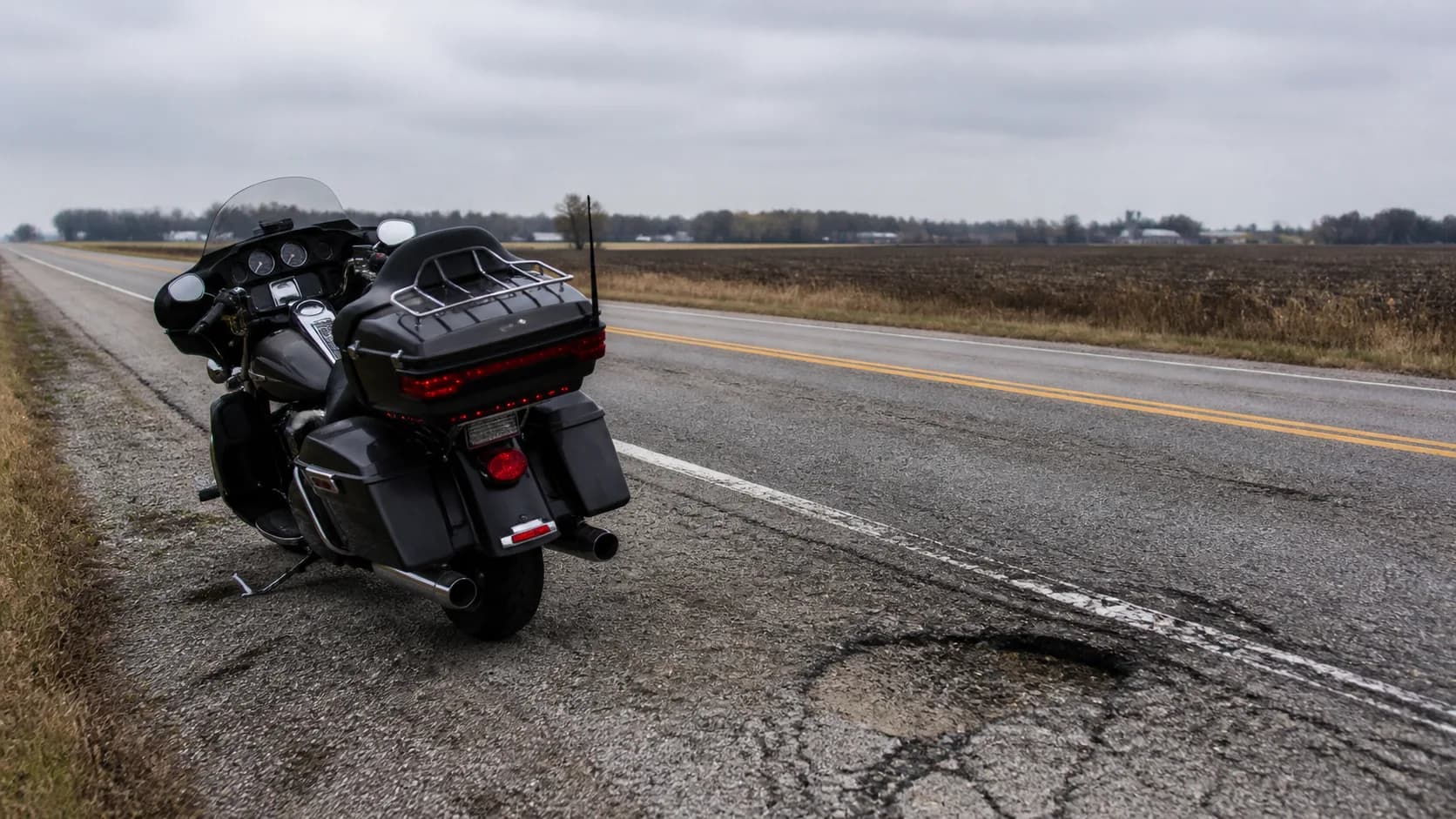
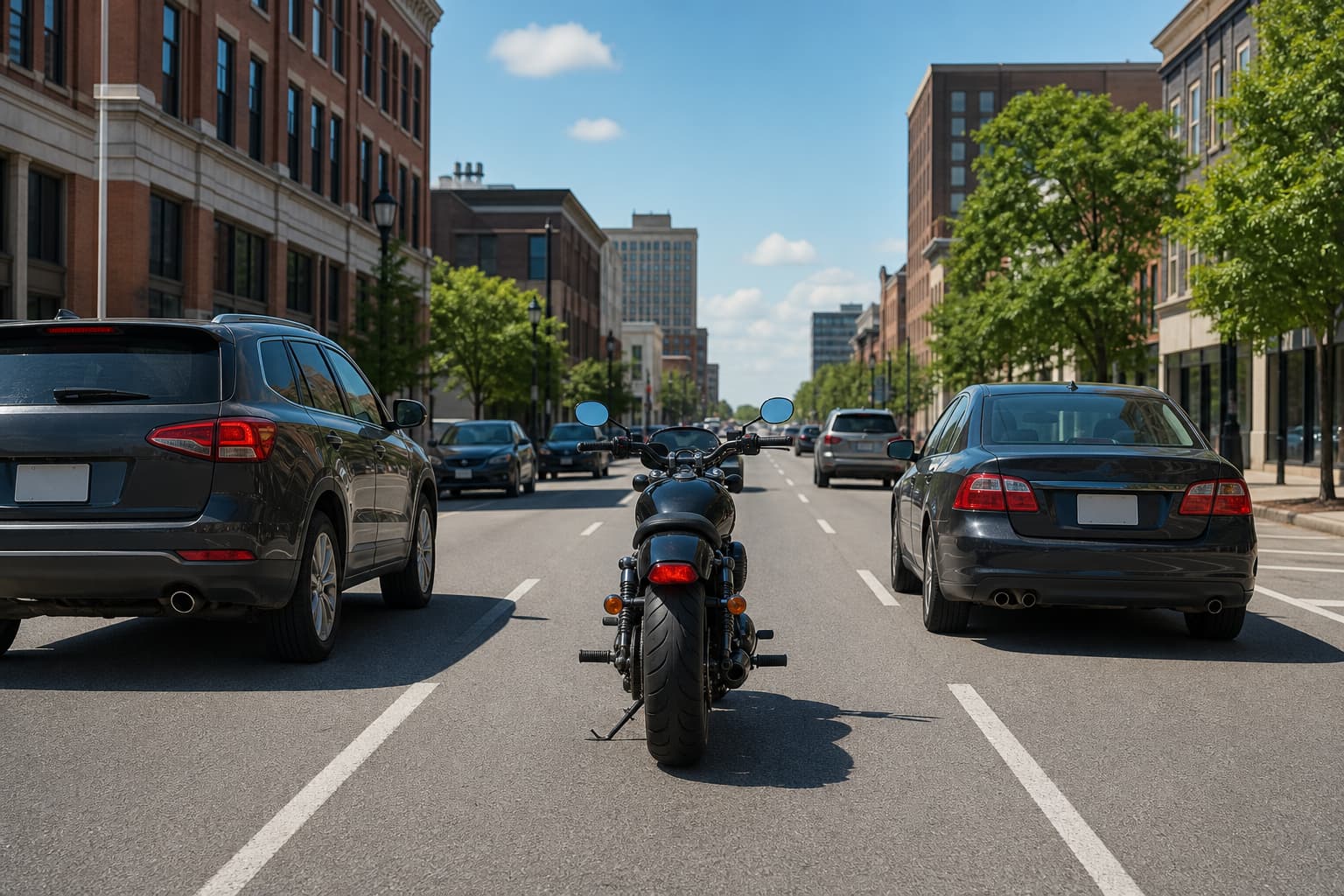
Lane splitting is a common motorcycle-law question because riders hear different rules from different states. Some places discuss lane filtering or splitting as a traffic-safety policy. Indiana is different. If an Indiana motorcycle crash involves an allegation that the rider was moving between lanes, riding between stopped cars, or filtering to the front of traffic, expect the insurance company to make that a major issue.
That does not mean every lane-position accusation is true. Drivers misjudge motorcycles. Witnesses may use the wrong terms. A rider may have been centered in a lane, riding two-abreast with another motorcycle, avoiding a hazard, or reacting to another driver’s unsafe movement. The investigation matters.
Delventhal Law Office helps injured motorcyclists in Fort Wayne and throughout Indiana respond to unfair rider-blame arguments. If you were hurt, visit our Fort Wayne motorcycle accident attorney page or call (260) 484-6655 for a free consultation.
Key takeaways
- Indiana does not have a California-style lane-splitting rule for motorcycles.
- Indiana law gives motorcycles full use of a lane and generally prohibits other vehicles from depriving them of that lane.
- Two motorcycles may ride no more than two abreast in one lane, but that is different from lane splitting between lanes of cars.
- Insurers may use alleged lane splitting to argue comparative fault.
- Dashcam video, traffic-camera footage, witness statements, lane markings, vehicle damage, and crash diagrams can help prove where the motorcycle actually was.
What is lane splitting?
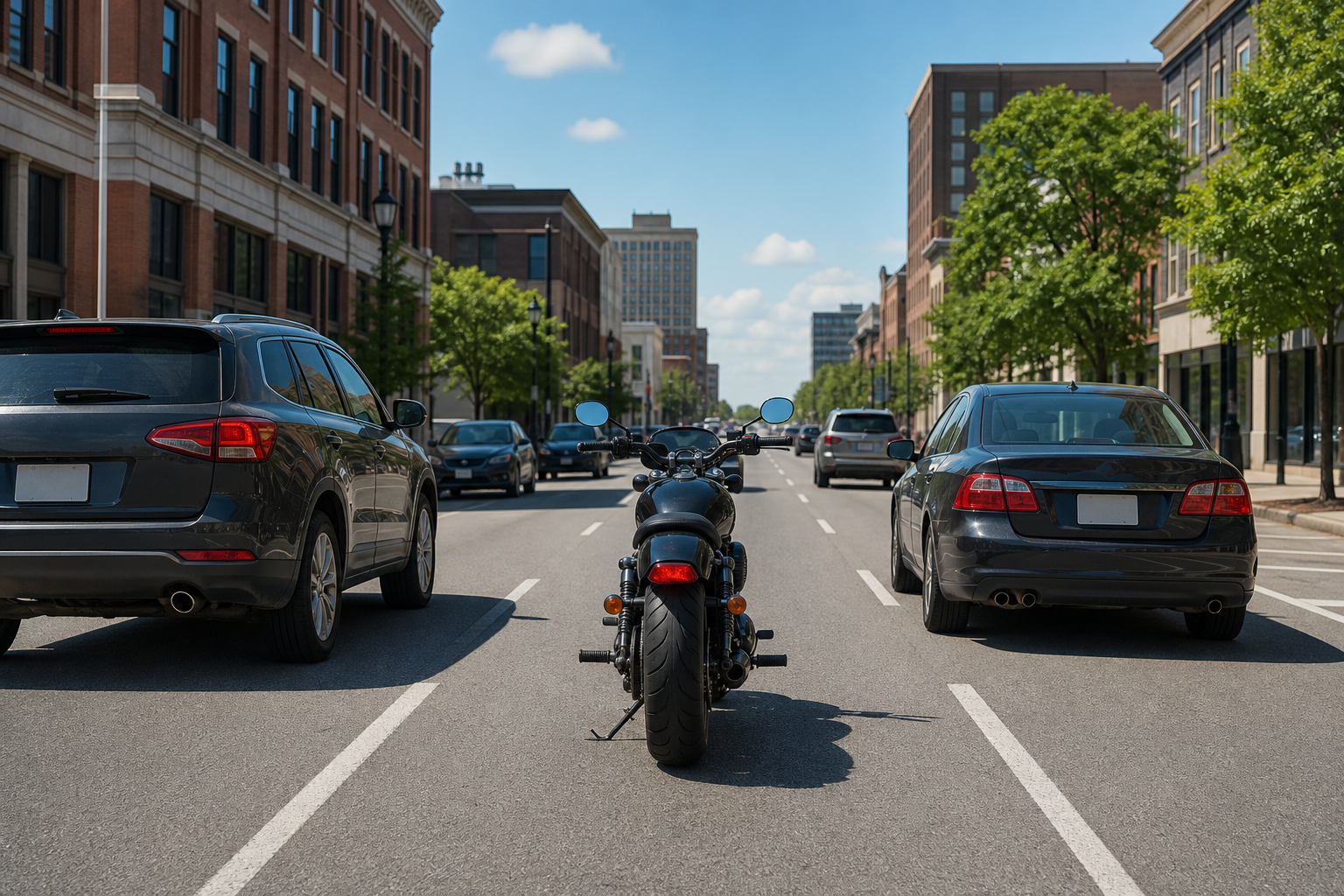
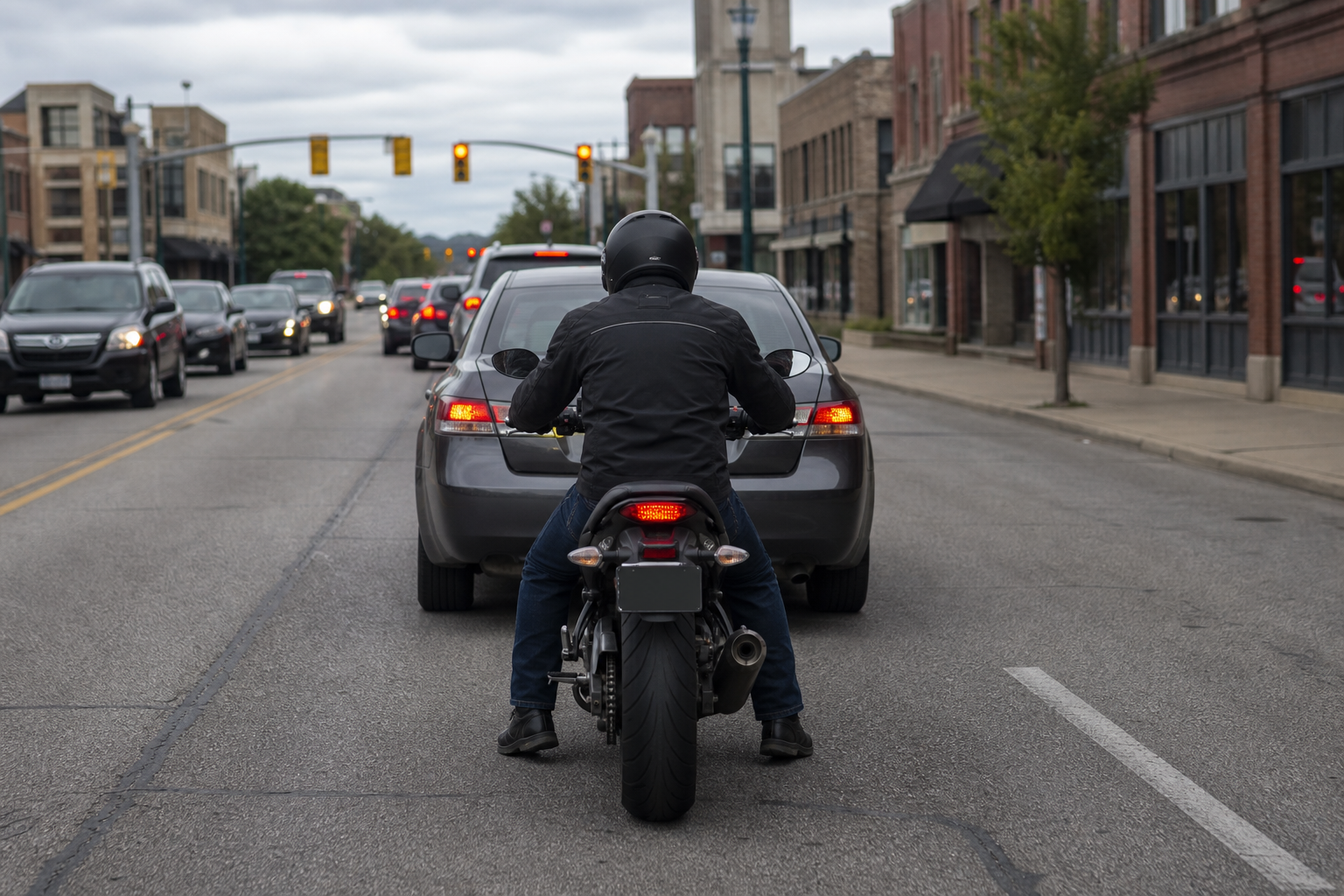
Lane splitting usually means a motorcycle rides between two lanes of moving or stopped traffic traveling in the same direction. Lane filtering is similar, often used to describe a motorcycle moving between stopped or slow vehicles to reach the front of traffic at a light.
People sometimes use these terms loosely. A witness may say “lane splitting” when the rider was actually changing lanes, passing within a legal lane, riding next to another motorcycle, avoiding debris, or being squeezed by a larger vehicle. Because the phrase can be used imprecisely, the evidence matters more than the label.
Is lane splitting legal in Indiana?
Indiana does not have a general law authorizing motorcycles to lane split or filter between vehicles. Indiana Code section 9-21-10-6 addresses motorcycle lane use. It provides that motorcycles are entitled to full use of a lane, that vehicles may not deprive motorcycles of full lane use, and that motorcycles generally may not be operated more than two abreast in a single lane.[1]
That framework is very different from lane splitting. The statute protects a motorcycle’s right to occupy a lane; it does not invite a rider to travel between lanes of traffic.
Lane sharing is not the same as lane splitting
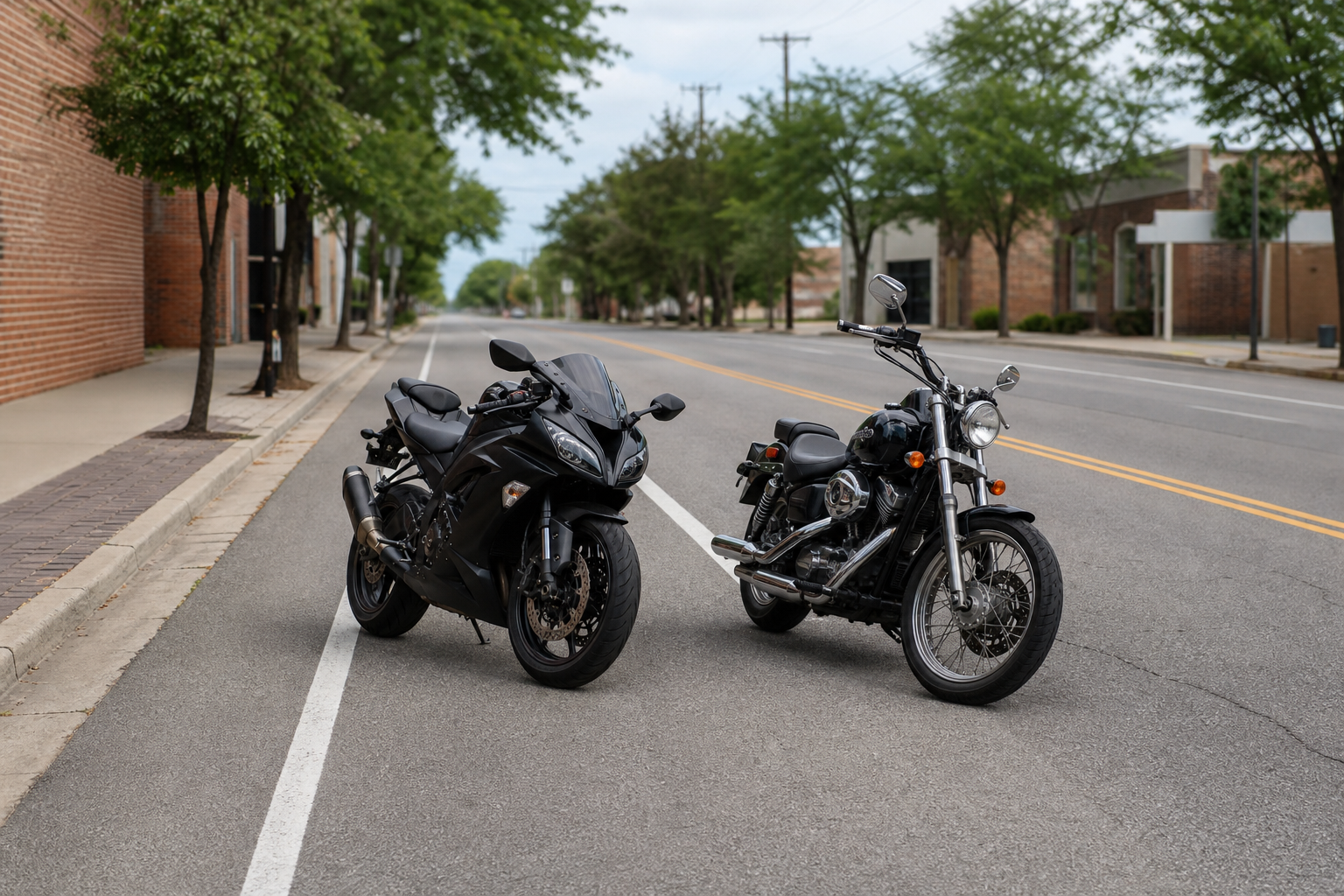
Indiana’s two-abreast language matters. Two motorcycles riding beside each other in one lane may be allowed when done within the statutory limit. That is often called lane sharing.
Lane splitting is different. It usually involves a motorcycle traveling between vehicles in adjacent lanes. In a crash claim, confusing those two concepts can unfairly make a lawful rider look reckless.
For example:
- Potential lane sharing: two motorcycles riding side-by-side in one lane.
- Potential lane splitting/filtering: one motorcycle moving between cars in two adjacent lanes.
- Potential lane-position dispute: a rider centered in one lane while a driver claims the rider “came out of nowhere.”
How insurers use lane-splitting allegations
After a motorcycle crash, the insurance company may argue that the rider was lane splitting even when the evidence is thin. That allegation can be useful to an insurer because it paints the rider as impatient, unsafe, or responsible for appearing in a place the driver did not expect.
Common insurance arguments include:
- The rider was between lanes and therefore hard to see.
- The rider was passing stopped traffic improperly.
- The rider was moving too fast for traffic conditions.
- The driver could not reasonably anticipate the motorcycle’s position.
- The rider’s lane position caused or contributed to the collision.
Those arguments should not be accepted automatically. They must be tested against the crash facts.
Lane splitting and comparative fault in Indiana
Indiana uses comparative fault rules in many negligence cases. Under Indiana Code chapter 34-51-2, fault can reduce recovery, and in many ordinary negligence cases a claimant found more than 50% at fault may be barred from recovery.[2]
If lane splitting is alleged, the defense may argue the rider should receive some or all of the fault. But comparative fault is not decided by accusation. Important questions include:
- Was the rider actually between lanes?
- Was traffic stopped, slowing, or moving?
- Was the rider changing lanes, avoiding a hazard, or being forced out of position?
- Did another driver fail to signal, open a door, turn suddenly, or drift lanes?
- Where is the vehicle damage?
- What do witnesses, dashcams, or traffic cameras show?

Common crash scenarios involving lane-splitting accusations
Lane-position disputes can arise in several types of motorcycle crashes:
- Left-turn crashes: a driver turns across the rider’s path and later claims the motorcycle was between lanes or passing traffic.
- Lane-change crashes: a car moves into the motorcycle’s space without seeing the rider.
- Dooring or curbside crashes: a door opens or vehicle pulls out while the rider is near parked traffic.
- Intersection filtering allegations: a rider is accused of moving to the front of stopped traffic.
- Rear-end avoidance: a rider changes position to avoid being hit from behind and is later blamed for leaving the lane.
- Construction or road-hazard avoidance: a rider moves within or near a lane to avoid gravel, debris, or uneven pavement.
For related rider-blame issues, see When Cars Fail to Yield, Motorcyclists Suffer the Consequences in Indiana, Why Intersection Crashes Are So Deadly for Motorcycle Riders in Indiana, and How Road Hazards Cause Motorcycle Crashes in Indiana.
Evidence that can prove where the motorcycle was
The best evidence in a lane-splitting dispute often comes from the scene and nearby vehicles. Useful evidence may include:
- Dashcam or helmet-camera video.
- Traffic-camera or nearby business video.
- Witness statements from other drivers, passengers, pedestrians, or riders.
- Police report, diagram, and measurements.
- Photos of lane markings, skid marks, debris, and vehicle resting positions.
- Damage patterns on the motorcycle and other vehicles.
- Event data, phone records, or vehicle technology where available.
- Roadway design, lane width, shoulder width, and construction-zone layout.
What to do if you are accused of lane splitting after a crash
- Do not argue with the driver at the scene.
- Call 911 and report injuries.
- Photograph the scene, lane markings, vehicle positions, and damage.
- Ask witnesses for names and phone numbers.
- Look for nearby cameras at businesses, homes, buses, trucks, or rideshare vehicles.
- Preserve your motorcycle, helmet, riding gear, and any camera footage.
- Do not give a recorded insurance statement without understanding how the lane-position issue may be used.
- Talk with a motorcycle accident lawyer quickly, especially if fault is disputed.
Fort Wayne traffic examples
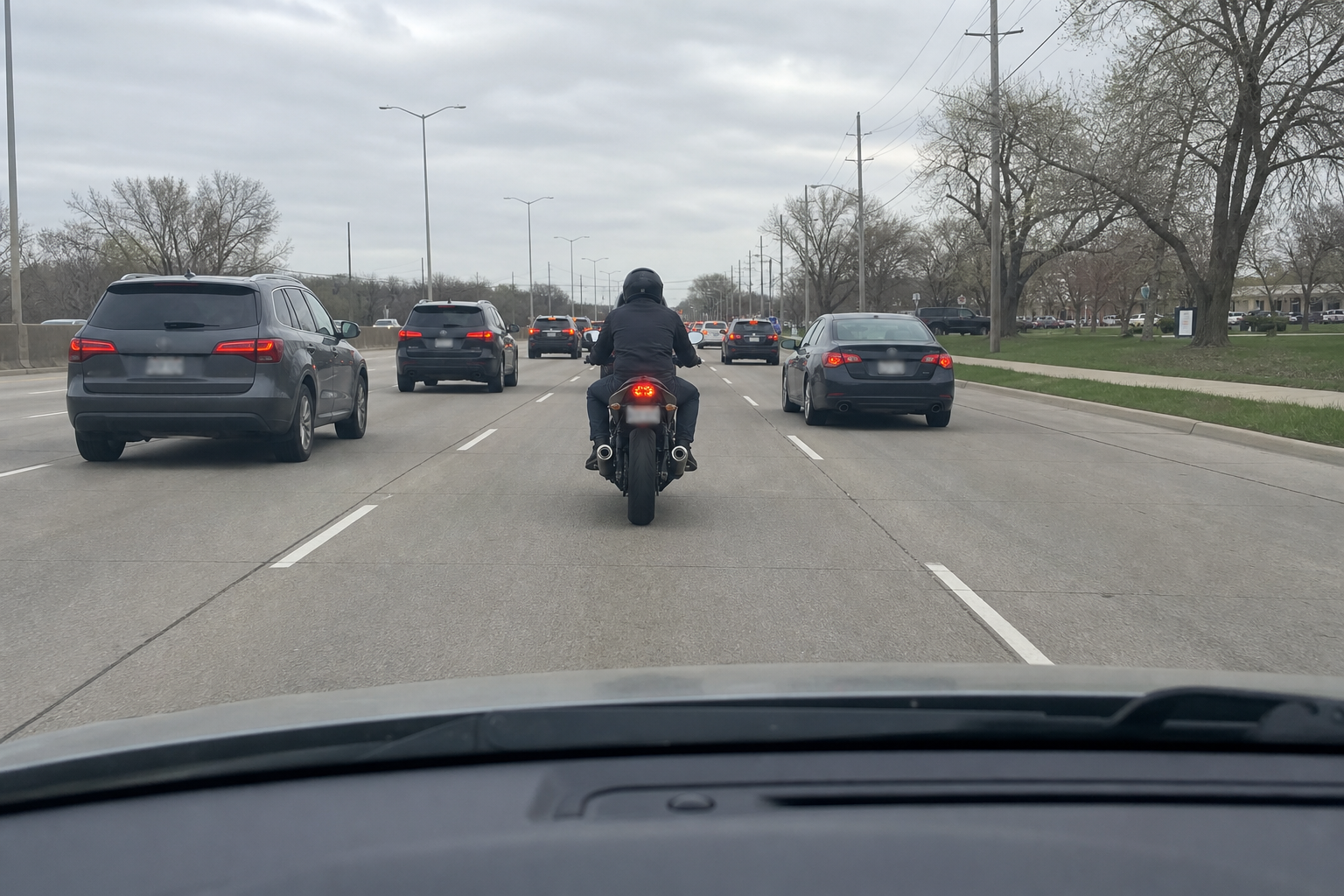
Lane-position disputes can happen in ordinary Fort Wayne traffic: Coliseum Boulevard, Lima Road, Coldwater Road, Illinois Road, Jefferson Boulevard, Clinton Street, State Boulevard, Dupont Road, US-30, I-69, and I-469. Heavy traffic, construction zones, merging lanes, and stop-and-go conditions can all create opportunities for drivers to misunderstand where a motorcycle was.
The more crowded the roadway, the more important it becomes to preserve video and witness evidence before it disappears.
Talk to a Fort Wayne motorcycle accident attorney
If the insurance company says you were lane splitting, filtering, or riding unsafely, do not assume the accusation ends your claim. The facts, evidence, Indiana law, and comparative-fault arguments all matter.
Call Delventhal Law Office at (260) 484-6655 or contact us online for a free consultation. There is no fee unless we recover for you.
Lane-splitting disputes are decided under the same Indiana personal injury rules as other crash cases. Our Fort Wayne personal injury attorney page explains Indiana's filing deadlines, the comparative fault rule, and the damages Indiana law allows.
Frequently asked questions
Is lane splitting legal in Indiana?
Indiana does not have a general law authorizing motorcycle lane splitting or filtering. Indiana law gives motorcycles full use of a lane and generally limits motorcycles in one lane to no more than two abreast.
Can two motorcycles ride side-by-side in one lane in Indiana?
Indiana law generally allows motorcycles to be operated no more than two abreast in a single lane. That is different from one motorcycle riding between lanes of cars.
Can I still recover compensation if I was accused of lane splitting?
You can use our Indiana car accident settlement calculator to organize the factors that may affect a claim’s value; it is an educational tool, not a promise of any result.
Possibly. The accusation must be proven and tied to the crash. Evidence may show the rider was not lane splitting, that another driver caused the crash, or that fault should be allocated differently.
What evidence helps fight a lane-splitting allegation?
Dashcam video, helmet-camera footage, witness statements, police diagrams, vehicle damage, lane markings, nearby business cameras, and crash reconstruction evidence may all help.
What if I moved out of my lane to avoid a hazard?
That fact matters. Avoiding debris, a road hazard, a drifting vehicle, or a rear-end threat is different from intentionally riding between lanes of traffic. The evidence should be reviewed carefully.
Sources and authority
- Indiana Code chapter 9-21-10, motorcycles and motor driven cycles, Indiana General Assembly, including lane-use rules in section 9-21-10-6, https://iga.in.gov/laws/2024/ic/titles/9#9-21-10[1].
- Indiana Comparative Fault Act, Indiana Code chapter 34-51-2, Indiana General Assembly, https://iga.in.gov/laws/2024/ic/titles/34#34-51-2[2].
- Motorcyclist Safety, National Highway Traffic Safety Administration, motorcycle visibility and rider-safety discussion, https://www.nhtsa.gov/road-safety/motorcycles[3].
This article is general information for Indiana readers, not legal advice for a specific case. Reading it does not create an attorney-client relationship, and neither does contacting us. If you do contact us about a possible claim, Indiana Rule of Professional Conduct 1.18 requires us to keep what you tell us confidential whether or not we take the case — but please do not send documents or detailed facts until we have agreed in writing to represent you.