That rule provides a starting point, but it does not mean every part of an injury claim is paid by one insurer. Liability coverage, medical-payments coverage, uninsured or underinsured motorist coverage, and health insurance serve different purposes. The wording of each policy and the facts of the collision still matter.
This guide addresses passengers riding with friends or relatives. Different issues may arise in an Uber, Lyft, motorcycle, commercial vehicle, or government-owned vehicle.
Key takeaways
- Indiana Code 27-8-9-7[1] generally makes the vehicle owner’s motor vehicle policy primary for a passenger’s claim.
- A passenger generally may not recover under other motor vehicle coverage available to the passenger until the coverage available under the owner’s policy has been exhausted.
- Indiana auto policies typically describe medical-payments coverage as paying covered medical bills for the policyholder and usually passengers, up to the policy limit.
- Newly written Indiana auto liability policies must include uninsured and underinsured motorist coverage unless the coverage is rejected in writing.
The practical coverage order
There is no universal payment sequence that applies identically to every bill and every policy. A useful first step is to identify what each available coverage is designed to address.
| Possible coverage | How it may fit a passenger claim |
|---|---|
| Vehicle owner’s motor vehicle policy | Indiana law generally treats the vehicle owner’s motor vehicle policy as primary for a passenger’s claim. |
| Liability coverage | Bodily-injury liability coverage pays covered injury claims against a person who caused the crash, subject to the policy’s terms and limits. |
| Medical-payments coverage | Medical-payments coverage may pay covered medical bills for passengers without first deciding who caused the collision, subject to the policy’s terms and limit. |
| Passenger’s available motor vehicle coverage | Other motor vehicle coverage available to the passenger generally is not reached until coverage available under the owner’s policy is exhausted. |
| Health insurance or Medicare | Health coverage may process accident-related care, but coordination, reimbursement, and Medicare secondary-payer rules may affect the final allocation. |
The sequence can change when a policy excludes a person or vehicle, the driver lacked permission, a vehicle was rented or supplied by an employer, or policies were issued in different states. Reviewing the declarations pages and complete policies is therefore more reliable than relying on insurance cards alone.
Why the vehicle owner’s policy usually comes first
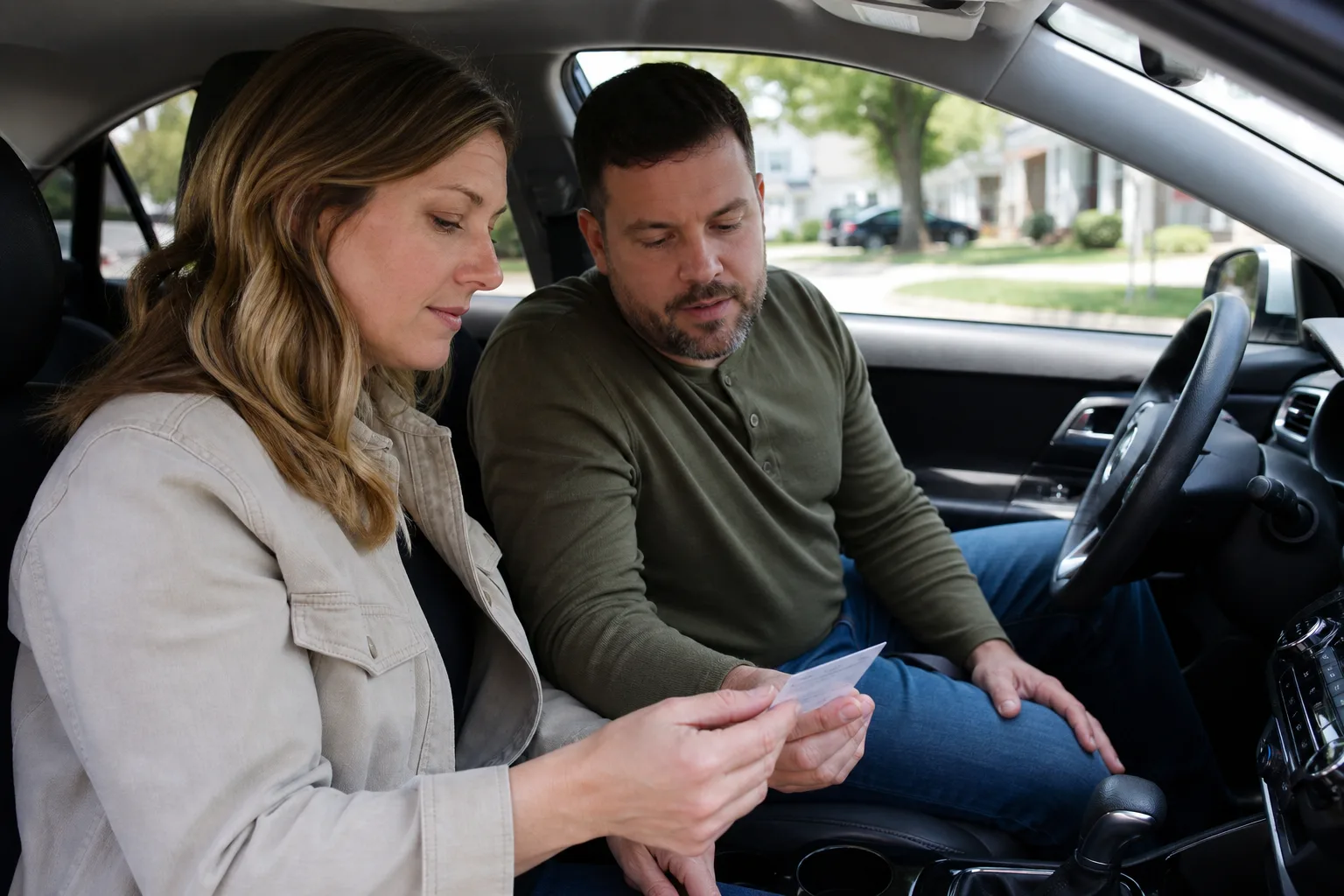
Indiana Code 27-8-9-7[1] states that an owner’s motor vehicle policy is considered primary for a passenger’s claim when the case arises from the owner’s use of an insured vehicle.
The same statute generally prevents a passenger from recovering under other motor vehicle coverage available to that passenger until the coverage available under the owner’s policy has been exhausted.
The Indiana Department of Insurance also identifies Indiana Code 27-8-9-7[1] as the rule governing primary motor vehicle coverage for passenger claims in its property-and-casualty review standards[2].
This priority rule concerns available motor vehicle insurance; it does not establish that the vehicle owner or driver was negligent. Fault still must be evaluated from the collision evidence.
For a broader discussion of possible responsible parties and claim components, see Delventhal Law Office’s guide for an injured passenger after an Indiana car accident and the firm’s Fort Wayne car accident practice page.
How MedPay and health insurance can interact
The Indiana Department of Insurance[3] explains that medical-payments coverage pays covered medical bills for the insured and usually passengers injured while riding in, entering, or leaving the covered car, up to the policy limit.
MedPay is different from bodily-injury liability coverage because MedPay can apply without first resolving who caused the crash, while liability coverage responds to covered claims based on responsibility for the collision.
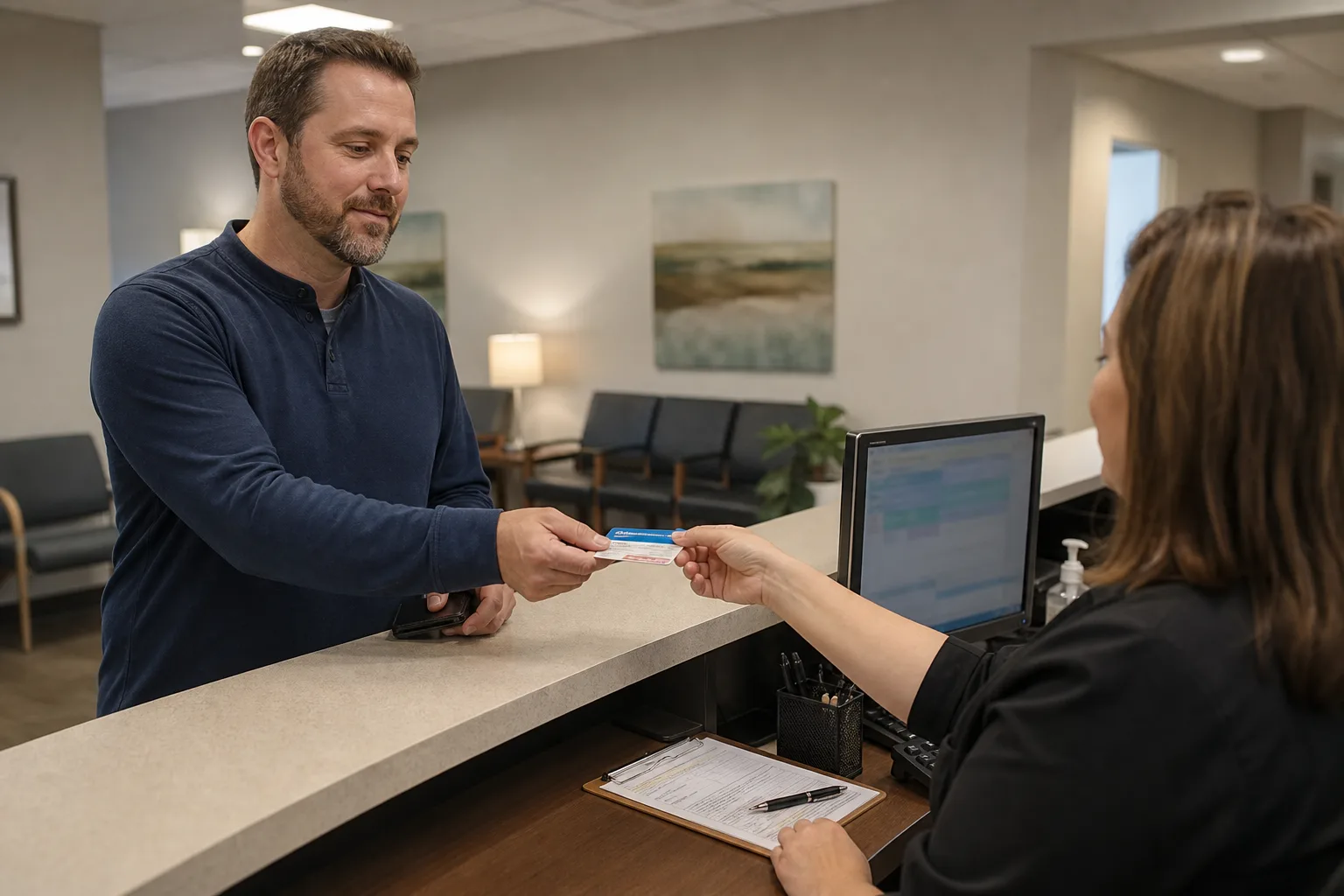
You can give medical providers your health-insurance information while the auto-coverage questions are investigated. Whether a health plan pays, coordinates benefits, or later seeks reimbursement depends on the plan and applicable law.
Medicare has specific federal coordination rules: liability insurance and no-fault coverage, which can include auto medical-payments coverage, may be primary to Medicare for accident-related services.
CMS states that Medicare may make conditional payments when a responsible liability or no-fault insurer does not pay promptly and may later seek recovery after a settlement, judgment, award, or other payment.
Learn more about the practical billing process in the firm’s guide to who pays medical bills after an Indiana car accident.
When UM or UIM coverage may matter
Uninsured motorist coverage may apply when a covered passenger is injured by a driver without applicable liability insurance, while underinsured motorist coverage may apply when the responsible driver’s available liability coverage is lower than the covered damages.
Indiana requires newly written auto liability policies to include uninsured and underinsured motorist coverage unless the named insured rejects that coverage in writing.
Whether the vehicle’s UM or UIM coverage, a household policy, or another policy applies—and in what order—depends on Indiana’s priority rule and the policies’ definitions, exclusions, limits, and other-insurance provisions.
Do not assume your family policy is irrelevant merely because you were riding in someone else’s vehicle. Request the complete policy and obtain a written coverage decision identifying the language on which the insurer relies.

Documents to collect before deciding which policy pays
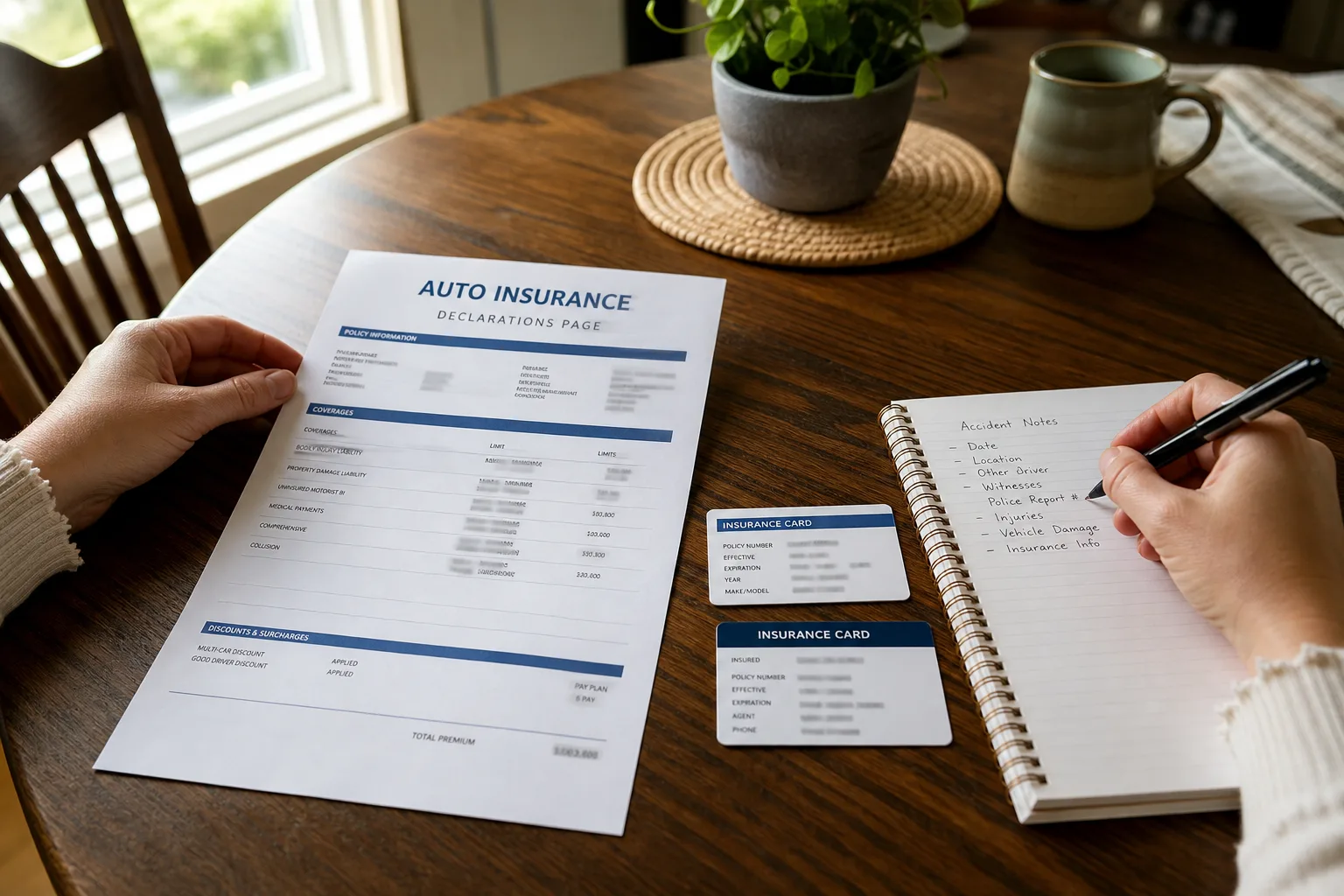
Create one coverage file and keep copies rather than sending away your only originals.
- The vehicle owner’s insurance card, declarations page, and complete policy;
- The driver’s insurance information if the driver and owner are different people;
- Your own auto policy and policies for household members;
- Every claim number and adjuster’s contact information;
- Written coverage letters, reservation-of-rights letters, and denial letters;
- Health-insurance cards and explanations of benefits;
- Medical bills, provider statements, and proof of amounts you paid;
- The crash report number, photographs, and witness information; and
- A simple log showing when documents were sent and received.
What to do when insurers disagree
Ask each insurer to state its position in writing and identify the policy provision supporting that position. Compare the response with the declarations page, endorsements, and full policy—not only an adjuster’s summary.
The Indiana Department of Insurance accepts written consumer complaints involving coverage concerns and claim disputes involving insurers within its jurisdiction.
The Department advises consumers to contact the insurer, agent, or broker first and to include supporting documents if they later submit a complaint through the Indiana insurance complaint portal[4].
A Department complaint can address regulatory or policy-compliance concerns, but the Department states that it cannot compel payment or determine the monetary value of a claim.

Frequently Asked Questions
Does the driver’s insurance always pay first?
No. Indiana generally considers the vehicle owner’s motor vehicle policy primary for a passenger’s claim, including when a permittee was operating the vehicle with the owner’s permission and within the scope of that permission.
Can I use my own MedPay as a passenger?
Possibly, but other motor vehicle coverage available to a passenger generally is not reached until the coverage available to that passenger under the owner’s policy has been exhausted.
Can health insurance pay while the auto claim is pending?
Health coverage may process accident-related care, but the plan may have coordination or reimbursement rights; Medicare follows separate federal secondary-payer and recovery rules.
What if an insurer denies coverage?
Request the decision and cited policy language in writing, preserve every version of the policy, and compare the denial with the declarations and endorsements. Indiana consumers may submit coverage concerns and claim disputes to the Indiana Department of Insurance after first trying to resolve the issue with the insurer, agent, or broker.
Sources
- Indiana Code 27-8-9-7[1] — Primary motor vehicle coverage for permittees and passengers.
- Indiana Department of Insurance — Auto Insurance consumer guidance.
- Indiana Department of Insurance — Property and Casualty Review Standards.
- Centers for Medicare & Medicaid Services — Liability, No-Fault and Workers’ Compensation Reporting.
You may request a calm, no-obligation conversation through the firm’s contact page.
This article is general information, not legal advice. Reading it does not create an attorney-client relationship, and neither does contacting us. If you do contact us about a possible claim, Indiana Rule of Professional Conduct 1.18 requires us to keep what you tell us confidential whether or not we take the case — but please do not send documents or detailed facts until we have agreed in writing to represent you.