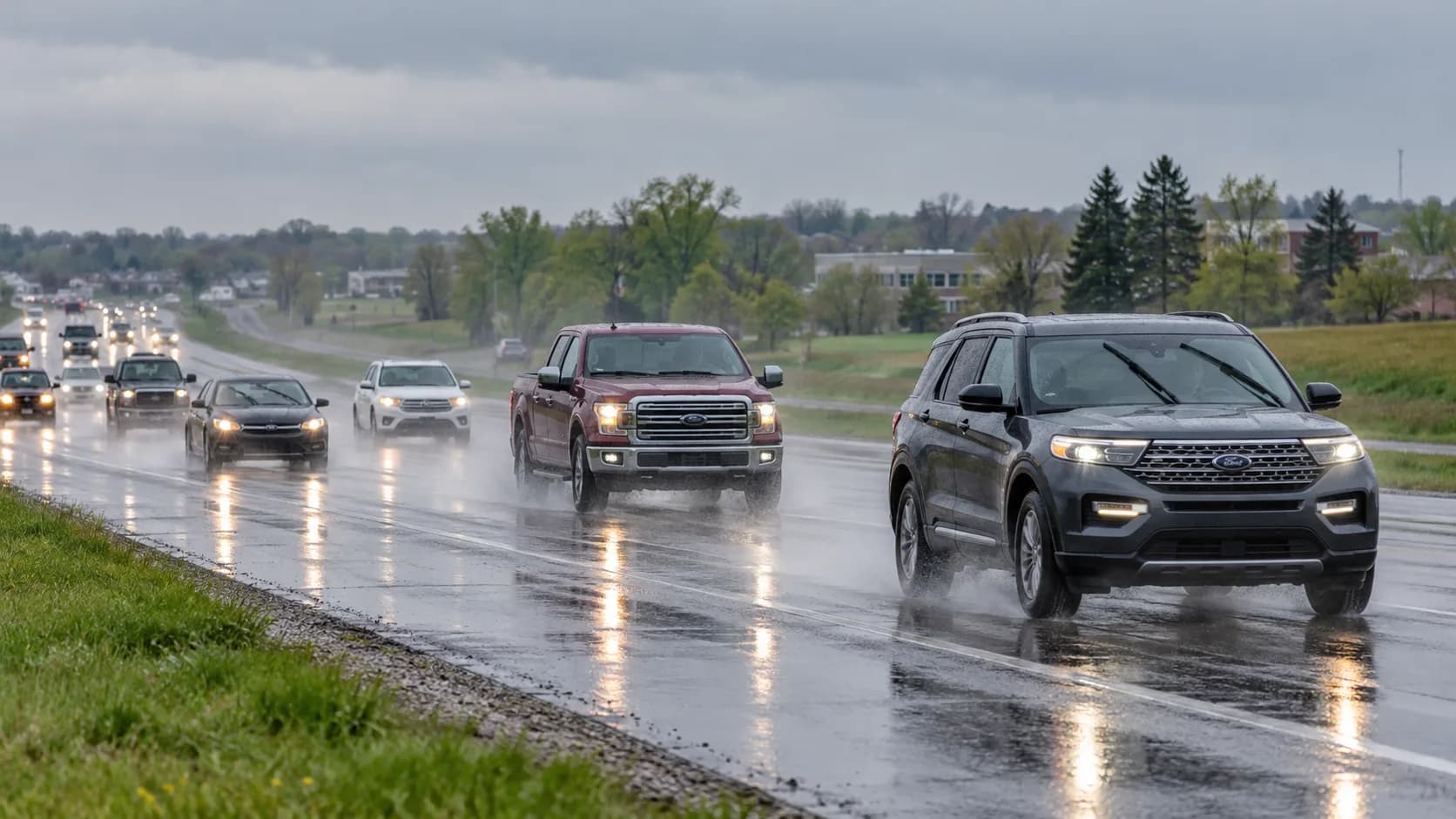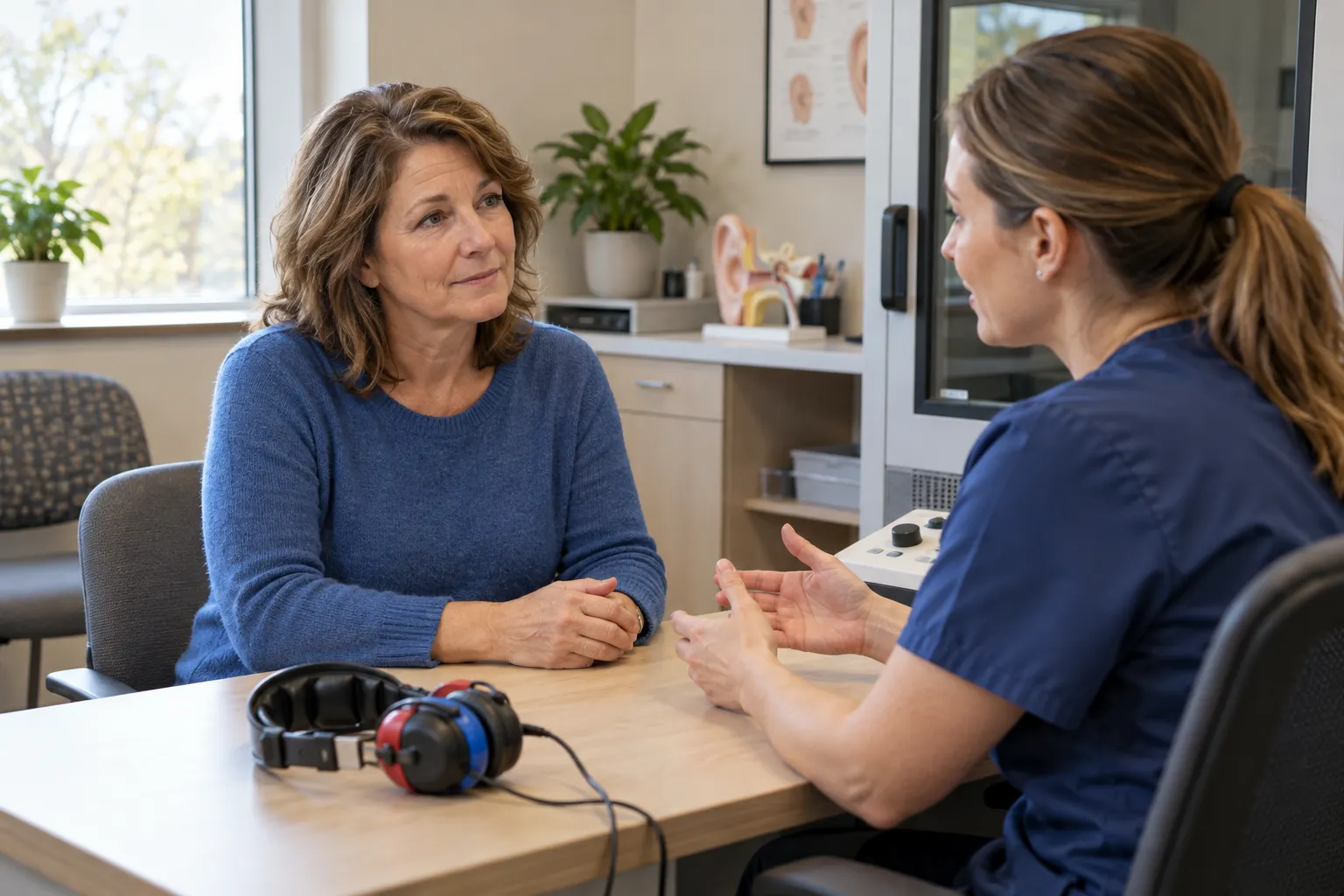
This guide is for Indiana crash survivors and family members trying to organize those next steps. It does not diagnose an injury or assign a settlement value. Our Fort Wayne car accident practice can review the crash and treatment records together when you are ready to discuss the legal side.
Key takeaways
- Serious facial injuries, breathing trouble, and heavy bleeding need emergency attention.
- A tooth injury, a jaw fracture, and other facial trauma are not interchangeable diagnoses.
- Keep pre-crash dental records as well as new records.
- Separate completed treatment, written recommendations, and possible future options.
- Record functional changes privately and accurately; do not let documentation delay care.
When facial or dental injuries need urgent care
Call 911 or seek emergency care for a severe facial injury, particularly with breathing difficulty or heavy bleeding. MedlinePlus's facial-trauma guidance[1] describes serious complications and emergency evaluation. Do not stop to take claim photographs before getting help.
A suspected broken or dislocated jaw also needs prompt medical attention. Do not attempt to reposition it yourself. A bite that no longer lines up, difficulty opening or closing the mouth, and pain with chewing are among the symptoms described in MedlinePlus's jaw-injury guide[2]; they require assessment, not a diagnosis from a checklist.
If a tooth is broken or knocked out, contact a dentist right away. If a knocked-out tooth is found, handle it by the crown, not the root, and follow immediate professional guidance on preserving it. Adult and baby teeth are handled differently; do not assume they should both be put back. MedlinePlus explains emergency tooth care[3]. This article is not a substitute for real-time instructions from a dentist or emergency clinician.

One crash can produce several different sets of records
Facial trauma can involve the jaw, cheek, nose, eye socket, forehead, and surrounding tissues. Depending on the findings, a clinician may use an examination and imaging to assess the injury. MedlinePlus describes the evaluation of facial trauma. An emergency visit and a later dental examination therefore may address different concerns.
A broken jaw is a fracture; a dislocated jaw has moved out of its normal joint position. Both differ from a chipped or knocked-out tooth. The jaw-injury overview helps distinguish the terms, but your own diagnosis should come from the treating professional.
Create one provider list with the visit date, office, reason for the visit, and follow-up instructions. Include dental offices even if the rest of your care was at a hospital. Keep referral paperwork and appointment confirmations. Do not assume the emergency department automatically has later dental images or that a dentist received every hospital note.

Why older dental records are worth preserving
Before-and-after comparison is more useful than treating every post-crash finding as new. Ask your regular dentist about obtaining earlier examinations, dental images, treatment plans, and records of previous crowns, missing teeth, or bite complaints. Record the last pre-crash appointment even if you do not yet have the chart.
For the new evaluation, ask the dental office to identify the tooth or area treated, the findings, the recommended procedure, and any uncertainty about the explanation. Do not write your own medical-causation statement or ask a provider to use wording that is not supported by the examination.
If there is no recent baseline, say so. Personal recollection, prior photographs, and older records may each supply context, but none should be presented as a substitute for an examination. Preserve originals rather than editing photographs to make a difference look more dramatic.

A treatment-and-records worksheet
A family member can use this table to organize what has been received and what still needs clarification. It is a preparation tool, not a statement that every item is recoverable or that a particular procedure is necessary.
| Category | What to keep | What to clarify |
|---|---|---|
| Initial care | Emergency notes, imaging reports, discharge instructions | Which concerns were evaluated and which were referred? |
| Dental baseline | Earlier charts, images, restorations and treatment plans | What was documented before the crash? |
| New dental or jaw care | Diagnosis, tooth identification, procedure notes and referrals | What is confirmed, and what still needs assessment? |
| Photographs | Original files, date, and a simple explanation of what they show | Are copies unfiltered and stored privately? |
| Billing | Itemized bills, explanations of benefits, receipts and estimates | Which amounts are charges, payments, balances or proposals? |
| Future treatment | Written recommendation, sequence and estimated costs if available | Is the plan definite, conditional or awaiting reassessment? |
A dental estimate and a hospital bill may describe different stages of care. Label each document by provider and date rather than adding every number into a single total. If two documents appear to charge for the same service, keep both and ask the office to explain the relationship.
For the crash itself, save the report number, available photographs, and witness information. The Indiana State Police crash-report page[4] identifies the electronic report service and fee. That report helps organize crash information; it is not a dental opinion.

Record function as well as appearance
Jaw injuries can affect chewing, speaking, and how the teeth meet. These are among the problems described by MedlinePlus. Tell the treating professional what you are experiencing, and follow the prescribed diet and activity instructions rather than using this article to choose them.
For your own notes, describe a specific change and date: a work call you could not comfortably finish, help arranging meals, time away for appointments, or a task you resumed as you improved. Distinguish a medical restriction from a personal observation. If your job involves speaking with customers, explain the actual duties instead of relying on the job title alone.
Keep a private record of appearance changes if useful, but do not repeatedly photograph an injury at the expense of comfort or care. Record improvements too. For a broader explanation of daily-life effects, see our Indiana pain-and-suffering guide. This article does not assign a value to appearance or emotional effects.
Ask what the next stage of treatment actually means
A plan may be clear, conditional, or still under discussion. Ask the provider to identify what is recommended now, what depends on healing or another evaluation, and when the plan will be reviewed. Do not turn a possible procedure into a statement that it will definitely happen.
- Who is coordinating the next appointment or referral?
- Which records should be transferred before that appointment?
- What question is the next evaluation intended to answer?
- Is the cost estimate for one stage or the whole proposed course?
- What follow-up is recommended after the current treatment is complete?
Our general article on injuries that may require surgery after a crash offers related context. Whether you need an operation or another dental procedure is a clinical decision, not a conclusion from a legal blog.

Frequently asked questions
What should I do about a broken or knocked-out tooth after a crash?
Contact a dentist right away and follow immediate professional instructions. Get emergency medical help first for serious facial injury, breathing trouble, or heavy bleeding; do not delay care to collect claim evidence.
Is a jaw fracture the same as a damaged tooth?
No. A jaw fracture concerns the bone, while tooth damage is a different finding. Keep the diagnosis from each provider rather than using those terms interchangeably.
Should I collect dental records if I already have hospital records?
Yes. Keep the records of each evaluation, including dental images, treatment notes, referrals, and itemized bills. Do not assume a single facility's chart includes all later care.
Are pre-crash dental records useful?
They can provide a documented baseline for comparison. Preserve prior treatment history honestly and let the treating professional assess what changed.
How should I document a possible future dental procedure?
Keep the written recommendation and any estimate, noting whether the procedure is recommended now or depends on later findings. An option discussed at an appointment is not the same as a confirmed treatment plan.
Is there a standard settlement amount for facial or dental damage?
No reliable amount follows from the injury label alone. The crash facts, medical and dental findings, documented losses, and available legal options need individualized review; an online average cannot resolve those questions.
Get help organizing the next step
If facial, dental, or jaw injuries have complicated life after an Indiana crash, request a free consultation with Delventhal Law Office. Bring the records you have; you do not need a perfect packet before asking for help. Learn more about Chad Delventhal and our accident representation.
This article is general information about Indiana law and is not legal advice. Reading it does not create an attorney-client relationship, and neither does contacting us.