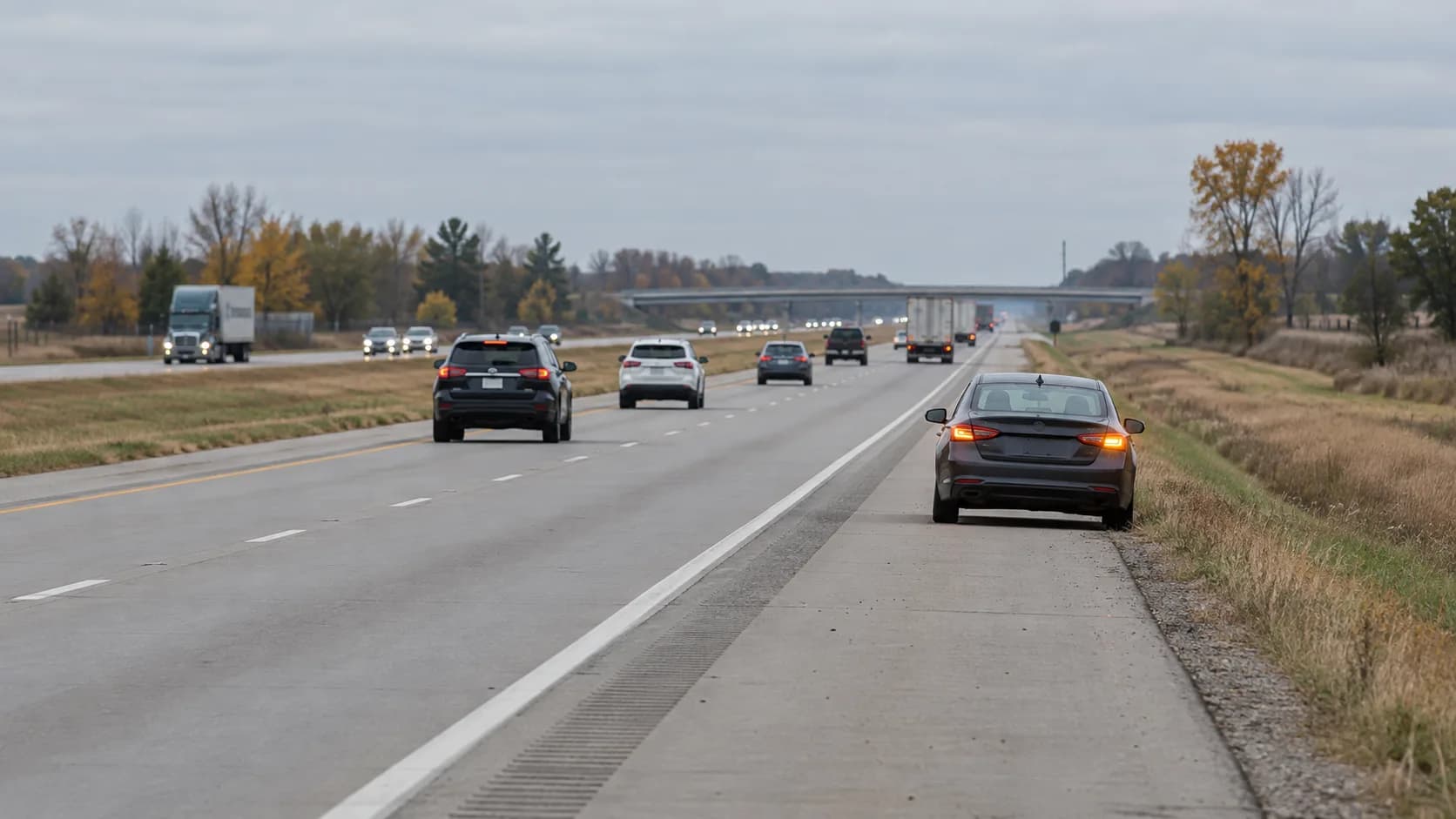

This is the moment most Allen County crash victims realize the medical side of a car-accident injury is its own industry. Surgery turns a soft-tissue case into a six-figure claim, and the way the bills are paid, coordinated, and recovered from the at-fault driver determines whether the family ends up financially whole or financially wrecked.
When a Crash Injury Crosses the Surgical Threshold
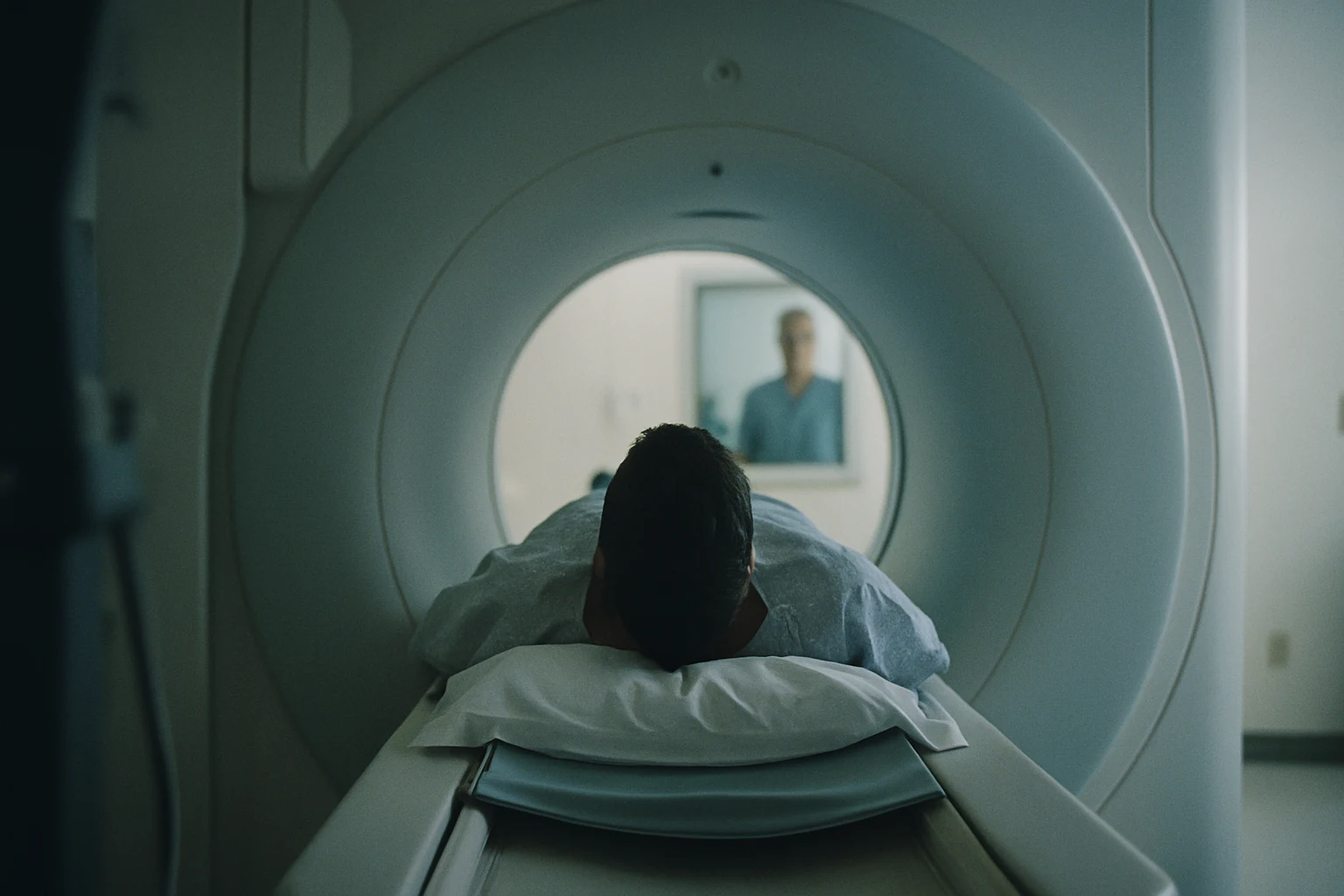
Not every injury that hurts requires surgery. Indiana orthopedic and neurosurgery practices generally try conservative care first: rest, physical therapy, anti-inflammatory medication, injections, and time. Surgery enters the conversation when the injury fails to respond to conservative treatment, when imaging shows structural damage that will not heal on its own, or when the injury is severe enough that surgery is the first-line response.
Roughly speaking, surgical thresholds in crash cases break down by category:
- Orthopedic fractures: Displaced, comminuted, or open fractures usually require surgical fixation with plates, screws, or rods.
- Joint injuries: Complete ligament tears (ACL, MCL, rotator cuff) and meniscal tears with mechanical symptoms commonly require arthroscopic repair.
- Spinal injuries: Herniated discs that fail six to twelve weeks of conservative care, or that present with progressive neurological deficits, often require discectomy or fusion.
- Head injuries: Subdural or epidural hematomas, depressed skull fractures, and dangerous intracranial pressure all require emergency neurosurgical intervention.
- Internal injuries: Spleen lacerations, liver hematomas, ruptured bowel, pneumothorax all may require emergency surgical exploration.
- Soft-tissue catastrophic: Crush injuries with vascular compromise, third-degree burns, or limbs damaged beyond reconstruction lead to amputations.
The decision to operate is medical, not legal. But the legal team has to be ready when the decision is made, because surgery resets the timeline, the costs, and the negotiation posture of the case.
Fractures That Don't Heal With a Cast
Simple fractures (a clean, undisplaced break) are immobilized in a cast or boot and heal on their own. Crash-related fractures are often anything but simple. A comminuted fracture (bone broken into three or more pieces) needs surgical reduction and fixation, typically with a plate and screws or an intramedullary rod. A displaced fracture (bone ends out of alignment) needs to be reset, and if it cannot hold its alignment, fixed surgically.
Common surgical fracture patterns in Allen County crash cases:
- Tibial plateau fractures from dashboard impact
- Comminuted femur fractures from side-impact collisions
- Distal radius (wrist) fractures from a braced impact
- Ankle pilon fractures from foot-pedal impact
- Pelvic ring fractures from high-speed collisions
- Cervical spine and lumbar burst fractures requiring fusion hardware
Fracture surgery costs are layered: the surgeon's bill, the anesthesiologist, the facility, the implanted hardware, the post-op imaging, and the physical-therapy regimen that follows. Inpatient surgical fixation routinely runs $25,000 to $75,000 before the rehab even starts.
Knee, Shoulder, and Joint Injuries
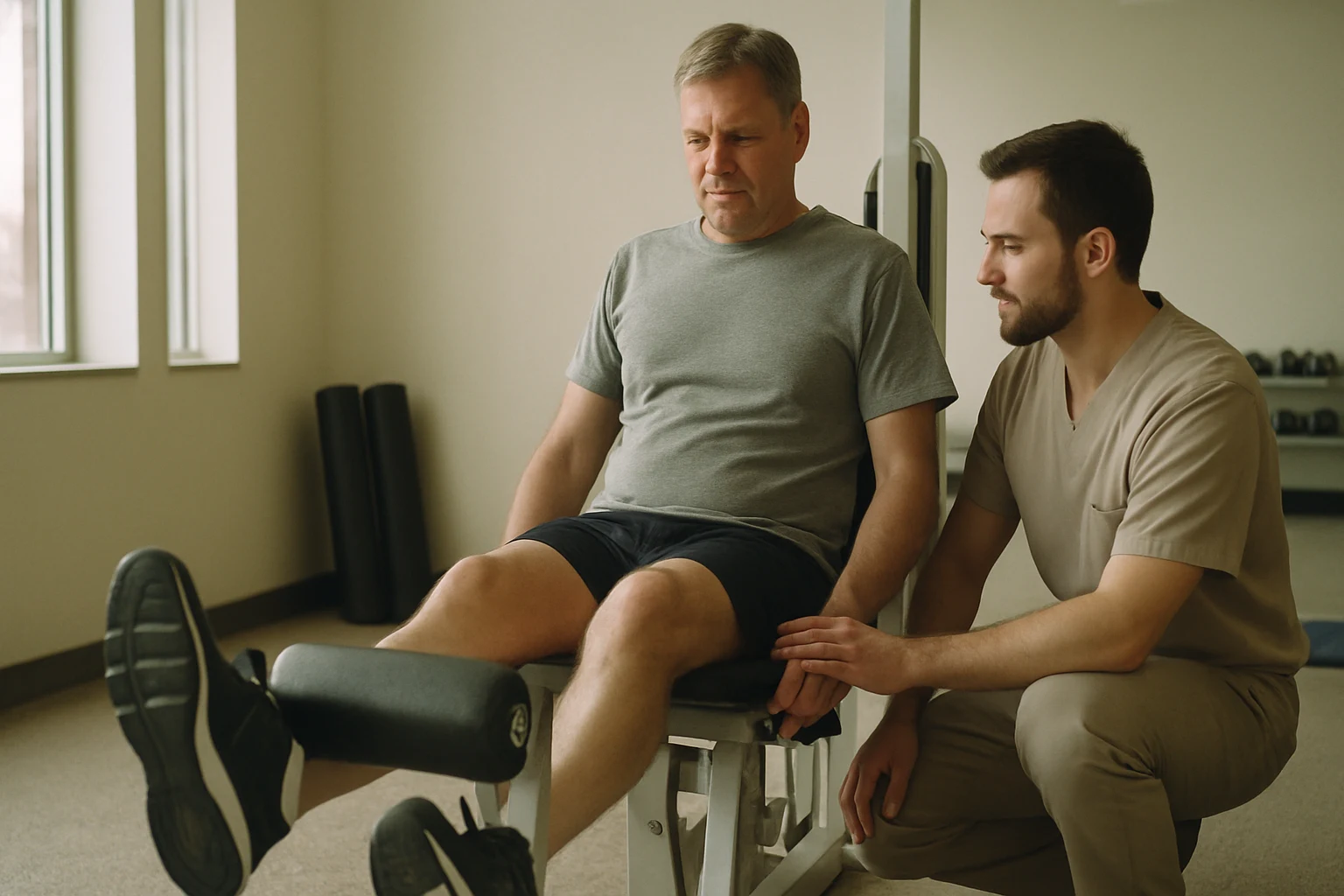
Knees take direct hits in head-on and offset frontal crashes. The dashboard, the steering column, and the brake pedal all generate force patterns that the ligaments and menisci are not built to absorb. ACL tears, MCL tears, and meniscus tears are common. Arthroscopic repair is the typical procedure: smaller incisions, faster recovery than open surgery, but still six to nine months of physical therapy.
The long-tail problem with knee injuries is that they degenerate. A meniscus repair at age forty-two often becomes a partial knee replacement at age fifty-five. Indiana law allows recovery of future medical expenses in personal-injury cases, but they have to be supported by a treating physician's prognosis. A claim built around a single arthroscopy that does not capture the predictable future surgical care leaves recovery on the table.
Shoulder injuries follow the same pattern. Rotator-cuff tears from gripping the wheel at impact, labral tears from seatbelt force, and AC joint separations from side impacts all routinely require arthroscopic or open repair. Recovery commonly runs six to nine months with restricted lifting throughout.
Spinal Injuries: Herniated Discs and Fusion Surgery
The lumbar and cervical spine are the most commonly injured in rear-end and offset-frontal collisions. A herniated disc occurs when the soft inner material of an intervertebral disc pushes through a tear in the outer ring and presses on a spinal nerve. The result is radiating pain, numbness, and weakness in the corresponding limb.
Indiana spinal surgery options for crash victims usually progress through:
- Conservative care (physical therapy, injections) for six to twelve weeks
- Microdiscectomy (removal of the herniated portion of the disc) for persistent radiculopathy
- Anterior cervical discectomy and fusion (ACDF) for cervical herniations with neurological deficit
- Lumbar fusion (single-level or multi-level) for instability, severe degeneration, or failed prior surgery
Fusion surgery is a serious intervention. Adjacent-level disease (the predictable degeneration of the disc above or below a fusion) is a recognized long-term complication, and a thirty-five-year-old who undergoes L4-L5 fusion is statistically likely to face additional surgery decades later. Future-care models in spinal-fusion claims should account for that trajectory.
Brain Injury and the Window for Neurosurgical Intervention

Traumatic brain injury (TBI) ranges from concussion (mild TBI) to severe injuries requiring craniotomy or craniectomy to relieve intracranial pressure. The surgical decision is time-sensitive. An untreated subdural or epidural hematoma can become fatal within hours. ICP elevation from a contusion or diffuse axonal injury can require placement of a monitor or shunt.
Warning signs after any crash that warrant immediate ER evaluation:
- Loss of consciousness, even briefly
- Repeated vomiting
- Unequal pupil size
- Worsening headache that does not respond to over-the-counter medication
- Slurred speech, confusion, or memory gaps
- Drowsiness that progresses to difficulty waking
- Seizure activity
Surviving a serious TBI is only part of the recovery. Cognitive rehabilitation, vocational rehabilitation, and lifelong neurological monitoring are commonly necessary. Indiana claims for moderate-to-severe TBI account for these long-tail costs through life-care planners, who quantify the projected lifetime cost of care and submit it as part of the damages claim.
Internal Organ Damage and Emergency Abdominal Surgery
The forces of even a moderate crash can rupture organs that the seatbelt does not protect. Splenic lacerations are common from seatbelt-and-airbag patterns. Liver injuries, kidney contusions, bowel perforations, and pneumothorax (collapsed lung from a broken rib spearing pleural tissue) are all recognized crash injuries.
Emergency abdominal surgery (laparotomy or laparoscopy) is the typical intervention when imaging shows internal bleeding or peritoneal contamination. Patients can be hospitalized for one to three weeks, followed by months of restricted activity. Indiana law allows full recovery for emergency surgical care, inpatient stay, ICU costs (which routinely run $4,000 to $8,000 per day), and the long-tail consequences of organ damage.
Amputation and Catastrophic Injury
Some crash injuries are so severe that the limb cannot be saved. Crush injuries with vascular compromise, severe burns, and traumatic amputation at the scene all change the entire shape of the case. Modern prosthetic technology has advanced significantly, and Indiana courts allow recovery of the cost of multiple prosthetic replacements over a lifetime (microprocessor knees, myoelectric hands, sport-specific limbs).
Amputation cases also implicate:
- Home modifications (ramps, wider doorways, accessible bathrooms)
- Vehicle modifications (hand controls, lift systems)
- Vocational rehabilitation
- Lifelong mental-health care for adjustment and phantom-limb pain
- Future surgical revisions to the stump
The damages math on a catastrophic case routinely exceeds the at-fault driver's liability limits by a wide margin. Locating every layer of available coverage (employer policies, umbrella policies, underinsured motorist coverage on the victim's own policy) is decisive.
How Delventhal Law Office Handles Surgical-Injury Cases
Surgical injuries change the case in three concrete ways: the medical bills are much higher, the future-care needs are much larger, and the carrier's playbook shifts toward early lowball offers timed for the moment the client is most financially stressed (usually right before or right after surgery).
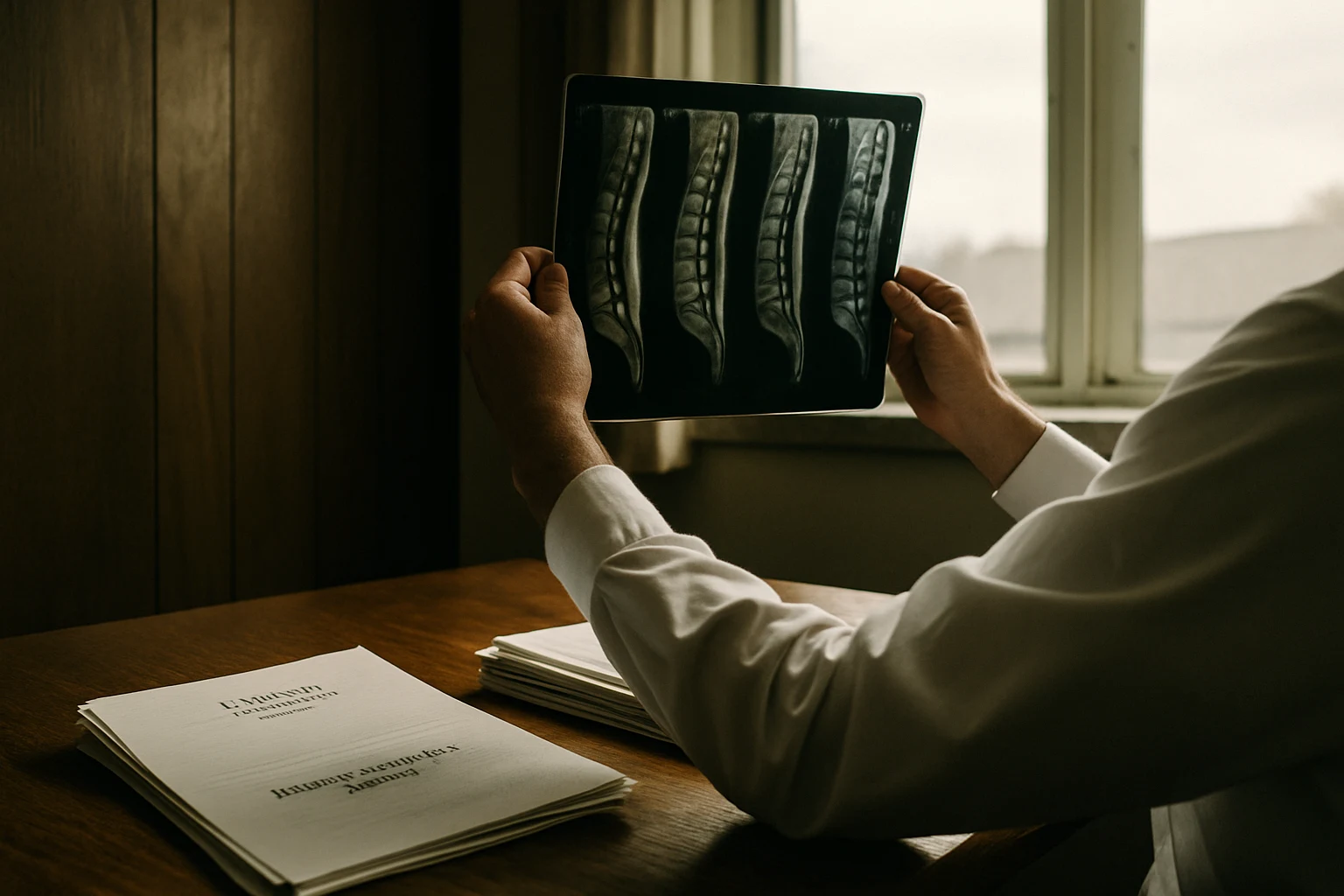
The Delventhal Law Office approach: we coordinate with treating physicians to capture written prognoses on future care, retain a life-care planner when the injury warrants it, and build the damages presentation around the full lifetime cost of the injury rather than just the bills already incurred. We do not settle while treatment is ongoing. We do not let the carrier rush the client into accepting an offer before surgery, when the offer is built on bills the client has not yet incurred.
Every case is Chad's, not a paralegal's. Indiana State Bar 2008, hundreds of Allen County, DeKalb, Whitley, Adams, Wells, Huntington, and Noble County injury cases. Free consultation, no obligation, direct line to the attorney handling the case.
FAQs About Car Accident Injuries Requiring Surgery
Should I have surgery before settling, or settle first and have surgery after?
Almost always have surgery before settling. Once a release is signed, the case is closed. If complications develop, additional surgery is needed, or the recovery is worse than expected, you have no recourse against the at-fault driver. Treating physicians' prognoses are also more reliable post-surgery than before.
My doctor says I need surgery but I cannot afford it. What now?
Use any MedPay coverage on your auto policy and bill your health insurance. Many Fort Wayne surgeons accept a “letter of protection” from your attorney, agreeing to delay billing the patient until the case settles. The surgery should not be delayed because of payment uncertainty.
What is a life-care plan and when is one used?
A life-care plan is a written report by a certified life-care planner that projects every future medical, rehabilitation, and care expense the injured person is likely to incur over a lifetime. It is used in spinal-cord, brain-injury, amputation, and other catastrophic cases to quantify damages that have not yet been incurred but are reasonably certain.
How long does a surgical-injury case usually take?
Most surgical cases settle twelve to twenty-four months after the crash, with the timing tied to medical stabilization (the point at which the prognosis is clear). Settling before stabilization risks undervaluing the case. The Indiana statute of limitations is two years under IC § 34-11-2-4[1], so the case must be filed within that window if not settled.
Can I recover for the surgery itself even if I had a prior back condition?
Yes, generally. Indiana follows the “eggshell plaintiff” rule: the at-fault driver takes the victim as he finds them. A crash that aggravates a pre-existing condition (a previously asymptomatic disc, an old knee injury) is recoverable as an aggravation, even if a perfectly healthy person would have had a milder outcome.
Talk to a Fort Wayne Car Accident Attorney Before Surgery
The decisions you make in the weeks before and after surgery shape the rest of the case. Documentation, coverage coordination, and timing all matter. If you are facing surgery from a crash in Allen County or anywhere in Indiana, talk to an attorney before signing anything from the at-fault carrier and before letting the medical bills go to collections.
Delventhal Law Office handles surgical-injury claims across Fort Wayne, DeKalb, Whitley, Adams, Wells, Huntington, and Noble counties. Free consultation, direct line to Chad, no obligation. Call (260) 484-6655 or contact us online to schedule a free case evaluation.
Talk to a Fort Wayne car accident attorney. Hurt in a Fort Wayne car accident? Our Fort Wayne car accident attorneys handle Allen County crash claims from rear-end fender benders to fatal rollovers.