
What happened
The La Porte County Coroner ruled the deaths of a Wanatah couple, both 60, an accidental electrocution, according to Hometown News Now[1]. The deaths occurred on Saturday, August 29, 2026, at a farm property in the 11000 block of West 1500 South in LaPorte County. Both died at the scene.
Hometown News Now reported that one person was in a creek handling a submersible sump pump that was moving water into a newly dug man-made pond. The other was seated at the creek edge with her feet in the water when electrical current entered the water. Earlier coverage described the water as a drainage ditch. The later account described it as a creek feeding a pond under construction for a planned vacation-rental cabin.
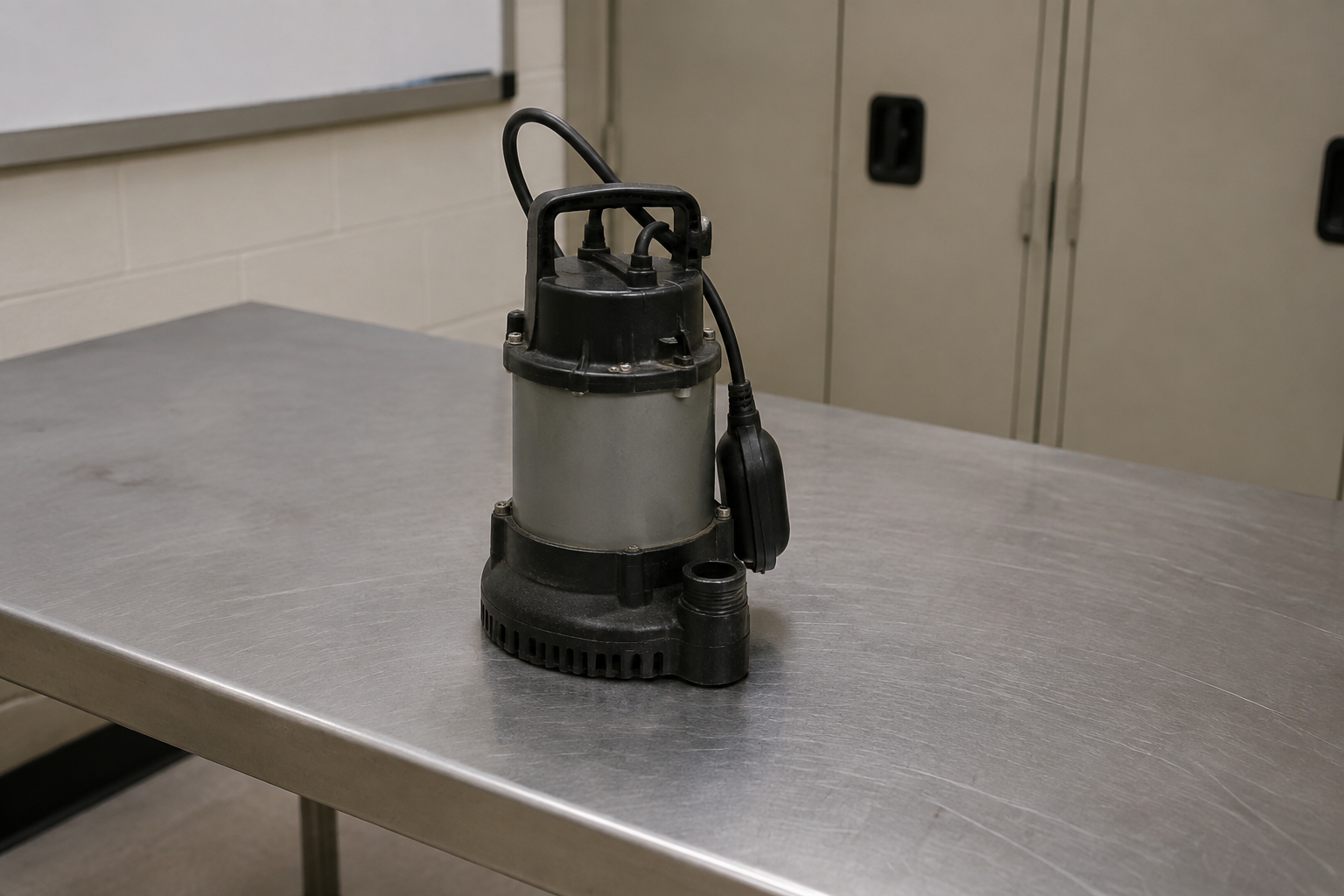
The pump was reportedly plugged into a large electrical box about 25 feet from the creek. Police found no exposed wires on the pump. It remains in police custody and is being examined for a possible broken or cracked seal. The report also discussed the possibility of current escaping at submerged extension-cord plug junctions. No published source cited in the draft states whether the receptacle had ground-fault circuit-interrupter protection.
A September 2 report from Hometown News Now[2] credited the first-arriving Cass-Clinton firefighters with having the power cut before the bodies were retrieved, preventing further deaths. WSBT[3], ABC57[4], and 95.3 MNC[5] also covered the deaths. The LaPorte County Police investigation remains open. No person has been identified as at fault, and the coroner's ruling is accidental.
What families should do next
An accidental ruling answers a medical classification question, but it does not decide civil responsibility. A death may be accidental even when a later investigation identifies a failed product, an unsafe electrical installation, or someone else's carelessness. Those questions require separate evidence and analysis.
When equipment may be involved, preserving it is critical. The pump is now in official custody, which gives investigators an opportunity to examine it without alteration. Before an investigation closes, a written preservation request can help keep the equipment available for an independent examination. More information about protecting physical and documentary proof is available in the firm's guide to evidence used in an Indiana injury claim.
The rest of the electrical path may matter too: extension cords, plug junctions, the electrical box and receptacle, and any breaker or interrupter device. Whether the receptacle had ground-fault protection is separate from whether the pump itself had a defect. An investigation may need to consider both questions without assuming either answer.
Useful records may include the pump's purchase receipt, make, model and serial number, purchase date, seller, manual, warnings, repair history, and service history. Photographs showing the installation before anything was moved may also help. Evidence can be lost, repaired, returned, or discarded, so timely preservation requests matter.
Because two people died in the same event, their legal positions should be reviewed separately. One person was reportedly handling the equipment, while the other was seated at the creek edge. Any comparative-fault argument would depend on the conduct and circumstances applicable to each person.

Why location matters in an Indiana claim
The deaths occurred on private farm property in the 11000 block of West 1500 South in LaPorte County, Indiana. The LaPorte County Police hold the investigation and physical evidence, while the La Porte County Coroner issued the accidental-death ruling. The police and coroner files are separate records, and both may matter. General guidance about obtaining an investigative report is available in the firm's article on requesting an Indiana police report.
Indiana's wrongful death statutes include IC 34-23-1-1[6] and IC 34-23-1-2[7]. Which provision applies turns on facts such as marital status and dependents, and the available damages differ. When a married couple dies in the same incident, the analysis must be handled deliberately for each estate. Families can read more about the distinction between a survival action and an Indiana wrongful death claim.
The general limitations period is two years under IC 34-11-2-4[8], and Indiana wrongful death actions carry their own two-year periods. Waiting can also make it harder to preserve equipment and other evidence.
A defective-product claim requires proof that the product was in a defective condition unreasonably dangerous and that the defect existed when it left the manufacturer's control. The report that police found no exposed wires does not establish a defect or rule out other explanations. The pump examination and the condition of the full electrical setup will be important.
Indiana applies modified comparative fault under IC 34-51-2-6[9] in negligence claims. An injured person whose fault is greater than 50 percent recovers nothing; otherwise, recovery is reduced by that person's percentage of fault. Product liability claims use a separate comparative-fault framework under Indiana product liability law, so the legal theories require separate analysis.
If a governmental entity were implicated, Indiana Tort Claims Act notice deadlines could apply: 180 days for a political subdivision under IC 34-13-3-8[10] and 270 days for the State under IC 34-13-3-6[11]. Nothing in the published accounts cited here implicates a governmental entity.

How Delventhal Law Office can help
Delventhal Law Office, LLC is a Fort Wayne personal injury law firm founded by attorney Chad E. Delventhal in 2009. In an Indiana equipment-related death case, the firm can request preservation of physical evidence, arrange an independent examination by a qualified engineer, obtain available police and coroner records, identify potentially responsible manufacturers, sellers, or installers, and determine which wrongful death statute may govern.
Manufacturers and insurers may aggressively defend a product claim and dispute how the incident happened. Careful preservation and independent examination help keep the analysis grounded in evidence. Families can learn more about the firm's product defect practice and wrongful death representation, or request a free case evaluation.
This post is based on public reporting, the investigation may be ongoing, and nothing here is legal advice or creates an attorney-client relationship.
Sources
- Hometown News Now (hometownnewsnow.com) ↩
- September 2 report from Hometown News Now (hometownnewsnow.com) ↩
- WSBT (wsbt.com) ↩
- ABC57 (abc57.com) ↩
- 95.3 MNC (953mnc.com) ↩
- IC 34-23-1-1 (iga.in.gov) ↩
- IC 34-23-1-2 (iga.in.gov) ↩
- IC 34-11-2-4 (iga.in.gov) ↩
- IC 34-51-2-6 (iga.in.gov) ↩
- IC 34-13-3-8 (iga.in.gov) ↩
- IC 34-13-3-6 (iga.in.gov) ↩