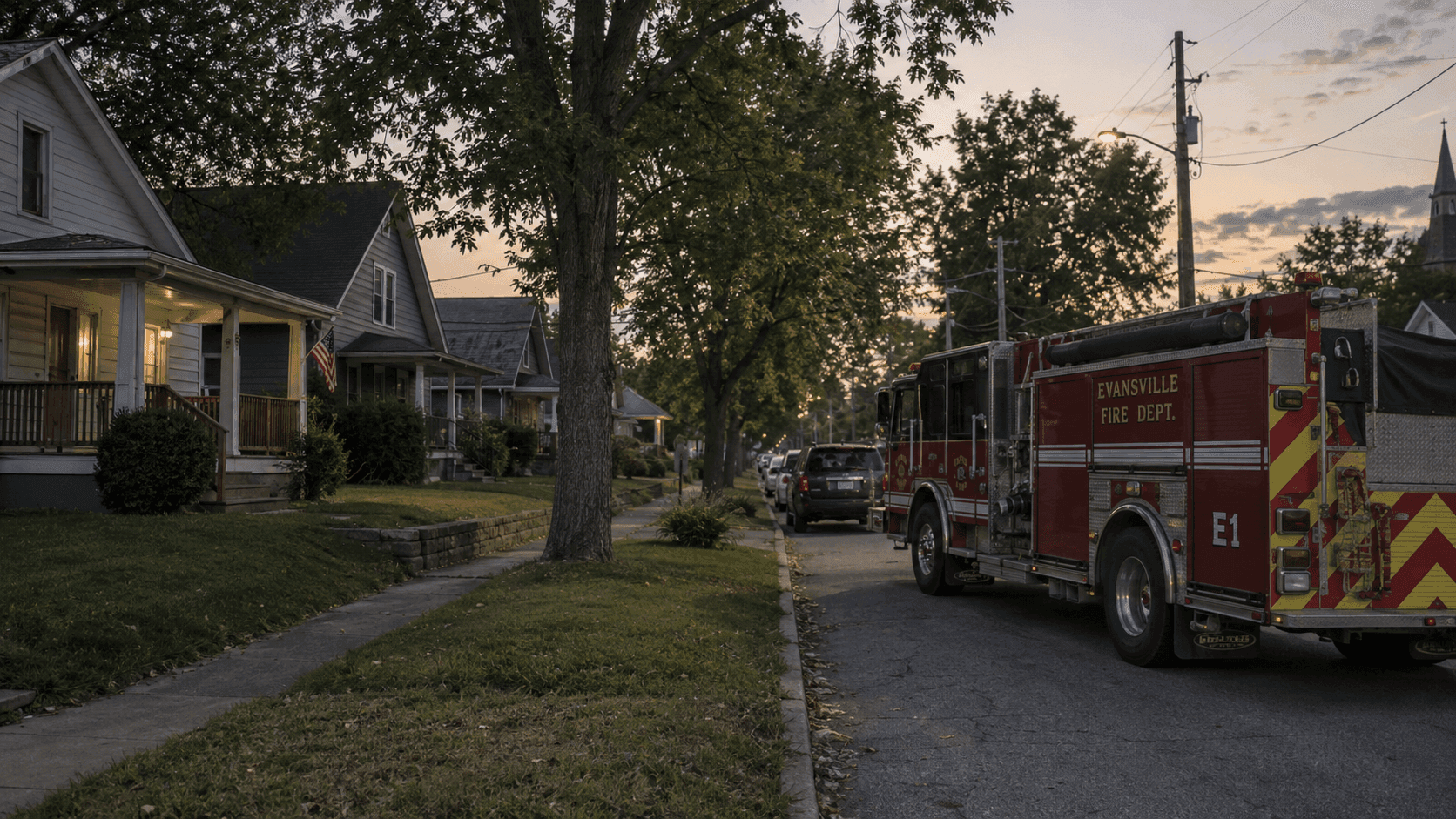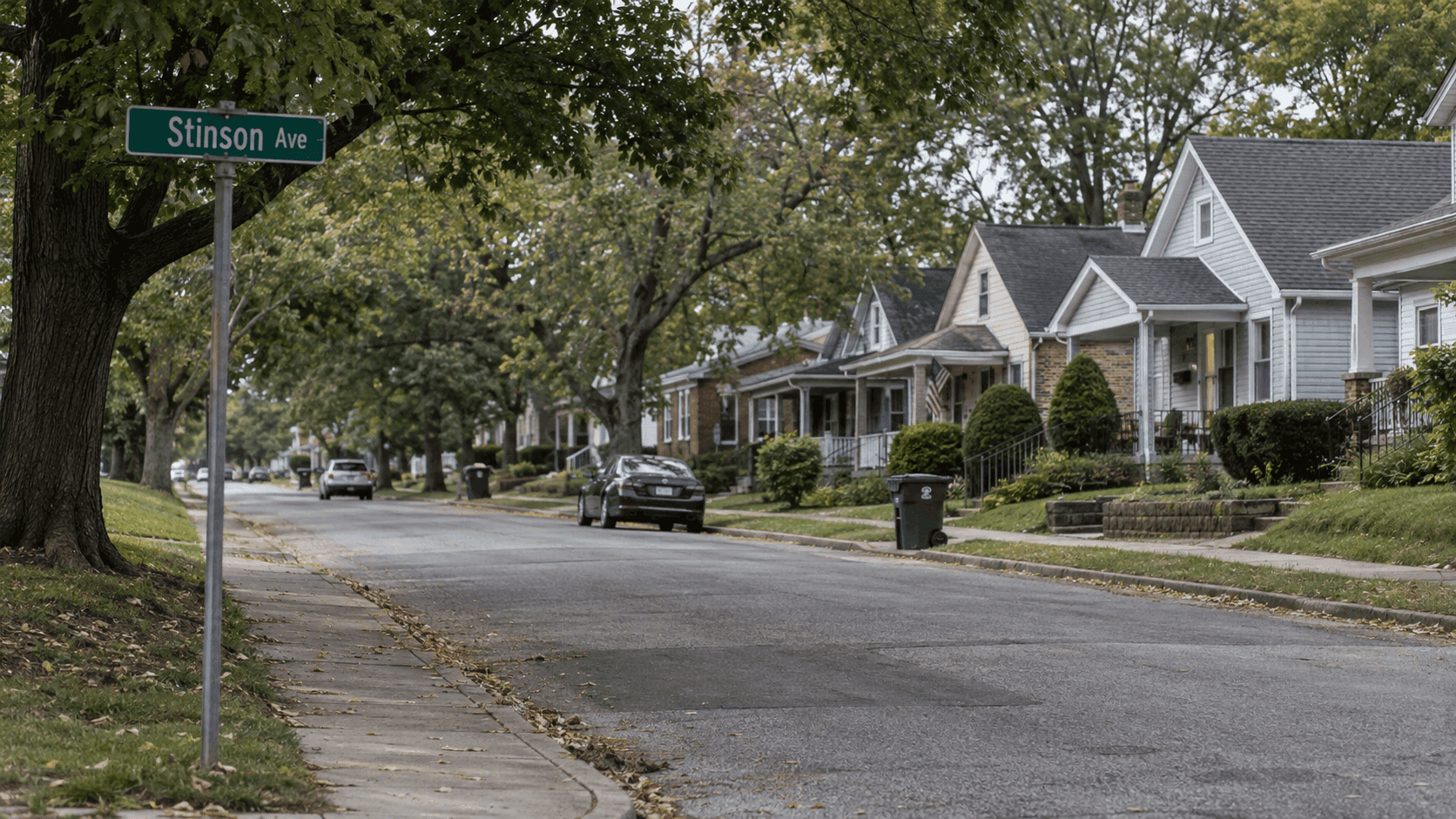
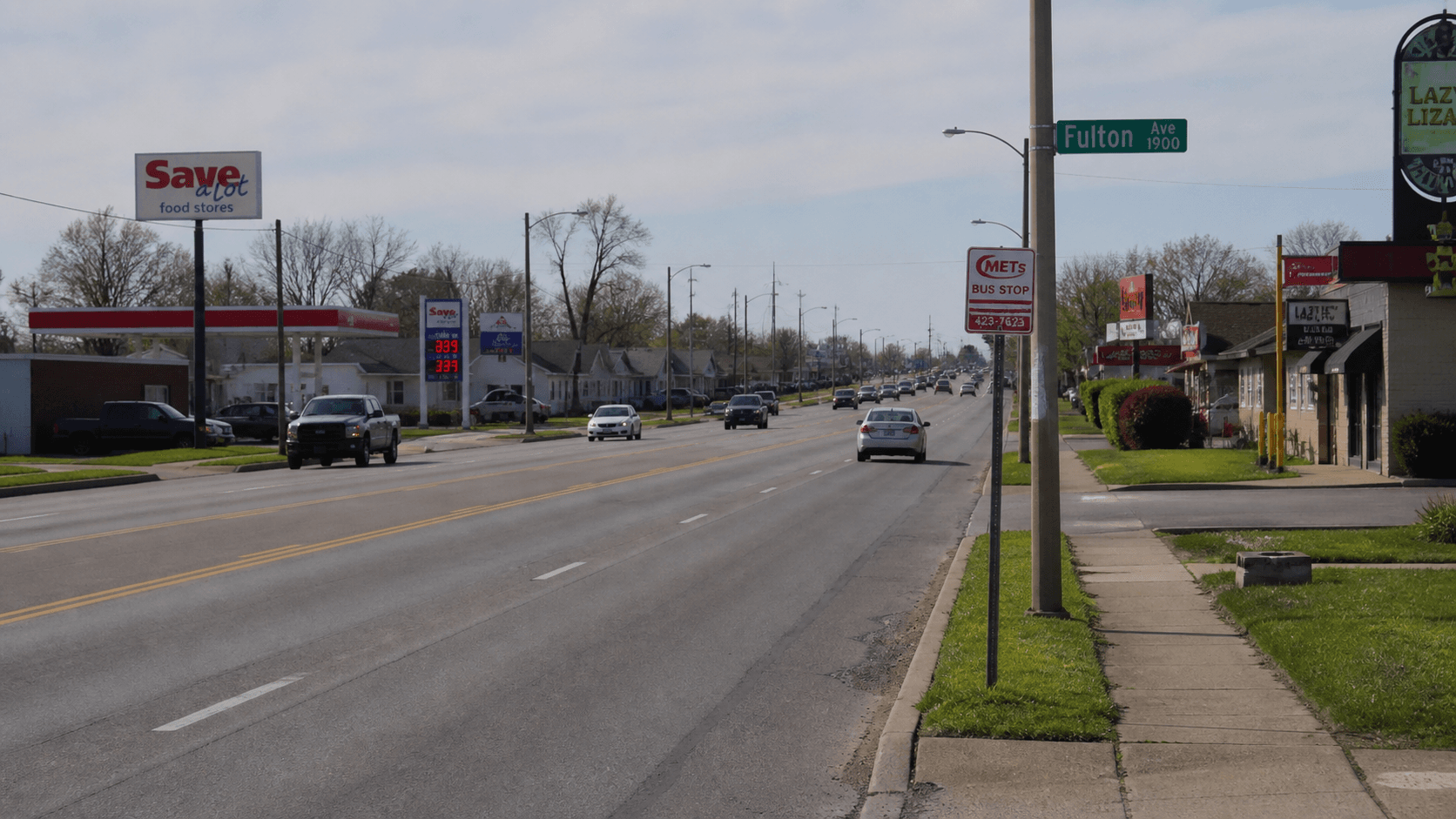
Sentencing in a July 2024 crash on Fulton Avenue in Evansville, Vanderburgh County, that killed two pedestrians has been continued. According to WFIE 14 News[1], sentencing for Crystal Edmonds, 46, of Evansville was scheduled for Monday, August 31, 2026, and has been pushed back to September 10, 2026, at 10:00 a.m.
According to WFIE's report on the guilty plea[2], Edmonds pleaded guilty in July 2026 to causing the crash. Mark Jeffers and Regina Hinkel were crossing the street and were killed at the scene. WFIE reported that toxicology showed a methamphetamine level described as falling between the toxic and comatose fatal categories.
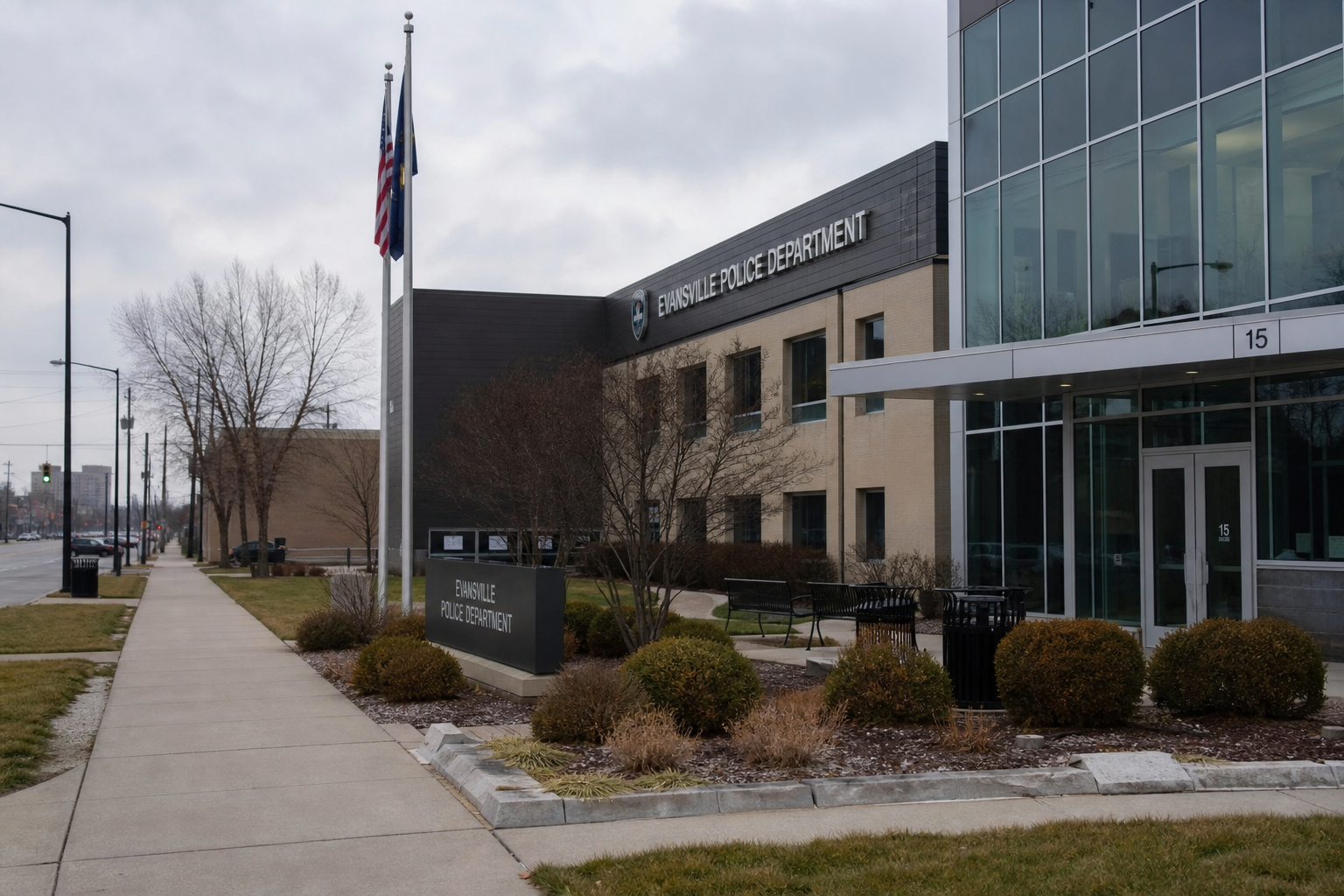
The Evansville Police Department conducted the original investigation. The criminal case has been resolved by guilty plea, and only the sentence remains.
What accident victims should do next
The timeline illustrates why you should evaluate a civil claim while a criminal case is still pending. The two proceedings do not depend on each other, and a civil claim can be filed before the criminal prosecution ends.
Most Indiana personal injury and wrongful death claims must be filed within two years of the injury or death under IC 34-11-2-4[3]. The crash occurred in July 2024, the guilty plea came in July 2026, and sentencing was moved from August to September 2026. Waiting for sentencing could allow the civil deadline to pass.
A criminal sentence does not replace a civil claim. Restitution may be limited and depends on what a defendant can pay. Families should separately evaluate funeral costs, medical expenses, insurance coverage, and the losses recognized under Indiana wrongful death law. The firm's guide to wrongful death claims explains this separate civil process.
Evidence should also be preserved early. A police file may become available after an investigation, but vehicle evidence, scene evidence, and witness memory can change or disappear. You can review evidence that may matter after an Indiana crash while records are still available.
Why location matters in an Indiana injury claim
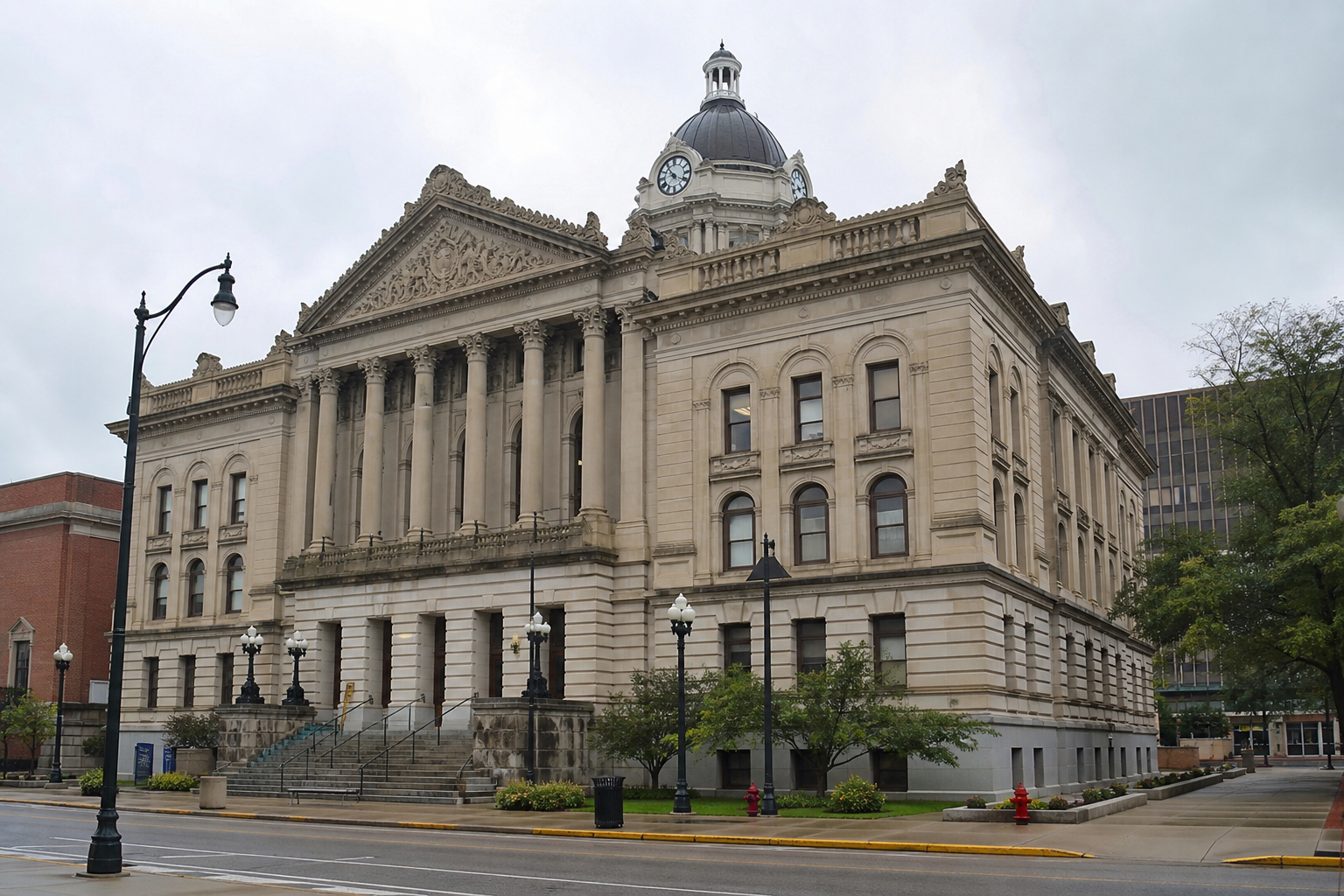
Fulton Avenue is inside Evansville in Vanderburgh County. A civil case arising from the crash would ordinarily be venued in the Vanderburgh County courts, where the criminal case is also pending. Because the Evansville Police Department investigated, its municipal records are the starting point for the crash report and investigative file.
Indiana's wrongful death statutes include IC 34-23-1-1[4] for wrongful death generally, IC 34-23-1-2[5] for an adult without dependents, and IC 34-23-2-1[6] for a child. The applicable statute depends on each person's family circumstances, and the analysis must be performed separately for each death. A wrongful death claim is brought by the estate's personal representative, so opening an estate can be an important early step.
Indiana applies modified comparative fault under IC 34-51-2-6[7]. An injured person whose fault is greater than 50 percent recovers nothing; otherwise, recovery is reduced by that person's percentage of fault. Defenses in pedestrian cases can be hotly contested, which makes physical evidence important. General information about pedestrian claims is available from the firm's Fort Wayne pedestrian accident attorney page.
The limitations period is tolled for a person under a legal disability, including a minor, until that disability is removed under IC 34-11-6-1[8]. Whether that rule affects a particular surviving child's claim requires a careful review of the facts and the type of claim involved.

How Delventhal Law Office can help
Delventhal Law Office, LLC is a Fort Wayne personal injury firm founded by attorney Chad E. Delventhal in 2009. The firm can review a pedestrian death claim while a related criminal case is pending, obtain available investigative records, identify who must bring the claim, and examine potentially available liability and uninsured or underinsured motorist coverage.
If your family has questions about a pedestrian death, you can request a free case evaluation. Insurance companies may aggressively defend fault and coverage issues, so an early review can help you understand the deadlines and records that matter.
This post is based on public reporting, the investigation may be ongoing, and nothing here is legal advice or creates an attorney-client relationship.