What happened
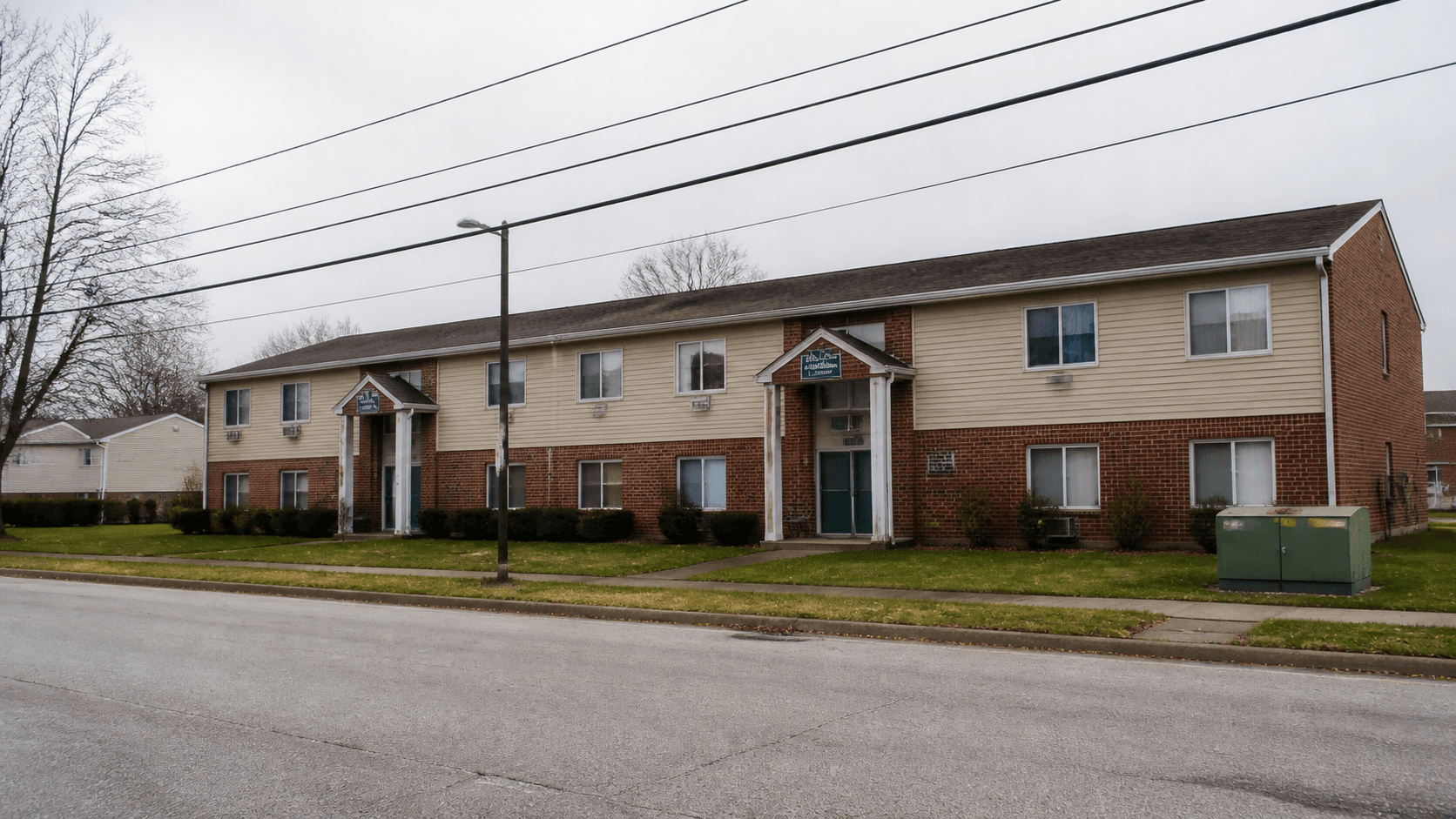
A fire that investigators attributed to a bathroom exhaust fan sent a South Bend apartment resident to the hospital early Friday morning. According to WNDU 16 News Now[1], the fire broke out at approximately 4:30 a.m. Friday, August 28, 2026, in a second-floor bathroom of a two-story building at the Fairington Apartments, in the 1200 block of Fairington Circle.
WNDU reported that the South Bend Fire Department brought the fire under control in about ten minutes. The resident of the affected unit was treated for smoke inhalation at the scene and then taken by ground ambulance to a hospital for further evaluation. WNDU did not name the hospital. No other units were affected, and no other injuries were reported.
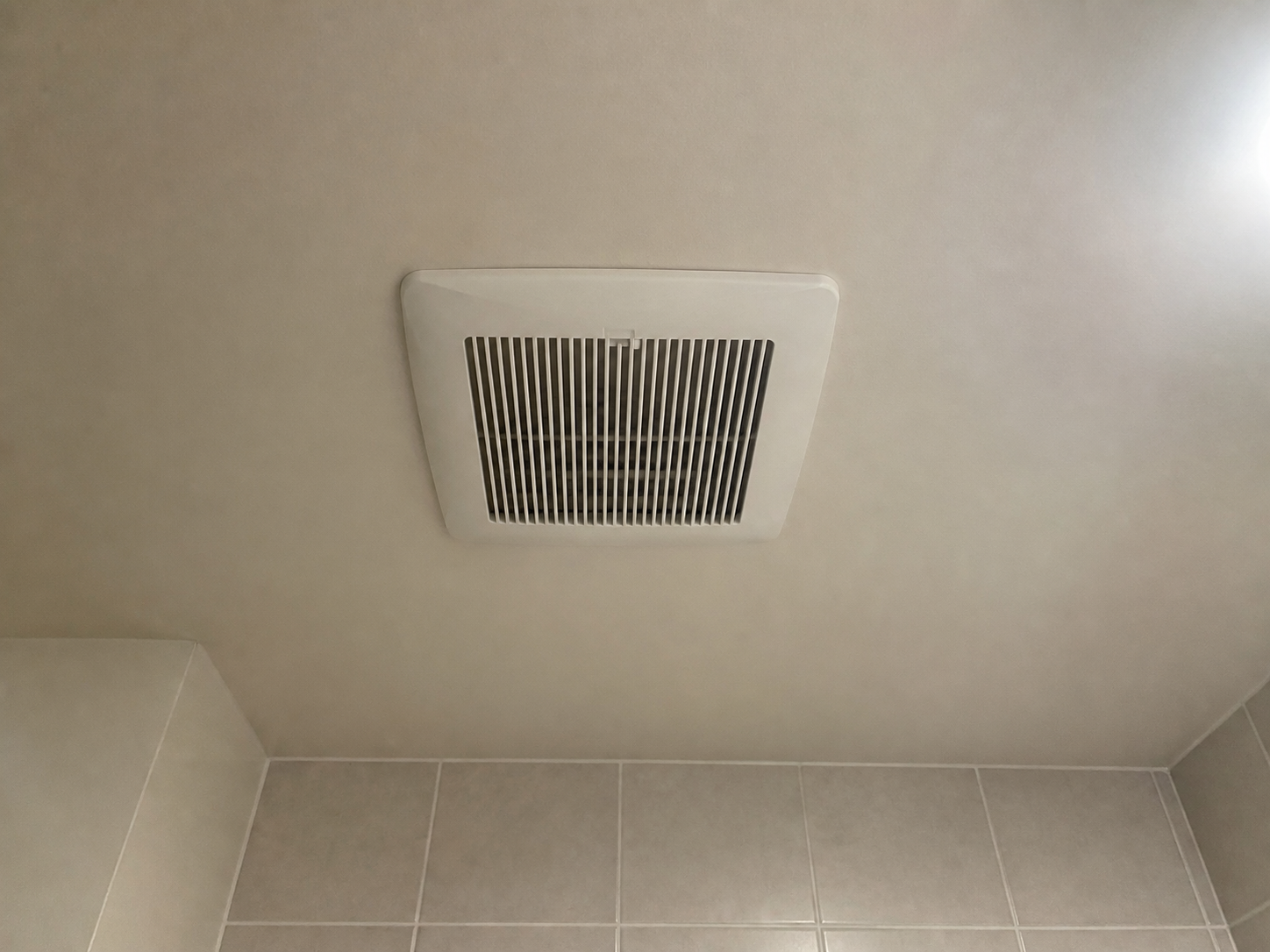
Investigators told WNDU that the fire appeared to have been caused by an exhaust fan and stayed contained to the area around the fan. The reporting did not identify a landlord, property manager, maintenance contractor, or fan manufacturer. No citations were issued, and no arrests were made. The investigation has not been reported as closed.
What should apartment fire victims do next?
When a fire is attributed to a fixture, the fixture and the surrounding area may become important evidence. If you were hurt in a fire involving an appliance, fan, wiring, or other equipment, ask in writing that the property owner and fire department preserve the item and the area of origin. Photograph the item in place and the surrounding damage before cleanup begins, if you can do so safely.
Seek appropriate medical evaluation after smoke inhalation and keep the related records. You should also keep the fire department incident number, then request the report and any cause determination when available. The firm's guide to preserving evidence after an injury explains why records and physical evidence can matter when responsibility is disputed.
If you rent, notify your landlord in writing and keep a copy. Ask for the maintenance history of the fixture, including prior work orders and complaints. Review your renter's insurance as well, since its terms may address your property and temporary housing. A premises liability attorney can review whether the condition of rented property may support a claim, while a product defect attorney can examine whether the fixture itself may have been defective.
Why location matters in an Indiana injury claim
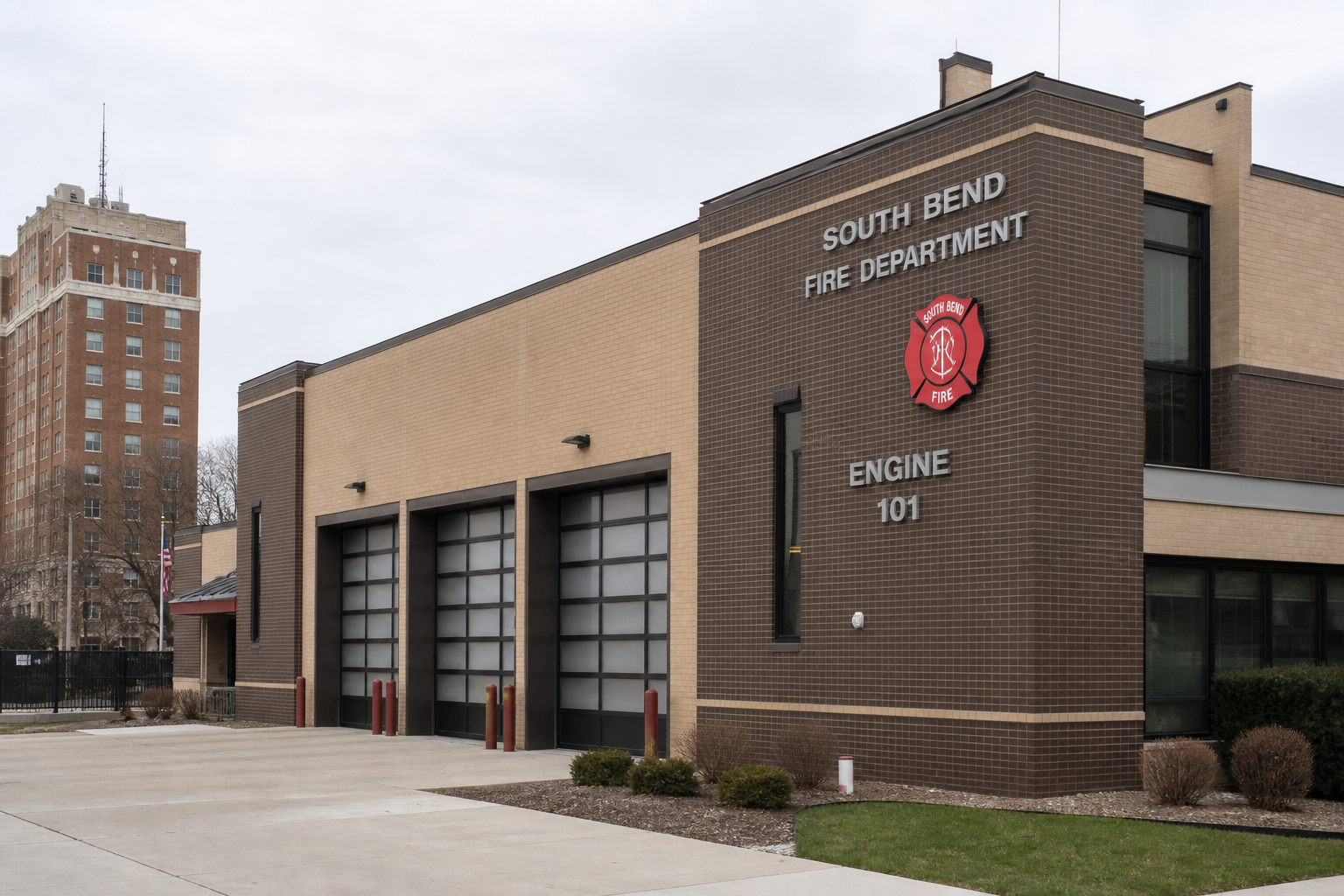
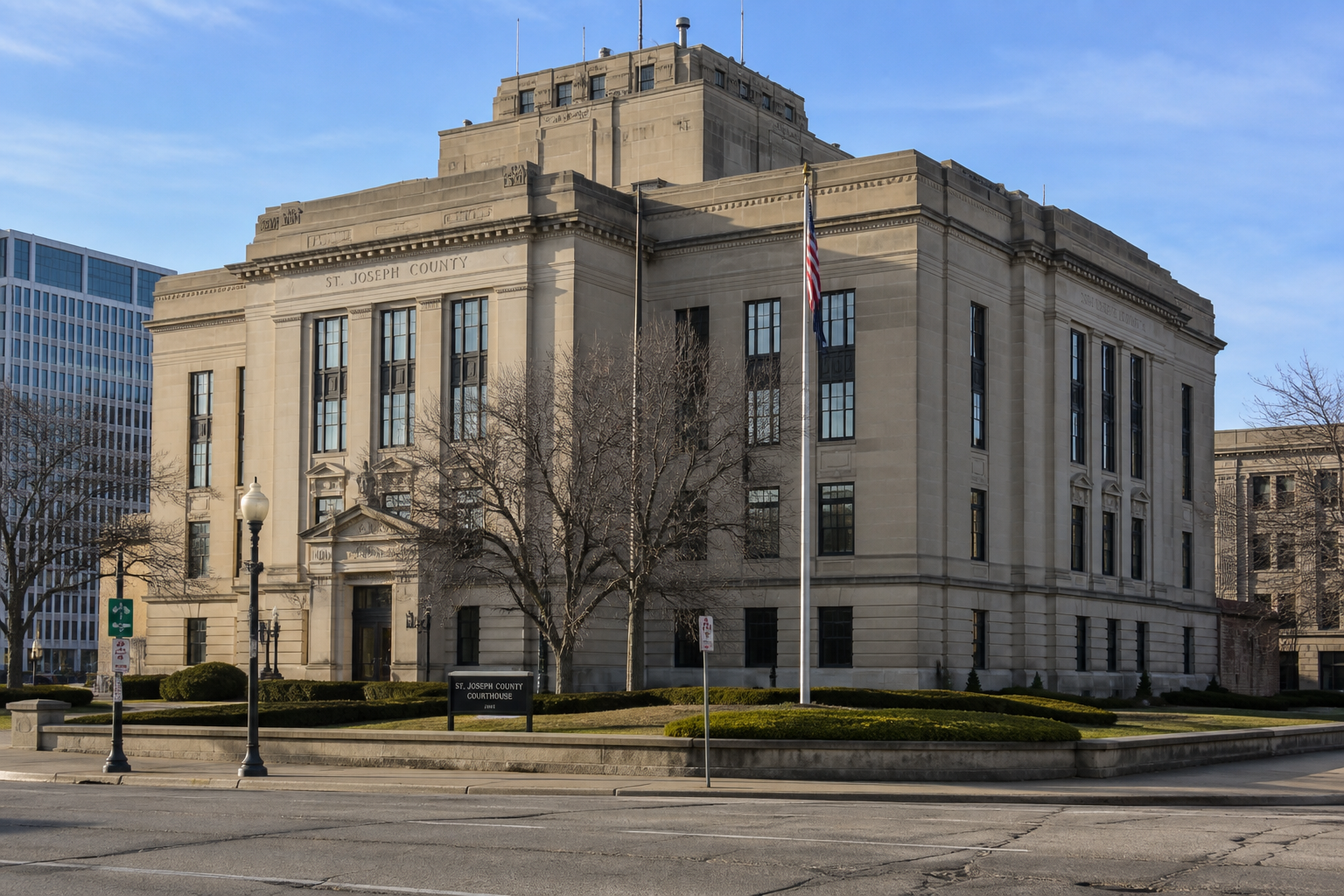
A fire in South Bend will ordinarily be venued in the St. Joseph County courts. The South Bend Fire Department's report and cause determination are important starting documents.
Two possible lines of responsibility can exist when an injury occurs in rental property. A property owner or manager may be responsible for maintaining fixtures and equipment in a safe condition. A manufacturer may be responsible if a product was defective. Whether either applies here depends on facts about the fan, its installation, its service history, and the lease. Those facts have not been reported.
Indiana applies modified comparative fault under IC 34-51-2-6[2]. A person whose fault is greater than 50 percent recovers nothing; otherwise, the recovery is reduced by that person's percentage of fault. Most Indiana personal injury claims must be filed within two years of the injury under IC 34-11-2-4[3].
If a housing authority or another government entity were involved as an owner or manager, different rules could apply. The Indiana Tort Claims Act generally requires notice within 180 days for a political subdivision under IC 34-13-3-8[4], or within 270 days for the State under IC 34-13-3-6[5]. The firm's guide to Indiana government tort claim notices provides more context about these shorter deadlines.
How Delventhal Law Office can help
Delventhal Law Office, LLC is a personal injury law firm founded by attorney Chad E. Delventhal in 2009. The firm represents people across Indiana who were injured because of someone else's carelessness, including tenants hurt by unsafe property conditions and people injured by defective products.
If you were hurt in an apartment fire, Delventhal Law Office can help you request records, determine whether the fixture was preserved, review insurance coverage, and identify the parties that may be responsible. Insurance companies and property owners may aggressively defend these claims, especially when the cause or maintenance history is hotly contested. You can request a free case evaluation to discuss the available facts.
This post is based on public reporting, the investigation may be ongoing, and nothing here is legal advice or creates an attorney-client relationship.