What Happened
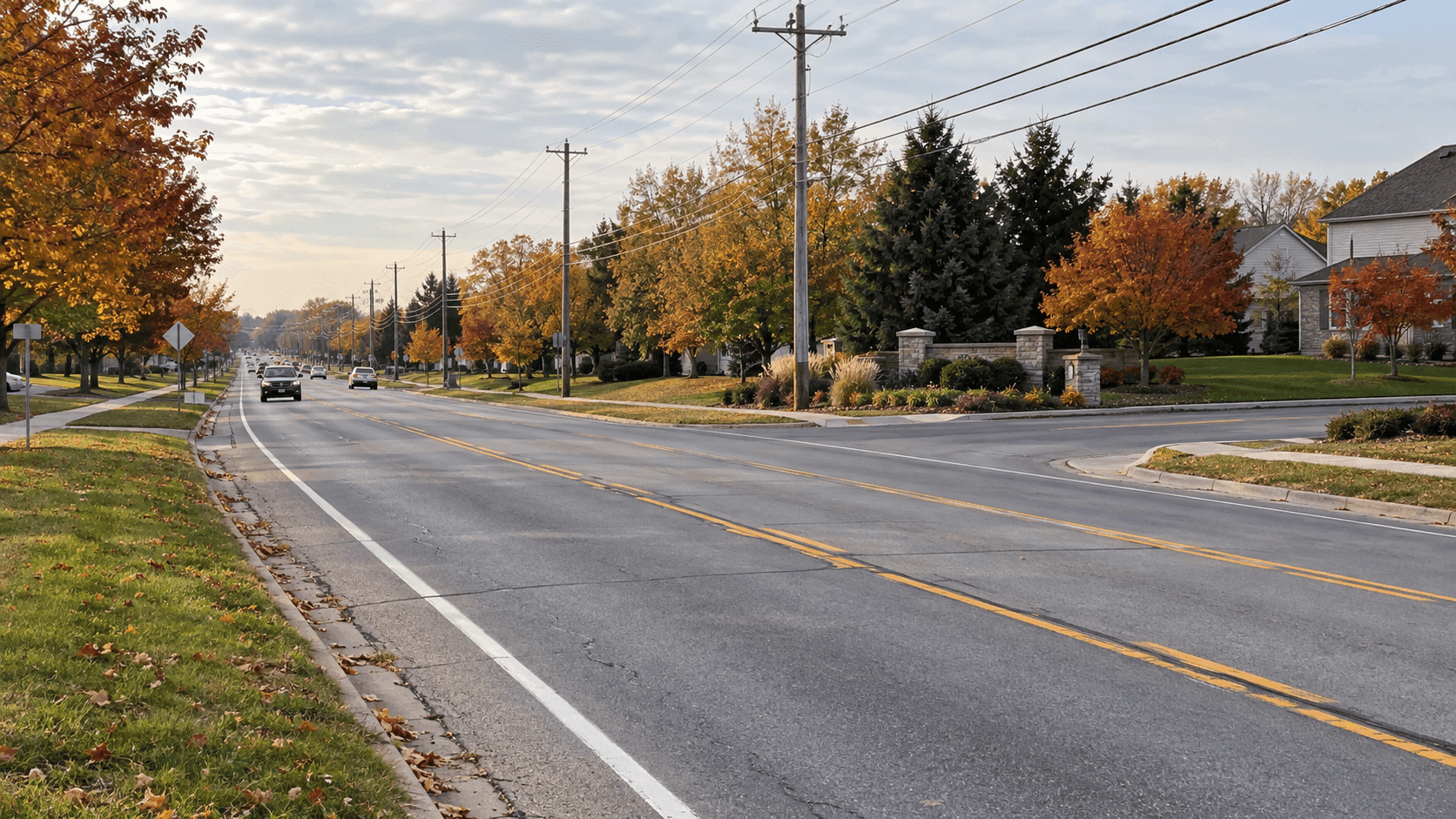
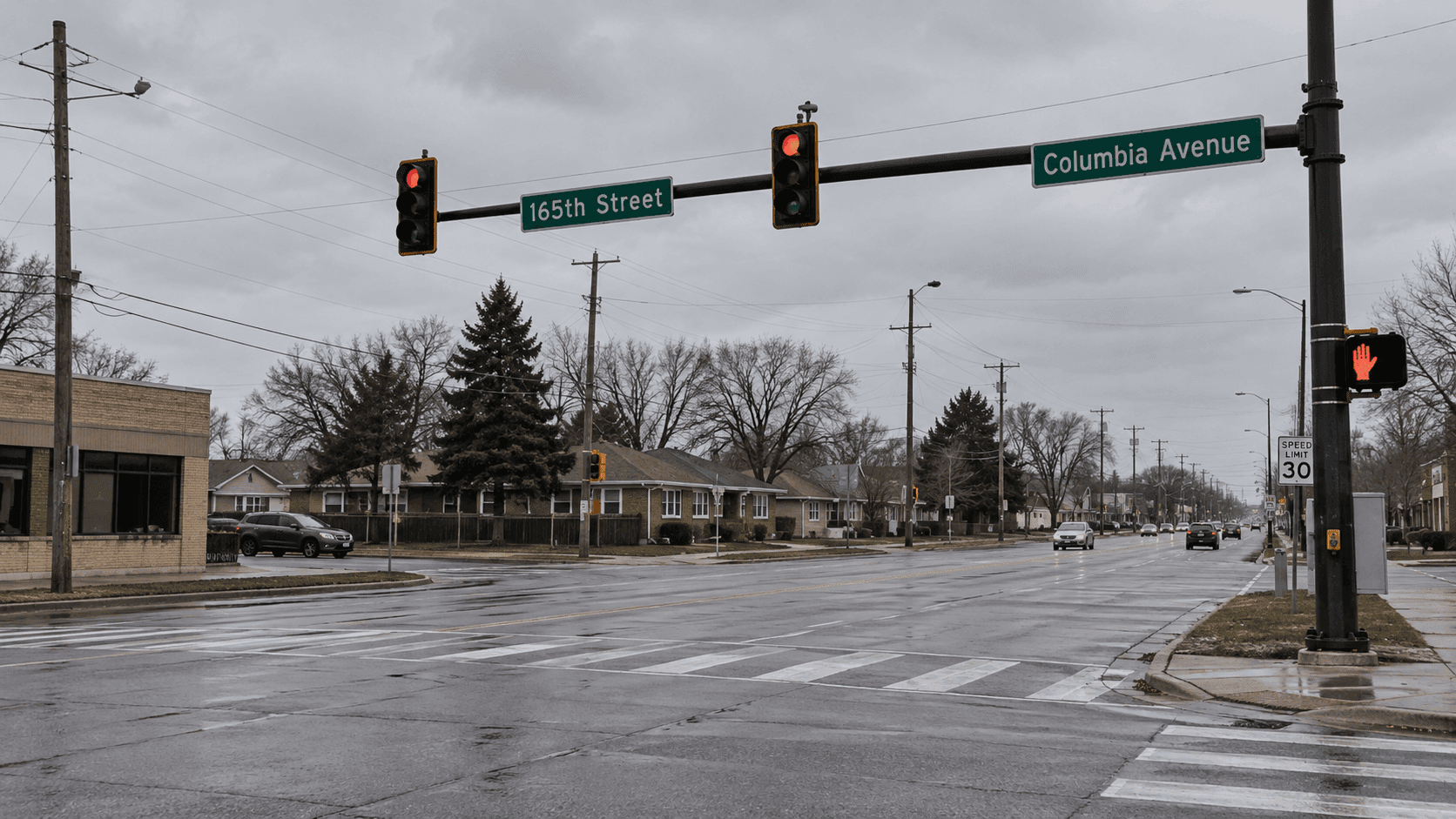
A Frankfort woman was killed when a pickup truck traveled at high speed through the 96th Street and Allisonville Road roundabout in Fishers just after 11:30 p.m. on Tuesday, Aug. 4, according to WRTV[1] and other local outlets. Fishers police said a Ford F-250 struck a Hyundai Palisade, killing its occupant, whom the Hamilton County Coroner identified as Susann Hayden-Tindall, 56. The pickup's driver, Cory Amick, was arrested on a preliminary OWI charge and formally charged two days later.
Fishers police said Flock camera footage showed the F-250 traveling at high speed through the roundabout before it collided with the Palisade, according to WISH-TV[2]. Officers reported that the pickup's driver stayed at the scene, declined medical transport and refused field sobriety tests. He was arrested on a preliminary charge of operating while intoxicated. On Aug. 6, according to Current in Fishers[3] and online court records, prosecutors formally charged Cory Amick with causing death while operating a vehicle while intoxicated and with operating while intoxicated. The investigation remains open. Those charges are accusations that the state must prove, and no court has entered findings.
What Should Accident Victims Do Next?
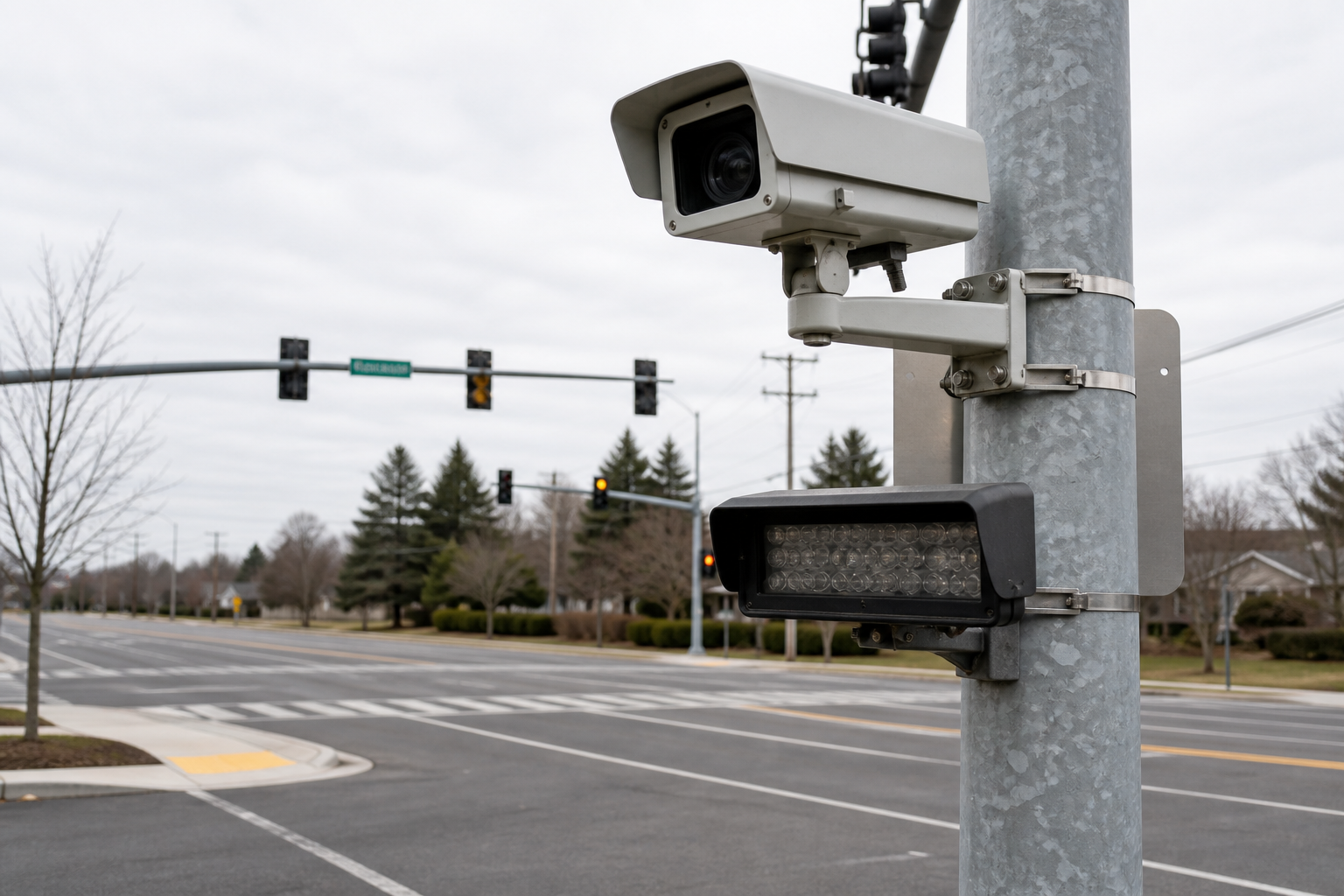
After a fatal or serious crash, the first priority is medical care and the second is the record. Get the investigating agency's report number, and request the crash report when it becomes available. In roundabout and intersection cases, camera footage (municipal cameras, license plate readers, nearby businesses, doorbell cameras) is often the clearest proof of what happened, and much of it is deleted automatically on a short cycle unless someone asks for it to be held. The same goes for the vehicles themselves, which store speed and braking data that is lost once a car is repaired or scrapped.
Notify your own auto insurer of the loss, keep every bill and receipt, and be careful about giving a recorded statement to any insurer before you understand how it will be used. Families dealing with a sudden death often benefit from a free case evaluation early, before evidence starts to disappear.
Indiana's Dram Shop Act and OWI Crashes
A criminal OWI case and a civil claim are separate tracks. The criminal case punishes the driver; a civil claim compensates the family. They run on different timelines and different standards of proof, and a family does not have to wait for the criminal case to conclude. If you are trying to understand how a claim against an impaired driver works, a Fort Wayne drunk driver accident attorney can walk through the process in plain terms.
Indiana's Dram Shop Act can extend responsibility beyond the driver. Under Indiana Code 7.1-5-10-15.5, a person or business that furnishes alcohol may be liable if it had actual knowledge the person was visibly intoxicated at the time it served them, and that intoxication was a proximate cause of the harm. That is a demanding standard, and it depends on proof about where and how someone was served: receipts, tabs, staff accounts, security video. Nothing about where any alcohol may have been served has been reported in this case, so this is offered only as general background on Indiana law, not as a claim about these facts.
Indiana also applies modified comparative fault: an injured person's recovery is reduced by their own share of responsibility and is barred completely if that share exceeds 50 percent. When a death occurs, Indiana's wrongful death statutes allow the estate's personal representative to bring a claim for losses such as final medical and funeral expenses, lost financial support, and, depending on which statute applies, the loss of a spouse's or child's companionship. Most Indiana wrongful death and injury claims must be filed within two years of the death. One further practical point: a single driver's liability limits are often insufficient in a death case, which makes underinsured motorist coverage on the family's own policy worth reviewing early.
How Delventhal Law Office Can Help
Delventhal Law Office handles Indiana wrongful death cases, including those arising from impaired driving. Attorney Chad Delventhal can walk through how a civil claim runs alongside a criminal prosecution, how dram shop liability works, and what evidence needs to be preserved right away. Anyone with questions about these claims is welcome to contact the office for a free consultation.
This article is based on public reporting from the news outlets linked above. The criminal investigation and prosecution against Cory Amick remain ongoing, and he is presumed innocent unless and until proven guilty. Nothing in this article is legal advice, and reading it does not create an attorney-client relationship with Delventhal Law Office.