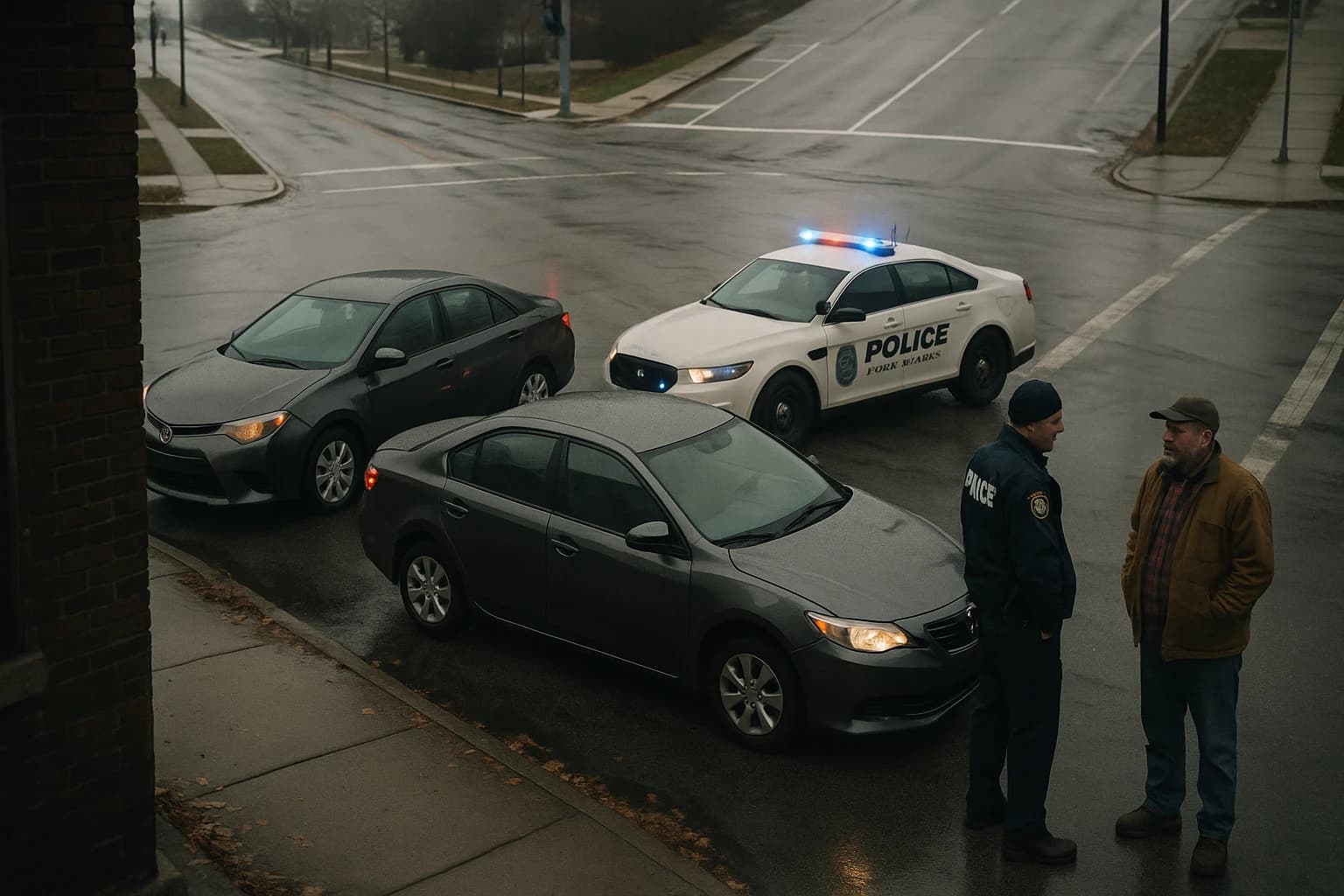
If you have ever wondered how common a serious car crash really is in Allen County, the answer is more common than you think, and the cost of one (in lost wages, surgery, and missed payments) is bigger than most people are ready for. This article walks through the statewide and county-level data, what it means for an injured driver in Fort Wayne, and what to do when you become one of the statistics. You can use our Indiana car accident settlement calculator to organize the factors that may affect a claim’s value; it is an educational tool, not a promise of any result.
Indiana Crash Numbers: What the State Actually Reports

The Indiana Criminal Justice Institute (ICJI) publishes the Indiana Traffic Safety Facts series each year, drawing on police-report data submitted under IC § 9-26-1[1]. The reports are the closest thing to a real ledger of what is happening on Indiana roads. The headline numbers are remarkably stable from year to year:
- Total reported collisions: generally between 215,000 and 230,000 per year across the state.
- Non-fatal injury crashes: around 50,000 people hurt badly enough to be coded as injured on a crash report.
- Traffic fatalities: typically 800 to 900 deaths per year, with sharp spikes tied to summer travel and holiday weekends.
- Crash rate by age: drivers under 21 consistently log the highest crash rate per 10,000 licensed drivers; the rate falls steadily until age 75, when it climbs again.
Two caveats matter. First, these are only the reported crashes. Fender-benders that get settled curbside without a police call do not show up. Second, the “injury” column undercounts soft-tissue and concussion injuries that surface days after the crash, when the driver is no longer at the scene. The real exposure is bigger than what the binders say.
Allen County: Top Three in the State for Crash Volume
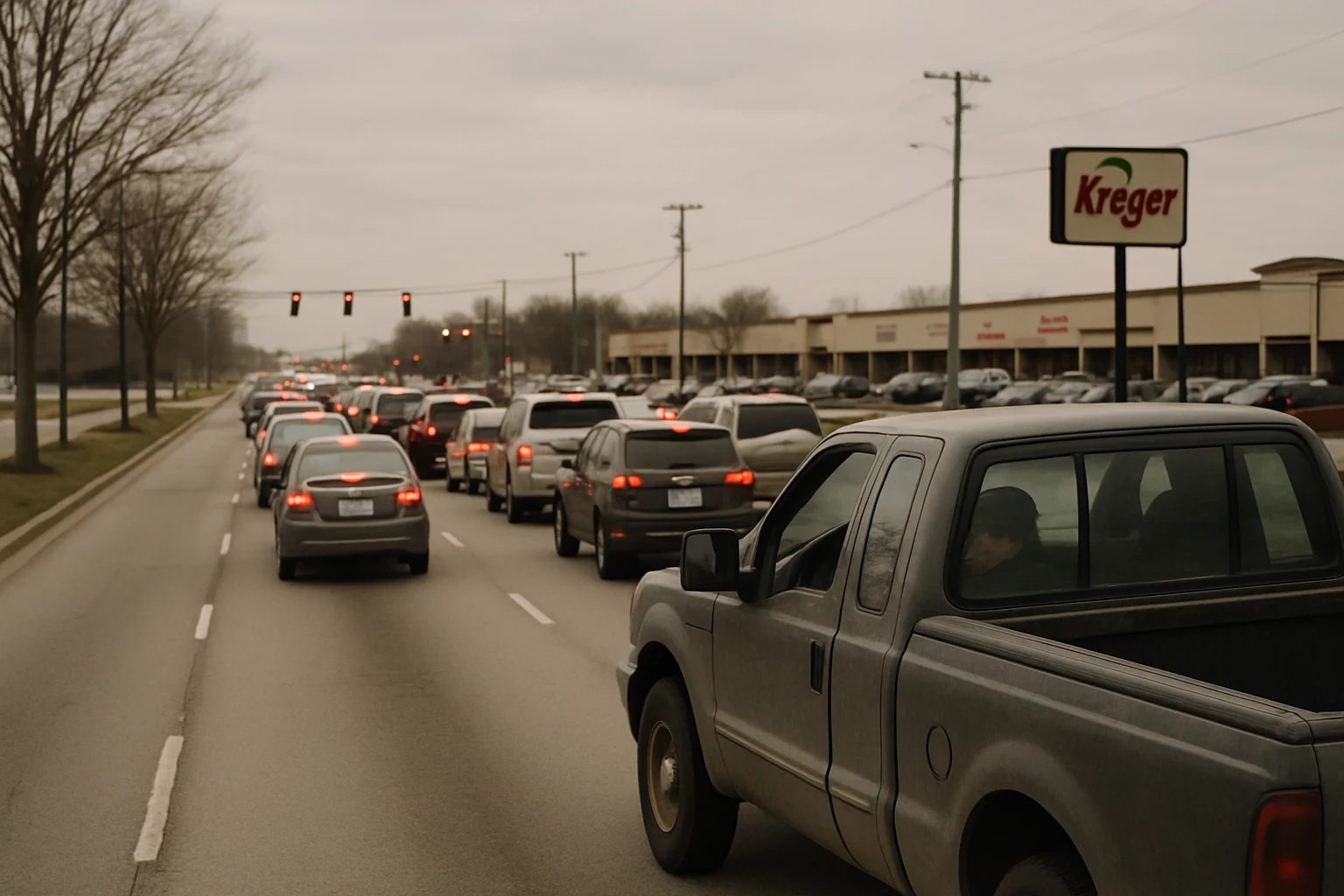
Allen County is one of the most populous counties in Indiana, and it shows up in the crash data accordingly. In a typical year, Allen County logs about 14,000 reported collisions, putting it consistently in the top three statewide by raw volume, behind Marion and Lake. Per capita, however, Allen is closer to the middle of the pack. The high totals are a function of population density and the number of high-traffic corridors converging on Fort Wayne.
The corridors where crashes pile up in Allen County are predictable. The I-69 / Coliseum Boulevard interchange. Lima Road north of DuPont. Jefferson Boulevard through downtown. The US-30 corridor west toward Columbia City. Coldwater Road during rush hour. Most of these are the same intersections residents already know to be careful at, which is exactly the problem: drivers grow used to a dangerous pattern and stop seeing it.
Neighboring counties tell the rest of the story. DeKalb, Whitley, Adams, Wells, Huntington, and Noble all see lower raw totals but higher fatality rates per crash, because rural two-lane roads (think SR-3, SR-1, US-27) carry higher closing speeds and fewer barriers between vehicles meeting head-on.
What Causes Most Indiana Crashes
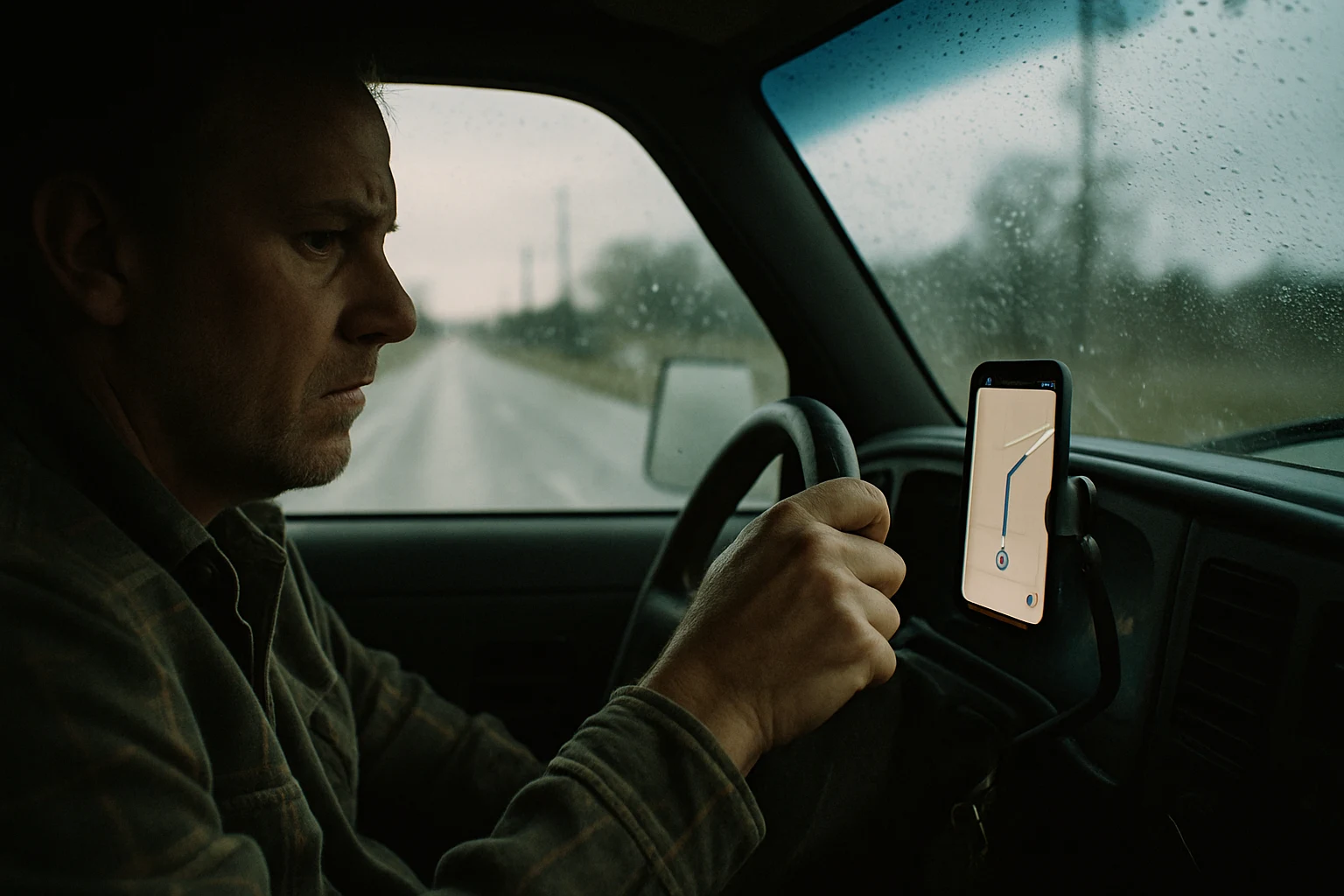
The state data sorts contributing factors into a familiar short list. The top categories, year after year, are:
- Driver inattention / distraction. Phones, infotainment screens, eating, reaching for something on the passenger seat. This category has grown every year since the smartphone became standard equipment.
- Following too closely. The cause of most rear-end collisions, and rear-ends are the single most common crash type in Allen County.
- Failure to yield right-of-way. Concentrated at signalized intersections and uncontrolled rural crossings.
- Speeding and unsafe speed for conditions. Especially significant on rural highways and during snow and ice events.
- Alcohol impairment. Around 10% of fatal crashes statewide involve a legally impaired driver. The number jumps for late-night and weekend hours.
What is striking about the list is how avoidable everything on it is. None of these categories are about mechanical failure or freak weather. They are about choices, mostly small ones, made in the thirty seconds before the crash.
Fatalities: The Numbers That Will Not Move
The single most discouraging line in the Indiana data is the fatality count. It has been stuck in the 800 to 900 range for over a decade, with some years pushing past 900. That is roughly one Hoosier dying in a traffic crash every ten hours. Allen County alone logs around 40 fatal crashes per year.
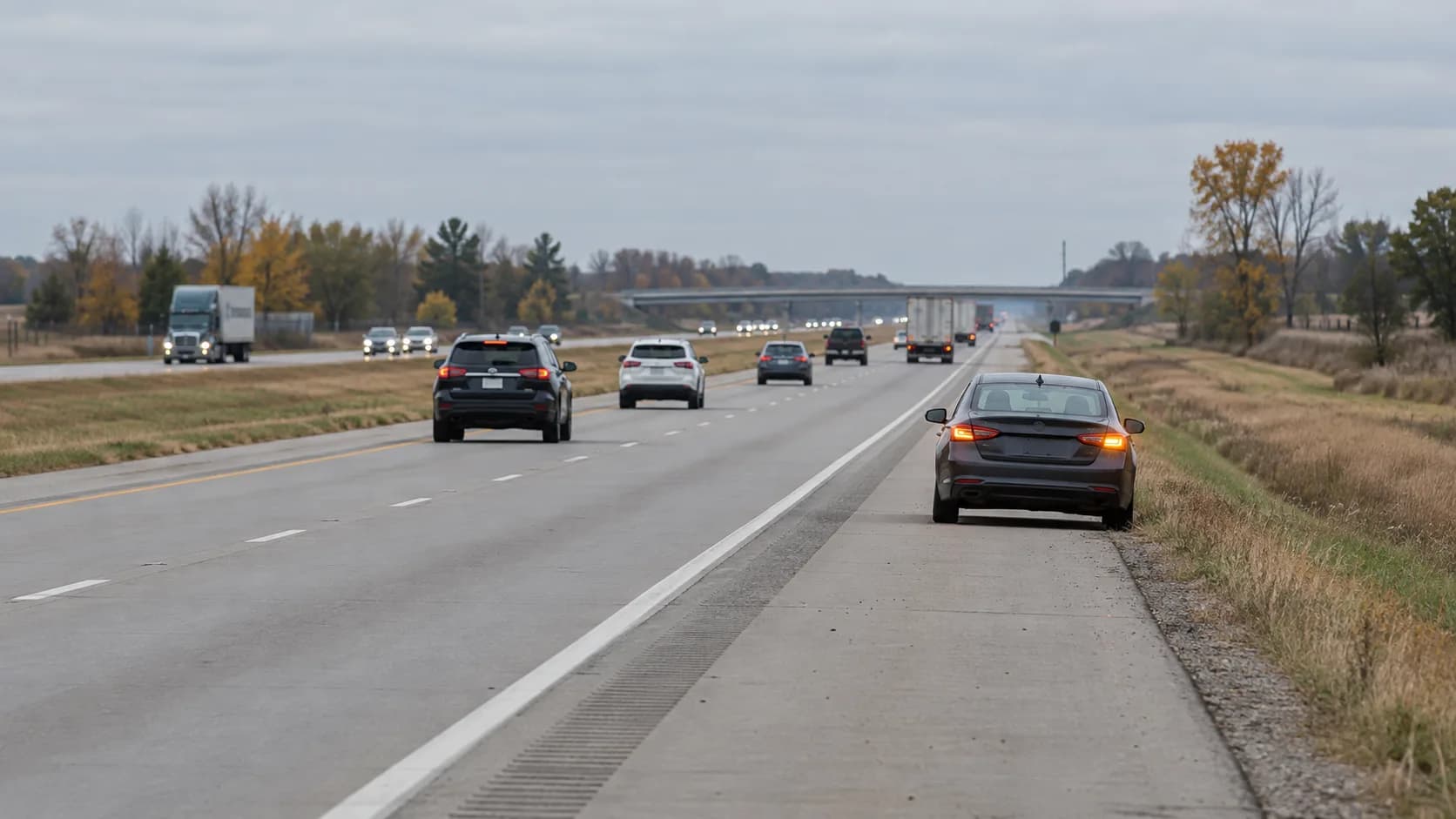
The most lethal crash type is not what people guess. It is not freeway pileups. It is single-vehicle, run-off-road crashes on rural two-lane highways, often at night, often with no other driver involved at all. On the multi-vehicle side, head-on collisions on undivided rural highways and high-speed rear-ends at the back of stopped traffic on I-69 are the dominant fatal patterns.
Restraint use matters. Of fatally injured occupants in Indiana, a disproportionate share were unbelted. Wearing a seat belt does not stop a crash, but it changes whether the crash ends in an ambulance ride or a funeral.
The Hidden Cost of the Statistics
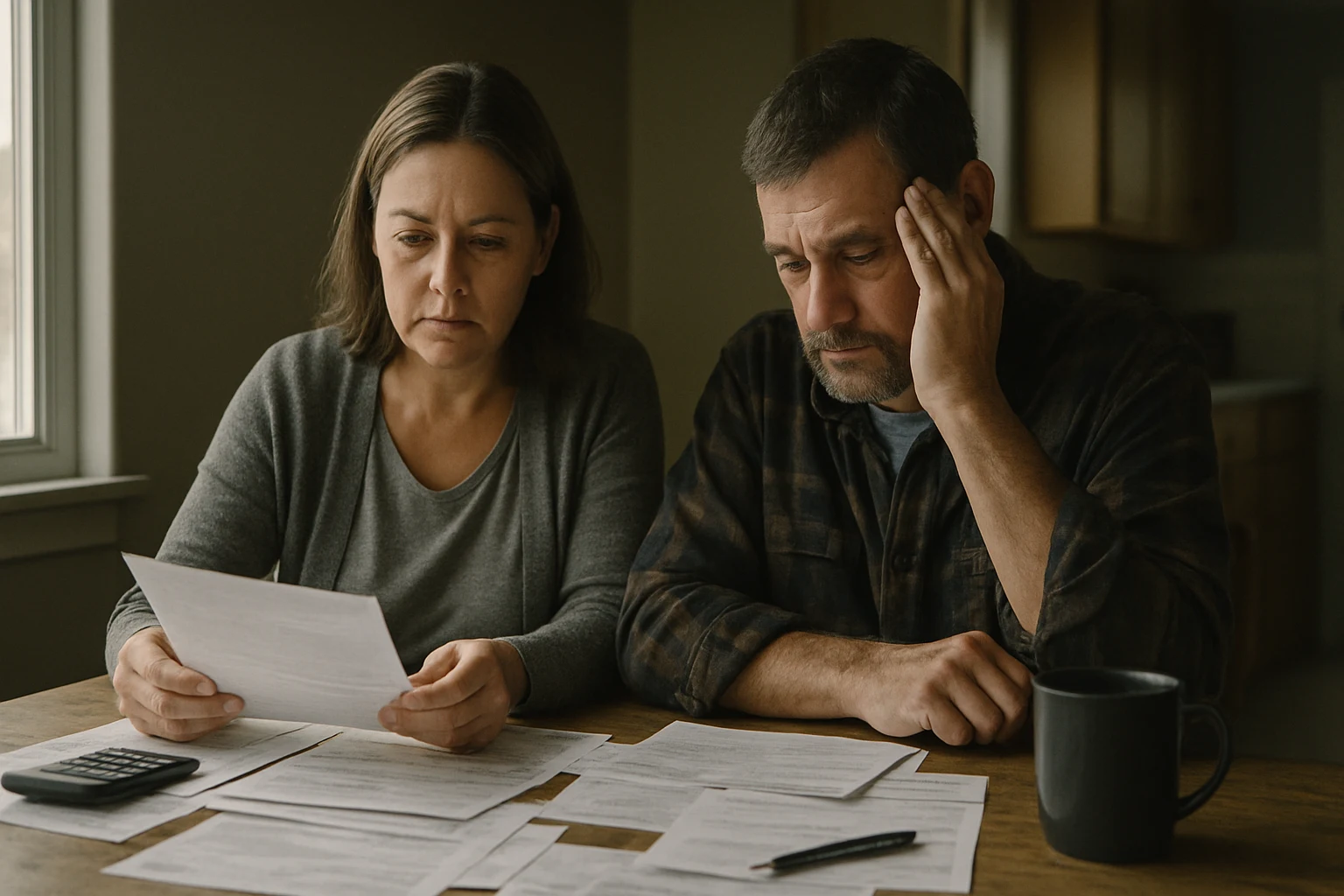
The state estimates the economic cost of Indiana’s annual crash toll in the billions, and that is just the costs the spreadsheets can capture: emergency response, hospital care, lost productivity, property damage. The line items that never make the report are the ones that matter to a family: the mortgage payment that gets missed when a driver cannot work for six weeks. The night shift that has to be turned down because a back injury will not heal. The car seat that has to be replaced because state safety guidelines (rightly) treat any seat involved in a crash as compromised.
For most Allen County households, the difference between a manageable medical recovery and financial wreckage comes down to two questions. First, whose insurance pays. Second, how much of that coverage actually gets paid versus held back by an adjuster running the clock. Both of those questions have legal answers, and both are heavily influenced by what an injured driver does in the first thirty days after the crash.
Who Pays: Fault and Indiana’s Modified Comparative Rule
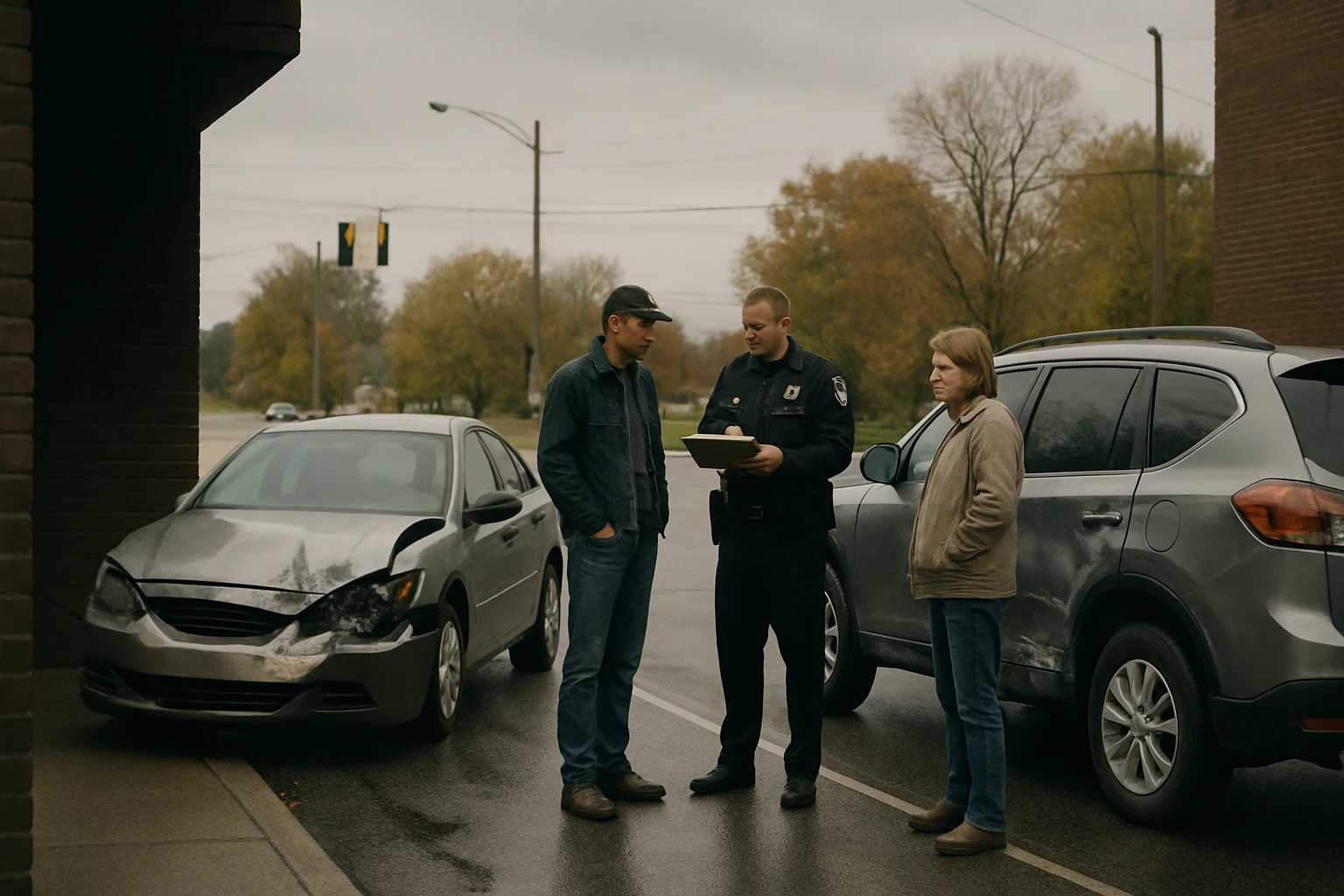
Indiana is a modified comparative fault state. Under IC § 34-51-2-6[2], an injured person can recover from another at-fault driver as long as they are not more than 50% at fault for the crash. Fault below the 51% bar reduces recovery proportionally; fault at 51% or above blocks recovery entirely.
In a rear-end on US-24, fault is usually clear. In a left-turn collision at a signalized intersection on Coldwater Road, fault is often split, and the percentages move dollars. That is why the crash report is not the last word on fault. Photographs, dash-cam video, witness statements, the timing of the traffic signal, and accident-reconstruction analysis can shift the percentage by ten or twenty points. Ten points often means tens of thousands of dollars in recovery.
For details on the two-year filing window that follows every Indiana crash, see how long you have to file an auto accident claim in Indiana. The general rule is two years under IC § 34-11-2-4[3], but government defendants trigger much shorter notice deadlines.
How Delventhal Law Office Reads the Crash Report
When a new client walks into Delventhal Law Office with a Fort Wayne Police Department crash report, the first thing that happens is a line-by-line read of every coded field. Indiana crash reports use standardized contributing-factor and event-sequence codes, and the officer’s coding is often the carrier’s first move on liability. If the officer coded “failed to yield” against you and the diagram shows otherwise, that contradiction has to be flagged early, not at deposition.
Next comes the corridor history. Some intersections in Allen County have generated dozens of crash reports over the last few years. INDOT and the City of Fort Wayne maintain crash-cluster data that can establish prior notice of a dangerous condition, which matters when a roadway design or a malfunctioning signal contributed to the wreck. Insurance carriers do not volunteer this information. It has to be pulled. If a government body or employee may be involved, review our Indiana government tort claim notice guide, because notice deadlines can be much shorter than the ordinary injury filing period.

Chad Delventhal handles every Allen County crash case personally, from intake to negotiation to filing. No paralegal funnel, no rotating associates. If a client calls, they reach the attorney working their file. That is the difference between being a number in a spreadsheet and being treated like the person behind the case file.
FAQs About Indiana Car Crash Statistics
How many car accidents happen in Indiana each year?
Indiana averages between 215,000 and 230,000 reported collisions per year statewide, according to the Indiana Criminal Justice Institute’s annual Highway Safety reports. Around 50,000 of those involve injuries, and 800 to 900 result in fatalities. Roughly 14,000 of the crashes happen in Allen County alone.
What is the most common type of crash in Allen County?
Rear-end collisions at signalized intersections and stop-and-go traffic on Coliseum Boulevard, US-30, and Lima Road. Following too closely and driver distraction (phones, mostly) are the two contributing factors that show up most often in the local data.
How likely is it that a Fort Wayne crash involves an impaired driver?
Around 10% of fatal Indiana crashes involve a legally impaired driver, and the number is higher for late-night and weekend hours. For non-fatal crashes, impairment shows up less often in the data, but is consistently under-reported because no breath test is taken when no one is seriously hurt.
Why does Allen County have so many crashes?
Population, traffic volume, and corridor design. Fort Wayne sits at the intersection of multiple high-traffic state and federal routes (I-69, US-30, US-24, US-27, US-33), and a large share of regional commercial truck traffic moves through the county.
Will my crash show up in the state statistics?
If law enforcement responded and filed a report, yes, your crash is in the dataset. Crashes that were not reported to police (private-property scrapes, low-impact contacts settled curbside) do not show up. For any injury crash, a police report should always be filed.
Talk to a Fort Wayne Car Accident Attorney
Statistics are useful for understanding the size of the problem. They do not pay a medical bill, replace a totaled car, or get a household back to work. That requires a case, built carefully, against the right defendant, within the right deadline.
If you were hurt in a crash anywhere in Allen County, DeKalb County, Whitley County, Adams County, or Indiana, Delventhal Law Office offers a free consultation. You talk directly to Chad, not a screener. Call (260) 484-6655 or contact us online to schedule a free case evaluation.
Talk to a Fort Wayne car accident attorney. Every Fort Wayne crash claim is different, and the carrier knows the playbook. Our Fort Wayne car accident attorneys read every page of every file — not just the police report.
Looking for Fort Wayne–specific numbers? See the latest Fort Wayne car accident statistics — 9,143 collisions in 2023, about 25 per day in the city alone, broken down by Allen County jurisdiction.