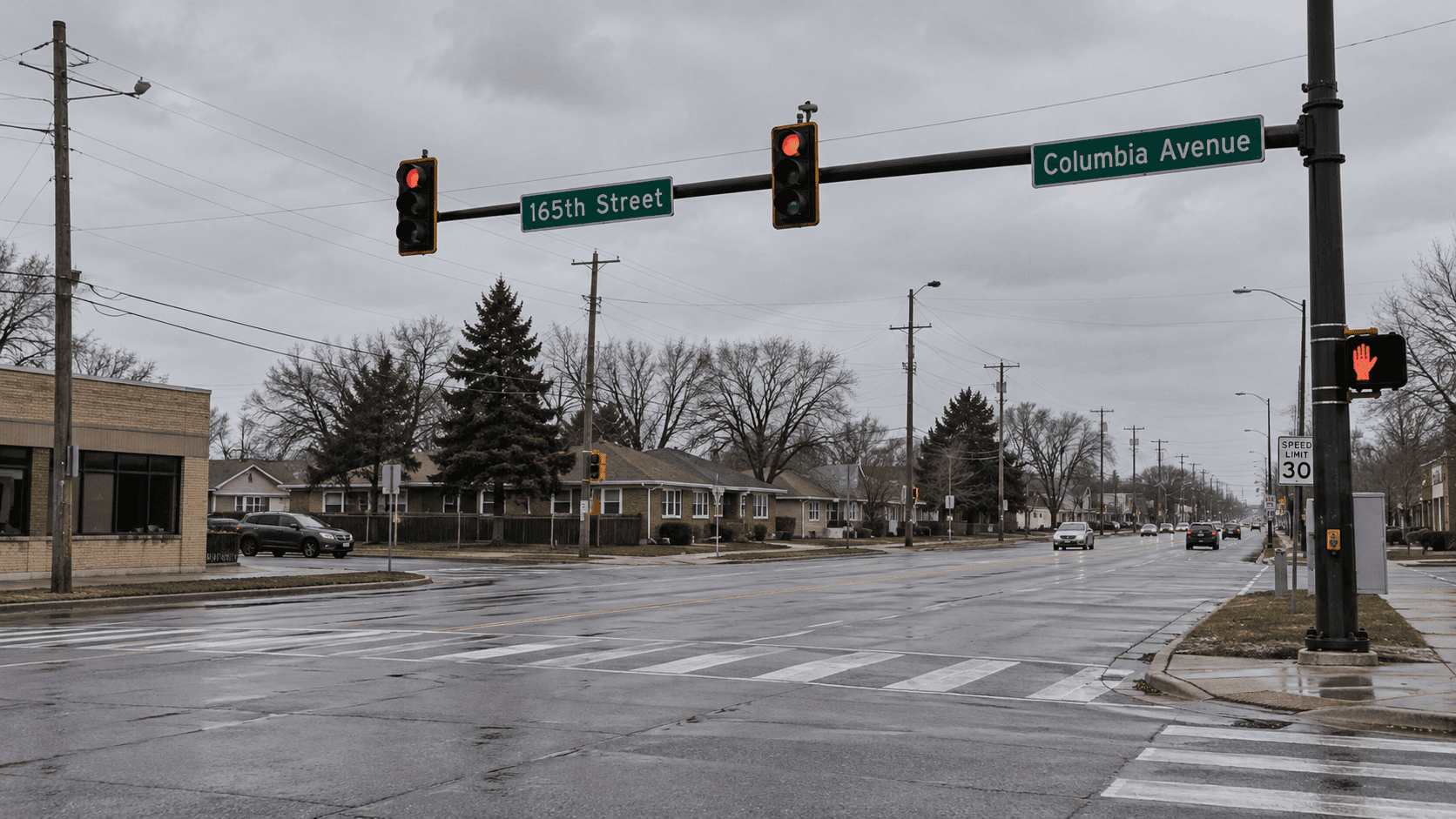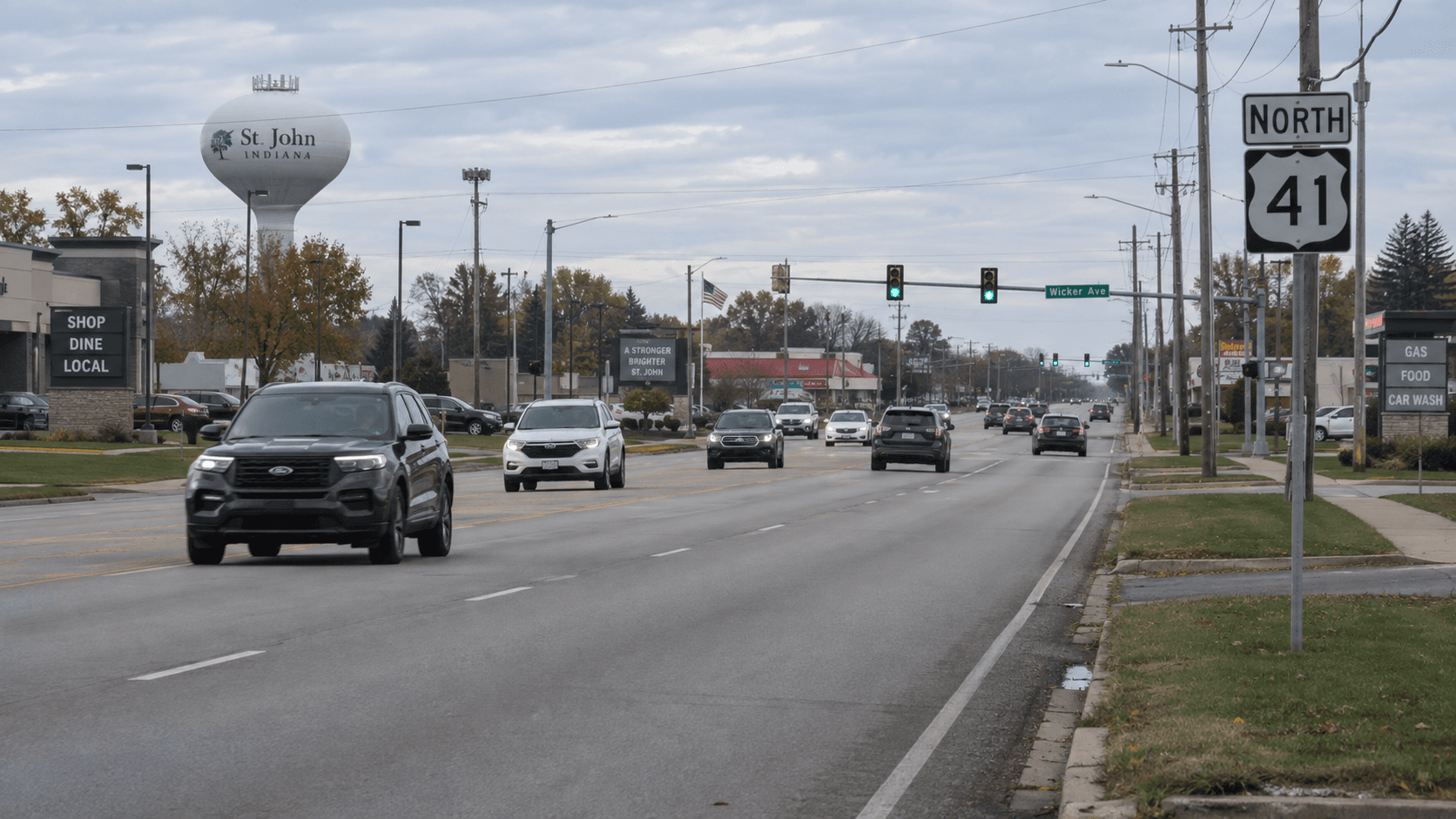
A rear-end collision in the 10200 block of Wicker Avenue in St. John at about 3:48 p.m. on Tuesday, September 8, 2026, ended with the driver of the striking vehicle arrested on impaired-driving and felony charges. According to Region News Source[1], St. John police reported a portable breath test result of .186 and obtained a blood draw by search warrant at a hospital after the driver declined one.
Region News Source reported that a 2004 Honda Accord struck a 2026 Ford Escape. The Accord driver, a 63-year-old St. John woman, was charged with battery on a public safety official and obstruction of justice, both Level 6 felonies, along with operating while intoxicated endangering, resisting law enforcement, disorderly conduct, operating while intoxicated, and several infractions. These are allegations. The driver is presumed innocent, no official finding of fault has been published, and the investigation is ongoing.
Paramedics evaluated the driver of the struck Ford Escape, and she reported no pain. She was not named in the reporting, and no injury was reported to either driver. That describes the current public record, not a conclusion about whether symptoms could develop later.
What accident victims should do next
A portable breath test result of .186 is more than twice Indiana's per se limit of .08. The reported time also shows that suspected impaired driving is not limited to weekend nights. Wicker Avenue is U.S. 41, a commercial arterial through St. John with business entrances, turning traffic, and frequent stopping.
If discomfort develops after a rear-end collision, get evaluated and explain when it began. A person who initially reported no pain should not guess about symptoms or minimize a later change. More information about medical and claim issues is available in the firm's guide to delayed pain after an Indiana car accident.
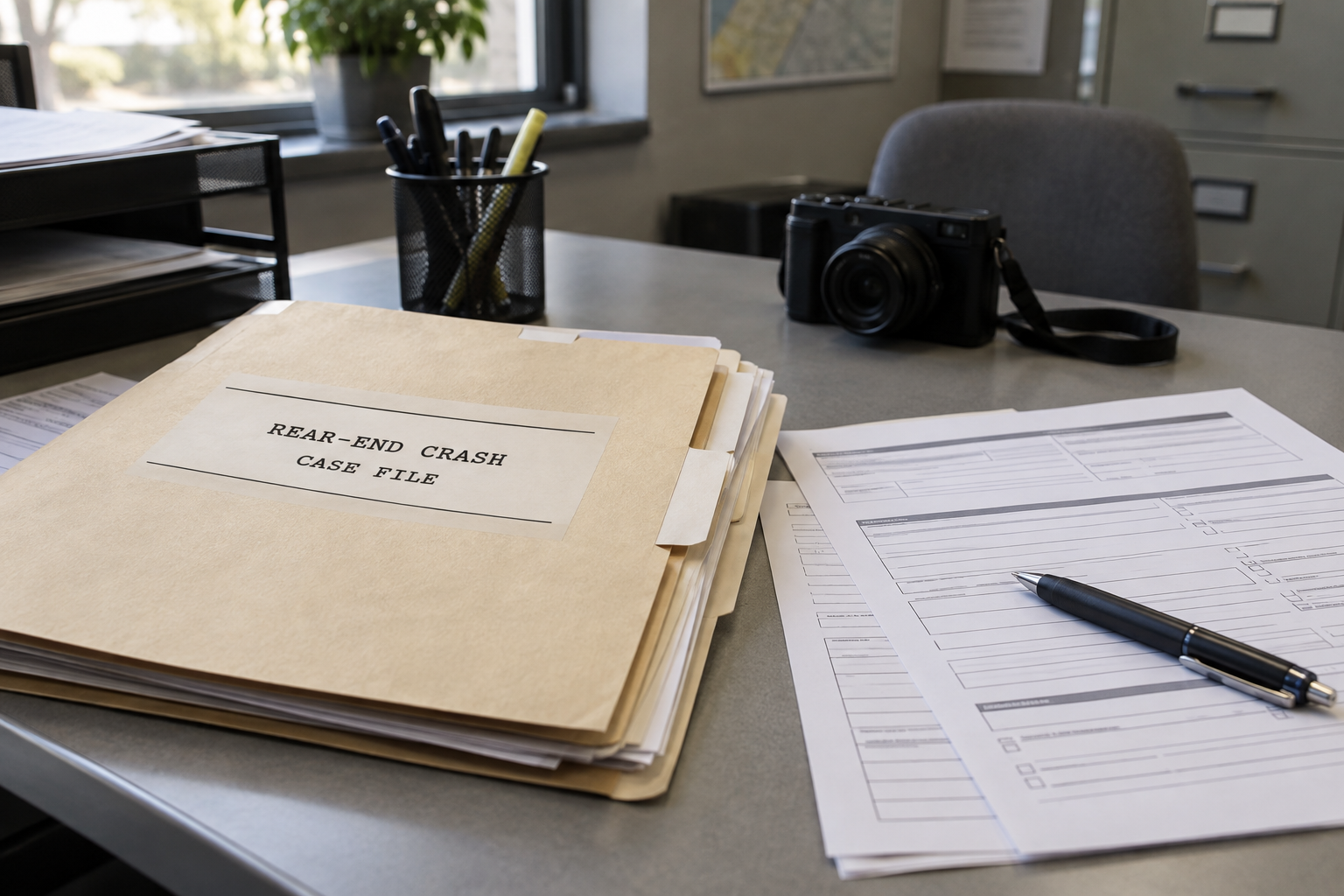
Get the crash report and case number. The investigating agency's crash report can usually be obtained after the investigation, but a police report does not determine civil liability. This guide explains how to obtain an Indiana crash report.
Photograph both vehicles before repairs and preserve roadway photographs. Video from nearby businesses may be overwritten, so timely preservation requests matter. The firm's guide to evidence in an Indiana car accident claim explains other records that may be important.
Be careful with an early request for a recorded statement about injuries. If it is too early to know how you feel, say that honestly instead of guessing. You can review what to consider before giving an insurance recorded statement.
The criminal case belongs to the State. A conviction does not compensate an injured person. If someone was hurt, a civil claim would be separate.
The reporting does not say where any alcohol came from or whether the driver was served by a business. Nothing in the public record identifies an establishment, so any question about a possible alcohol provider remains only a question.
Why location matters in an Indiana injury claim
The crash happened in St. John, Lake County, and the St. John Police Department responded. A civil case arising from an Indiana crash is ordinarily filed where the crash occurred, so Lake County courts would usually be the venue. Because Illinois also has a Lake County, insurance correspondence should clearly identify Lake County, Indiana.
Most Indiana personal injury claims must be filed within two years of the injury under Indiana Code 34-11-2-4[2]. For a September 8, 2026 crash, that generally means a deadline on or about September 8, 2028. Exceptions can change the analysis, and someone whose symptoms appear later should not assume the filing period starts later.
Indiana uses modified comparative fault under Indiana Code 34-51-2-6[3]. An injured person whose fault is greater than 50 percent recovers nothing. Otherwise, the recovery is reduced by that person's percentage of fault. A rear-end collision does not create an automatic civil finding, and responsibility depends on the evidence.
Indiana requires minimum auto liability coverage of $25,000 per person and $50,000 per accident for bodily injury, plus $25,000 for property damage, under Indiana Code 9-25-4-5[4]. Indiana insurers must offer uninsured and underinsured motorist coverage under Indiana Code 27-7-5-2[5]. Whether that coverage applies depends on the policy and the facts.
Indiana Code 7.1-5-10-15.5 may permit a claim against a person or business that furnished alcohol when it had actual knowledge that the person served was visibly intoxicated and the intoxication proximately caused an injury. Nothing in the reporting identifies an alcohol provider or establishes those elements here.
No government entity has been reported as involved in the collision. If later evidence does identify a government defendant, the Indiana Tort Claims Act can impose short notice periods. Written notice for a claim against a city, county, town, or other political subdivision is generally required within 180 days under Indiana Code 34-13-3-8[6]. A claim against the State generally requires notice within 270 days under Indiana Code 34-13-3-6[7].
How Delventhal Law Office can help
Delventhal Law Office, LLC is a Fort Wayne personal injury law firm founded by attorney Chad E. Delventhal in 2009. The firm helps people injured by another driver's carelessness gather reports and charging records, preserve evidence, identify available insurance, respond to insurance-company tactics, and protect applicable deadlines.
If you were hurt in an impaired-driving collision, you can request a free case evaluation. Any review begins with the specific facts because criminal charges and a portable breath test do not, by themselves, establish civil liability or the value of a claim.
This post is based on public reporting, the investigation may be ongoing, and nothing here is legal advice or creates an attorney-client relationship.
Update: Additional infractions reported, September 11, 2026
Region News Source[1] reported additional details from the charging information. Along with the previously reported criminal charges, the Honda driver faces infractions alleging unsafe lane movement, no financial responsibility, and following too closely.
The no financial responsibility infraction is an allegation and does not, by itself, establish the driver's insurance status. If a responsible driver has no liability insurance, uninsured motorist coverage under an injured person's own policy may apply, depending on the policy and the facts.
The source also reported that the Ford Escape was stopped in the center turn lane with its hazard lights on and that a witness described the Honda as driving erratically and cutting off vehicles before the collision. These details remain allegations, and no official determination of civil liability has been published.
The original facts above remain based on the available public reporting. The investigation and prosecution may still be ongoing.