What happened on Norman Avenue
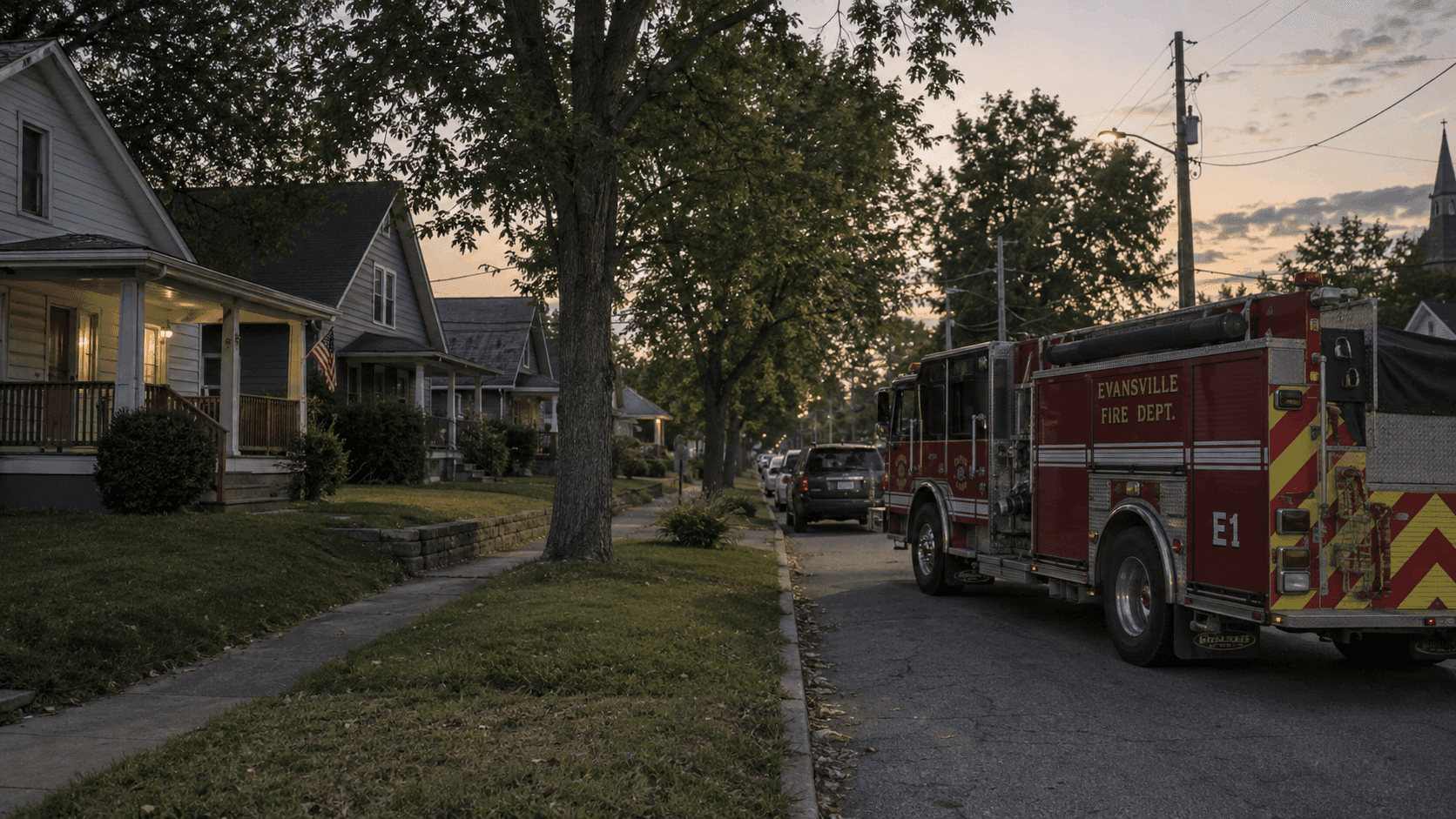
Five people were hospitalized for carbon monoxide poisoning after Evansville Fire Department crews were dispatched to the 700 block of Norman Avenue on Monday night, August 31, 2026. According to WFIE 14 News[1], the call came in as an unconscious person rather than a reported carbon monoxide alarm.
Carbon monoxide detectors mounted on the crews' EMS heart monitors alerted them to high levels in the residence. Firefighters evacuated the occupants, and all five were transported by ambulance. All five survived and have been discharged.
Officials identified a generator as the source. The occupants were not named, and their ages were not reported. The published account does not state who placed or operated the generator, whether the residence had working carbon monoxide alarms, or whether the property was rented or owner-occupied.
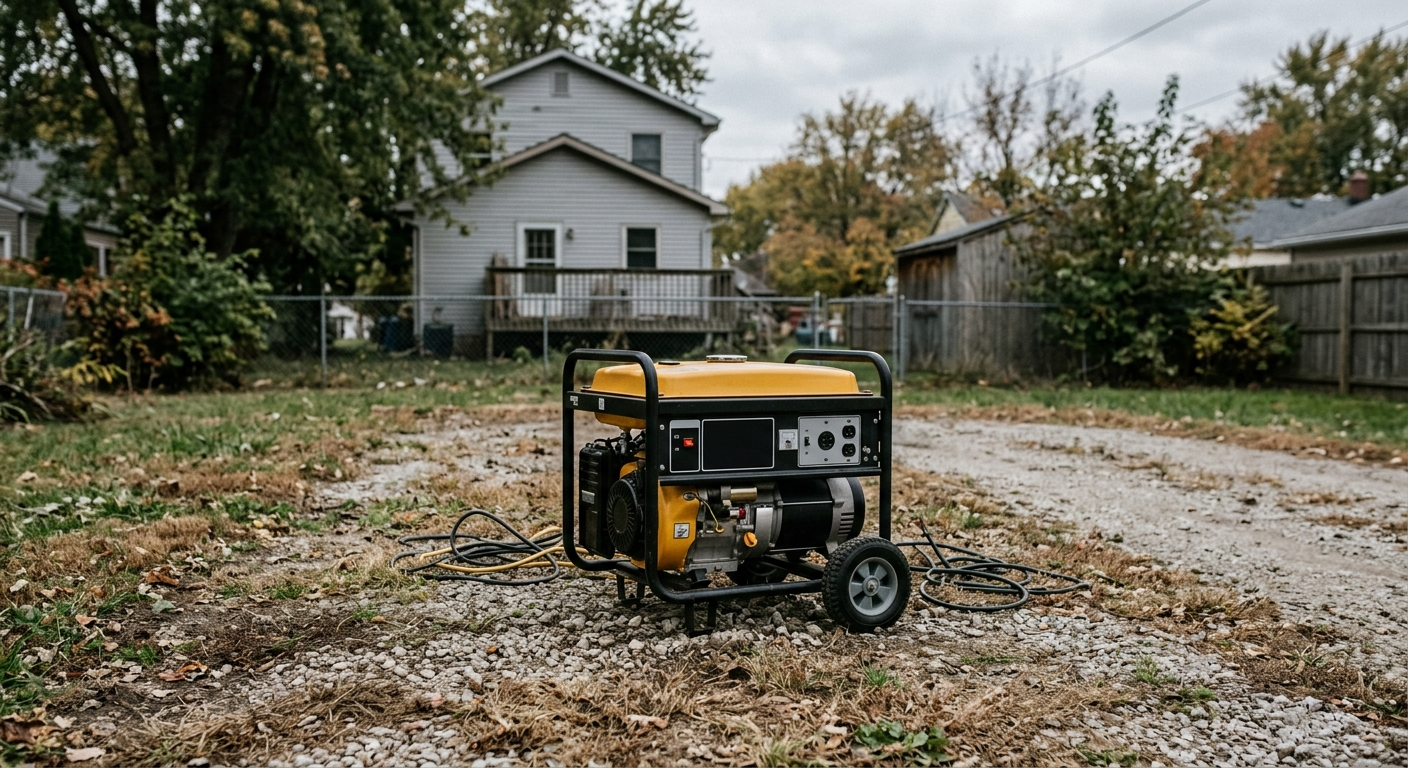
What you should do after carbon monoxide exposure
Carbon monoxide can be difficult to recognize without detection equipment. Here, the emergency call concerned an unconscious person, and the responding crews' equipment revealed the carbon monoxide danger.
If you were treated for carbon monoxide exposure, follow your medical provider's instructions and seek another evaluation if new cognitive or neurological symptoms appear. Delayed effects can include difficulty with memory, concentration, mood, or movement. A hospital discharge should not keep you from reporting new concerns to a medical professional.
Your medical chart should preserve the recorded carboxyhemoglobin level. That test can provide objective evidence of exposure. Keep discharge instructions, ambulance records, bills, and follow-up records together.
The generator and any carbon monoxide alarm may also be important physical evidence. Do not discard, return, or repair them before you have considered preservation. Photograph their condition and placement before anything is moved, and keep the generator's make, model, serial number, purchase records, manual, and warnings. General guidance about preserving injury-related records can help you organize what is available.
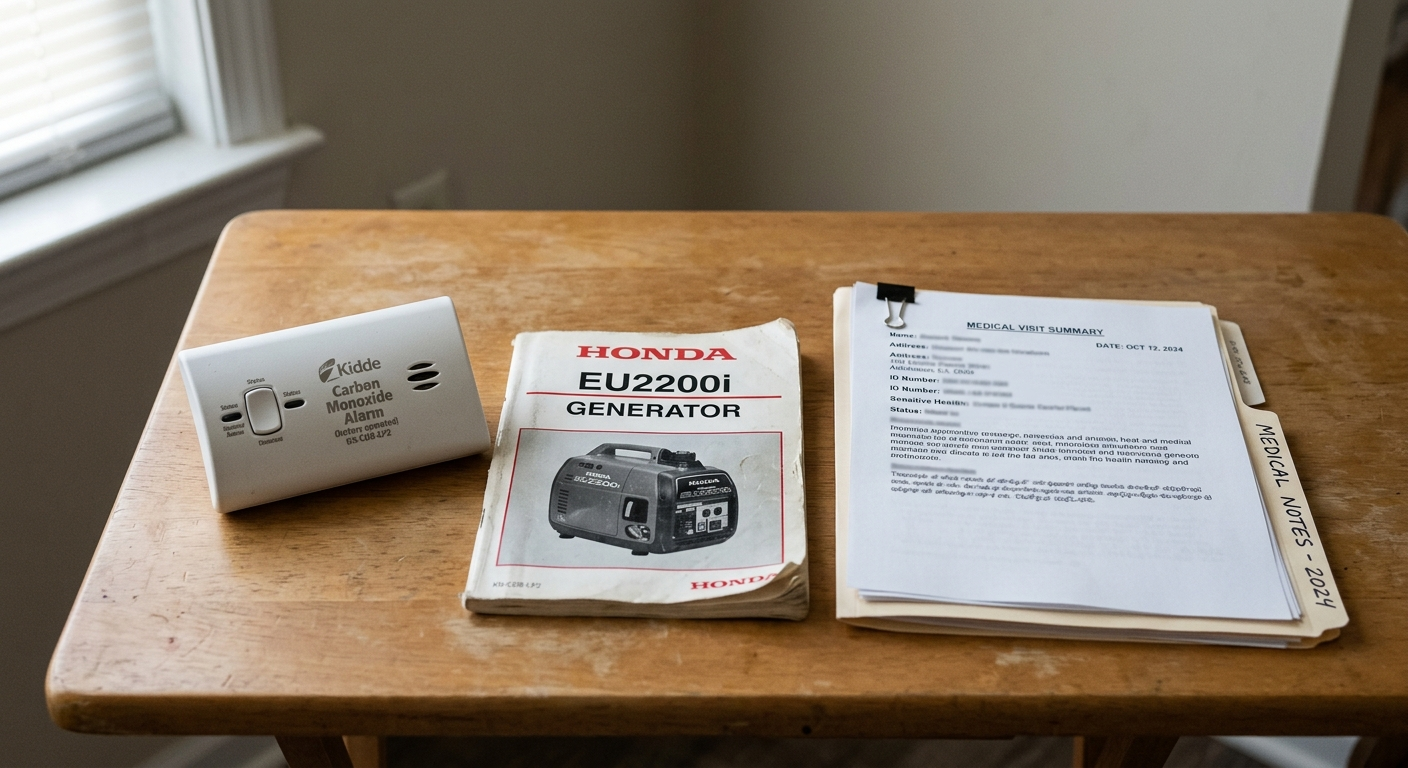
Why the property details matter
Whether the Norman Avenue residence was rented could affect the legal analysis. A potential claim involving a landlord would depend on the lease, maintenance records, complaint history, required detection, and what the landlord knew. Those facts are not established by the news report. You can read more about the issues commonly examined in a premises liability claim.
A claim involving a defective generator or inadequate warnings would raise different questions under Indiana product liability law. The generator, its labeling, and its original manual may help show what warnings were provided and whether the product was in a defective condition when it left the manufacturer's control. Delventhal Law Office also provides information about product defect claims.
Indiana applies modified comparative fault under IC 34-51-2-6[2]. An injured person's recovery is reduced by that person's percentage of fault and barred when that fault is greater than 50 percent. In a generator case, the actual placement of the equipment and the exact warnings supplied with it may therefore become hotly contested.
Deadlines and public records
The general deadline for an Indiana personal injury lawsuit is two years from the date of injury under IC 34-11-2-4[3]. When an injured person is a minor, IC 34-11-6-1[4] tolls the limitations period while the legal disability remains.
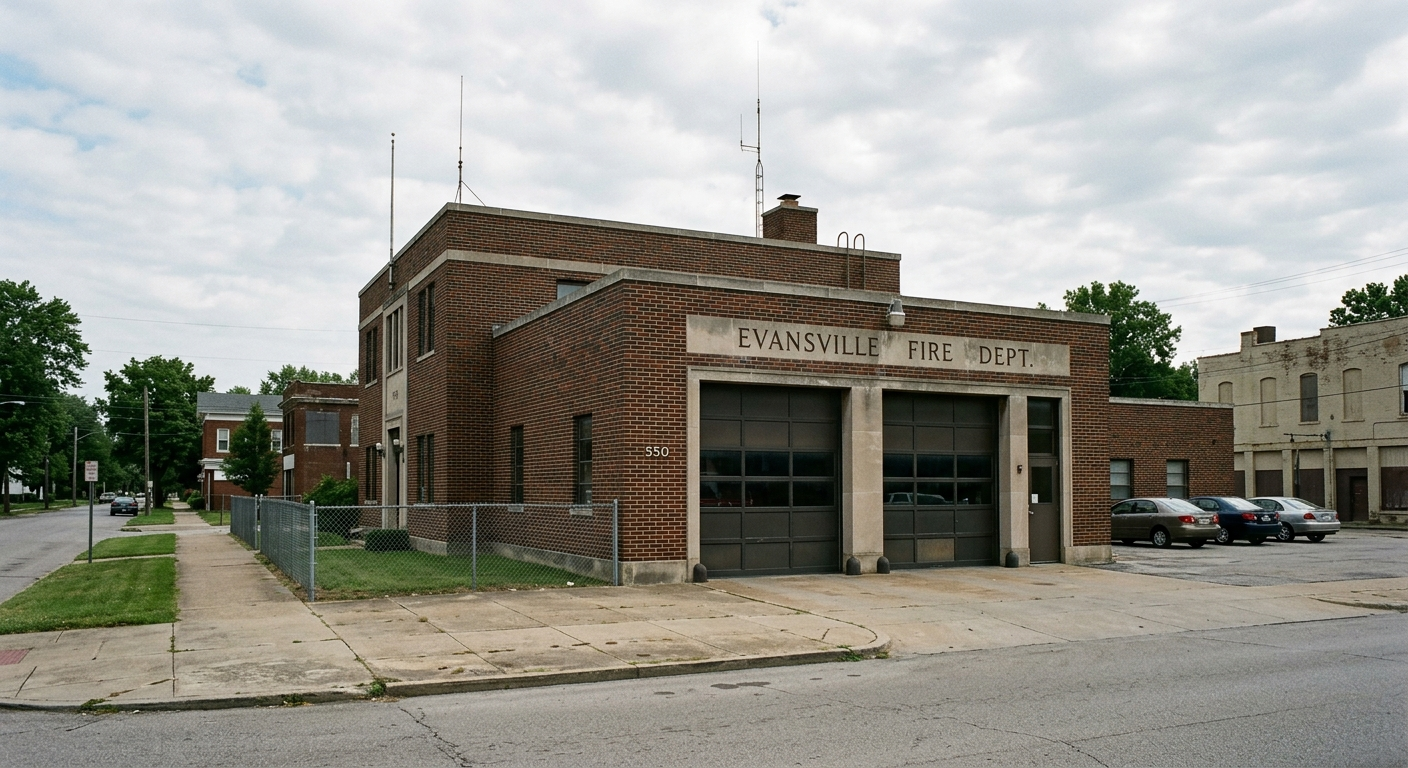
The Evansville Fire Department incident report may document measured carbon monoxide levels, the identified source, and what crews found. A public report does not determine civil liability, but it can help preserve the early facts.
Nothing published implicates a governmental entity in causing this incident. If later facts supported such a claim, Indiana's notice periods can be much shorter than the ordinary filing deadline: 180 days for a political subdivision under IC 34-13-3-8[5] and 270 days for the State under IC 34-13-3-6[6].
How Delventhal Law Office can help
Delventhal Law Office, LLC is a personal injury law firm founded by attorney Chad E. Delventhal in 2009. The firm can obtain incident records, seek preservation of a generator or alarm, review rental and maintenance documents, and evaluate whether carelessness, a product defect, or inadequate warnings may have contributed. Insurance companies and other responsible parties may aggressively defend these questions, so careful documentation matters.
If you or your family was exposed to carbon monoxide in Vanderburgh County or elsewhere in Indiana, you may request a free case evaluation.
This post is based on public reporting, the investigation may be ongoing, and nothing here is legal advice or creates an attorney-client relationship.