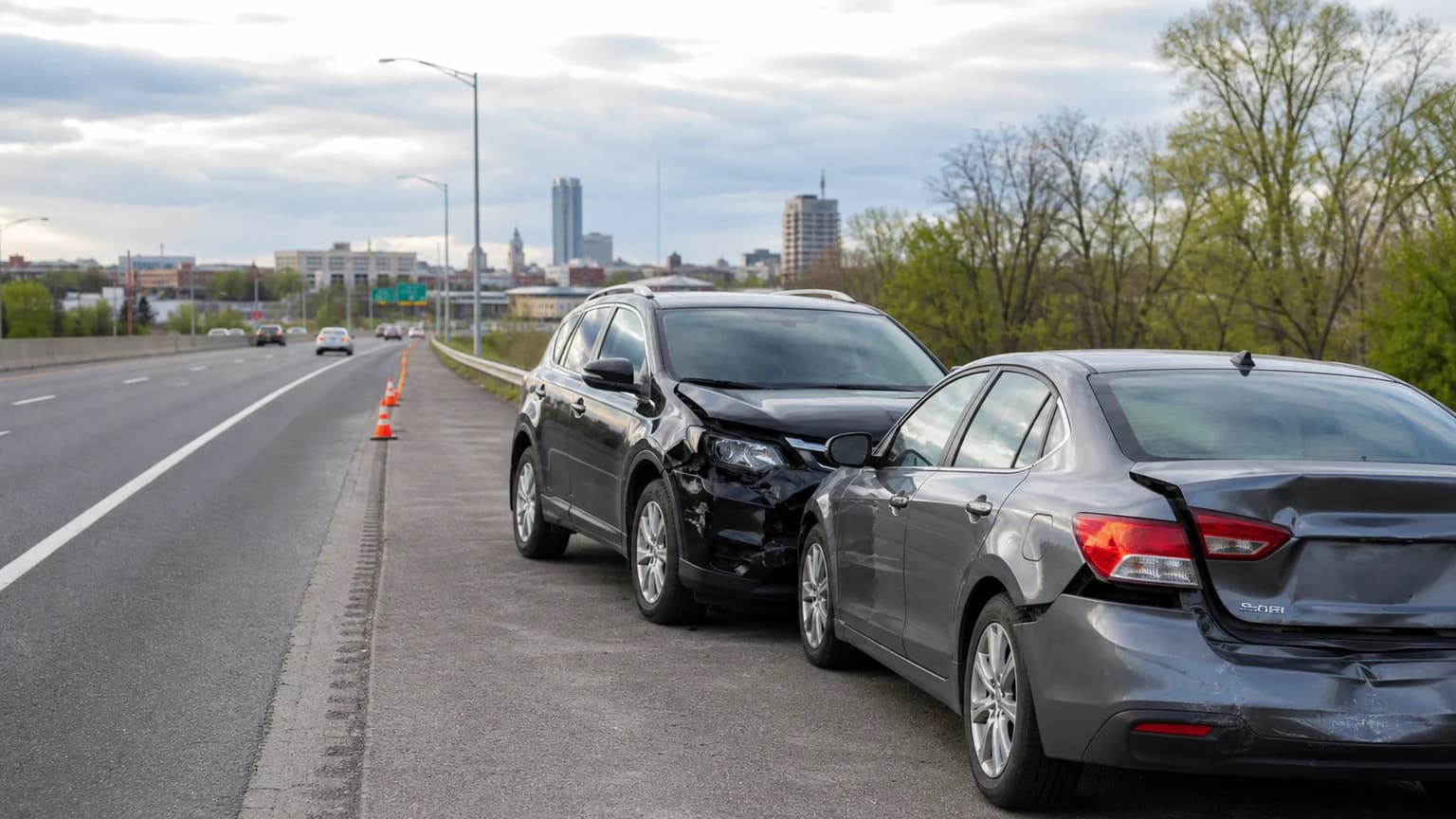
If you were hit from behind in Fort Wayne or anywhere in Indiana, the other driver may say you stopped too fast. Their insurer may say the damage was minor. Or, in a multi-car crash, everyone may point at someone else. The practical job is not to rely on assumptions. It is to build a clean timeline of what happened and connect the crash to your injuries.
How Indiana looks at fault in a rear-end collision
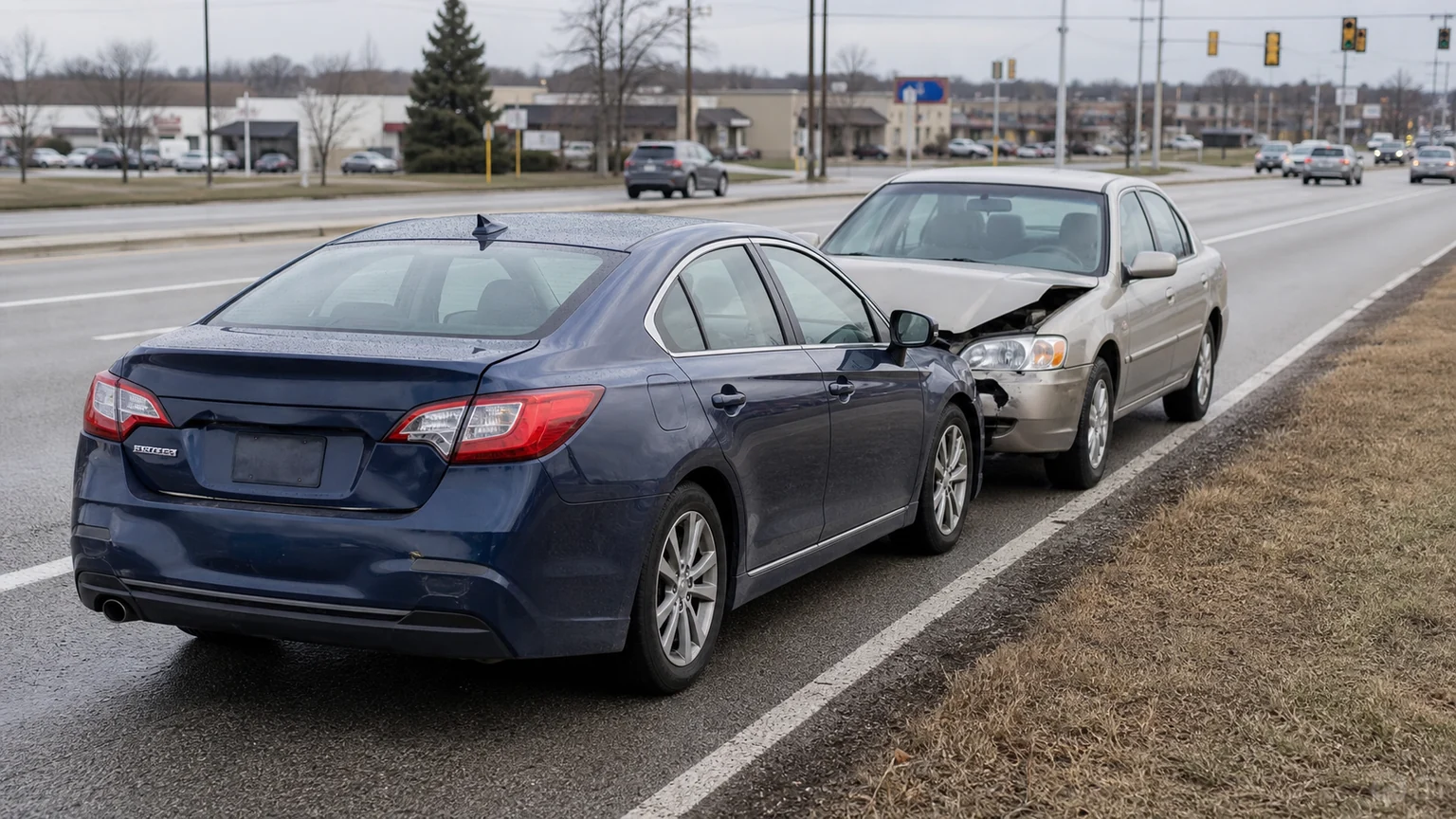
Indiana drivers must use reasonable care, keep proper control, and follow traffic rules. In a typical rear-end crash, the rear driver may be blamed because drivers are expected to leave enough distance to stop safely for traffic ahead. That is why adjusters often start with the rear vehicle.
But the law does not say every rear-end crash is automatically the rear driver’s fault. Indiana uses comparative fault in many injury cases. That means responsibility can be divided by percentage, and a claimant’s recovery can be reduced if the claimant is partly at fault. If a claimant is more than 50% at fault against a non-government defendant, recovery can be barred. That is a high-risk legal issue and should be reviewed by an Indiana attorney before anyone relies on it for a specific case.
For a broader crash-claim overview, see Delventhal Law Office’s Fort Wayne car accident attorney page and our guide on what happens if the police report says you are partly at fault.
When the lead driver may share fault
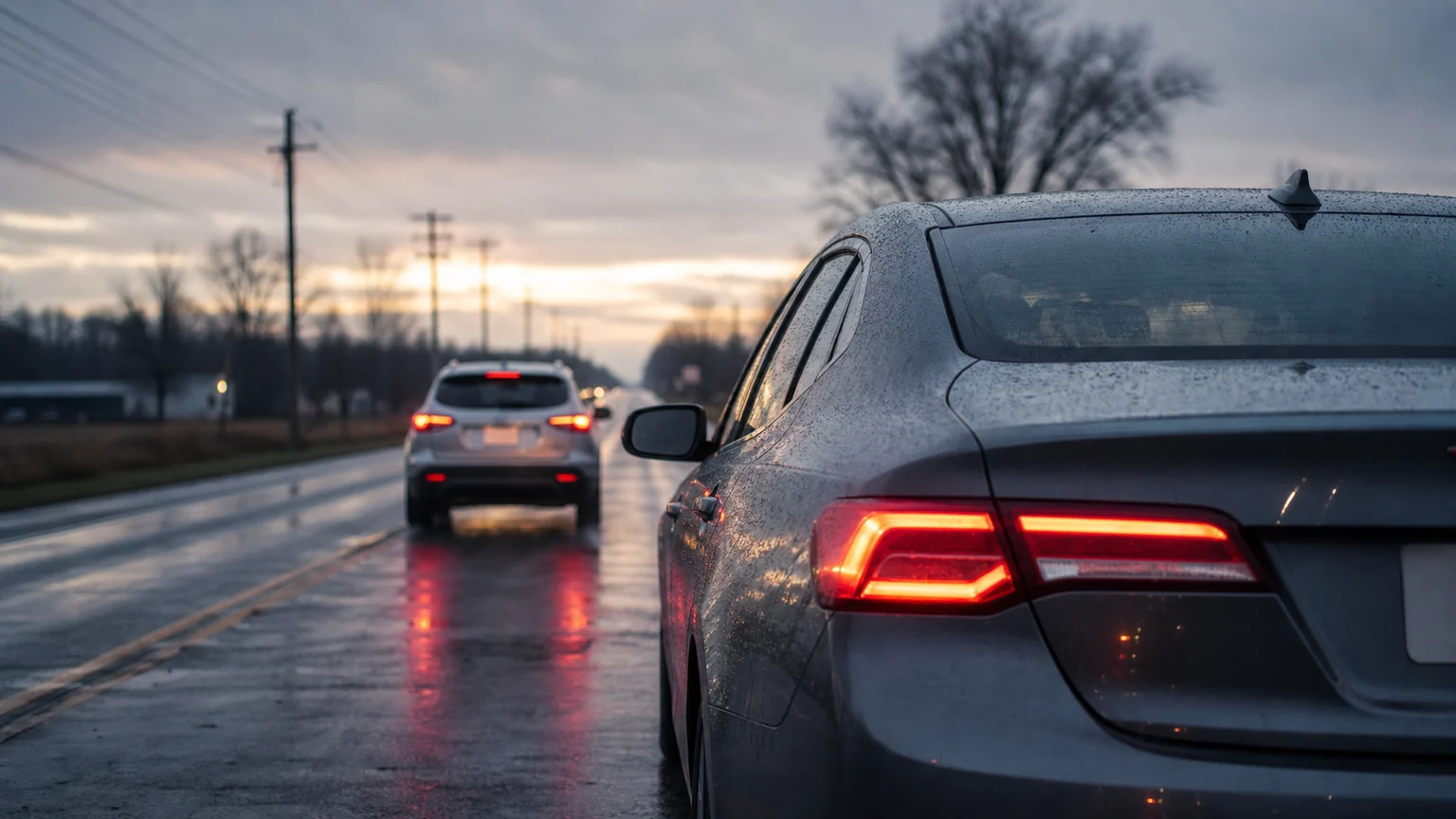
The front driver may be partly responsible when evidence shows conduct that made the crash unavoidable or more likely. Examples include a sudden unsafe lane change, cutting into a small gap and braking, nonworking brake lights, backing unexpectedly, stopping in a travel lane without a safety reason, or intentionally brake-checking another driver.
These are fact questions. A normal stop for traffic, a red light, a pedestrian, road construction, or emergency conditions is different from an unsafe or unexplained stop. The distinction often comes from video, witnesses, physical damage, and the timing of each vehicle’s movement.
Chain-reaction rear-end crashes need a timeline
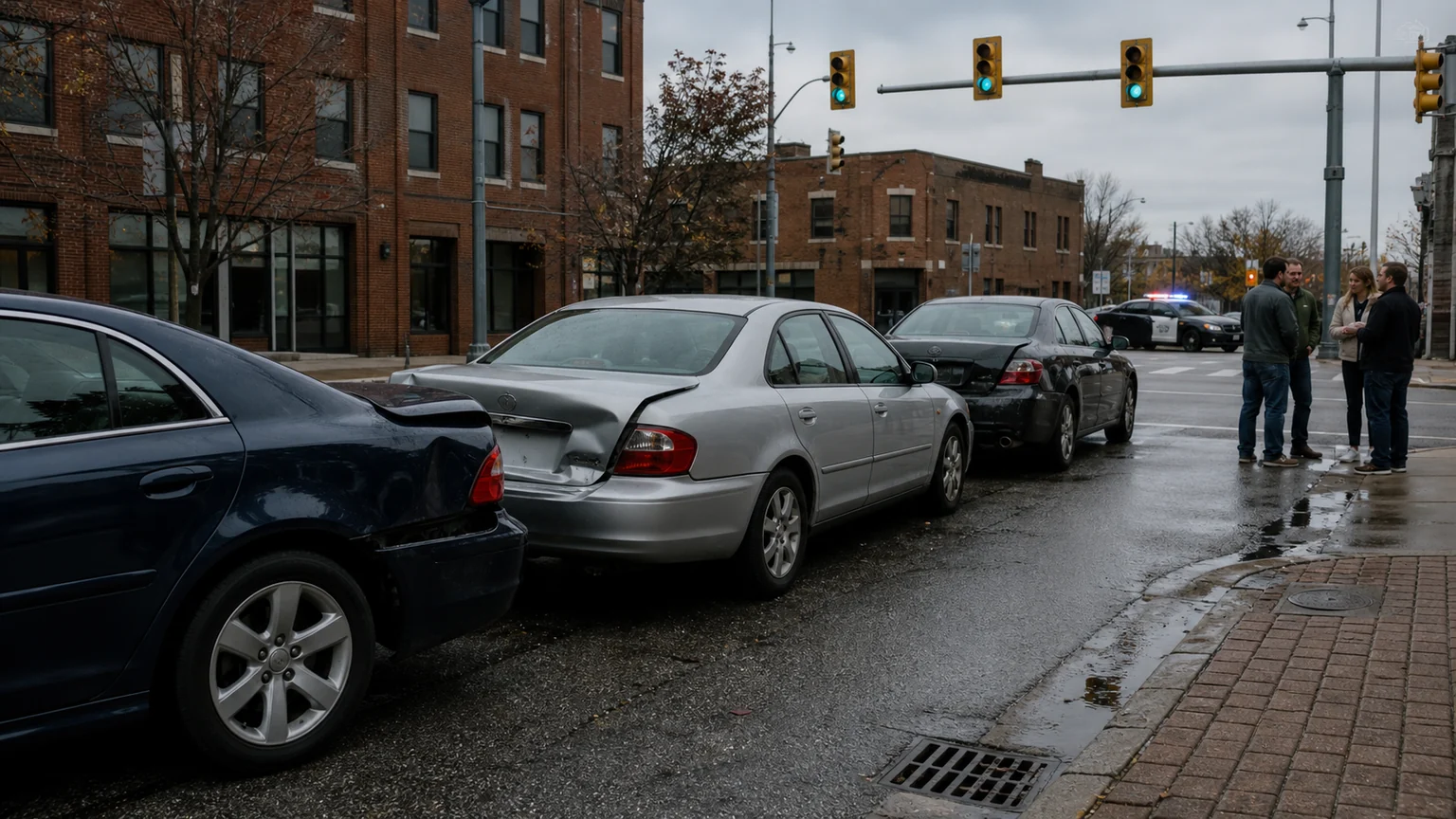
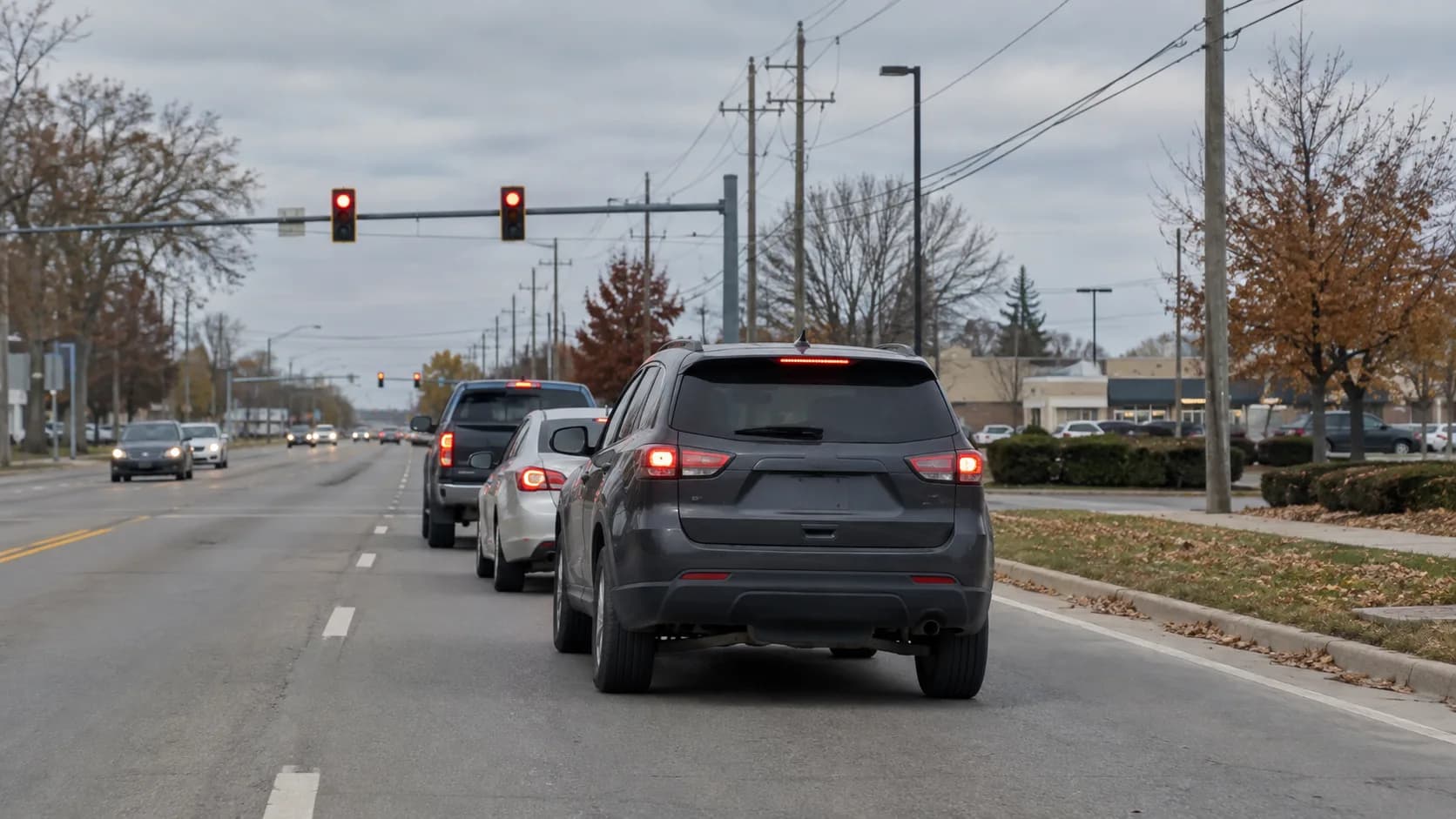
In a three-car or four-car pileup, the key question is not just “who hit whom?” It is “what happened first?” If Vehicle C pushed Vehicle B into Vehicle A, the analysis differs from Vehicle B rear-ending Vehicle A before Vehicle C arrived. Passengers may have claims against more than one negligent driver.
Useful evidence includes damage patterns, airbag data when available, witness statements, 911 timing, dashcam footage, intersection cameras, and officer notes. If commercial vehicles are involved, electronic logs and company records may need to be preserved quickly.
Rear-end fault scenarios at a glance
A rear impact is important evidence, but it does not decide fault by itself. Indiana requires drivers to follow at a reasonable and prudent distance under Indiana Code 9-21-8-14[1]. The surrounding facts still determine whether one driver or several drivers contributed to the crash.
| Scenario | Evidence that matters | Possible fault issue |
|---|---|---|
| Lead vehicle stops for traffic | Following distance, speed, roadway and weather | The rear driver is commonly responsible for failing to stop safely. |
| Lead vehicle cuts into the lane | Dashcam, witnesses, lane markings and vehicle positions | The lane-changing driver may share or bear fault if the rear driver had no reasonable stopping distance. |
| Brake lights were not working | Bulb inspection, photographs, repair records and nighttime visibility | Fault may be divided if the lighting defect prevented reasonable warning. |
| Chain-reaction collision | Impact order, damage patterns, event-data recorders and video | More than one driver may have caused separate impacts. |
| Vehicle rolls or reverses backward | Grade, gear position, video and witness accounts | The front vehicle may be responsible even though the damage resembles an ordinary rear-end crash. |
Indiana's Comparative Fault Act[2] reduces compensation by a claimant's assigned percentage of fault and generally bars recovery when the claimant's fault is greater than 50%. That is why scene evidence matters more than the shorthand assumption that the rear driver is always at fault. You can use our Indiana car accident settlement calculator to organize the factors that may affect a claim’s value; it is an educational tool, not a promise of any result.
Evidence to preserve after a rear-end collision
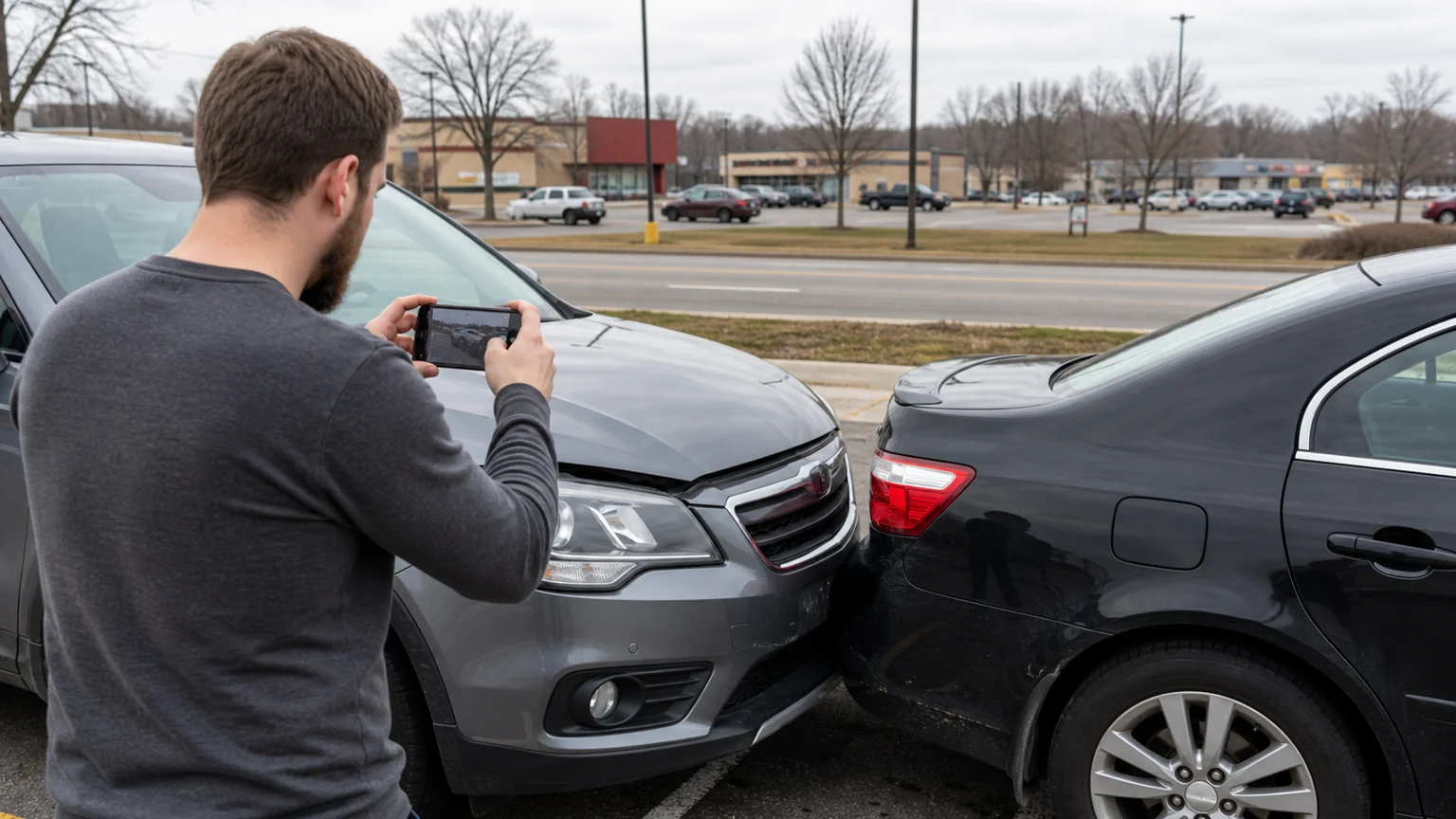
- Photos of all vehicle damage, not just your bumper.
- Photos of the scene, skid marks, debris, lane markings, and traffic signals.
- Close photos of brake lights, turn signals, trailer lights, and any broken bulbs.
- Names and numbers for witnesses.
- Dashcam, doorbell, business, or traffic-camera leads.
- The crash report number and responding agency.
- Medical records documenting neck, back, shoulder, head, or radiating symptoms.
- Repair estimates and total-loss paperwork.
- A timeline of when pain started and how it changed.
Rear-end crashes often cause neck and back symptoms that become more obvious over the next day or two. If you have delayed pain, document it and get appropriate medical care. Related DLO resources include why gaps in treatment matter and who pays medical bills after an Indiana crash.
Insurance-company arguments to expect
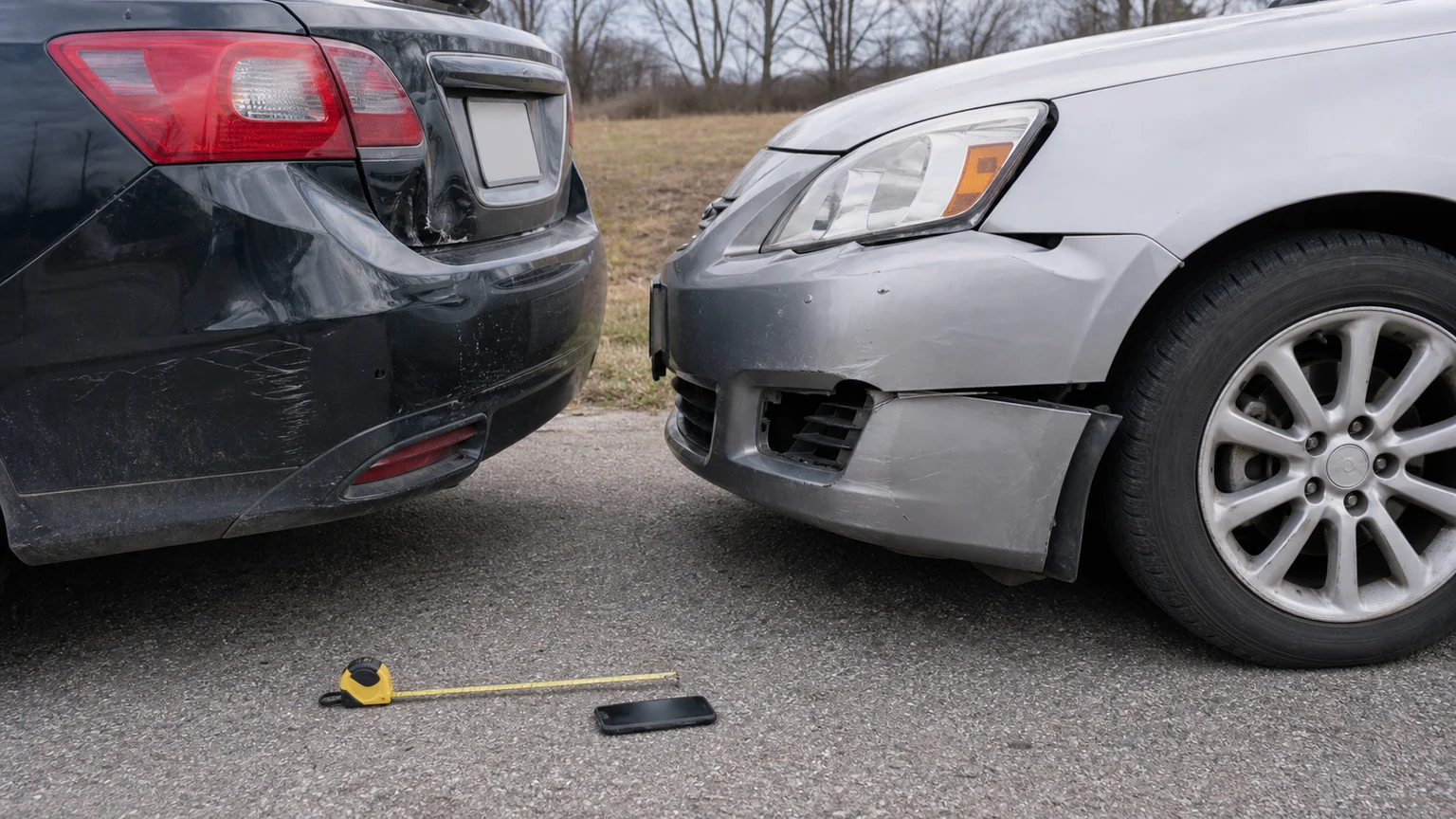
Even when liability seems clear, insurers may argue the impact was too minor, your treatment started too late, your pain came from a prior condition, you stopped too suddenly, you were distracted, or part of the damage came from another impact. None of those arguments automatically wins. They do show why careful documentation matters.
A good claim presentation separates the property-damage story from the medical story while showing how they connect. It explains the crash mechanics, the first symptoms, treatment progression, work impact, medical bills, and any prior condition that was aggravated.
When to call an Indiana car accident lawyer
Consider calling a lawyer if you have more than minor soreness, missed work, disputed fault, a chain-reaction crash, a commercial vehicle, prior neck or back problems, a recorded-statement request, or an adjuster minimizing your injuries. Delventhal Law Office can review the crash facts, medical timeline, and insurance issues before you make decisions that affect the claim.
Frequently Asked Questions
Is the rear driver always at fault in Indiana?
No. The rear driver is often the first focus, but Indiana fault depends on the evidence and can be shared under comparative fault.
Can the front driver be partly at fault?
Yes. Sudden unsafe lane changes, nonworking brake lights, brake-checking, or stopping without a lawful reason can affect fault.
What evidence helps in a rear-end claim?
Photos, dashcam video, witness names, vehicle damage, brake-light condition, crash reports, medical records, and repair estimates can all matter.
What if I was hit in a chain-reaction crash?
Chain-reaction crashes require a timeline of impacts. More than one driver may share responsibility.
Should I give the insurer a recorded statement?
Be careful. Give basic reporting information, but consider legal advice before a detailed recorded statement if fault or injuries are disputed.
Sources and further reading
- Indiana Code Article 34-51-2 — Comparative Fault[3]
- Indiana Code Article 9-21-8 — Vehicle operation rules[4]
- Indiana State Police — Crash Reports[5]
- Delventhal Law Office — Fort Wayne Car Accident Attorney
This article is general information for Indiana readers, not legal advice for a specific case. Reading it does not create an attorney-client relationship, and neither does contacting us. If you do contact us about a possible claim, Indiana Rule of Professional Conduct 1.18 requires us to keep what you tell us confidential whether or not we take the case — but please do not send documents or detailed facts until we have agreed in writing to represent you.