

After a Fort Wayne crash, the phrase “severe injury” can mean different things to doctors, police, insurers, and lawyers. A police report may classify visible injury severity at the scene, while an insurance adjuster may focus on medical records, diagnostic testing, treatment length, wage loss, and permanency.
Key takeaways
- Severity is proven with records, not adjectives.
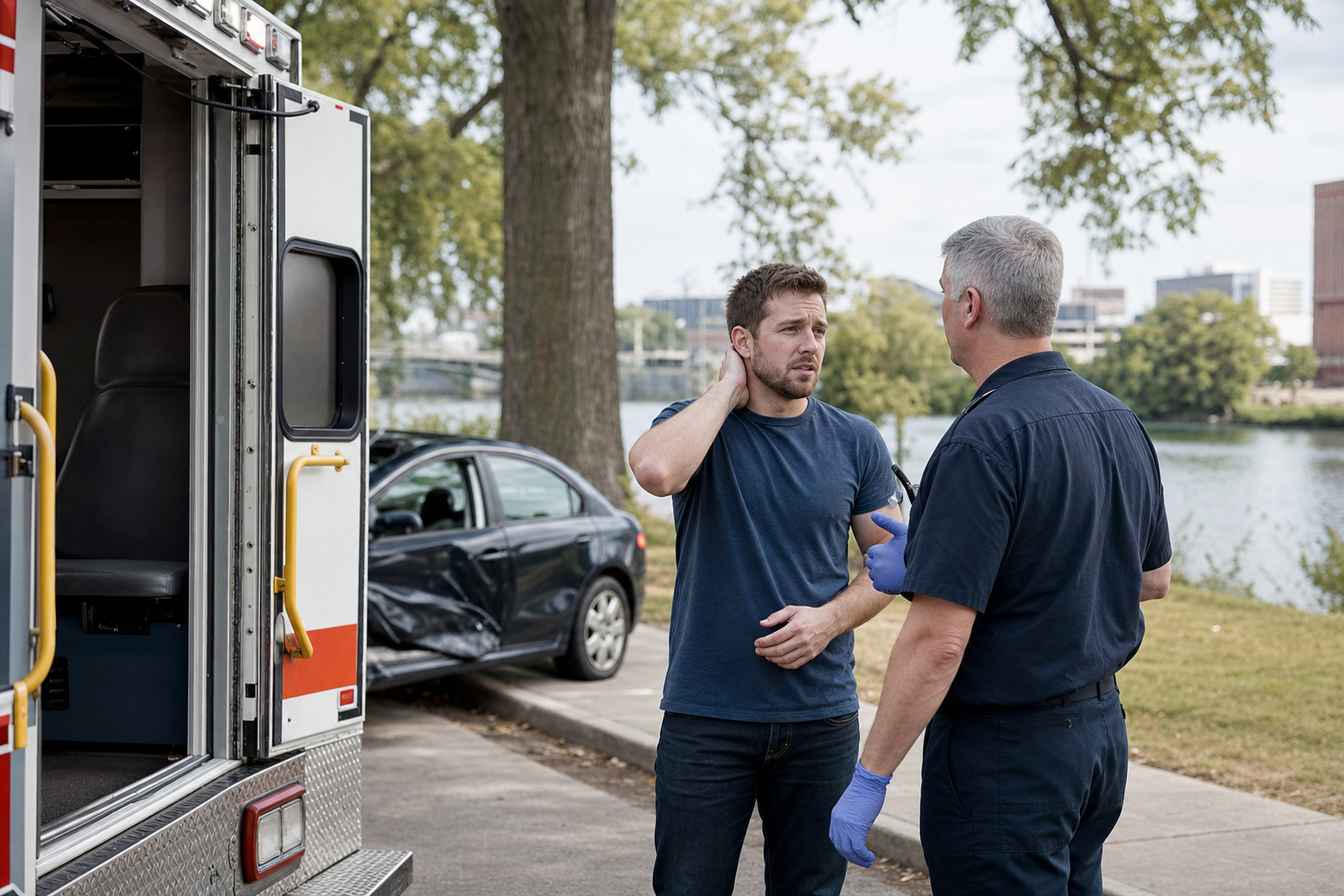
- Broken bones, surgery, hospitalization, loss of consciousness, spinal injuries, traumatic brain injuries, burns, scarring, and lasting restrictions often raise severity concerns.
- NHTSA’s crash-data materials use “suspected serious injury” examples such as severe lacerations, broken or distorted extremities, crush injuries, suspected skull/chest/abdominal injury, significant burns, unconsciousness, and paralysis in the Model Minimum Uniform Crash Criteria[1].
- Indiana personal-injury lawsuits generally must be filed within the deadline in Indiana Code § 34-11-2-4[2], though special notice rules can apply to government defendants.
- Severe injury cases need early evidence preservation, especially photos, imaging, bills, restrictions, wage records, and witness information.
There is no single insurance definition
An adjuster may call an injury minor because the car damage looks modest. A doctor may be more concerned about neurological symptoms, fractures, or worsening pain. A Fort Wayne car accident lawyer looks at liability, medical causation, treatment, impairment, wage loss, future care, and how the injury changed the client’s life.
That is why serious cases should be built around evidence. If your crash involved a specific collision type, related pages like our Fort Wayne head-on collision page, T-bone accident page, and catastrophic injury page explain how crash forces and long-term harm matter.

Examples of injuries often treated as severe
| Injury or proof | Why it may matter |
|---|---|
| Fracture or dislocation | Often requires imaging, immobilization, orthopedic care, surgery, or long restrictions. |
| Traumatic brain injury or loss of consciousness | Can affect memory, balance, mood, work, driving, and daily function. |
| Neck or back injury with nerve symptoms | Radiating pain, numbness, weakness, injections, or surgery can increase seriousness. |
| Surgery or hospitalization | Shows a higher treatment level and may create future-care and scarring issues. |
| Permanent impairment or restrictions | May affect work capacity, household tasks, hobbies, and settlement value. |
| Severe scarring or burns | Can involve disfigurement, pain, emotional impact, and future treatment. |
What proof makes the claim stronger?
Medical proof should connect the crash to the injury, explain symptoms, document objective findings when available, and track improvement or worsening. Imaging, specialist referrals, surgical notes, therapy records, work slips, prescriptions, and impairment opinions can all matter.
Crash proof matters too. Photos, scene measurements, witness statements, vehicle data, police reports, and roadway evidence help explain why the body was injured. For early evidence steps, see our guide to the first 72 hours after a Fort Wayne car accident.
Can a low-damage crash still cause a serious injury?
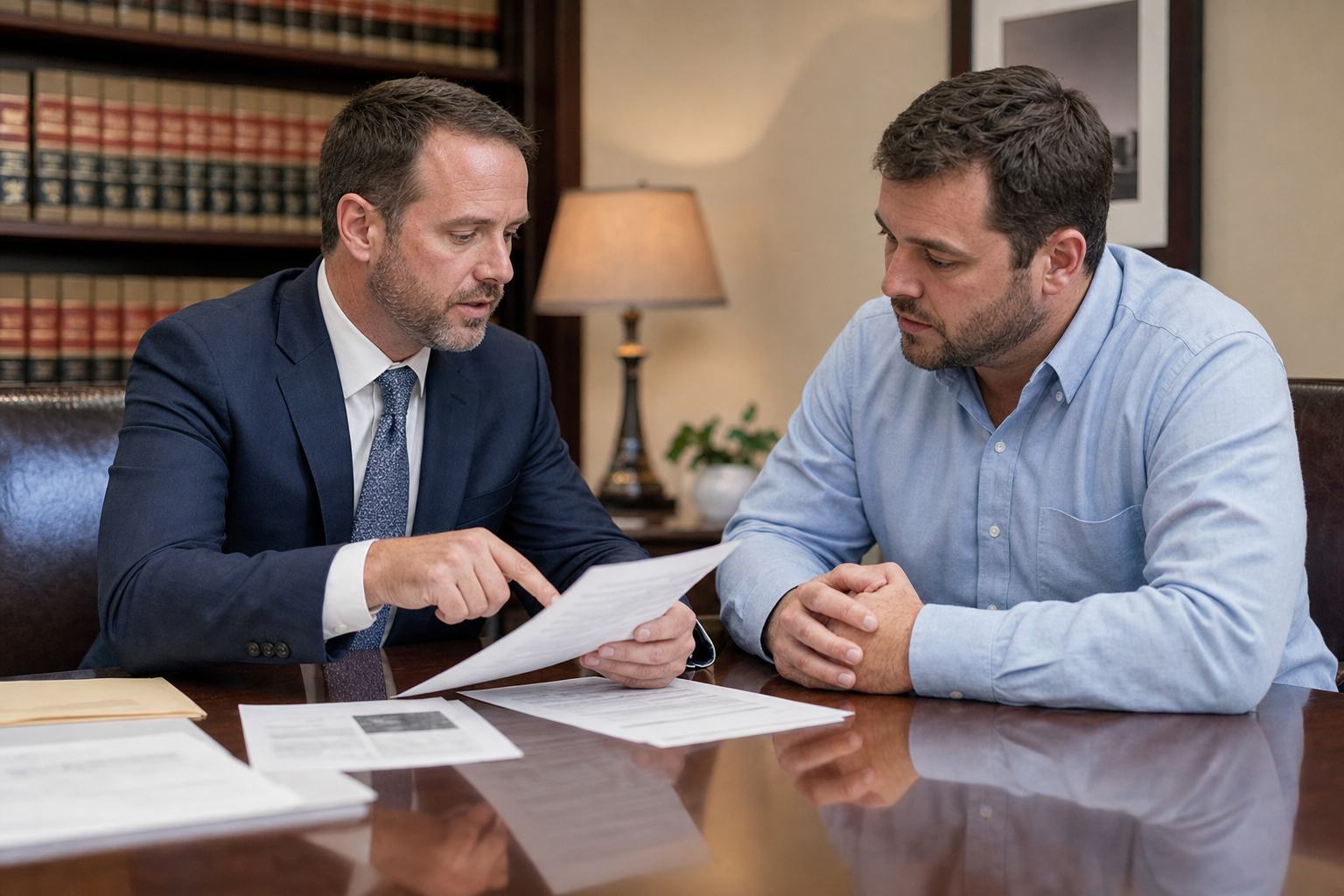
Yes. Vehicle damage is one fact, not the whole case. Seat position, angle of impact, prior conditions, sudden rotation, occupant age, medical vulnerability, and delayed symptoms can all matter. Insurers may argue low property damage means low injury, so the medical timeline becomes especially important.
If pain appears later, document it quickly and tell medical providers the full history. Our article on delayed pain after an Indiana car accident explains why treatment gaps can become a defense issue.
Why severity affects insurance negotiations
Severity influences value because it affects medical expenses, lost income, future care, pain, limitations, impairment, and risk at trial. Indiana’s comparative fault rules can also affect recovery if the insurer claims you were partly responsible; Indiana’s comparative-fault statute is found at Indiana Code chapter 34-51-2[3].
If the at-fault driver has limited coverage, severity can also trigger underinsured-motorist issues. See our Fort Wayne uninsured and underinsured accident page for that coverage layer.

Mistakes that weaken severe-injury claims
- waiting too long to get evaluated;
- missing specialist or therapy appointments without explanation;
- telling providers “I am fine” when symptoms remain;
- failing to preserve vehicle and scene photos;
- posting activity photos that insurers can take out of context;
- settling before the medical picture is stable;
- ignoring symptoms like headaches, dizziness, numbness, weakness, or vision changes.
Frequently asked questions
Is whiplash considered a severe injury?
Sometimes. A short-lived strain may resolve quickly, but whiplash with neurological symptoms, imaging findings, injections, long therapy, or work restrictions may be much more serious.
Does surgery automatically make a case severe?
Surgery is strong evidence of seriousness, but the full value still depends on fault, causation, outcome, impairment, bills, lost wages, future care, and policy limits. You can use our Indiana car accident settlement calculator to organize the factors that may affect a claim’s value; it is an educational tool, not a promise of any result.
What if the emergency room said I was okay?
ER visits often rule out immediate emergencies. Follow up if symptoms continue or worsen. Later records may be important if they explain the injury progression.
Should I settle before I know whether the injury is permanent?
Usually not without careful review. Once you sign a release, you typically cannot come back for future treatment, lost wages, or worsening symptoms from the same claim.
Bottom line
A severe injury is proven by the whole record: crash facts, medical care, limitations, recovery, and long-term effects. If you are unsure how serious your claim is, Delventhal Law Office can review the evidence and explain what proof is missing.
This article is general information about Indiana injury claims. It is not legal advice and does not create an attorney-client relationship.