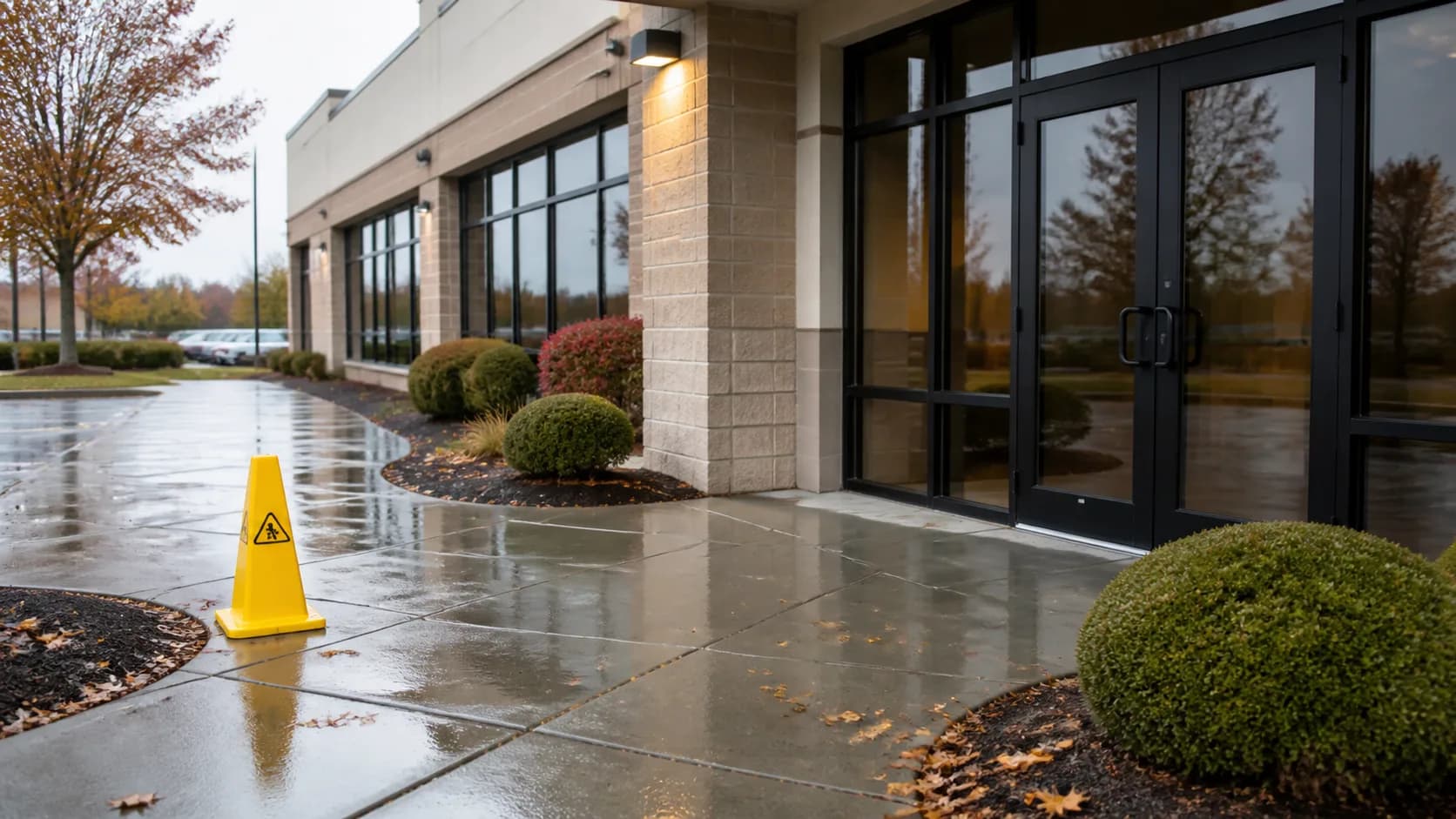
A fall in a Fort Wayne store, apartment building, parking area, workplace, or private home can affect more than one part of the body. This guide organizes verified federal health information and a practical list of records to keep.
Key takeaways
- NIAMS identifies fractures, sprains, and dislocations among acute injuries that may follow a fall.
- MedlinePlus identifies sprains and strains, herniated disks, and fractured vertebrae as common back injuries.
- Mild traumatic brain injury and concussion symptoms can appear immediately or hours or days later.
- Older adults are more likely to fracture a bone when they fall, particularly when osteoporosis is present.
- Under Indiana law, an injury alone does not establish a premises-liability claim; duty, breach, and damages proximately caused by the breach must be proved.
Common injuries after a fall
Fractures
A fracture is a break in a bone, and falls are one common cause. The National Library of Medicine’s Fracture health guide[1] identifies intense pain, deformity, swelling, bruising, tenderness, and trouble moving the injured part as possible symptoms. It advises getting medical care right away when a fracture is suspected and explains that a healthcare provider may use an examination and imaging to determine whether a bone is broken.
Mild traumatic brain injury and concussion
The CDC explains that mild traumatic brain injury and concussion symptoms can affect how a person feels, thinks, acts, or sleeps. Its current Symptoms of Mild TBI and Concussion[2] page lists headaches, dizziness or balance problems, nausea or vomiting, vision problems, sensitivity to light or noise, concentration or memory problems, mood changes, and sleep changes. Some symptoms appear right away; others may not appear for hours or days.
For additional legal and documentation context, see the firm’s guide to documenting injuries that may not be outwardly visible.
Sprains, strains, and dislocations
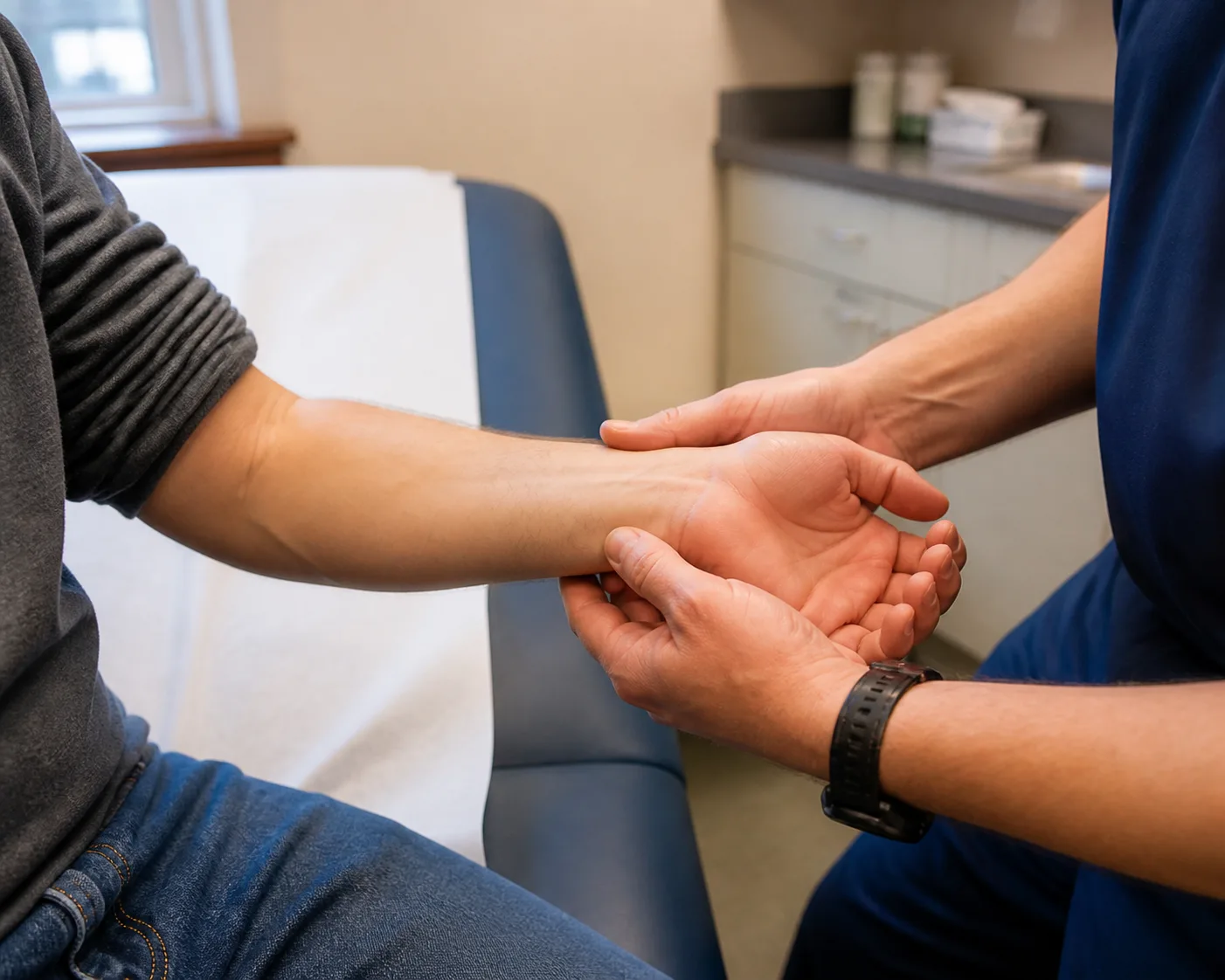
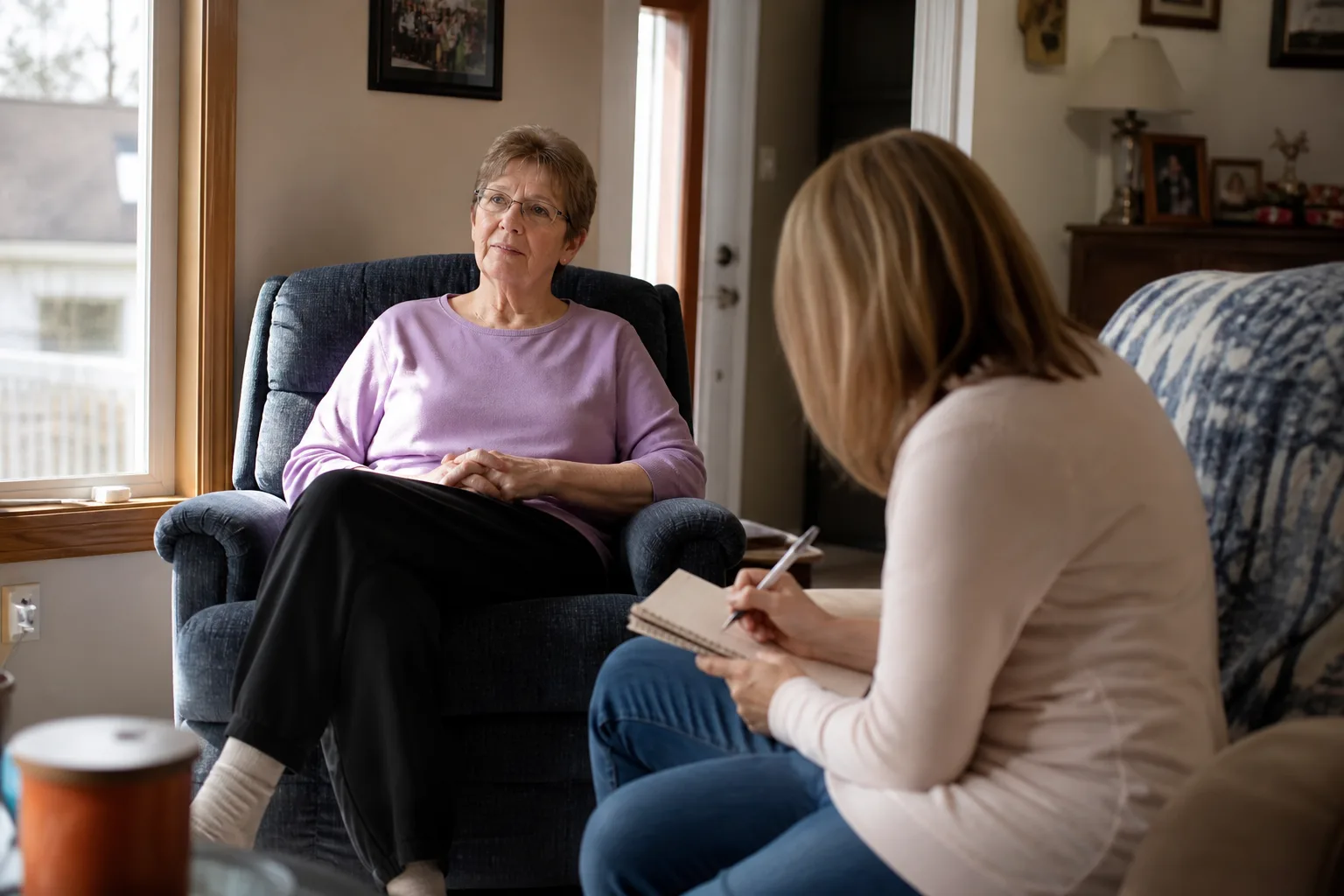
The National Institute of Arthritis and Musculoskeletal and Skin Diseases explains that a sudden fall or twist can cause an acute musculoskeletal injury. Its Sports Injuries guide[3] defines a sprain as stretching or tearing of ligaments, a strain as twisting, pulling, or tearing a muscle or tendon, and a dislocation as complete separation of the bones forming a joint. The same source identifies ankles, knees, and wrists as areas vulnerable to sprains and shoulders, elbows, fingers, kneecaps, and knees as common locations for dislocation.
Back and neck injuries
The National Library of Medicine’s Back Injuries guide[4] explains that the back includes bones, muscles, and other tissues from the neck to the pelvis. It identifies sprains and strains, herniated disks, and fractured vertebrae as common back injuries and notes that these injuries can cause pain and limit movement.
For broader information about serious spine trauma, visit the firm’s Fort Wayne spinal cord injury resource.
Shoulder, wrist, and hand injuries
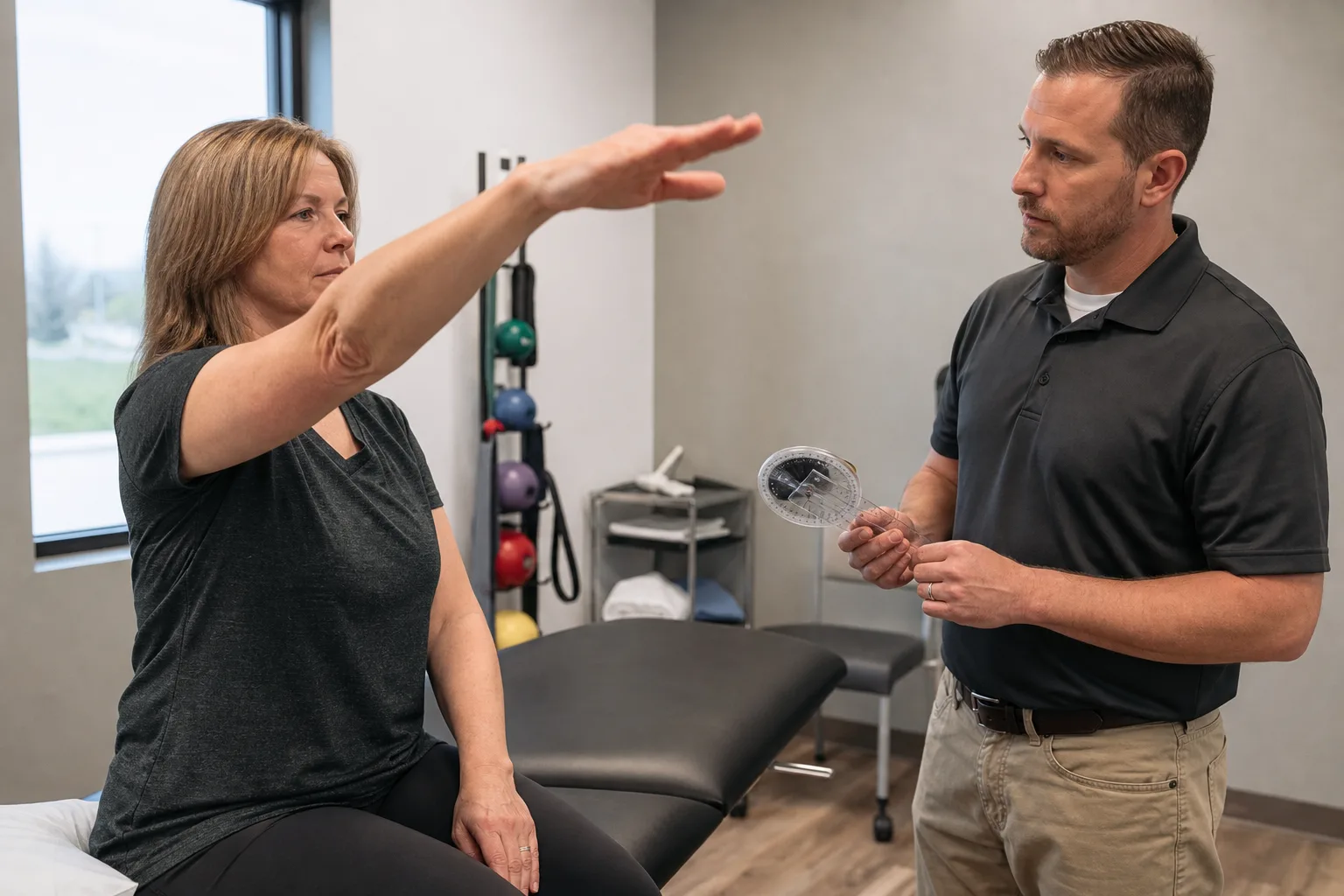
A fall may be followed by pain or loss of function in a shoulder, wrist, or hand. The appearance alone does not tell you which condition is present, so avoid choosing among them from bruising or pain alone.
Concussion danger signs
The CDC directs people to call 911 or go to an emergency department immediately after a possible mild TBI or concussion when an adult has a headache that worsens and does not go away; repeated vomiting; weakness, numbness, decreased coordination, seizures, or convulsions; slurred speech or unusual behavior; one pupil larger than the other; confusion, restlessness, or agitation; loss of consciousness; marked drowsiness; or inability to wake.
This article cannot determine what care a particular person needs.
Why older adults face added risk
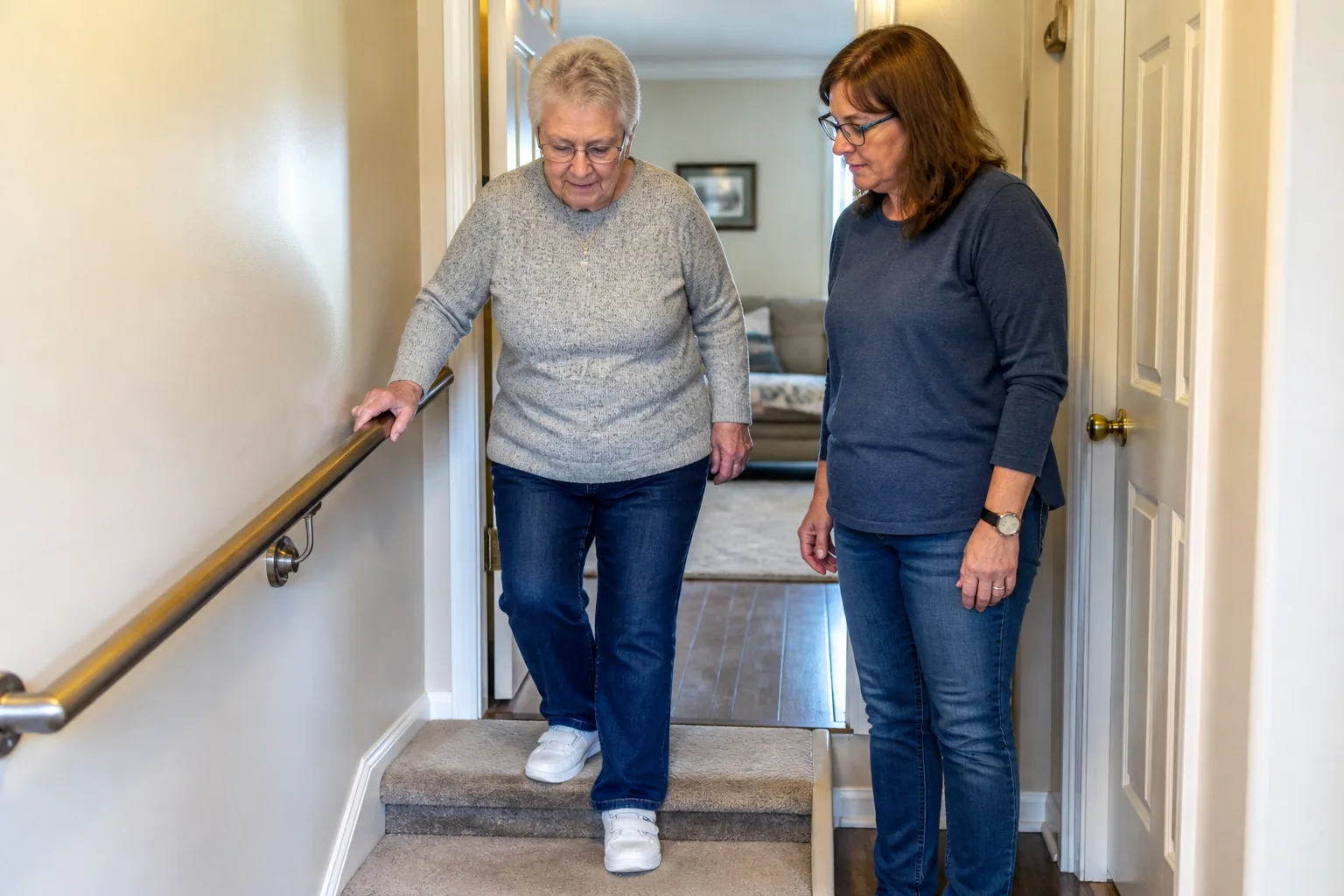
The National Library of Medicine’s Falls guide[5] says falls can be especially serious for older adults because they are more likely to fracture a bone when they fall, particularly if they have osteoporosis. It also explains that a broken hip can lead to disability and loss of independence.
The CDC reports that falls among adults age 65 and older caused more than 38,000 deaths in 2021 and were the leading cause of injury death for that group that year. The current About Older Adult Fall Prevention[6] page also reports nearly 3 million emergency-department visits for older-adult falls in 2021.
A practical documentation checklist
The following is Delventhal Law Office’s practical recordkeeping checklist, not a medical protocol or a statement that any item proves fault:
| Record | What to keep | Purpose |
|---|---|---|
| Care records | Visit summaries, imaging reports, written restrictions, bills, and receipts | Keeps dated care and expense information together |
| Daily notes | A dated factual note of how you felt and what changed | Creates a dated note for later reference |
| Incident | Your copy of any incident report and correspondence about the fall | Preserves what was reported and when |
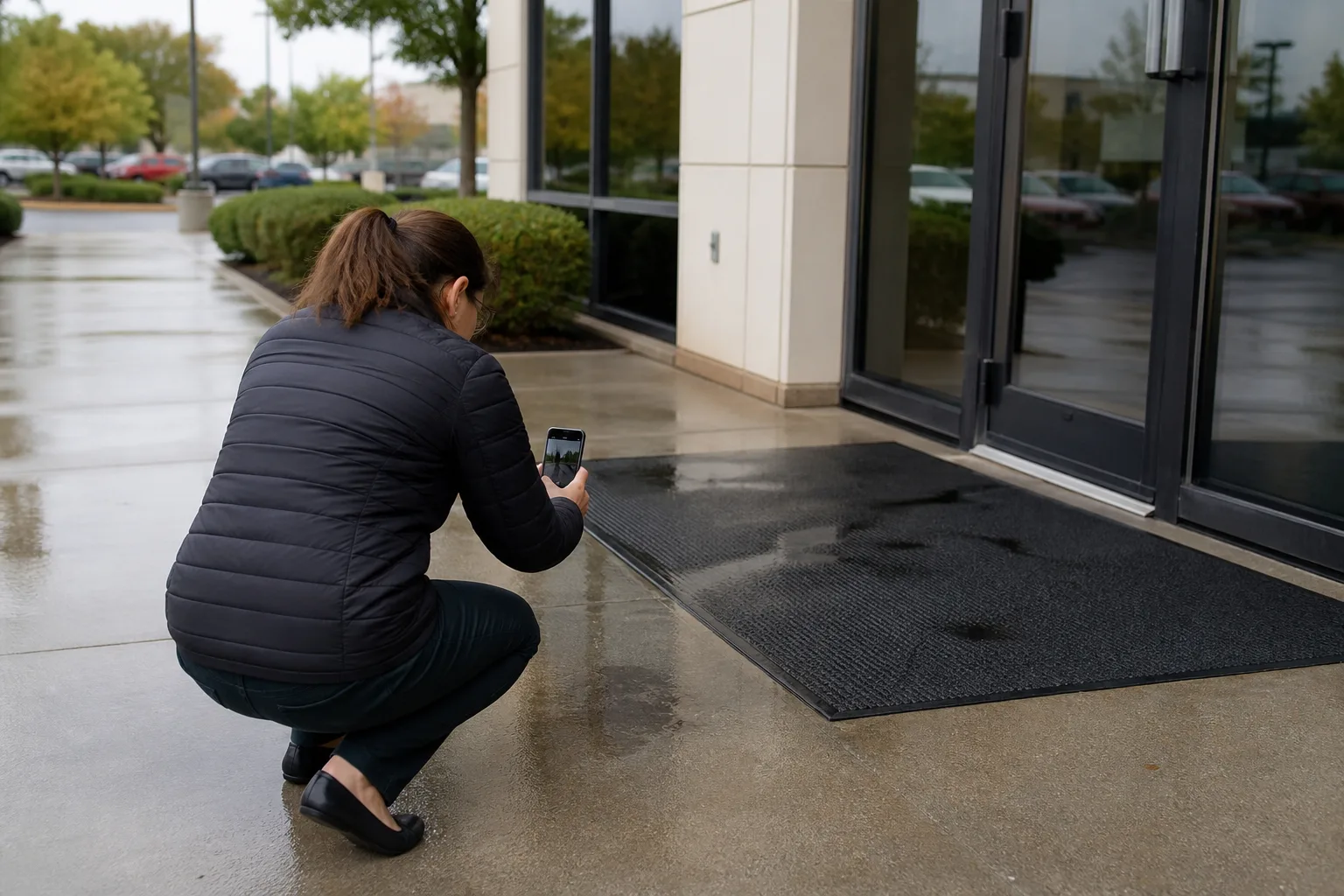
| Scene | Original photographs or video taken safely, without editing the only copy | Preserves the file and available metadata |
| People | Names and contact information for witnesses and people notified | Preserves a way to locate people who may have firsthand information |
If an item is later offered as evidence in court, Indiana Evidence Rule 901[7] generally requires evidence sufficient to support a finding that the item is what its proponent claims. Keeping original files and enough context to identify them may assist that authentication inquiry. Do not put yourself in danger or interfere with the property to collect evidence.
Medical injury versus legal responsibility
A healthcare provider determines the medical issue. The two questions require different assessments. In Isgrig v. Trustees of Indiana University[8], the Indiana Supreme Court stated that a premises-liability plaintiff must prove a duty, a breach, and damages proximately caused by the breach. The court also explained that premises duty depends primarily on who controlled the property when the incident occurred.
That analysis can be different in every case. The firm’s property-injury page provides broader context.
Frequently asked questions
What injuries can follow a slip-and-fall accident?
NIAMS identifies fractures, sprains, strains, and dislocations among musculoskeletal injury categories. MedlinePlus identifies sprains and strains, herniated disks, and fractured vertebrae as common back injuries. The CDC describes symptoms of mild TBI and concussion. The right answer for a particular person requires a medical evaluation.
Can concussion symptoms begin after the day of the fall?
Yes. The CDC says some mild TBI or concussion symptoms appear immediately while others may not appear for hours or days.
What symptoms may occur with a fracture?
MedlinePlus lists intense pain, deformity, swelling, bruising, tenderness, and trouble moving the injured part as possible fracture symptoms. It advises getting medical care right away when a fracture is suspected.
Is a property owner automatically responsible when someone is injured in a fall?
No. Under Isgrig, an Indiana premises-liability plaintiff must prove a duty, a breach, and damages proximately caused by the breach. An injury does not establish those elements by itself.
Why keep original photograph and video files?
Original files preserve available metadata and make it easier to identify what the file is. Indiana Evidence Rule 901 addresses authentication when an item is offered as evidence.
If you were injured in a fall in Fort Wayne or elsewhere in Indiana, Delventhal Law Office offers a free case evaluation to discuss the facts and the questions that may require investigation.
This article provides general information, not legal advice for a specific situation.
Sources
- Fracture health guide (medlineplus.gov) ↩
- Symptoms of Mild TBI and Concussion (cdc.gov) ↩
- Sports Injuries guide (niams.nih.gov) ↩
- Back Injuries guide (medlineplus.gov) ↩
- Falls guide (medlineplus.gov) ↩
- About Older Adult Fall Prevention (cdc.gov) ↩
- Indiana Evidence Rule 901 (rules.incourts.gov) ↩
- Isgrig v. Trustees of Indiana University (public.courts.in.gov) ↩