
Key takeaways
- A claimed blackout, heart attack, seizure, or other incapacity does not decide an Indiana crash claim by itself.
- Denson focuses on whether the driver’s incapacity was reasonably foreseeable before the loss of control.
- Earlier symptoms, episodes, warnings, and the timeline immediately before the crash can matter, but no single fact automatically establishes negligence.
- Indiana civil discovery reaches relevant, nonprivileged information and permits courts to limit discovery or enter protective orders.
- For an Indiana workers’ compensation claim, the statutory filing rule includes an alternative period measured from the last compensation paid; deadlines should be checked against the specific record.
How Indiana treats a claimed sudden medical emergency
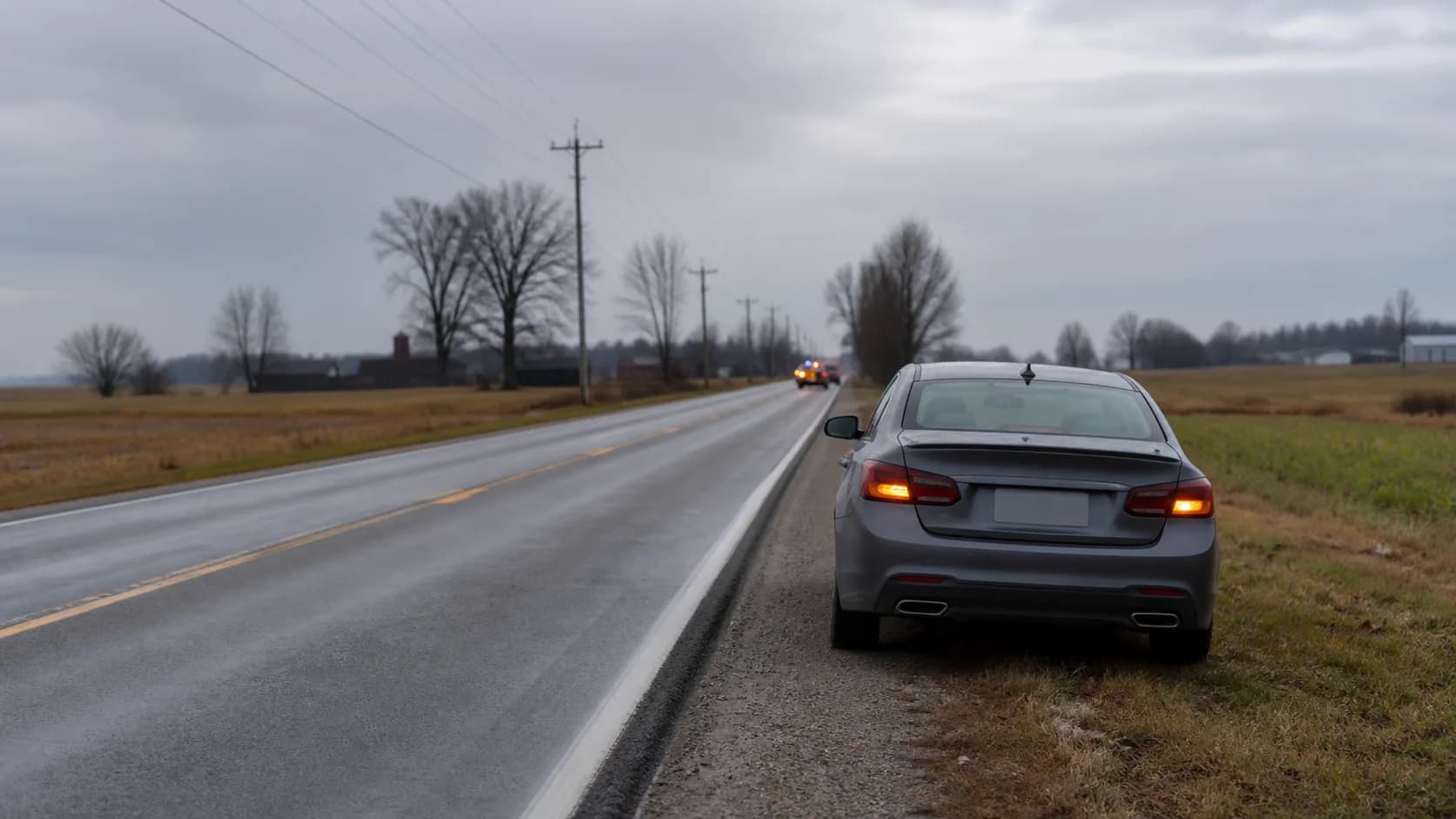
In the published Indiana Court of Appeals opinion Denson v. Estate of Dillard[1], a driver suffered a heart attack, lost consciousness, and left the roadway. The court explained that an unconscious person cannot act reasonably or unreasonably after losing consciousness. The breach question therefore turned on whether the sudden physical incapacity was reasonably foreseeable before the driver became unconscious.
The court affirmed summary judgment for the driver’s estate under the narrow evidence in that case. The record showed no symptoms before the decision to drive and no driving restriction or warning from trained medical personnel. The opinion also explained that evidence of an increased risk of a future cardiac event was different from evidence that the driver knew or had reason to believe an attack was imminent and that he should not drive.
That fact-specific holding does not make “medical emergency” an automatic defense. It directs attention to the driver’s knowledge, warnings, symptoms, and conduct before the incapacity.
What facts can bear on foreseeability?
The useful question is not simply whether the driver had a diagnosis. It is what the available evidence shows about the risk of incapacity before the crash. Depending on the facts, investigators may examine:
- symptoms before departure or while driving;
- earlier fainting, seizure, or loss-of-consciousness episodes;
- medical warnings or driving restrictions actually communicated to the driver;
- witness descriptions of the driver and vehicle before impact; and
- other explanations for the vehicle’s movement, including distraction or a mechanical problem.
These are evidence questions, not a checklist that predetermines fault. Denson requires the complete circumstances to be considered rather than treating a medical history alone as proof of foreseeability.
Avoid diagnosing the other driver
The CDC distinguishes cardiac arrest from a heart attack[2] and explains that cardiac arrest can cause sudden collapse and loss of consciousness. An injured person should not guess at the driver’s condition from a crash report or a brief observation. The legal analysis needs reliable evidence about what occurred and when.
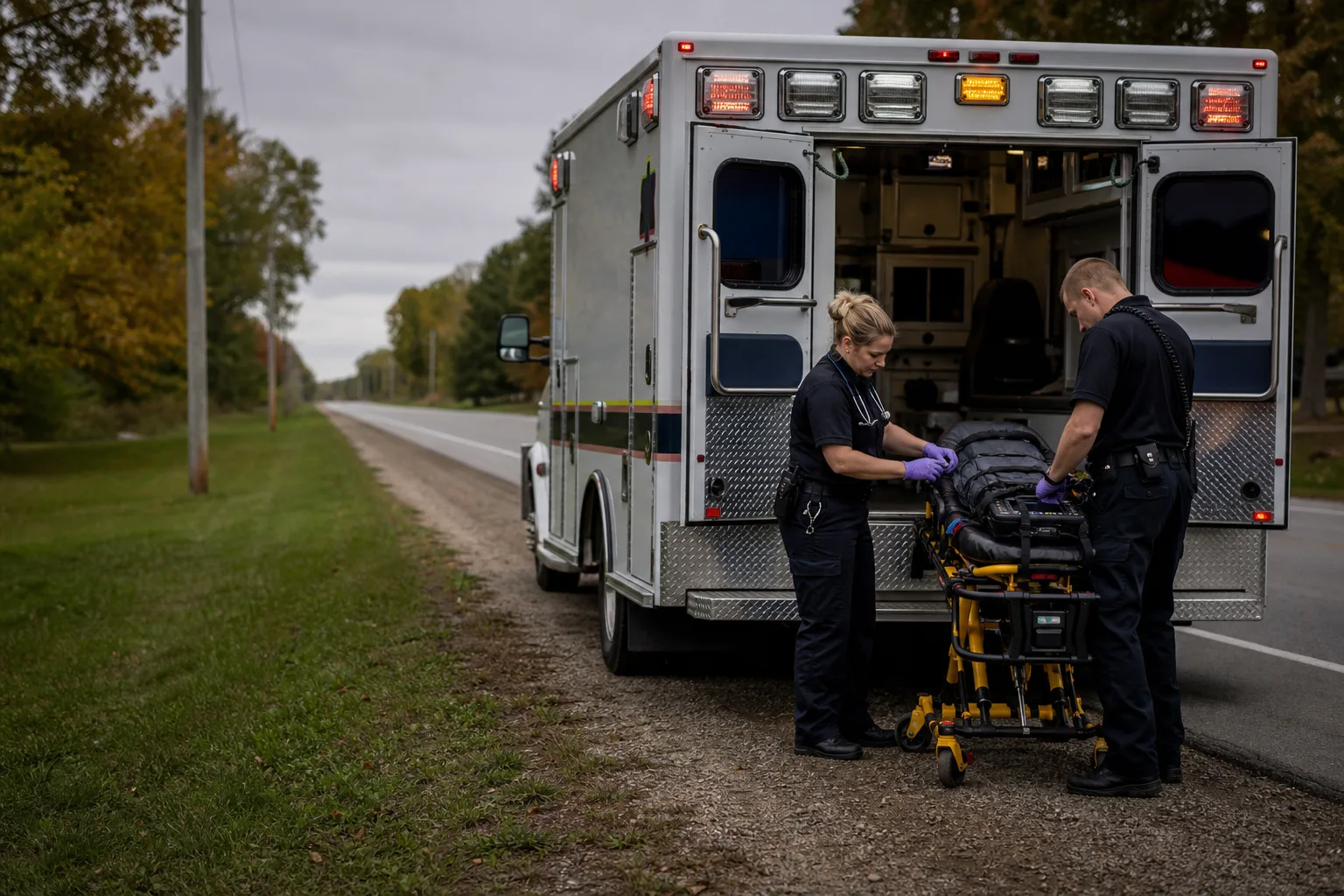
Evidence that may clarify what happened
| Record | Question it may help answer |
|---|---|
| 911 audio and dispatch records | What witnesses reported and when |
| Police photographs, video, and witness names | How the vehicle moved before impact |
| Ambulance and emergency records | What responders observed after the crash |
| Vehicle data and available video | Braking, steering, speed, and possible competing explanations |
| Relevant medical records obtained through lawful process | Whether symptoms, prior events, or warnings relate to the claimed incapacity |
| Work route, dispatch, and time records | Whether the injured person was performing work duties |
In Indiana civil litigation, Trial Rule 26 allows discovery[3] of nonprivileged information relevant to a claim or defense. It also permits a court to limit cumulative or disproportionate discovery and, for good cause, issue a protective order. A request for another driver’s medical information therefore must be handled through lawful procedures and may be narrowed, opposed, or protected; an injured person should not seek private records directly from providers or relatives.
For a broader checklist, see evidence that may help prove an Indiana car-accident claim.
What if the injured person was working?
Indiana’s Worker’s Compensation Board explains that the system may provide medical, rehabilitation, and income benefits to an employee injured while working. A compensation claim is distinct from proving that another driver breached a duty of care.
Indiana Code § 22-3-2-13[4] addresses an employee’s claim against a legally liable third person for the same injury. The statute also contains reimbursement, notice, consent, and settlement provisions that can connect the third-party matter to workers’ compensation benefits. Related articles discuss work-vehicle crashes in Indiana and a claim involving someone outside the workplace after an injury on the job.
Indiana Code § 22-3-3-3 generally bars a compensation claim[5] unless an Application for Adjustment of Claim is filed within two years after the accident, or, when compensation has been paid, within two years after the last compensation was paid. Statutory exceptions and other notice or filing rules may affect a particular matter, so this general description should not be used to calculate a personal deadline without reviewing the complete claim history.
The Board also tells employees to report a workplace accident to the employer immediately. Reporting and filing an Application for Adjustment of Claim are separate steps. Learn more about Indiana workers’ compensation matters.

Practical next steps after the crash
- Call 911 and seek appropriate medical attention for your own injuries.
- If the crash occurred while you were working, report it to your employer promptly and save the report.
- Keep photographs, witness information, the police incident number, and work-dispatch records.
- Do not contact the other driver’s doctors, pharmacy, or family for private records.
- Use different folders for each set of papers.
- Note what you personally heard about the driver’s condition or timing, identifying who said it and when, without adding assumptions.
The CDC lists emergency danger signs after a possible head injury[6], including a worsening headache, repeated vomiting, seizures, increasing confusion, slurred speech, unequal pupils, and loss of consciousness. Call 911 or obtain emergency care when danger signs are present.
Frequently asked questions
Does saying “I blacked out” automatically excuse the driver?
No. Under Denson, the evidence must address whether the incapacity was reasonably foreseeable and whether the driver acted unreasonably before losing consciousness.
Does a prior medical condition automatically establish negligence?
No. Denson distinguishes a general increased medical risk from evidence that the driver knew or had reason to know an incapacitating event was imminent or that driving was unsafe.
Can an injured person obtain the driver’s medical records?
Potentially relevant, nonprivileged information may be sought through Indiana civil discovery. Trial Rule 26 permits objections, limits on scope, and protective orders, so access depends on the issues, requests, and court rulings in the case.
Can workers’ compensation apply when third-party fault is disputed?
Potentially. The Board describes workers’ compensation benefits for employees injured while working. Indiana Code § 22-3-2-13[4] separately addresses an employee’s claim against a legally liable third person.
Can both workers’ compensation and a third-party claim exist?
Yes, when the statutory requirements are met. Indiana Code § 22-3-2-13[4] permits a claim against a legally liable third person and contains provisions coordinating that recovery with workers’ compensation.

If you were injured in an Indiana crash and need help understanding the issues that may apply, you may request a free consultation.
This article provides general information, not legal advice. Reading it by itself does not establish a professional relationship with Delventhal Law Office.
Sources
- Denson v. Estate of Dillard (public.courts.in.gov) ↩
- CDC distinguishes cardiac arrest from a heart attack (cdc.gov) ↩
- Trial Rule 26 allows discovery (rules.incourts.gov) ↩
- Indiana Code § 22-3-2-13 (iga.in.gov) ↩
- Indiana Code § 22-3-3-3 generally bars a compensation claim (iga.in.gov) ↩
- CDC lists emergency danger signs after a possible head injury (cdc.gov) ↩