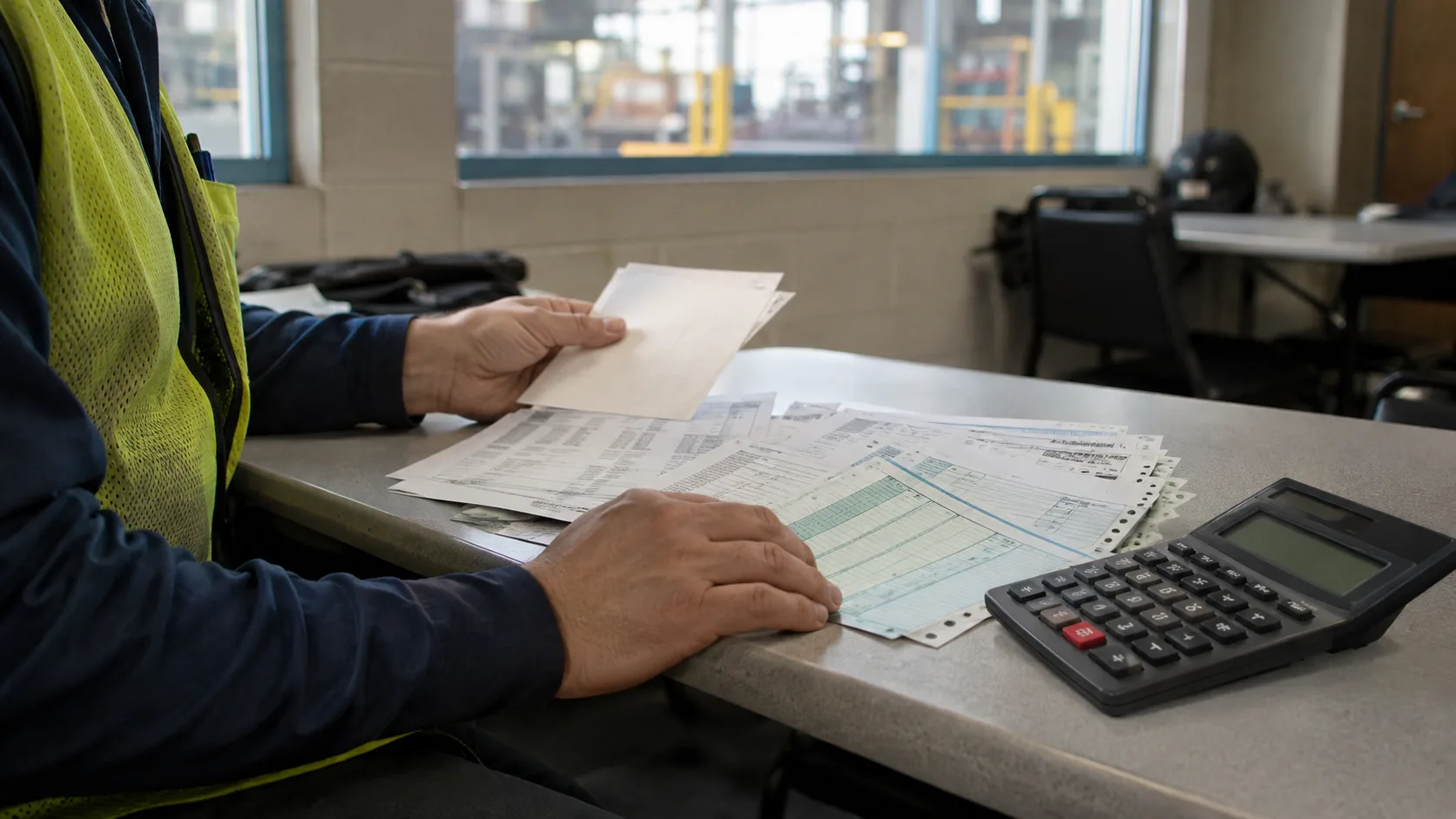
AWW matters because Indiana temporary total disability benefits are generally two-thirds of AWW, subject to the statutory maximum tied to the injury date. The correct wage history can therefore change the weekly benefit calculation.
Key takeaways
- Indiana Code § 22-3-6-1(d)[1] generally starts with earnings in the employment where the employee was working when injured during the preceding 52 weeks.
- The statute supplies different methods for specified lost time, employment lasting less than 52 weeks, and situations in which the ordinary calculation is impracticable.
- The statute uses actual earnings rather than only a base hourly rate. A State Personnel Department handbook also says overtime is included for employees covered by that State program, but the handbook is not the statewide controlling rule for every Indiana worker.
- Garwood[2] included two bonuses already awarded during the relevant 52-week period, even though they were discretionary and based on company profitability.
- LeFort v. Miller’s Merry Manor, Inc.[3] explains that wages from concurrent jobs are combined when the employments are similar—the same grade or kind of work. It affirmed excluding wages from dissimilar jobs.
Why average weekly wage matters
Indiana Code § 22-3-3-8[4] sets temporary total disability compensation at 66⅔% of AWW during the disability period. Indiana Code § 22-3-3-22[5] supplies injury-date maximums and minimums. Delventhal Law Office’s broader guide explains Indiana AWW calculations.
Under § 22-3-6-1(d), the ordinary calculation uses the worker’s earnings in the injury employment during the 52 weeks immediately before the injury and divides by 52. The statute then addresses qualifying lost time, shorter employment, and cases in which that method is impracticable.
How overtime affects Indiana AWW
Indiana’s definition looks to earnings during the statutory wage period, so the review should use actual gross earnings paid by the injury employer rather than assume that base hourly pay multiplied by 40 is the whole calculation. That can include overtime dollars actually paid during the period.
The Indiana State Personnel Department’s State Worker’s Compensation Program Handbook[6] expressly describes AWW for employees covered by that State program as including overtime and other adjustments considered income. That handbook is useful confirmation of how the State program describes overtime, but it is not a substitute for the statute or controlling appellate authority in a private-sector claim.
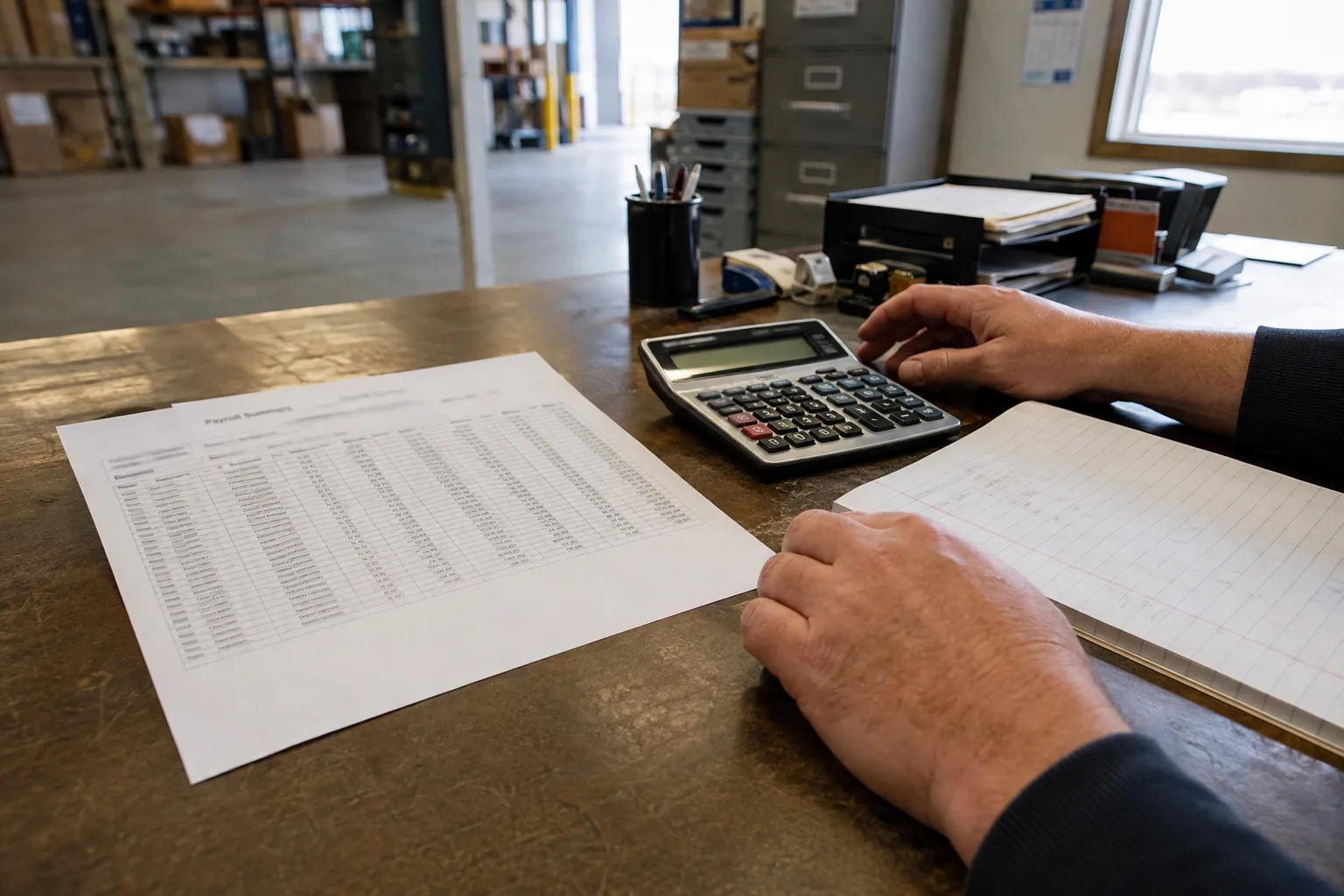
Compare the employer’s wage statement with pay stubs, payroll summaries, and time records covering the statutory period. Separate the dollars actually paid from estimates of overtime the employee might have worked in the future.

How bonuses affect Indiana AWW
In Midwest Equipment & Supply Co. v. Garwood[2], the Indiana Court of Appeals held that two bonuses already awarded during the relevant 52-week period were earnings included in AWW. The bonuses were discretionary and based on company profitability, but the court concluded the Act did not exclude them from earnings on those grounds.
Garwood did not decide that every anticipated or possible future bonus belongs in AWW. Its holding concerns bonuses already awarded during the statutory wage period. The award date, payroll treatment, and wage-period records therefore matter.
How multiple jobs affect Indiana AWW
Indiana does not automatically include every second-job paycheck, and it does not automatically exclude every concurrent wage. In LeFort v. Miller’s Merry Manor, Inc., 572 N.E.2d 1330, 1331–32 (Ind. Ct. App. 1991)[3], the court said Indiana follows the rule that earnings from concurrent employments are combined if the employments are similar. It relied on Sprout & Davis, Inc. v. Toren, 78 N.E.2d 437, 440 (Ind. Ct. App. 1948)[7], which included total earnings under concurrent contracts when the worker performed the same grade or kind of work for different employers.
LeFort rejected the argument that all “unskilled” positions are the same grade of work. It affirmed the Board’s use of only the nurse’s-aide wages where the employee’s other jobs—as a production worker and shoe salesperson—were dissimilar. The comparison therefore centers on the actual kind of work, not simply a shared label such as part-time, hourly, or unskilled.
Preserve wage records from each employer and information showing the actual duties, trade, classification, and dates of concurrent work. Those facts allow the similar-work rule to be applied to the jobs that existed when the injury occurred.

A practical AWW review
| Pay issue | Records to compare | Focused question |
|---|---|---|
| Regular earnings | Employer wage statement, pay stubs, payroll ledger | Does the history cover the correct pre-injury period? |
| Overtime | Time records and overtime totals | Does the gross-earnings total include overtime actually paid? |
| Bonuses | Bonus notice, pay statement, payroll deposit | Was the bonus already awarded during the wage period? |
| Concurrent job | Other employer’s payroll and duty description | Was the other job concurrent and the same grade or kind of work? |
| Lost time | Attendance and leave records | Did the worker lose seven or more calendar days during the period? |
Under § 22-3-6-1(d)(1)[1], when a worker lost seven or more calendar days during the 52-week period, the calculation divides the remaining earnings by the weeks and parts of weeks left after the lost time is deducted. Under § 22-3-6-1(d)(2), when the employment lasted less than 52 weeks, the statute generally divides earnings by the weeks and parts of weeks during which the employee earned wages, provided the result is just and fair to both parties.
The Fort Wayne workers’ compensation guide explains the broader claim process.

What if the AWW calculation is disputed?
- Request the wage statement or worksheet used for the calculation.
- Compare it with gross-pay records for the statutory period.
- Identify any omitted overtime or bonus by pay date and amount.
- For concurrent employment, identify the jobs’ actual duties and whether the work overlapped in time.
- Keep the request for correction and the response.
The Worker’s Compensation Board’s employee guidance[8] says its ombudsman division may help explore informal dispute-resolution options and that an employee may file an Application for Adjustment of Claim to seek formal adjudication. Delventhal Law Office also explains the Board’s Request for Assistance process and options when a workers’ compensation adjuster is not responding.

Frequently Asked Questions
Does overtime count toward Indiana average weekly wage?
The statute uses earnings during the relevant wage period, not merely the base hourly rate. Overtime dollars actually paid by the injury employer may therefore be part of the gross earnings used in the calculation. The State Personnel Department handbook expressly includes overtime for employees covered by that State program, but that handbook is not the controlling statewide authority for every worker.
Do bonuses count toward Indiana average weekly wage?
In Garwood, two discretionary, company-profit bonuses already awarded during the relevant 52-week period were included as earnings. The opinion does not decide whether a merely anticipated future bonus must be counted.
Does income from a second job count?
It may when the employment is concurrent and the jobs involve the same grade or kind of work. LeFort affirmed excluding wages from jobs that were dissimilar and explained that simply calling several positions “unskilled” did not make them similar.
What if I worked for the employer for less than a year?
Section 22-3-6-1(d)(2) generally uses earnings from the shorter period divided by the weeks and parts of weeks in which wages were earned, if that result is just and fair to both parties.
Which records help check an AWW calculation?
Useful records include the employer’s wage statement, pay stubs, payroll ledgers, overtime and bonus entries, time records, attendance records, and—when concurrent employment is involved—payroll and duty information from each employer.
Talk with an Indiana workers’ compensation attorney
If a wage calculation omits paid overtime, an awarded bonus, or wages from genuinely similar concurrent work, Delventhal Law Office can review the records, explain the Indiana rules that may apply, and help you decide whether to request a correction. You may contact the firm for a no-obligation consultation.
This article provides general information about Indiana law, not legal advice. Contacting the firm does not guarantee that the firm will agree to represent you. Representation begins only through an agreement confirmed by the firm, subject to applicable law and professional duties.
Sources
- Indiana Code § 22-3-6-1(d) (iga.in.gov) ↩
- Garwood (public.courts.in.gov) ↩
- LeFort v. Miller’s Merry Manor, Inc. (case-law.vlex.com) ↩
- Indiana Code § 22-3-3-8 (iga.in.gov) ↩
- Indiana Code § 22-3-3-22 (iga.in.gov) ↩
- State Worker’s Compensation Program Handbook (in.gov) ↩
- Sprout & Davis, Inc. v. Toren, 78 N.E.2d 437, 440 (Ind. Ct. App. 1948) (case-law.vlex.com) ↩
- employee guidance (in.gov) ↩