
The Indiana Worker’s Compensation Board’s discovery statement[1] says formal discovery may be used by counsel, if necessary, after an Application for Adjustment of Claim has been filed. Trial Rule 34(A)[2] identifies photographs, recordings, images, and electronically stored information as subjects of production requests. These authorities concern exchanging information in a case; they do not establish a blanket right to use every surveillance method.
This guide addresses disputed video and discovery—not how often workers are watched or whether a particular recording was lawfully made. For the broader claim process, start with our Indiana workers’ compensation guide.
Key takeaways
- Separate the existence of a recording from the question of what it proves.
- Ask counsel what footage, reports, or related information can be requested; do not assume everything must be handed over.
- Keep your account factual: what happened, when, and what you know firsthand.
- Bring claim letters and the records you already have to a discussion with your lawyer.
- Direct questions about activity restrictions to your medical provider, not to a suspected observer.
Keep three surveillance questions separate
When someone mentions surveillance, first ask which issue is actually being discussed:
- Collection: Who made the recording, where, and by what method?
- Disclosure: What material has been requested or supplied, and what objections have been raised?
- Meaning: What does the recording show, and what conclusion is someone drawing from it?
A statement that “there is video” does not answer all three questions. If you are concerned about how someone obtained a recording, give counsel the specific facts instead of assuming that a discovery rule settles that question.
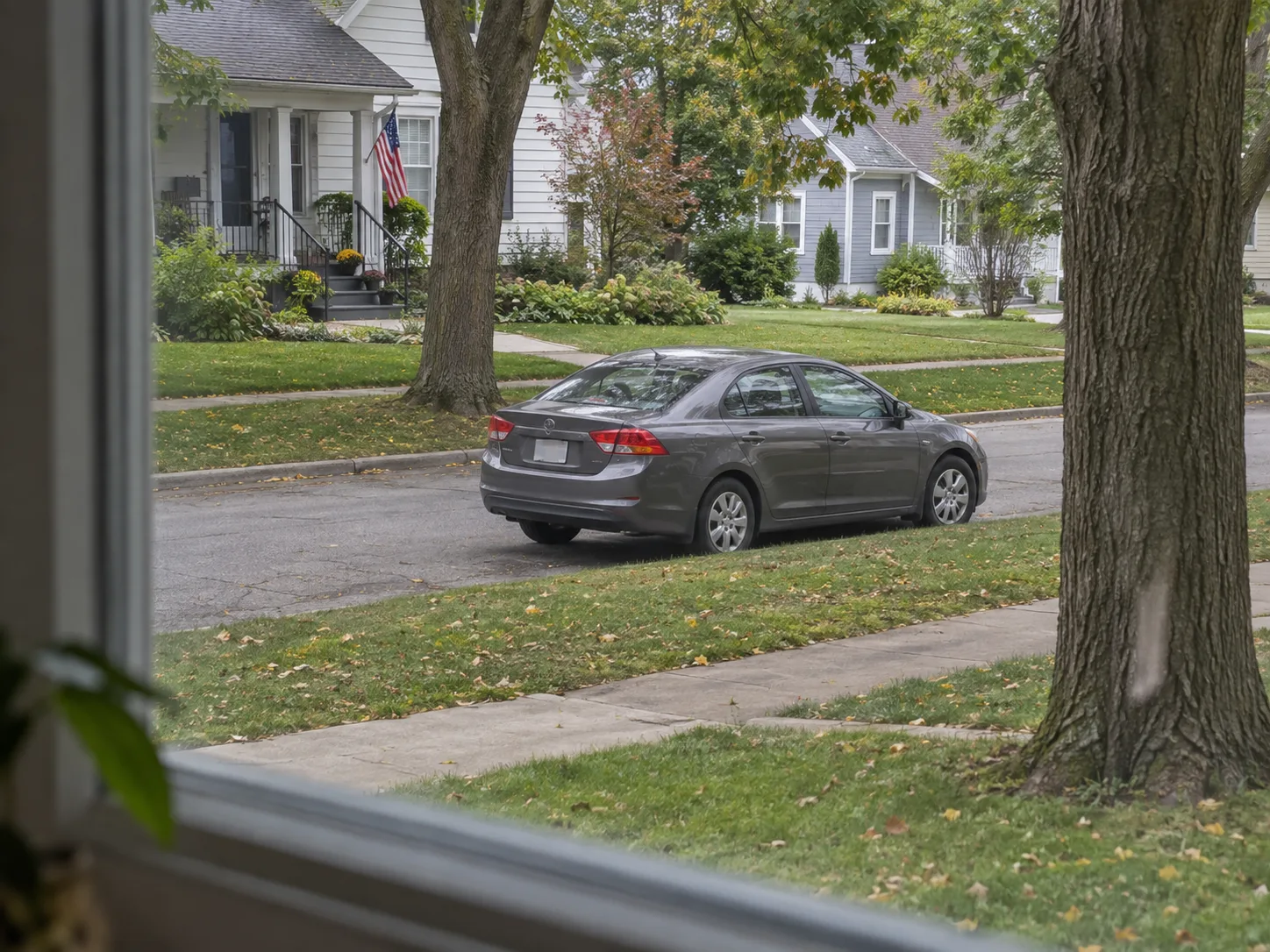
If you notice an unfamiliar vehicle or person, avoid confrontation. From a safe place, make a factual note of the date, time, location, and conduct you observed. An unfamiliar car alone does not tell you who its occupant is or why the person is there.
Can you obtain the complete surveillance recording?
Ask what can be requested; do not assume automatic access. Indiana Trial Rule 26(B)(1)[3] permits discovery of relevant, nonprivileged matters. Rule 26(B)(3) separately addresses documents and tangible things prepared in anticipation of litigation or for trial by or for another party or its representative, including an insurer or agent.
For material covered by Rule 26(B)(3), the requesting party generally must show a substantial need for it to prepare the case and an inability, without undue hardship, to obtain its substantial equivalent by other means. The rule also protects mental impressions, conclusions, opinions, and legal theories when production is ordered. It contains a separate provision for a person’s own prior statement as the rule defines that term; that is not a blanket exception for every investigator’s file.
Discuss any request for more material with your lawyer. Ask your lawyer whether to request recordings, dates, reports, or related material, what protection is being claimed, and what response is appropriate in your case. This article does not classify a particular recording as protected or discoverable.
The Board’s discovery statement urges parties to avoid irrelevant or unduly burdensome requests and to discuss discovery disputes before asking the Board for a protective order. Rule 26(C) likewise provides for protective orders for good cause.

How to review a recording without guessing
Practical preparation: Use the following questions to organize a conversation with counsel. They are not a medical test, an automatic objection, or a promise that additional material will be produced.
- Is the person in the recording correctly identified?
- What date and time are shown, and is that information confirmed?
- Are you viewing one excerpt, several separate clips, or a continuous sequence?
- What happened before and after the activity shown?
- What can you describe from your own memory, and what would require checking a record?
- Which written activity instructions were in place on that date?
- Does the description of the recording match the activity you can actually see?
For example, a hypothetical clip might show someone carrying a bag from a car. Useful questions include what the bag contained, how long the activity lasted, and whether anyone assisted. Do not invent an explanation or assume the answers. Tell your lawyer what you know and what you do not know.
For questions about what activity is appropriate for you, ask your provider to clarify your instructions. Our light-duty and work-restrictions guide addresses the separate work-status issue.
A practical response checklist
| Situation | Useful next step | Bring to the discussion |
|---|---|---|
| You suspect observation | Stay safe and avoid confrontation or speculation. | A dated factual note of what you observed. |
| A letter mentions video | Ask counsel what material can be requested and what the letter asks you to do. | The complete letter and attachments. |
| You are shown an excerpt | Separate what is visible from assumptions about the missing context. | The version supplied and your factual timeline. |
| An instruction is unclear | Ask the provider to clarify it. | The dated work-status note and your question. |
| You receive a formal request | Arrange prompt review of the request, objections, and response requirements. | The request, attachments, and information about when it arrived. |
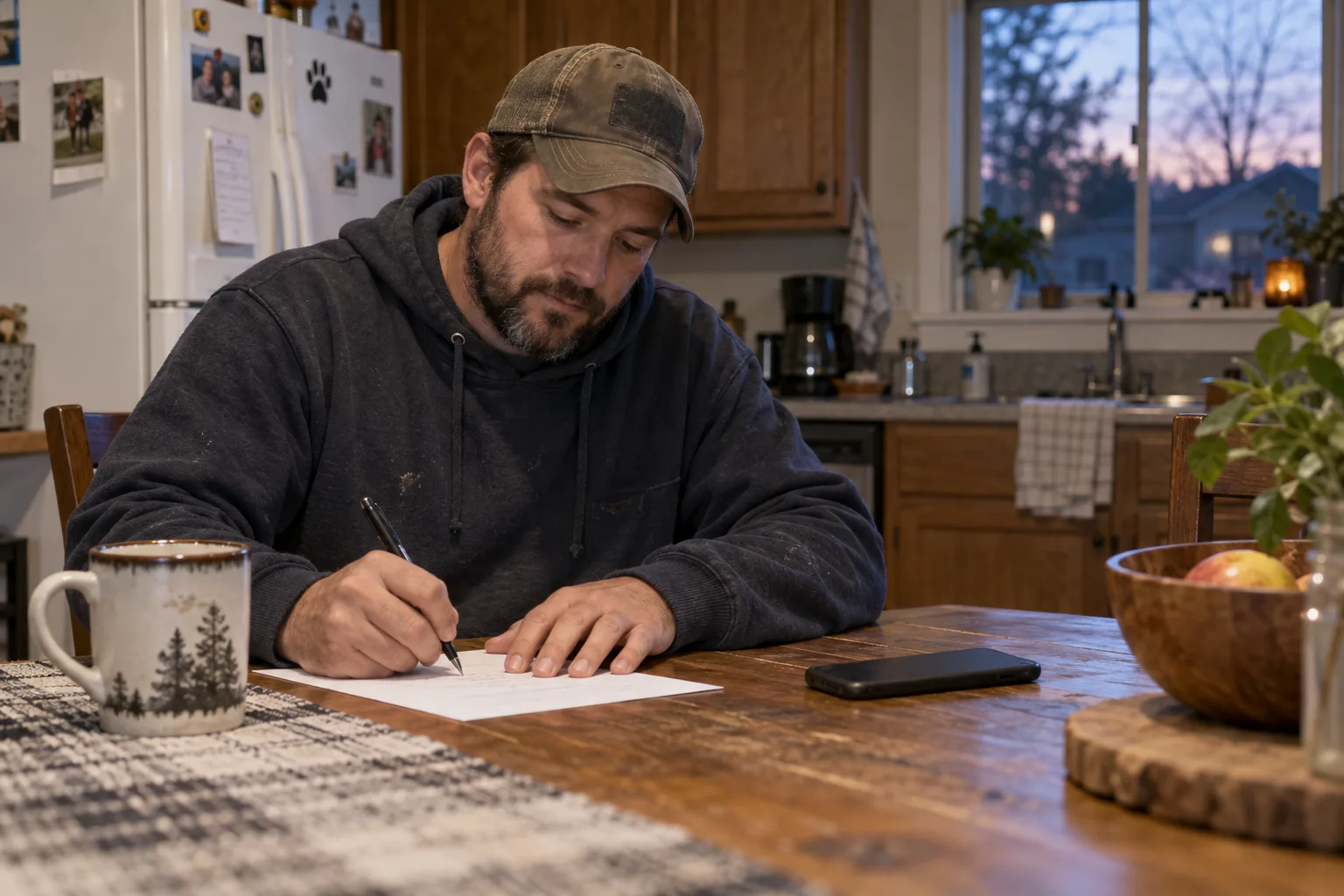
Do not stage an activity for a camera or change your description to match what you think someone wants to hear. Be accurate about your daily activities. For a broader filing system, see records an injured Indiana worker can organize.
What about social media and phone content?
Rule 34(A) includes electronically stored information, photographs, sound recordings, and images. Rule 26(B)(1) limits discovery to relevant, nonprivileged matters and requires limits on discovery that is unreasonably cumulative or duplicative or whose burden or expense outweighs its likely benefit. A request for online material therefore calls for review of its actual scope, not an assumption that the entire account must be supplied.
Before making changes to an account or responding to a request, ask counsel which material should be retained, how to handle existing files, and what to do about privacy settings. If something has already been changed or deleted, explain what happened. This is a recommendation to obtain case-specific advice, not a statement that every post is subject to the same preservation requirement.
When preparing an explanation, distinguish the date a photograph was taken from the date it was posted if you know both. If you do not know, say so. Our social-media and injury-claim guide discusses the broader topic.
What happens if the claim becomes disputed?
The Board’s Disputed Claims page[4] explains that unresolved issues are assigned to a Single Hearing Member after an Application for Adjustment of Claim is filed. Each party presents evidence at the hearing, and the hearing member issues an award with findings of fact and conclusions of law.
The same page describes the injured worker’s burden of proving an accidental injury occurred in the course and scope of employment to recover benefits. It also emphasizes the importance of medical evidence. That is a description of the claim process, not a ruling on the weight of any particular video.
The Board’s informal-dispute process[5] starts with a Request for Assistance. The Board explains that its case coordinators can inquire into the dispute and attempt a resolution; if the response is unfavorable and the requesting party wishes to challenge it, the formal hearing process is the legal remedy.
If you receive a notice about stopping or changing payments, arrange prompt advice about that notice and the applicable response requirements. Do not use this surveillance guide to decide whether a payment change is valid or how long you have to respond.
Frequently Asked Questions
Do Indiana discovery rules authorize every surveillance method?
No. The cited rules address requesting and exchanging case information. They do not themselves establish a blanket right to use every recording method. Ask counsel to review how a specific recording was obtained.
Do I automatically get the investigator’s complete file?
No automatic entitlement to the entire file follows from the rules discussed here. Rule 26(B)(3) protects qualifying trial-preparation material subject to its conditions and exceptions. Ask counsel what can be requested and whether a protection claim can be challenged.
Can a request include online photos or messages?
Rule 34(A) includes electronically stored information and images among the materials that can be requested. Relevance, privilege, applicable protections, and the wording of the request still matter under Rule 26. Have the actual request reviewed.
What if a clip leaves out important context?
Write down the facts you know, identify which version you were shown, and ask counsel whether additional material can be sought. Keep guesses separate from firsthand knowledge. The article does not promise that every missing item will be available.
Should I change my activities because I suspect a camera?
Direct questions about your activities to your medical provider and questions about the claim to your lawyer. Do not stage conduct or guess what is medically appropriate based on whether someone might be watching.
Preparing for a workers’ compensation consultation
If disputed footage has left you unsure what comes next, bring the claim correspondence, any recording already provided, and the dated records you have to a free consultation with Delventhal Law Office. We can discuss your situation and whether the firm can assist. You do not need to identify a suspected observer or obtain an entire investigative file before asking for help.
This article is general information about Indiana law and is not legal advice. Reading it does not create an attorney-client relationship, and neither does contacting us.