What Happened
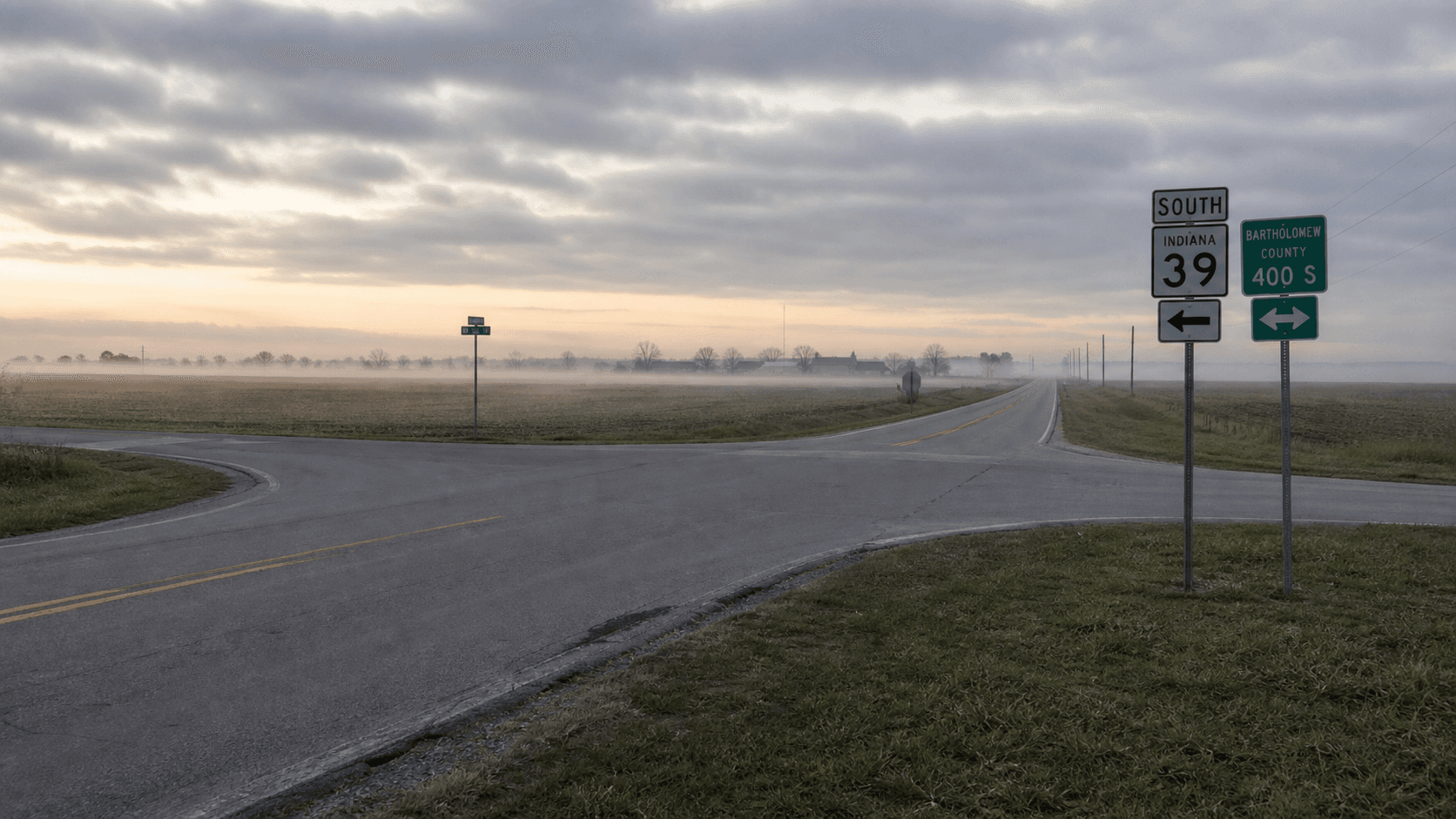
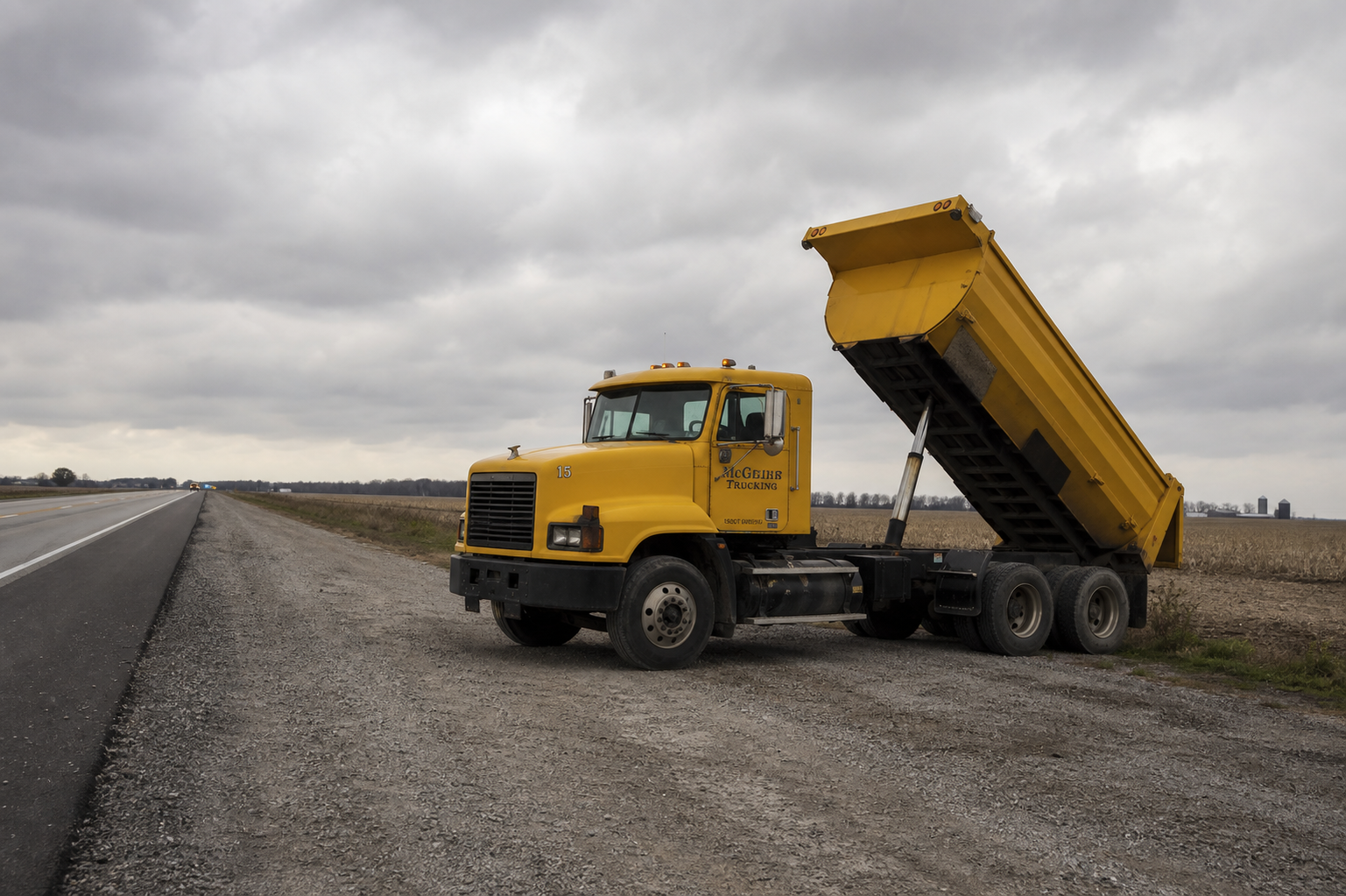
One person was killed in a crash at the intersection of State Road 1 and County Road 400 South in southwest Jay County, Indiana, on the morning of Tuesday, July 14, 2026. WPTA / 21Alive News[1], citing an Indiana State Police release, reported that the collision occurred at approximately 6:00 a.m. According to that report, a van traveling eastbound on County Road 400 South failed to yield at the intersection and struck a dump truck traveling northbound on State Road 1. One person died. As of the initial reporting, Indiana State Police had not yet publicly identified the drivers, and the agency said the investigation is ongoing.
This post is general Indiana legal information framed by the publicly reported facts above. It is not a comment on the conduct of any party, an opinion on civil or criminal liability, or legal advice on any particular claim. Early reporting is preliminary, and the facts may change as the investigation continues. This post will be updated as party identification, the official crash report, and additional facts become part of the public record.
What Families and Survivors Should Do Next
When a crash takes a life, the people left behind are grieving, not thinking about legal deadlines. The steps below are offered so that families understand that certain early actions can preserve both what can be learned about a crash and what coverage may eventually be available. None of this requires making any immediate decision.
Obtain the official crash report. In Indiana, crash reports generally become available through the State's BuyCrash portal once the investigating agency uploads them. Where a report does not become available through routine channels, a formal request under the Indiana Access to Public Records Act (Indiana Code 5-14-3[2]) is the standard mechanism. Here, Indiana State Police is the investigating agency, and its findings will be central to understanding exactly how the two vehicles came together at this intersection.
Help preserve evidence before it disappears. At a rural state-road intersection like State Road 1 and County Road 400 South, the physical evidence at the scene (including the resting positions of the vehicles, debris, gouge marks, yaw marks, and the roadway surface itself) is often cleared within hours. In a crash involving a commercial vehicle such as a dump truck, additional evidence can matter a great deal: the truck itself, any onboard or electronic data, and the operating company's maintenance and employment records. Early preservation of that information can be critical before records are lost or overwritten.
Identify every insurance policy that might apply. A crash involving a commercial vehicle can implicate more than one source of recovery: the drivers' personal auto liability coverage; any commercial or business auto policy covering the dump truck and its operation; and uninsured/underinsured motorist (UM/UIM) coverage on a policy available to an injured person or a person who was killed. Each policy carries its own notice and cooperation requirements, which is one reason it helps to identify all coverage early.
Be aware of Indiana's legal deadlines. Indiana's statutes generally allow two years from the date of a personal injury or death to bring a claim, which for a July 14, 2026 crash runs to approximately July 14, 2028. Separately, if any government entity or government-owned vehicle turns out to be involved, the Indiana Tort Claims Act requires a formal notice of claim on a much shorter timeline, often 180 days. Determining who owned and operated the dump truck is one of the first things worth resolving. If your family has lost someone, a wrongful death attorney can walk you through how these deadlines apply to your specific situation.
Why Location Matters in Indiana Injury Claims
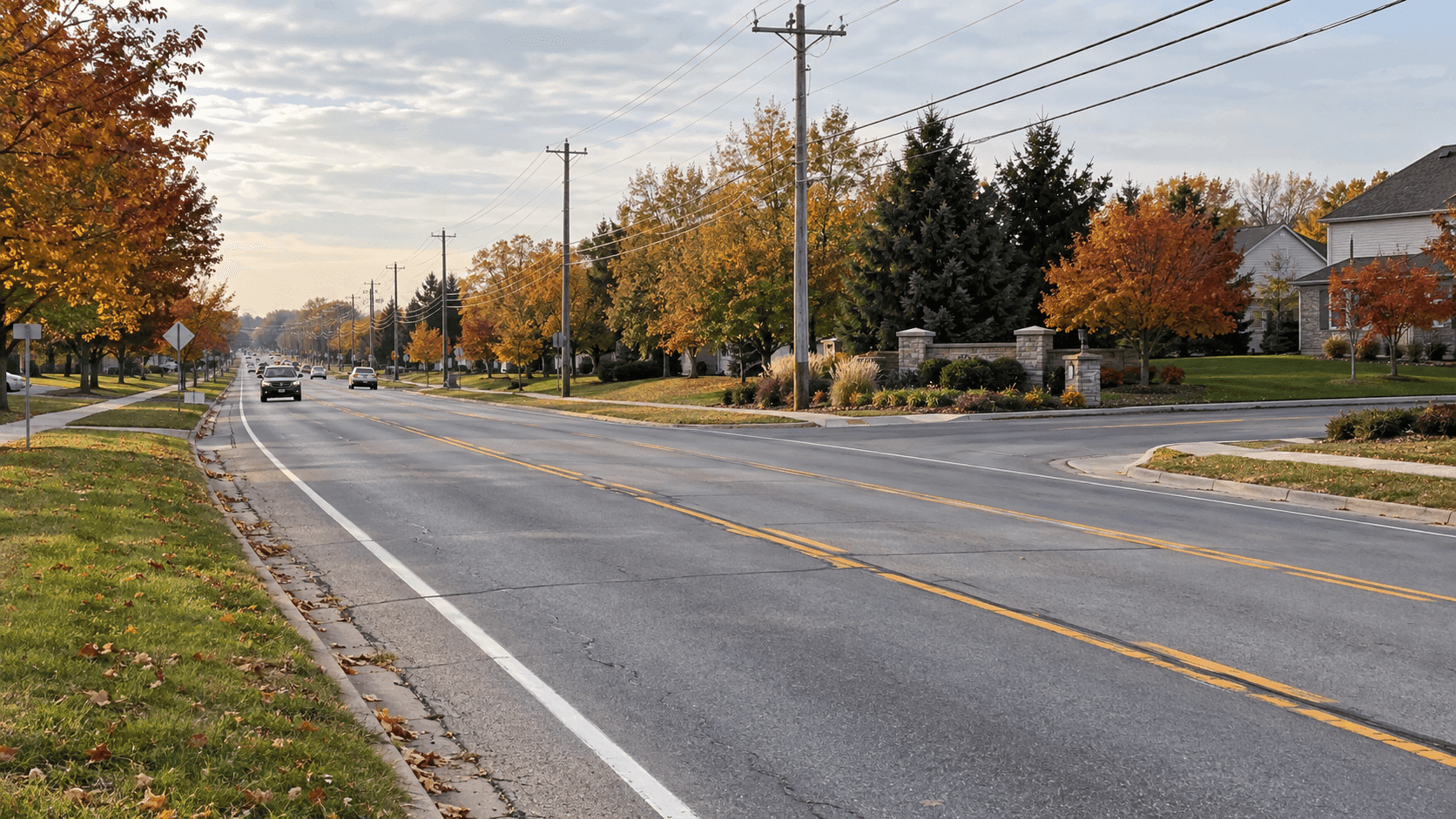
This crash happened where a county road meets a state highway in rural southwest Jay County: the intersection of State Road 1 and County Road 400 South, in the area between Portland and Redkey. That kind of junction shapes the legal picture in several important ways.
A lower-volume county road meeting a faster through-route like State Road 1 is exactly the kind of intersection where right-of-way and yielding are central to the analysis. If you were hurt or lost someone in a failure-to-yield crash, Indiana law places the duty to yield on the driver entering or crossing the through road. Indiana's modified comparative-fault statute, Indiana Code 34-51-2[3], then frames how responsibility is divided: fault is apportioned among the parties and contributing causes, a claimant whose own share of the fault exceeds fifty percent is barred from recovering, and a lesser share reduces recovery proportionally. Because the initial account attributes the failure to yield to the van, that apportionment question is likely to be significant, and it can turn on facts that are not yet public, including who was killed and whether that person was a driver or a passenger.
Venue and jurisdiction follow location. A crash in Jay County places civil claims in the Jay Superior and Circuit Courts, with Indiana State Police as the investigating agency. Jay County sits just south of Adams County and within the broader Fort Wayne region. The presence of a commercial dump truck adds another dimension: if the truck was operated for a business, a municipality, or a contractor, additional questions about employer responsibility can arise. Understanding how intersection accidents are evaluated under Indiana law can help families make sense of the process as those facts come to light. Sorting out the ownership and operation of the dump truck is one of the first things that location makes important. Where a government entity owned or operated that vehicle, the shorter notice deadline under the Indiana Tort Claims Act may apply, and waiting on that question is a risk no family should have to take without knowing it exists.
How Delventhal Law Office Can Help
Chad Delventhal and the Delventhal Law Office represent people and families harmed by fatal and serious crashes, intersection collisions, and commercial-vehicle wrecks throughout Northeast Indiana. Although this crash occurred in Jay County, just outside the firm's core service area but bordering Adams County and within the greater Fort Wayne region, the questions it raises are the same ones the firm helps families work through after any intersection or truck crash. The firm believes families deserve a clear, honest assessment of what happened and what their options are, rather than promises the facts may not support.
For those trying to understand a fatal crash like this one, the firm can help with: obtaining the crash report and staying connected to the Indiana State Police investigation; making Indiana Access to Public Records Act requests where records do not become available through routine channels; early preservation of scene evidence and commercial-vehicle records; identifying every applicable liability, commercial, and UM/UIM policy; determining the ownership and operation of the dump truck and any resulting employer or governmental issues, including any shorter Indiana Tort Claims Act notice deadline; and managing the roughly two-year Indiana deadline running to approximately July 14, 2028. People in the Fort Wayne region and across Northeast Indiana can reach the Delventhal Law Office for a free case evaluation, a confidential, no-obligation conversation about their rights and options.
This post is based on publicly available reporting and initial Indiana State Police information. The investigation is ongoing and the facts may change as additional information becomes part of the public record. Nothing in this post constitutes legal advice or creates an attorney-client relationship.