

DELVENTHAL LAW
SUFFERING FROM A BRAIN INJURY?
Of the many types of injuries that a person can sustain, brain injuries are among the most serious and can leave victims suffering a variety of symptoms ranging from dizziness and headaches to seizures and memory loss.
In some tragic cases, a brain injury victim could remain permanently disabled or even lose his or her life. Treating these types of injuries tends to be both difficult and expensive, making it especially important for those who suffer head trauma in an accident to speak with an experienced Fort Wayne brain injury attorney about their legal options for recovering compensation for their losses. When the injury creates permanent disability, long-term care, or lost earning capacity, the case may also need to be built as a catastrophic injury claim or spinal cord injury claim.
WHAT IS A BRAIN INJURY?
Brain injuries, which are most commonly referred to as traumatic brain injuries (TBIs)[2] can occur in one of two ways. The first involves a person sustaining a sudden blow to the head, which in turn, causes the brain to come into contact with the skull. The second occurs when an object actually pierces the skull and enters the brain tissue, although in some cases, it is a shard of the skull itself that actually lacerates the brain. In both cases, the sudden impact or laceration can lead to the nerve cells in the brain becoming stretched, compressed, or torn. Alternatively, a blow to the head could cause blood to pool between the brain and the skull, a medical condition known as hematoma. These injuries are particularly dangerous because they can compress brain tissue, resulting in permanent brain damage. Bleeding in the brain tissue, also known as a brain contusion, is another common type of TBI that afflicts accident victims who sustain a heavy blow to the head.
LEADING CAUSES OF BRAIN INJURIES
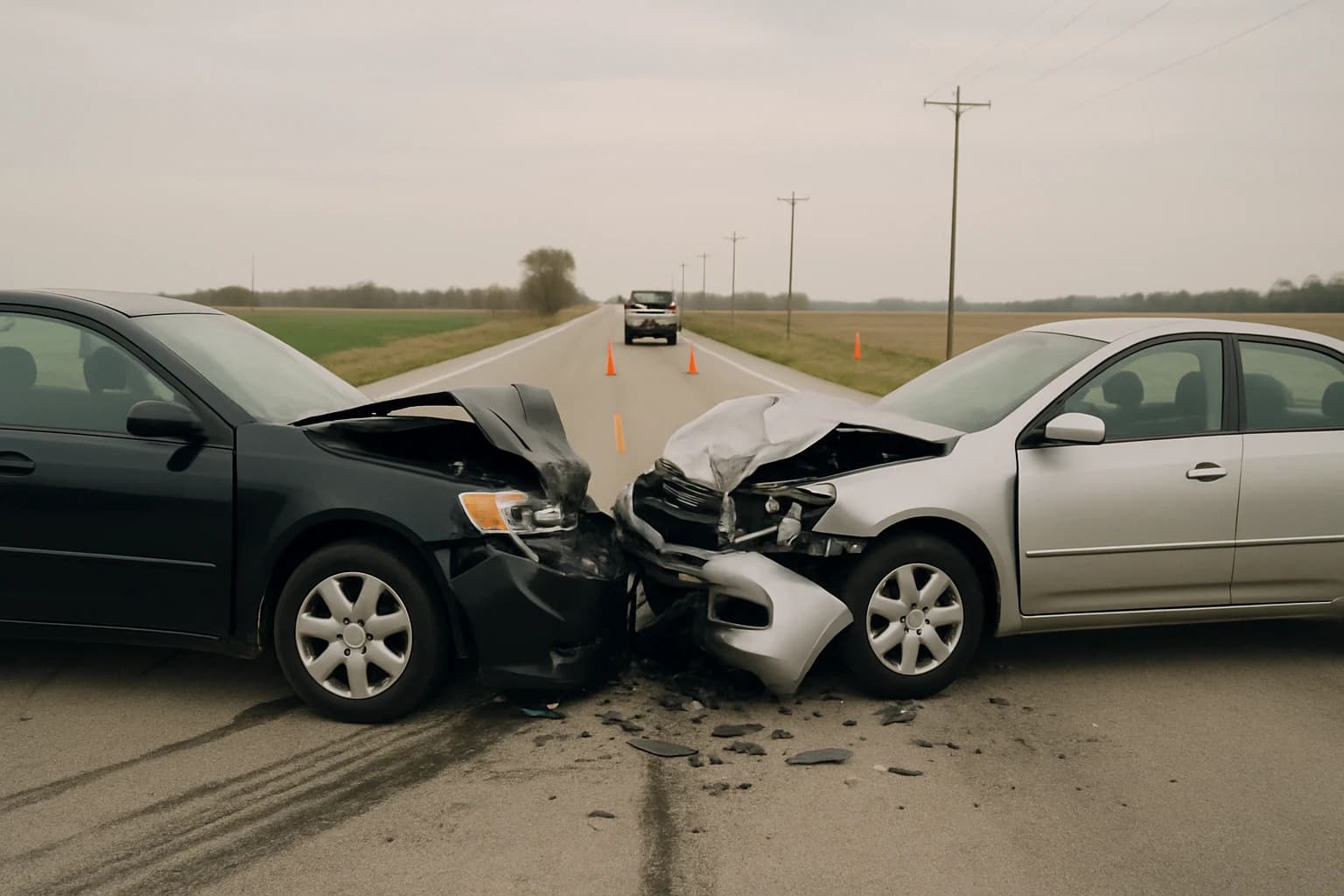
Any type of accident in which the head sustains a blow, or the brain is pierced by an object, can cause a brain injury. There are, however, certain types of accidents[3] that are more likely to result in head trauma. For instance, falls are believed to account for nearly 50 percent of all brain injury-related emergency department visits, hospitalizations, and deaths. Falls are also much more likely to affect certain members of the population, including children up to the age of 14 years old and adults aged 65 years or older. Another leading cause of brain injury in the U.S. is being struck by or against an object, which are estimated to account for around 15 percent of brain injuries. Car accidents are also responsible for a significant number of brain injuries in people of all ages. In fact, car crashes are responsible for almost 20 percent of brain injury-related fatalities. Finally, intentional self-harm, such as a gunshot, causes nearly 33 percent of TBI-related deaths.
BRAIN INJURY SYMPTOMS
Brain injuries are rated as either mild, or moderate to severe, depending on the extent of the damage done to the brain and the symptoms suffered by the victim. For instance, most people who suffer mild brain injuries do not lose consciousness, although they may suffer from headaches, dizziness, blurred vision, fatigue, difficulty concentrating, and a ringing in the ears. While these symptoms can be painful and frightening, they are usually only temporary, as mild brain injuries almost always heal on their own if the patient is given time to rest and recuperate.
Moderate or severe brain injuries cause the same types of symptoms, but are also characterized by an increase in severity. For instance, someone suffering from a moderate brain injury may experience headaches that don’t go away or that worsen over time. Many victims also experience repeated vomiting, slurred speech, weakness or numbness in the extremities, agitation, and even seizures. Although these types of severe symptoms usually manifest immediately after an accident, it is not uncommon for a brain injury victim to begin experiencing symptoms many days or even weeks after an injury. Moderate to severe brain injuries are the most serious type of TBI and almost always require emergency treatment.
BRAIN INJURY TREATMENT OPTIONS
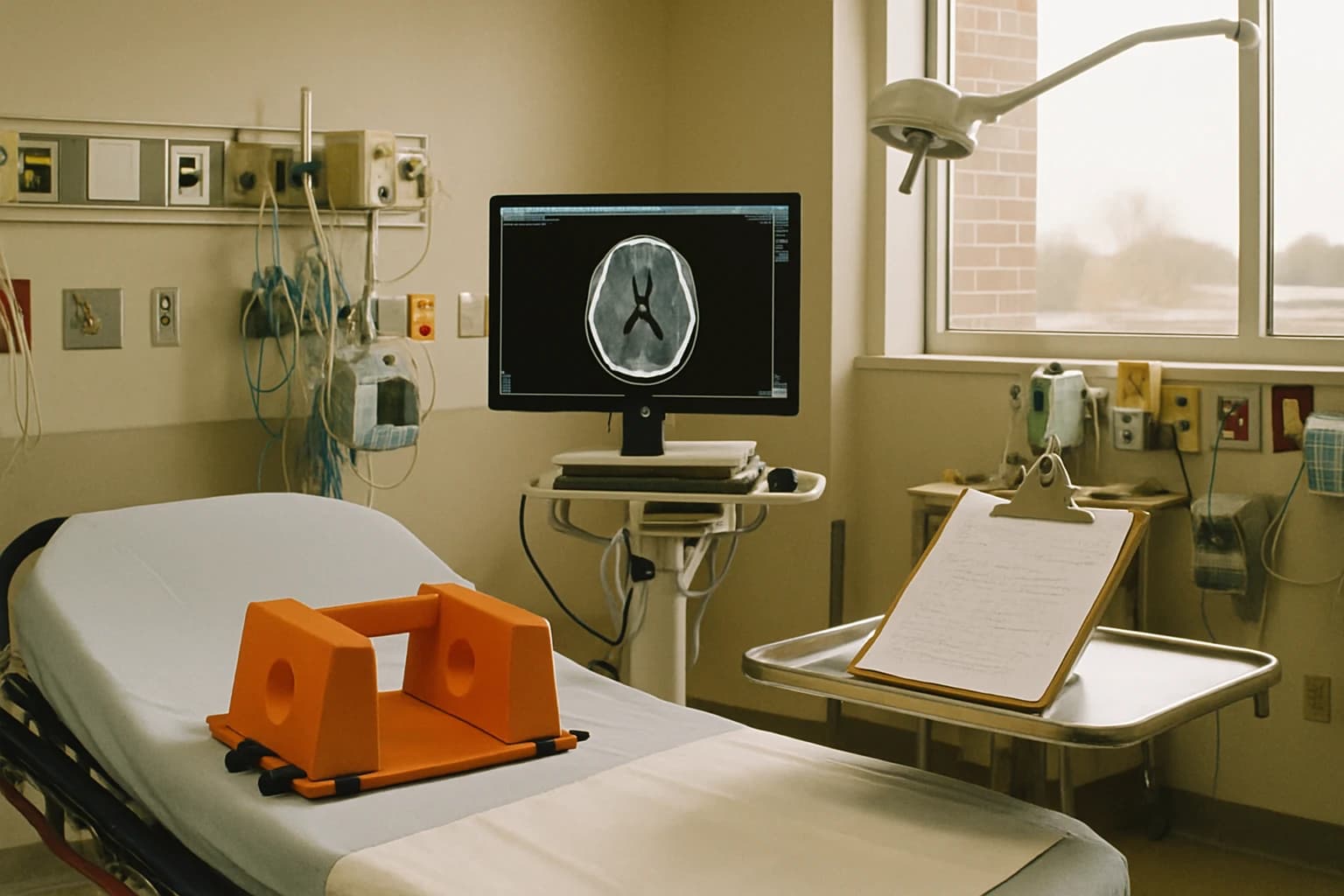
Unfortunately, little can usually be done to reverse initial brain damage caused by a traumatic accident. For this reason, medical professionals focus on stabilizing brain injury victims and preventing further injury[4], which usually includes:
- Ensuring that the brain receives a steady supply of oxygen;
- Maintaining adequate blood flow; and
- Controlling the victim’s blood pressure.
Once this has been achieved, doctors will conduct a series of tests to help determine a patient’s diagnosis. These tests include:
- A blood test to evaluate mild TBIs;
- Skull and neck x-rays to check for spinal instability and bone fractures; and
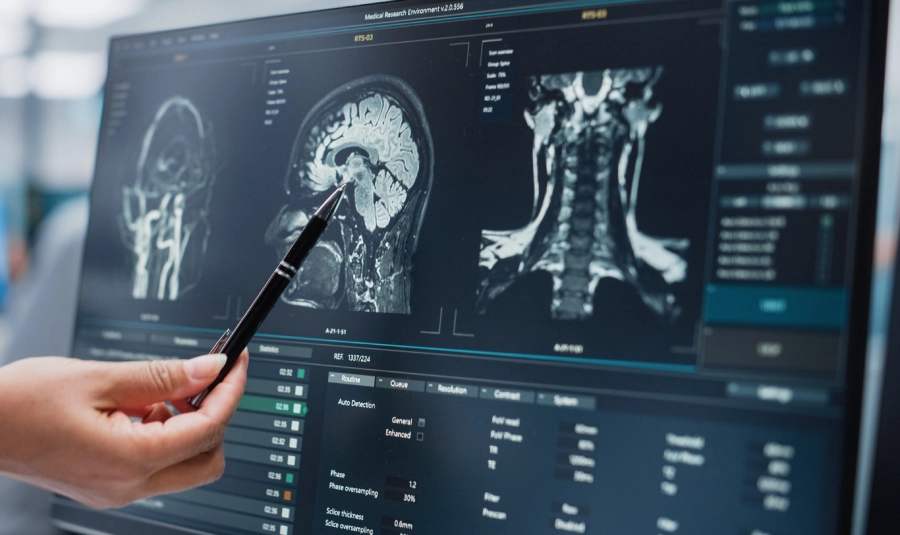
- A computed tomography (CT) scan, which produce better images than standard x-rays, especially of blood vessels and soft tissues.
The results of these tests will determine a patient’s course of treatment. For instance, in severe cases, patients will require surgical intervention to remove or repair ruptured blood vessels or bruised brain tissue. Even after surgery, however, brain injury victims are usually required to undergo additional treatment, with a focus on rehabilitation that involves physical therapy, speech and language therapy, occupational therapy, and physical medicine. Unfortunately, even after receiving treatment, many brain injury victims suffer from permanent disabilities, such as:
- Problems with memory, reasoning, and thinking;
- Issues with processing sound, sight, touch, smell, or taste;
- Difficulty communicating;
- Behavior or mental health problems, including depression, anxiety, mood swings, and even aggression; or
- Impaired motor skills, which includes weakness in the extremities and impaired coordination and balance.
According to the Centers for Disease Control and Prevention (CDC), as many as 5.3 million[5] people in the U.S. are forced to live with one of these types of brain injury-related disabilities.
CONTACT OUR INDIANA BRAIN INJURY ATTORNEYS TODAY
Although the very young and the elderly may be more at risk of sustaining brain injuries than others, these members of the population are by no means the only ones affected by brain injuries. If you sustained a brain injury in an accident that was not your fault, please call Delventhal Law Office LLC at (260) 484-6655 to speak with an experienced brain injury attorney in Fort Wayne about your legal options.
The Indiana law that applies to your brain injury case
Indiana's two-year personal-injury statute under IC 34-11-2-4[6] governs nearly every Fort Wayne traumatic-brain-injury claim arising from a crash, fall, struck-by event, or third-party workplace negligence incident. Comparative-fault apportionment runs under IC 34-51-2-6[7]. The medical baseline is set by the CDC Traumatic Brain Injury[8] program and the clinical framework published by the National Institute of Neurological Disorders and Stroke[9], both of which inform Glasgow Coma Scale interpretation and long-term cognitive sequelae.

How insurance carriers fight Fort Wayne brain injury claims
Brain-injury defense in Allen County is the most aggressive defense work in Indiana personal-injury practice. The first move is the mild-TBI minimization — the carrier seizes on a Glasgow Coma Scale of 13 to 15 at intake and a normal initial CT to argue no real injury occurred. Diffuse axonal injury and post-concussive cognitive deficits frequently do not appear on initial CT, a fact documented in the NINDS[9] clinical literature. The second is the malingering attack through a defense neuropsychological examination using effort-testing batteries scored to suggest exaggeration. The third is the pre-existing-condition argument leveraging any history of headache, ADHD, depression, or prior concussion. The fourth is the surveillance offensive — extended video surveillance and social-media review designed to show normal function on good days. We build the file around early neuropsychological testing, treating-provider opinion, and a documented symptom diary.
Evidence we preserve in the first 48 hours
TBI cases rise or fall on early neuropsychological documentation and the longitudinal symptom record before defense experts can dispute baseline function.
- Emergency department records including initial Glasgow Coma Scale, CT findings, loss-of-consciousness duration, and post-traumatic amnesia documentation
- Comprehensive baseline neuropsychological testing conducted within 90 days of injury and the treating neurologist's written diagnostic impression
- Pre-incident academic, employment, and medical records establishing the cognitive and functional baseline against which post-injury deficits are measured
- Day-by-day symptom diary maintained by the injured person and family documenting headaches, sleep disruption, memory lapses, mood changes, and sensory sensitivity
- Witness statements from family, coworkers, and friends describing observable changes in personality, attention, executive function, and emotional regulation

Damages categories in an Indiana brain injury case
In a serious brain injury case the long-term economic loss, measured over the rest of the person's life, often drives the value of the claim. Past and future medical care covers neurology, neuropsychology, cognitive rehabilitation, speech and occupational therapy, behavioral health treatment, and attendant-care services in severe cases. Lost earning capacity captures the documented gap between pre-injury and post-injury work performance across the remaining work-life expectancy. Non-economic damages cover pain and suffering, loss of enjoyment of life, and loss of consortium for the spouse. CDC TBI[8] outcome data grounds the long-term-impact testimony at trial.

What our brain injury clients ask most
Do I have a brain-injury case if the CT scan came back normal?
Normal initial CT is the typical presentation for mild traumatic brain injury and most diffuse axonal injury cases. The diagnosis is built on Glasgow Coma Scale documentation, loss-of-consciousness and amnesia history, neuropsychological testing, and the longitudinal symptom record. NINDS and CDC clinical guidance both recognize that CT-normal TBI is a legitimate, frequently disabling diagnosis.
How is the value of a traumatic brain injury case calculated in Indiana?
Value reflects the severity classification, the cognitive and behavioral deficits documented by neuropsychological testing, the impact on earning capacity, the cost of long-term care, and the age of the injured person. A documented severe TBI with permanent cognitive disability can support a substantial claim, but what can actually be recovered also depends on fault and on the insurance and assets available. Every case is different, and no past result predicts the outcome of yours.
What happens if I had a prior concussion or head injury before this one?
Indiana's eggshell-plaintiff rule allows recovery for aggravation of a pre-existing vulnerability, which matters enormously in TBI cases because the brain's cumulative-injury response is real and well documented in the medical literature. Pre-incident neuropsychological function becomes the baseline against which the aggravation is measured by treating and forensic experts.
Will I need expert witnesses for a brain-injury lawsuit?
Expert testimony is essential and typically includes a neurologist or neuropsychiatrist, a neuropsychologist, a life-care planner, a vocational rehabilitation expert, and an economist. Treating providers carry significant weight at trial when properly prepared. The defense will field a parallel set of experts, which is why the credibility of the treating record matters more than any single retained opinion.
How long do I have to file a brain-injury lawsuit in Indiana?
Two years from the date of injury under IC 34-11-2-4[6] in most cases. Claims involving minors are tolled under IC 34-11-6-1[10] until the child turns 18, with the two-year clock running from that point. Indiana Tort Claims Act notice deadlines as short as 180 days apply when a governmental defendant is involved.

What happens after you hire us
Our first move is securing the emergency-room and trauma-center records, placing the file on litigation hold, and arranging a baseline neuropsychological evaluation with a board-certified neuropsychologist. We coordinate ongoing care across neurology, rehabilitation, and behavioral health, and build the life-care plan before any settlement demand. Suit is filed in Allen Superior Court or wherever venue is proper. Defense surveillance is anticipated and documented through the symptom diary. Representation is on a contingency-fee basis.
Sources
- Watch this brain injury claims video on YouTube (youtu.be) ↩
- traumatic brain injuries (TBIs) (medlineplus.gov) ↩
- types of accidents (cdc.gov) ↩
- preventing further injury (ninds.nih.gov) ↩
- 5.3 million (cdc.gov) ↩
- IC 34-11-2-4 (iga.in.gov) ↩
- IC 34-51-2-6 (iga.in.gov) ↩
- CDC Traumatic Brain Injury (cdc.gov) ↩
- National Institute of Neurological Disorders and Stroke (ninds.nih.gov) ↩
- IC 34-11-6-1 (iga.in.gov) ↩