

This is an easy question to get wrong because the word “cap” can mean different things. A legal damages cap is different from an insurance policy limit, a settlement offer, a lien problem, or a comparative-fault reduction. Before assuming a cap applies, identify what type of case you have. You can use our Indiana car accident settlement calculator to organize the factors that may affect a claim’s value; it is an educational tool, not a promise of any result.

Key takeaways
- Ordinary car accident claims generally do not have a universal pain-and-suffering cap.
- Medical malpractice claims have special statutory limits under Indiana’s Medical Malpractice Act, including Indiana Code § 34-18-14-3[1].
- Claims against governmental entities can have statutory limits under the Indiana Tort Claims Act, including Indiana Code § 34-13-3-4[2].
- Comparative fault can reduce damages under Indiana Code Chapter 34-51-2[3].
- Policy limits are not the same as damages caps, but they can limit the available insurance money.
Ordinary car accident and personal injury claims
In a typical Indiana car accident case against a private driver or business, there is usually no separate statute that says pain and suffering is capped at a specific dollar amount. As any experienced Fort Wayne car accident lawyer will explain, the value depends on liability, injury severity, medical proof, permanency, treatment, daily-life impact, lost income, and available coverage.
That does not mean the number is unlimited in practical terms. A claim may be constrained by insurance coverage, disputed causation, liens, comparative fault, collectability, and the risk of litigation. Our related article on how insurance companies figure out pain and suffering explains those valuation factors.

Claims involving government vehicles or public entities
If the at-fault party is a governmental entity or government employee acting within the scope of employment, different rules may apply. Indiana’s Tort Claims Act includes notice requirements and damages limits. That can matter in crashes involving city, county, school, police, state, or other public vehicles.
These cases are deadline-sensitive. Do not assume the ordinary insurance-claim timeline is enough. Preserve the crash evidence, identify the governmental entity, and check notice requirements quickly.
Medical malpractice is different
Medical malpractice claims are not handled like ordinary car accident claims. Indiana has a separate statutory framework and damages limits for qualified healthcare-provider claims. If an injury case includes both a crash claim and a medical negligence issue, those may be separate legal tracks with different deadlines, caps, procedures, and defendants.

Policy limits are not pain-and-suffering caps
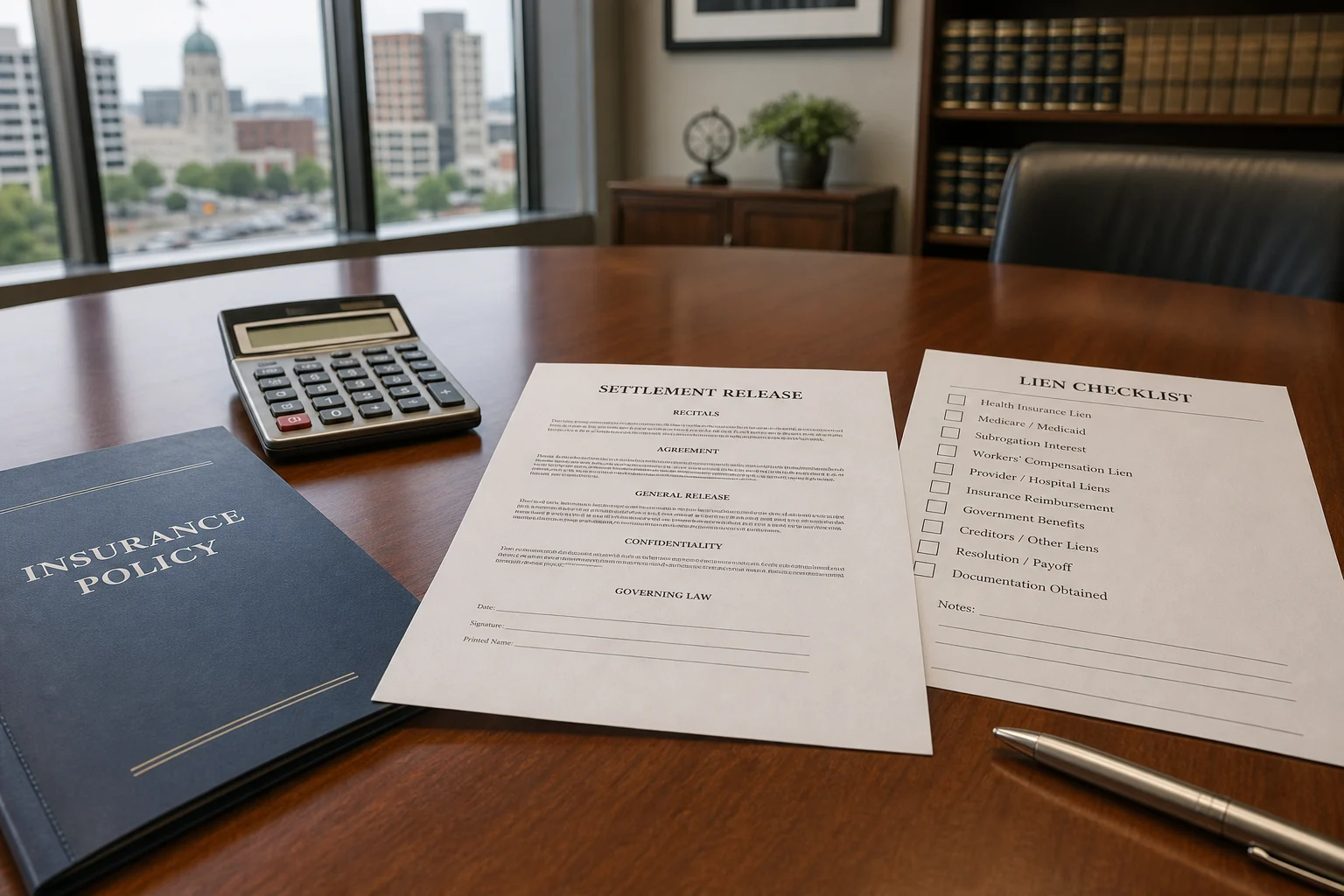
A policy limit is the maximum amount a particular insurance policy will pay. It is not a legal statement that your pain and suffering is worth only that amount. For example, a severe injury may be worth more than the at-fault driver’s liability coverage. In that situation, the practical recovery analysis may include underinsured motorist coverage, umbrella coverage, commercial policies, assets, MedPay, health insurance liens, and settlement strategy.
For car accident coverage issues, see our guide on what to do if the other driver is uninsured.
Comparative fault can reduce pain and suffering
Indiana comparative fault can reduce the total recovery based on fault percentages. If a person’s damages are valued at one number but they are assigned a percentage of fault, the recovery can be reduced accordingly. If fault is high enough, recovery may be barred. That is different from a cap, but the effect can feel similar because it lowers the amount paid.

Examples of how “caps” get confused
| Situation | Is it a pain-and-suffering cap? |
|---|---|
| Private-driver rear-end crash with soft-tissue injuries | Usually no universal statutory pain-and-suffering cap, but value depends on proof and coverage. |
| Crash with a city vehicle | Potential Tort Claims Act limits and notice rules may apply. |
| Medical negligence after crash treatment | Medical malpractice rules may apply to that part of the case. |
| At-fault driver has minimum insurance | Policy limit issue, not a legal cap on damages. |
| Insurer says you are partly at fault | Comparative-fault issue, not a damages cap. |
Frequently asked questions
Is pain and suffering available in Indiana car accident claims?
Yes, when supported by the facts. Pain and suffering can include physical pain, emotional distress, inconvenience, loss of enjoyment of life, scarring, and daily limitations.
Does Indiana cap pain and suffering in every injury case?
No. Indiana has special statutory limits for certain case types, but not one universal cap for every ordinary injury claim.
Can insurance policy limits cap my settlement?
They can limit what a particular insurer must pay, but they are not the same as a legal damages cap. Other coverage may need to be investigated.
What deadline applies?
Many Indiana injury claims have a two-year lawsuit deadline under Indiana Code § 34-11-2-4[4], but government claims, malpractice issues, minors, and policy notice rules can change the analysis.
Bottom line
Do not assume Indiana has a blanket pain-and-suffering cap just because an adjuster says the claim is “limited.” The real answer depends on the defendant, claim type, fault, insurance, deadlines, and damages proof. If you were hurt in Fort Wayne or elsewhere in Indiana, Delventhal Law Office can help identify which limits actually apply.
This article is general information, not legal advice. Caps, notices, deadlines, and insurance coverage depend on the specific facts of the claim.