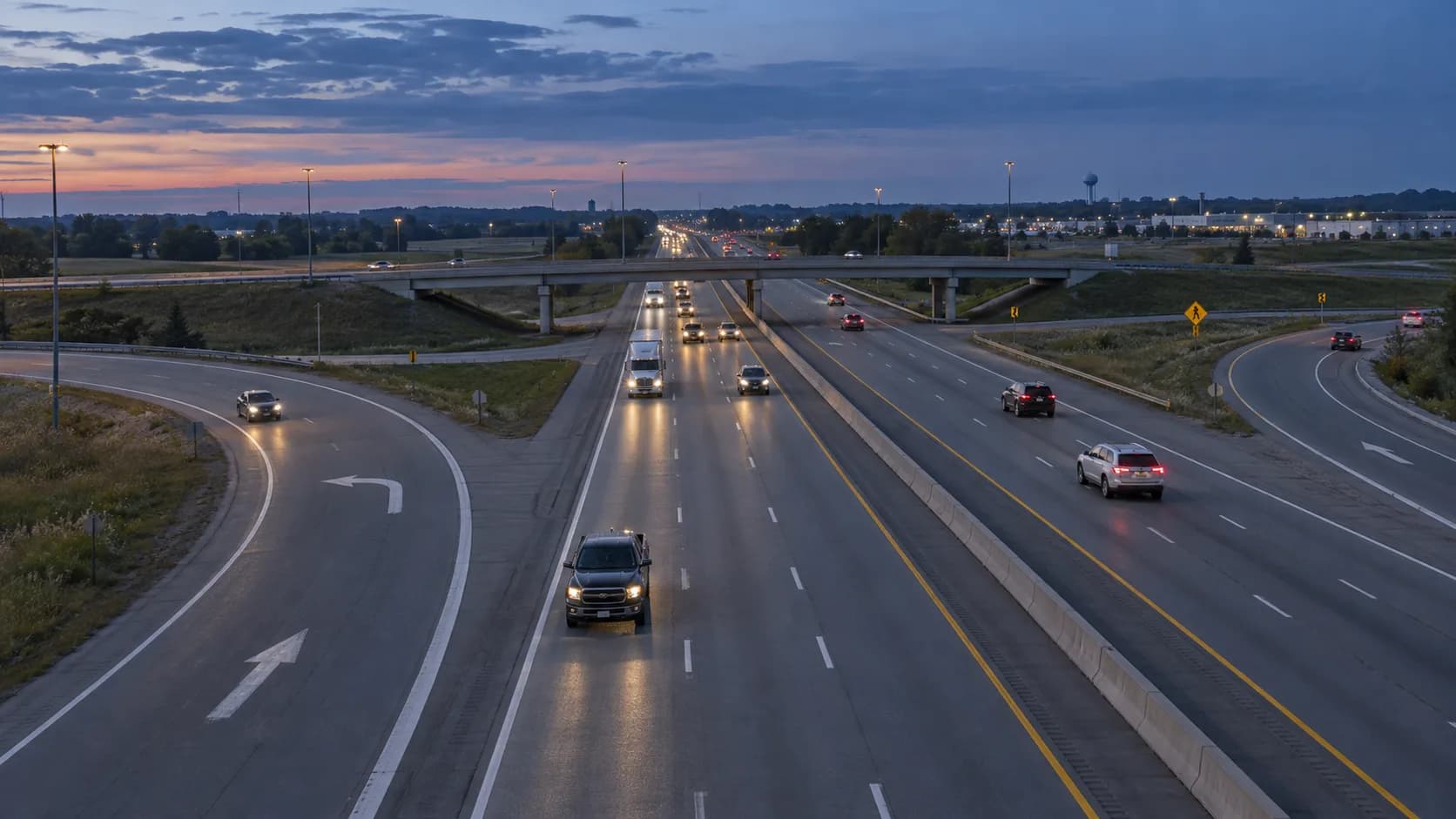
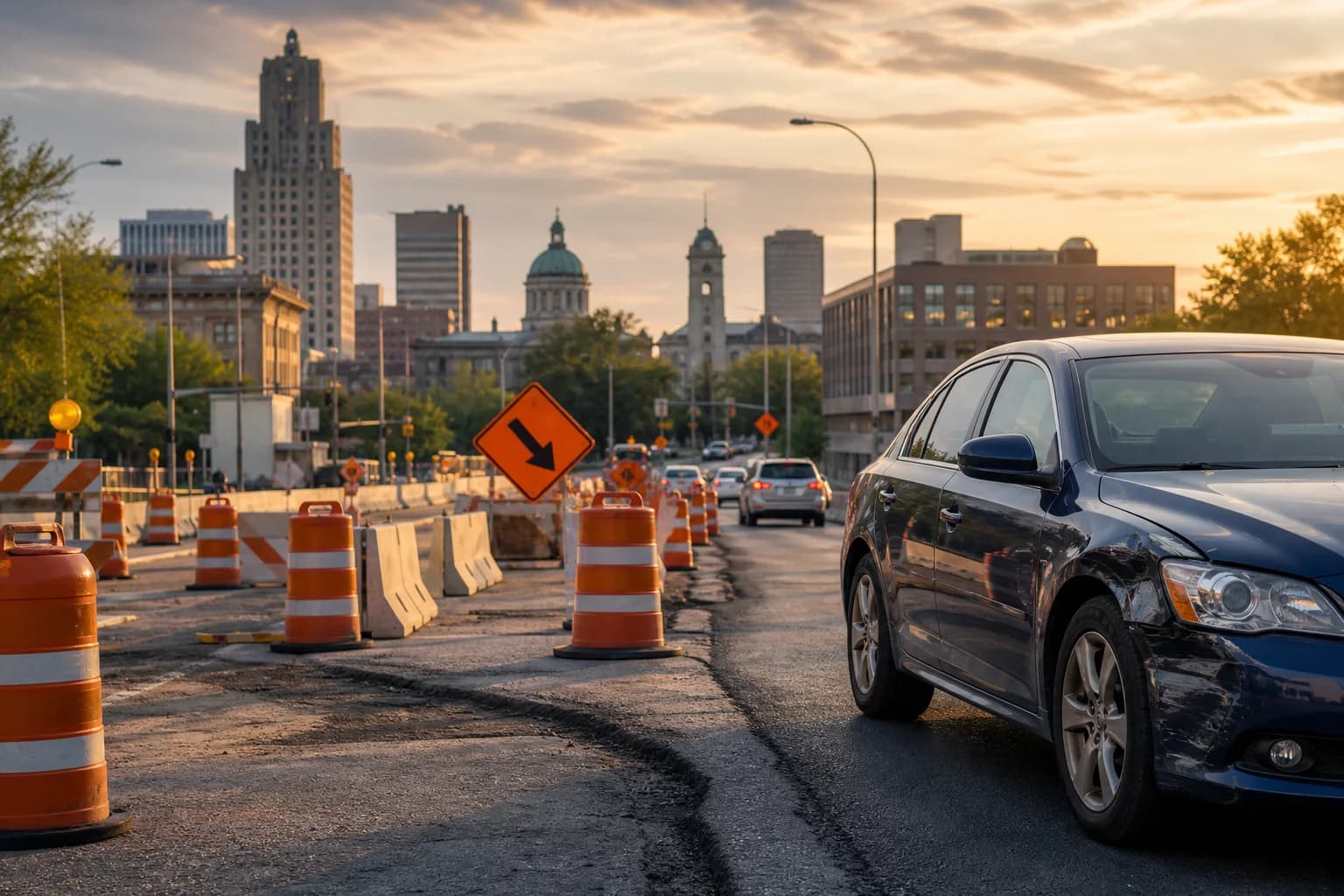
Fort Wayne is in a heavy construction season. The City has announced $37 million in neighborhood infrastructure improvements for 2026, including streets, roads, bridges, sidewalks, trails, traffic projects, and more than 15 miles of contracted asphalt resurfacing. That is good for the community long term. But in the short term, construction season changes how people drive: tighter lanes, unfamiliar detours, sudden braking, uneven pavement, temporary signals, and drivers trying to read signs while traffic is moving.
For an injured person, the most important point is this: a construction-zone crash is still an evidence case. The earlier the evidence is preserved, the easier it is to understand what really happened.
Key takeaways
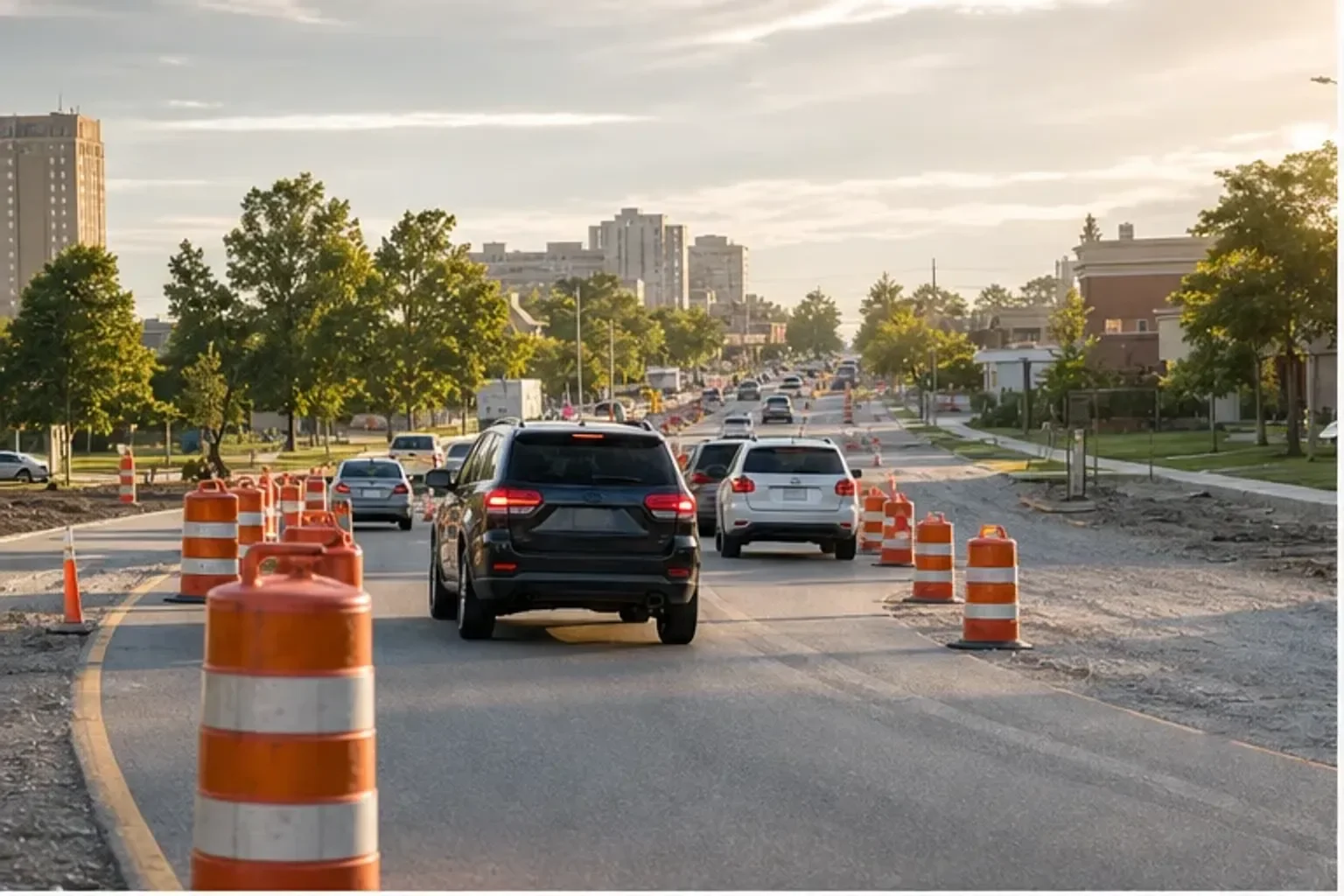
- Fort Wayne’s 2026 road work means more lane shifts, resurfacing, sidewalk work, bridge work, traffic projects, and construction-related driving changes.
- Construction-zone crashes often involve more than one possible cause: distracted driving, speeding, tailgating, unclear signage, lane closures, poor visibility, or sudden stops.
- Indiana uses a modified comparative fault system. If fault is disputed, small details can matter.
- Medical documentation matters. Do not wait weeks to get checked if you are hurt.
- Photos, video, witness names, police reports, and construction-zone details may disappear quickly.
- Do not assume the insurance company will collect the evidence that helps you.
Why are summer construction crashes different from ordinary car accidents?
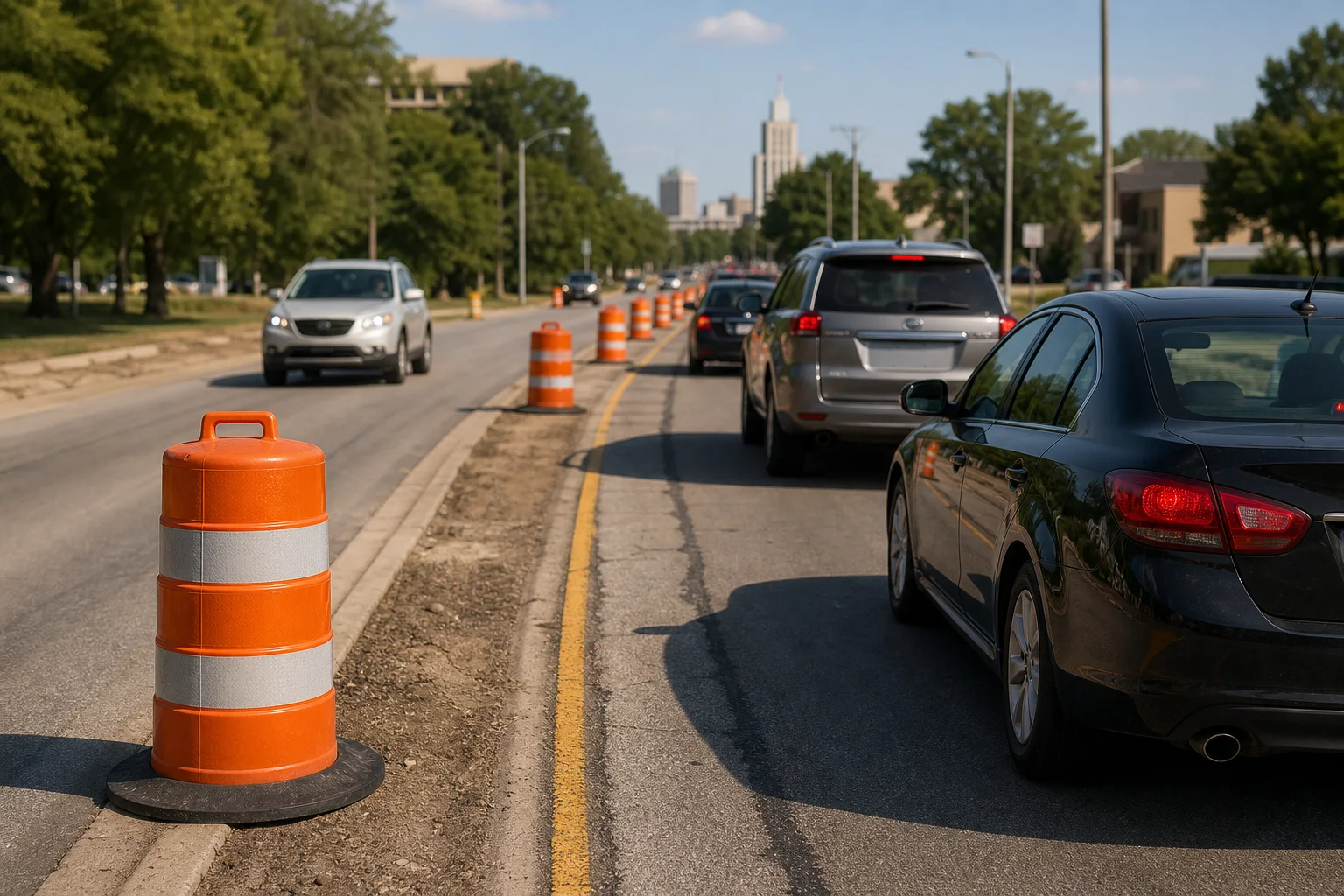
Construction-zone crashes are different because the road itself may be changing. On a normal street, drivers generally know where lanes are, where turns happen, and when traffic will slow. In a construction zone, the “rules of the road” may be temporarily altered by cones, barrels, flaggers, temporary pavement markings, uneven shoulders, narrowed lanes, and detours.
That creates several common crash patterns:
| Crash pattern | Why it happens in construction season | Evidence that may matter |
|---|---|---|
| Rear-end crash | Sudden slowdown near barrels, lane closures, or flaggers | Skid marks, traffic backup, dashcam, driver distraction |
| Sideswipe | Narrow lanes or last-second merge | Lane markings, cone placement, vehicle damage location |
| Intersection crash | Temporary signal timing or blocked visibility | Signal sequence, witness statements, construction signage |
| Single-vehicle crash | Uneven pavement, drop-off, debris, or overcorrection | Road condition photos, weather, tire marks |
| Pedestrian/cyclist crash | Sidewalk closures or temporary pedestrian routes | Detour signs, lighting, ADA ramp condition |
The issue is not automatically “the construction company is at fault.” Most crashes still come down to driver conduct. But the construction setting can explain why a crash happened and what a reasonable driver should have done.
What should you do immediately after a Fort Wayne construction-zone crash?
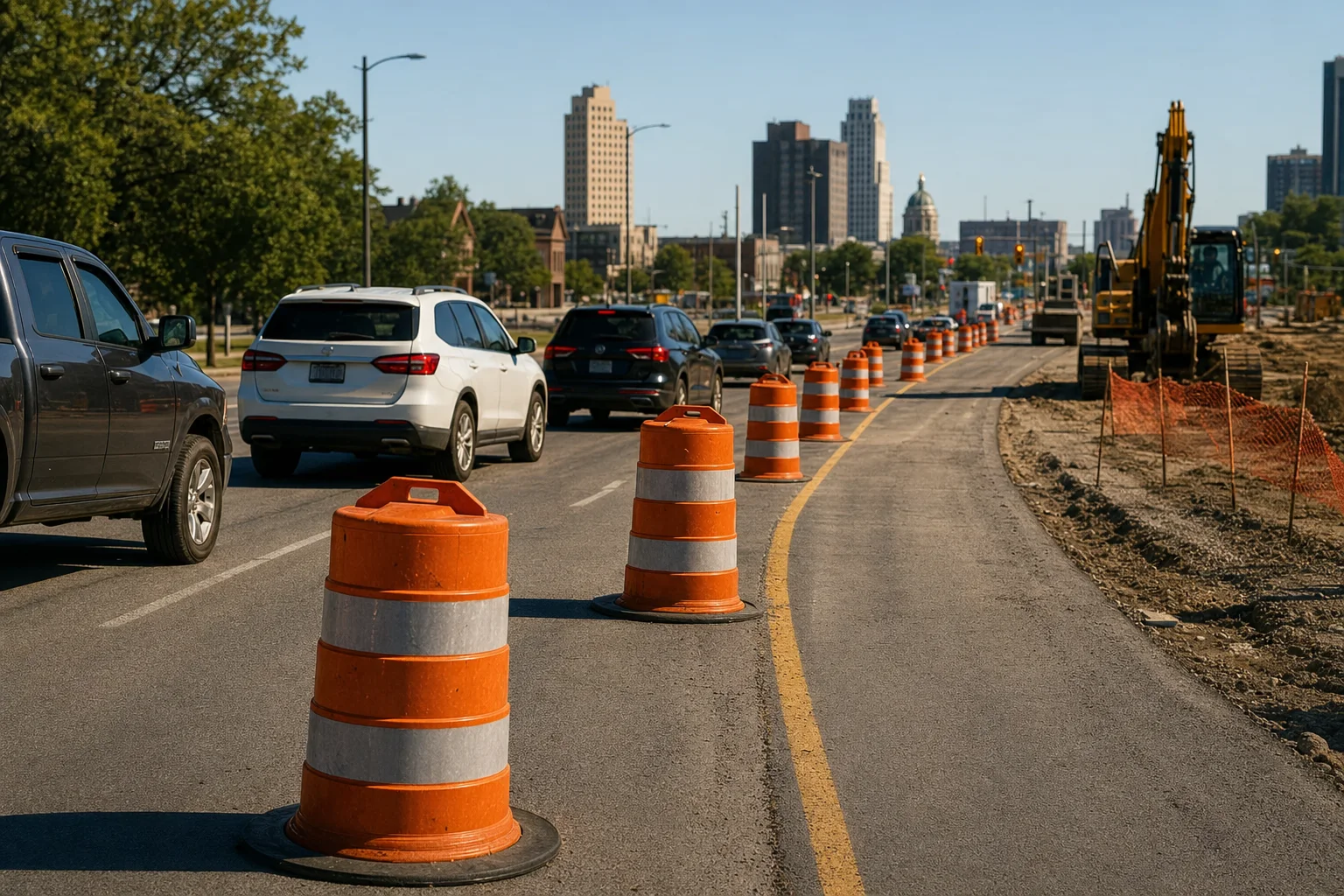
If you are physically able to do so safely, use this order:
1. Get to safety and call 911
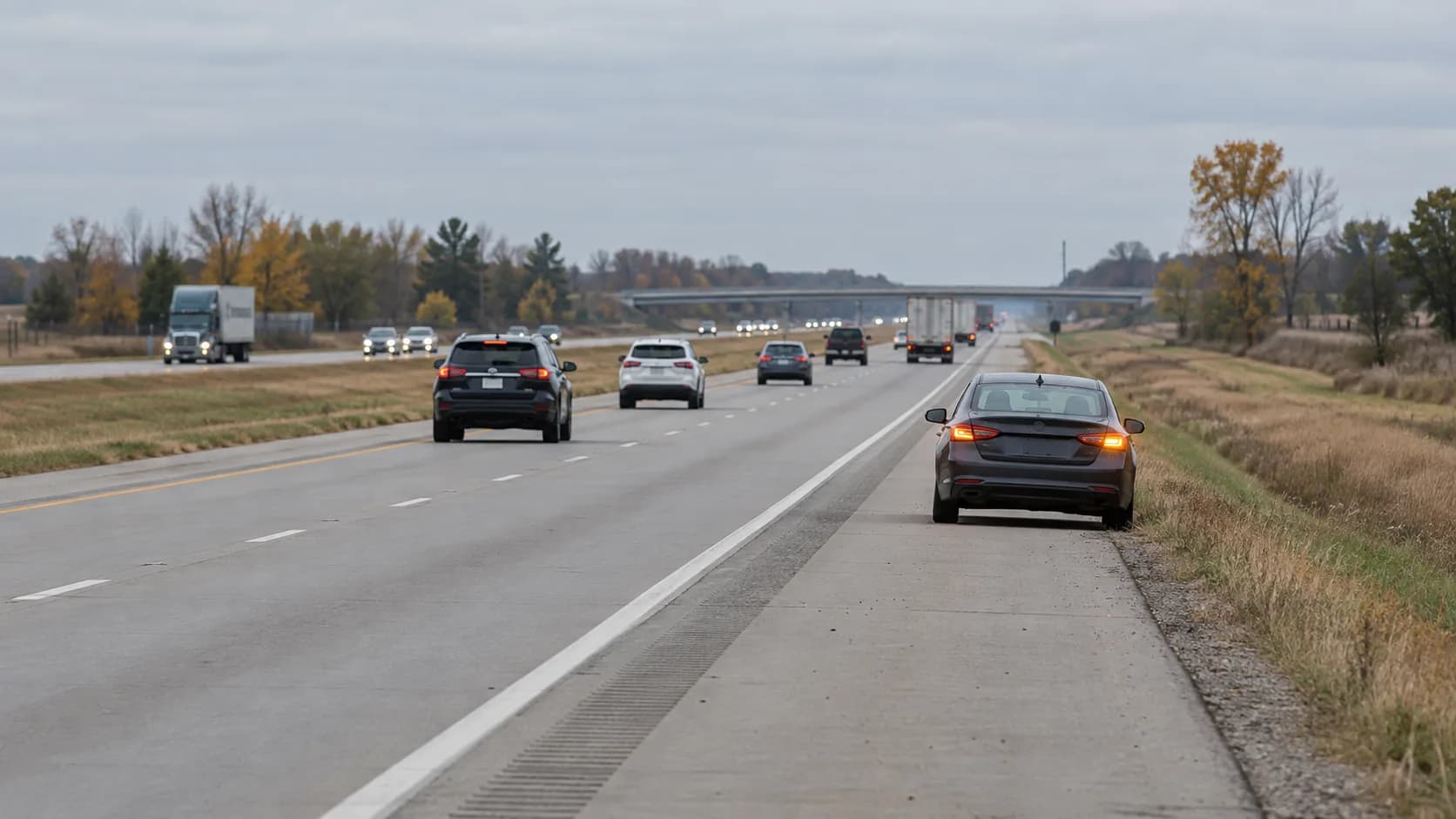
Move out of active traffic if possible. If the crash happened near a work zone, do not walk into moving lanes to inspect damage. Call 911 and report injuries, hazards, blocked lanes, or disabled vehicles.
2. Get medical care early
Adrenaline can hide symptoms. Neck pain, back pain, headaches, numbness, dizziness, shoulder pain, and knee pain may develop after the scene clears. If symptoms appear, get checked. Waiting too long gives the insurance company an argument that the injury was not related to the crash.
3. Photograph the scene before it changes
Construction-zone evidence disappears quickly. If you can safely take pictures, capture:
- vehicle positions;
- damage to each vehicle;
- cones, barrels, signs, lane closures, and flaggers;
- skid marks, debris, or fluid trails;
- traffic signals or temporary signs;
- weather and lighting;
- nearby businesses or cameras;
- road defects, pavement transitions, or drop-offs.
Do not put yourself in danger to get a photo. Safety comes first.
4. Identify witnesses
Witnesses are especially important in construction-zone cases because everyone may describe the lane pattern differently later. Get names and phone numbers if possible.
5. Preserve digital evidence
Dashcam footage, phone video, vehicle event data, nearby business cameras, and traffic-camera footage may be overwritten. If you have dashcam footage, save a copy immediately.
Who may be responsible for a road-construction crash in Indiana?
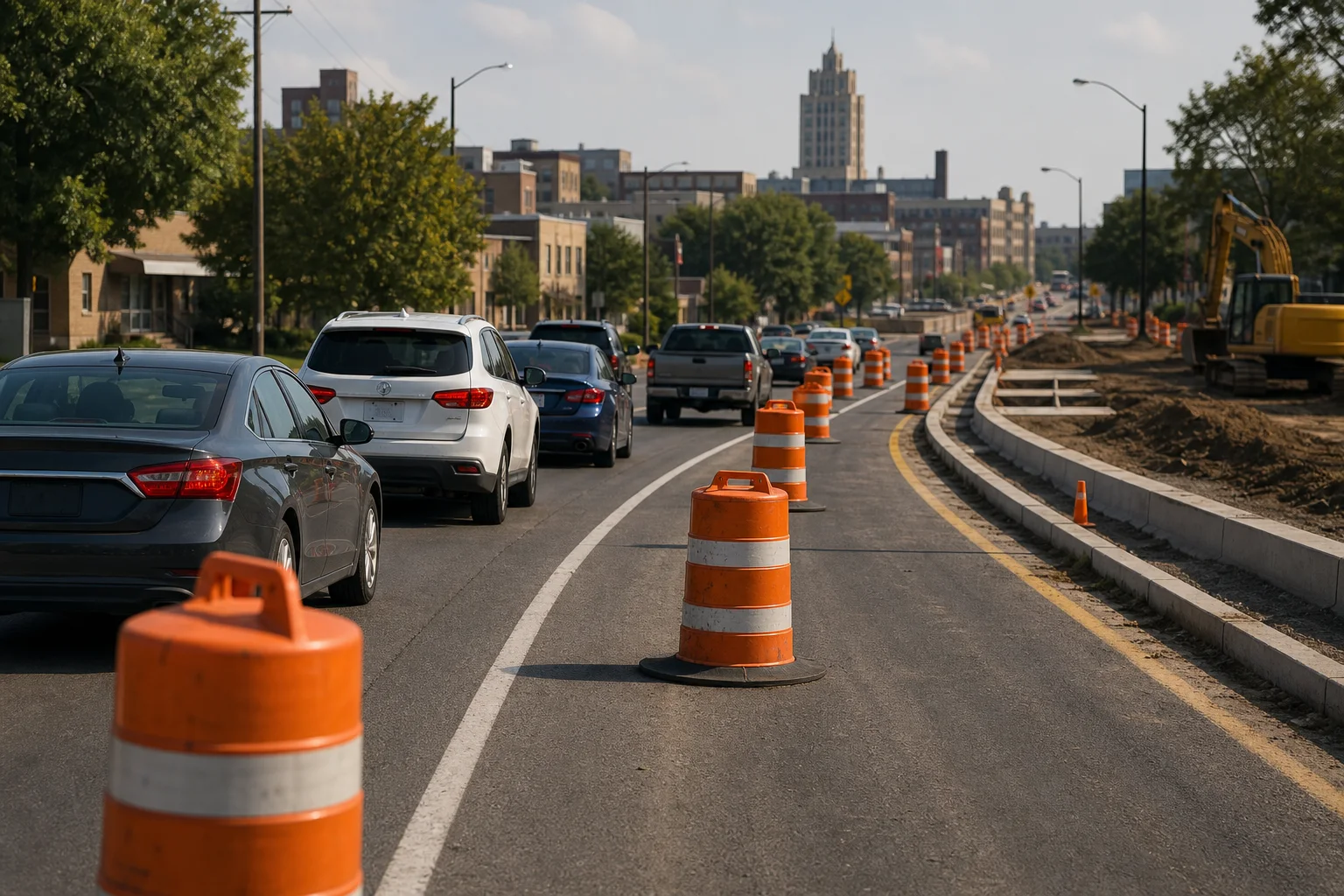
Most cases start with the drivers. A driver may be negligent by speeding, following too closely, texting, failing to yield, ignoring signs, or driving too fast for conditions.
Depending on the facts, other issues may need to be investigated:
- Was the construction zone properly marked?
- Were cones or barriers placed correctly?
- Were lane shifts visible at night or in rain?
- Was traffic control reasonable for the area?
- Did a commercial vehicle driver fail to slow down?
- Did a government entity or contractor have notice of a dangerous condition?
Those questions do not mean every construction-zone crash becomes a claim against a contractor or public agency. They mean the investigation should not stop with the first police-report summary if the injuries are serious and the scene was unusual.
How does Indiana comparative fault affect a construction-zone crash?
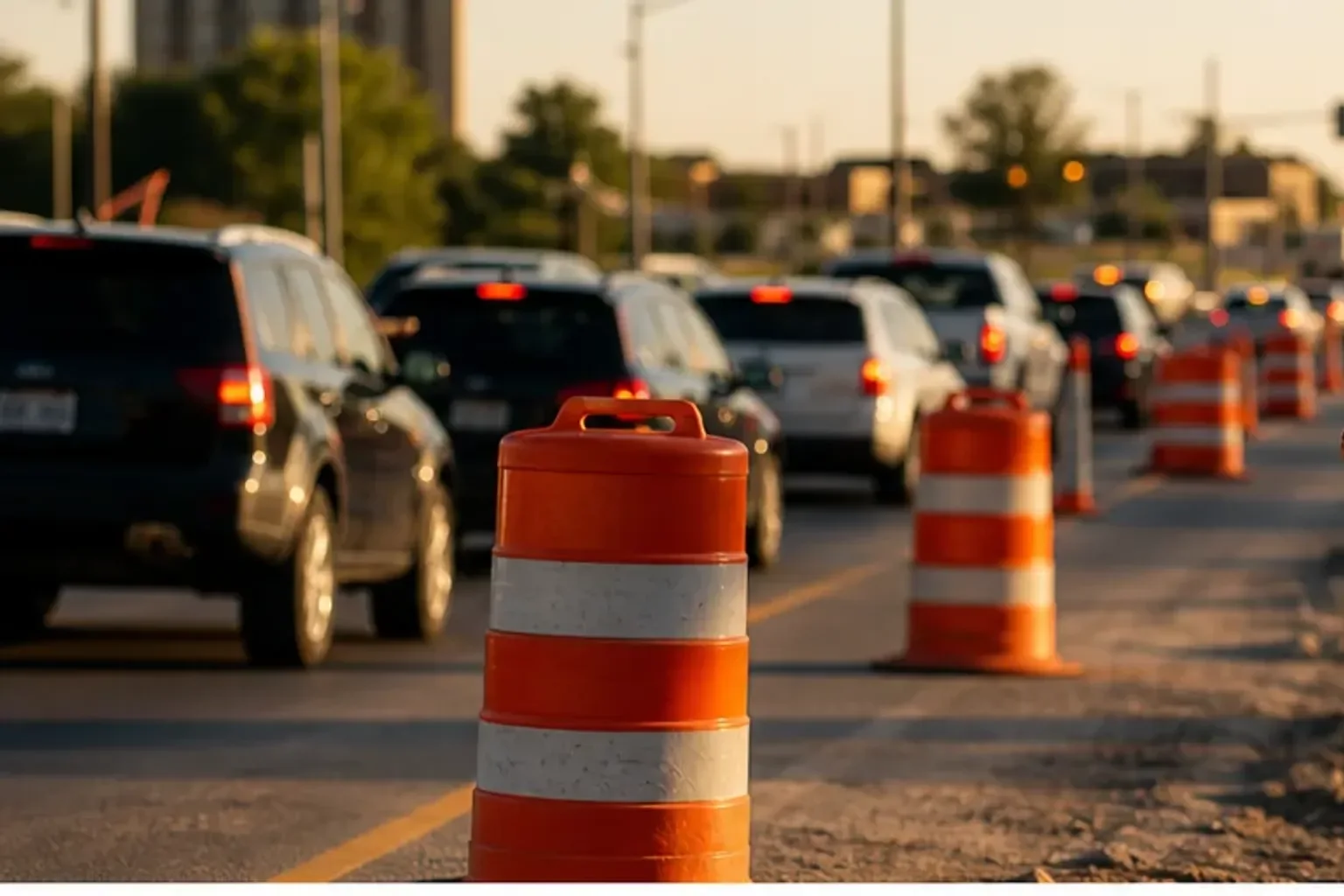
Indiana generally follows a modified comparative fault rule. In practical terms, if an injured person is found partly at fault, any recovery may be reduced by that percentage. If the injured person is found more than 50% at fault, recovery may be barred.
That makes evidence important. In a construction zone, the insurance company may argue:
- you were driving too fast for conditions;
- you should have seen the lane closure;
- you stopped too suddenly;
- you merged late;
- your injuries came from something else;
- the crash was minor.
The response depends on facts, not slogans. Photos, medical records, witness statements, and vehicle damage can change the fault analysis.
What if the other driver says the construction zone confused them?
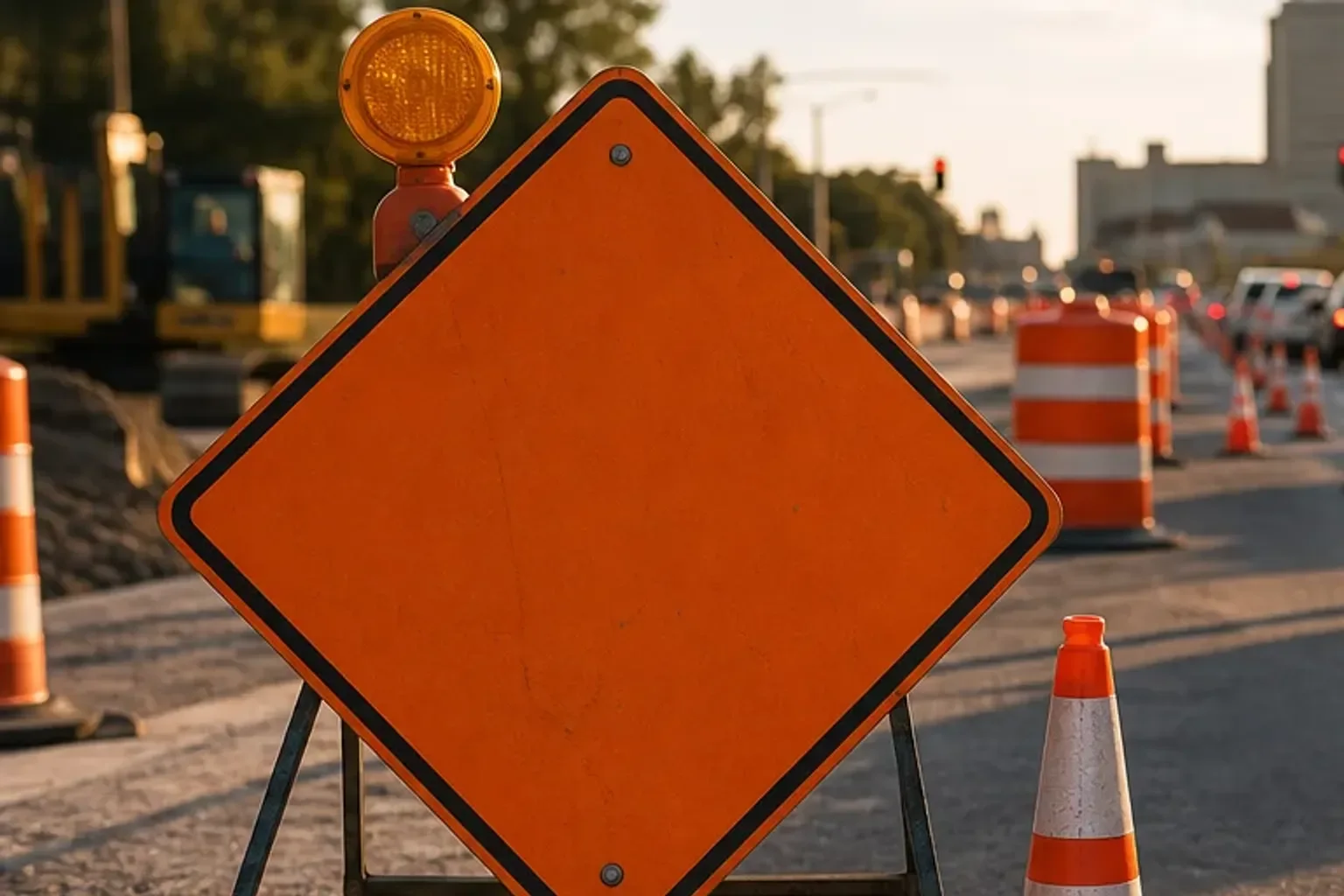
Confusion is not automatically a defense. Drivers must pay attention, control their speed, maintain a safe following distance, and drive appropriately for the conditions. But if the construction zone was genuinely confusing or unsafe, that may become part of the case.
A good investigation asks two questions at the same time:
- What did each driver do wrong?
- Did the temporary road setup contribute to the crash?
Both can be true.
What evidence should an injured person preserve?
Use this checklist:
- police report number;
- photos and video from the scene;
- vehicle photos before repair or total-loss disposal;
- names/contact information for witnesses;
- dashcam footage;
- medical visit dates and discharge papers;
- missed-work documentation;
- insurance letters and claim numbers;
- screenshots of construction notices or detour maps;
- receipts for prescriptions, braces, towing, rental cars, and co-pays.
If the crash involved a government vehicle, road contractor, commercial vehicle, or dangerous road condition, deadlines and notice rules may be different. Our guide to Indiana government tort claim notices explains the shorter notice issue when a state or local public entity may be responsible. That is one reason to get advice early.
When should you talk to a lawyer after a Fort Wayne construction-zone crash?
You should consider speaking with a lawyer early if:
- you went to the ER, urgent care, or your family doctor;
- symptoms are getting worse;
- the insurance company is blaming you;
- there were multiple vehicles;
- a commercial vehicle was involved;
- the crash happened in a work zone or detour;
- you missed work;
- there is a dispute about medical bills;
- the other driver had minimal insurance.
You can use our Indiana car accident settlement calculator to organize the factors that may affect a claim’s value; it is an educational tool, not a promise of any result.
A consultation does not mean a lawsuit has to be filed. It means you can understand the insurance issues before evidence disappears or statements are taken out of context.
Frequently Asked Questions
Do construction-zone crashes have different legal rules in Indiana?
The basic negligence rules are similar, but the facts can be more complex. Temporary signs, lane closures, flaggers, cones, speed changes, and road conditions may all affect fault.
What if I was partly at fault?
Indiana’s comparative fault rules may reduce or bar recovery depending on the percentage of fault. Do not assume you have no case just because an insurance adjuster says you were partly responsible.
Should I give a recorded statement to the other driver’s insurance company?
Be careful. The other insurer is not your advocate. You may need to cooperate with your own insurer, but a recorded statement to the other side can be used against you. Get advice if injuries or fault are disputed.
How long do I have to bring an Indiana car accident claim?
Many Indiana personal-injury claims have a two-year statute of limitations, but shorter notice rules can apply in some claims involving government entities. Ask early if the road condition, public vehicle, or government contractor may be involved.
What if I did not feel hurt until the next day?
That is common. Document symptoms, get medical care, and be honest with providers about when the pain started and how the crash happened.
Sources and further reading
- City of Fort Wayne, 2026 Neighborhood Infrastructure Upgrades: https://engage.cityoffortwayne.org/2026-neighborhood-infrastructure-upgrades[1]
- Indiana State Police, Summer Travel Safety: https://www.in.gov/isp/resources/driving-safety/summer-travel-safety/[2]
- Indiana Rules of Professional Conduct: https://rules.incourts.gov/Content/prof-conduct/rule1-18/current.htm[3]
Bottom Line
If you were hurt and are not sure what to do next, Delventhal Law Office can help you sort through the evidence, insurance issues, medical proof, and deadlines before important details disappear.
You can call us or use the free case evaluation form to start a confidential consultation.