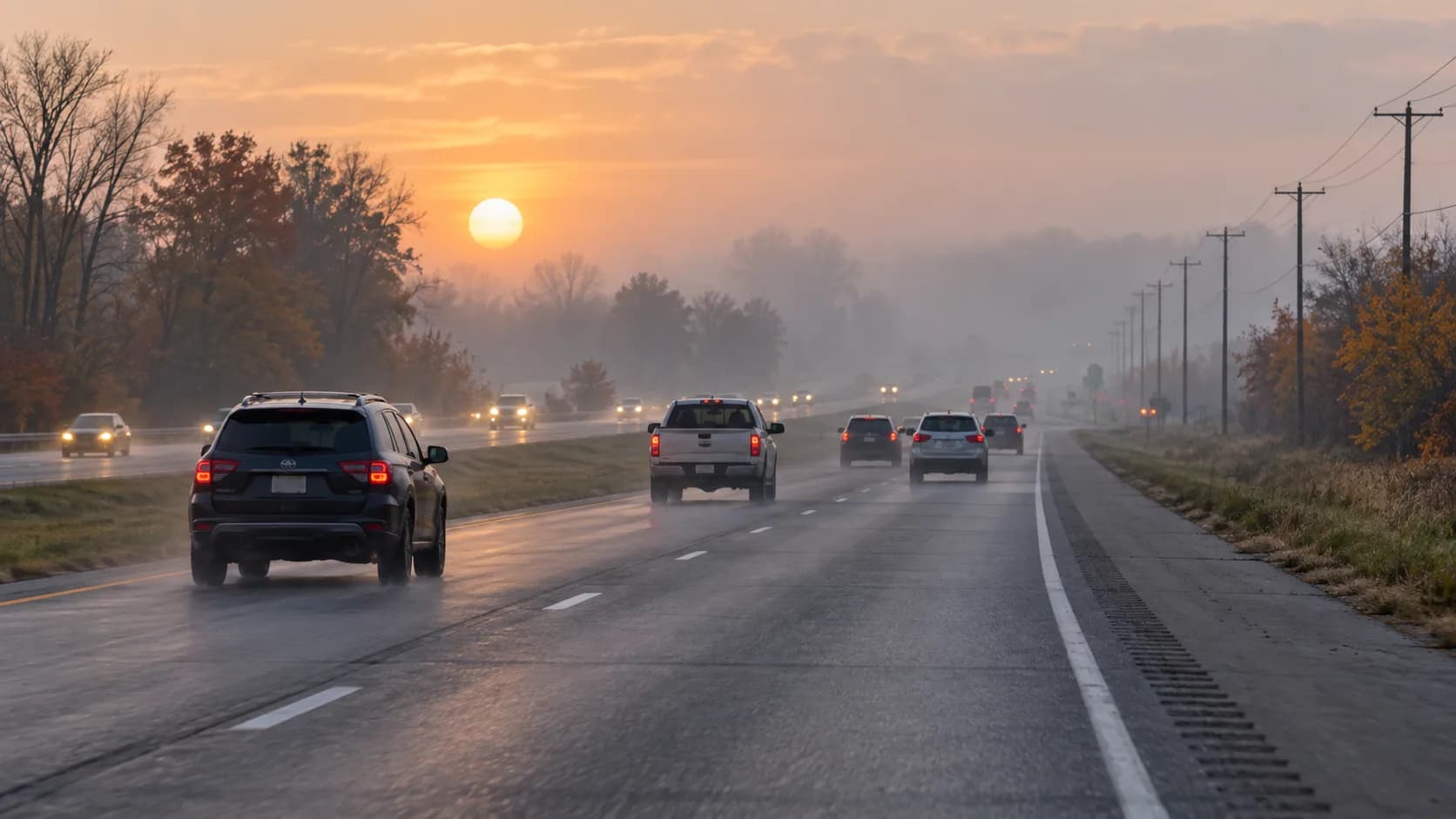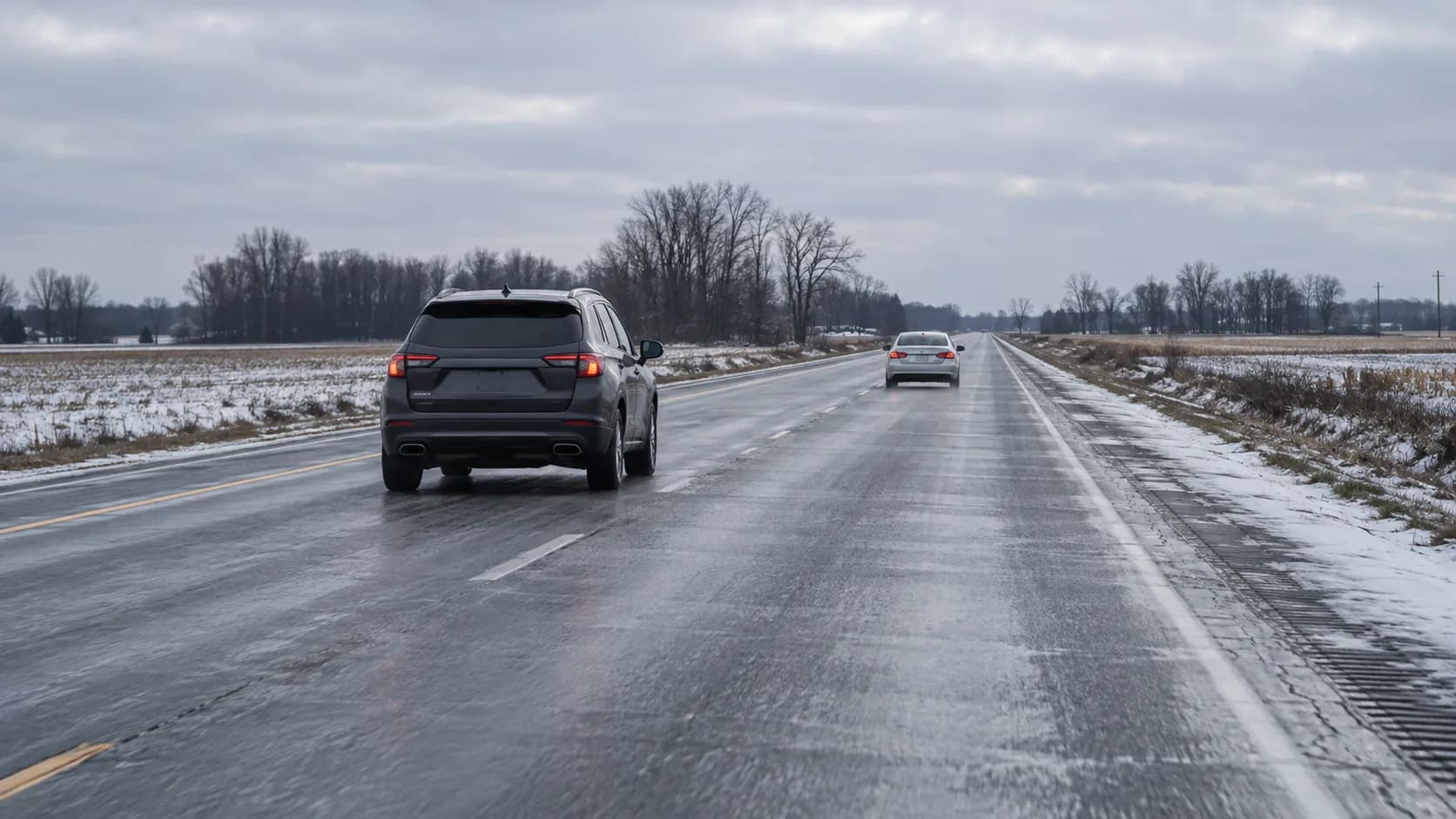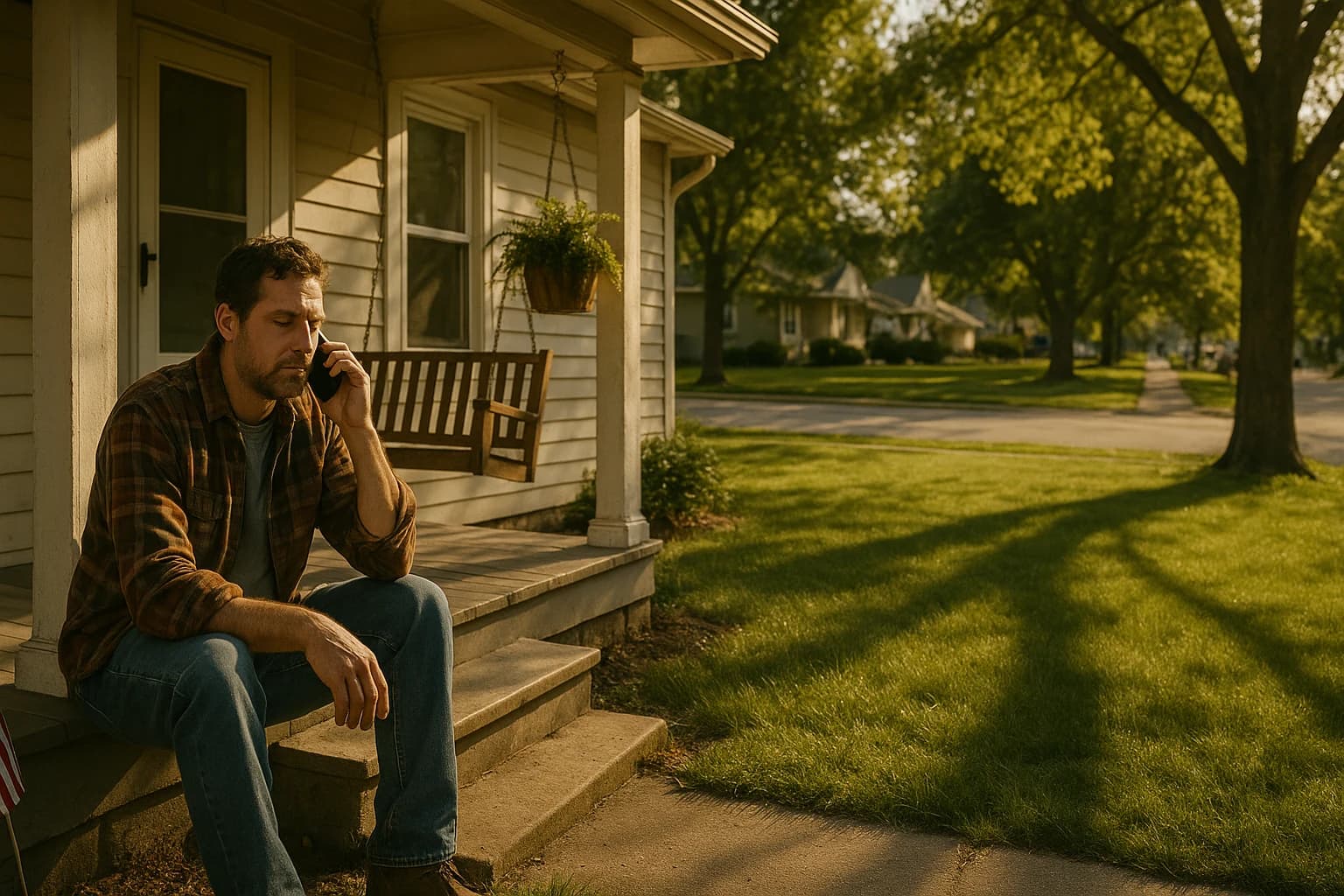

Summer gives teen drivers more freedom: no school schedule, later nights, more passengers, more rural-road trips, lake weekends, graduation parties, summer jobs, and unfamiliar routes. That freedom is part of growing up. It also creates a predictable spike in serious crash risk.
For Fort Wayne and northeast Indiana families, the legal issue after a serious teen-driver crash is not just “who is at fault?” It is also whether the right evidence is preserved before memories fade, phones are replaced, vehicles are repaired, social posts disappear, and insurance companies start building their version of events.
Delventhal Law Office handles Fort Wayne car accident claims and helps injured people sort through fault, insurance, medical proof, and deadlines after a crash.
Key takeaways
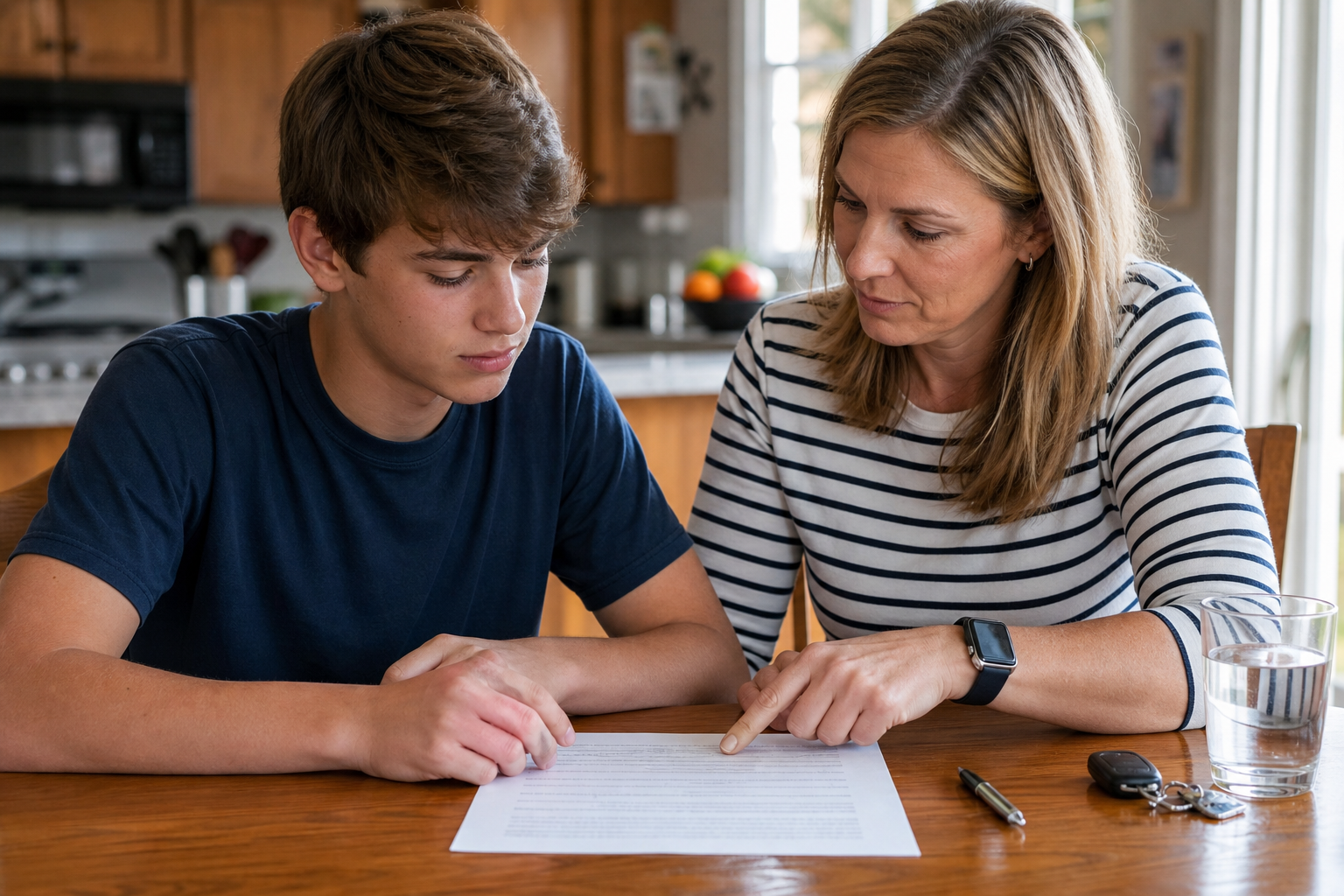
- Memorial Day through Labor Day is a high-risk summer period for crashes involving teen drivers.
- Teen crash investigations often involve distraction, passengers, speed, nighttime driving, seat belts, inexperience, and alcohol/drug issues.
- Passengers injured in a teen-driver crash may have claims even if the driver was a friend or family member.
- Indiana comparative fault can reduce or bar recovery depending on assigned fault percentages.
- Evidence from phones, dashcams, nearby businesses, social media, and vehicle data can disappear quickly.
- Parents should focus first on medical care and safety, then documentation and insurance decisions.
Why does summer increase teen-driver crash risk?
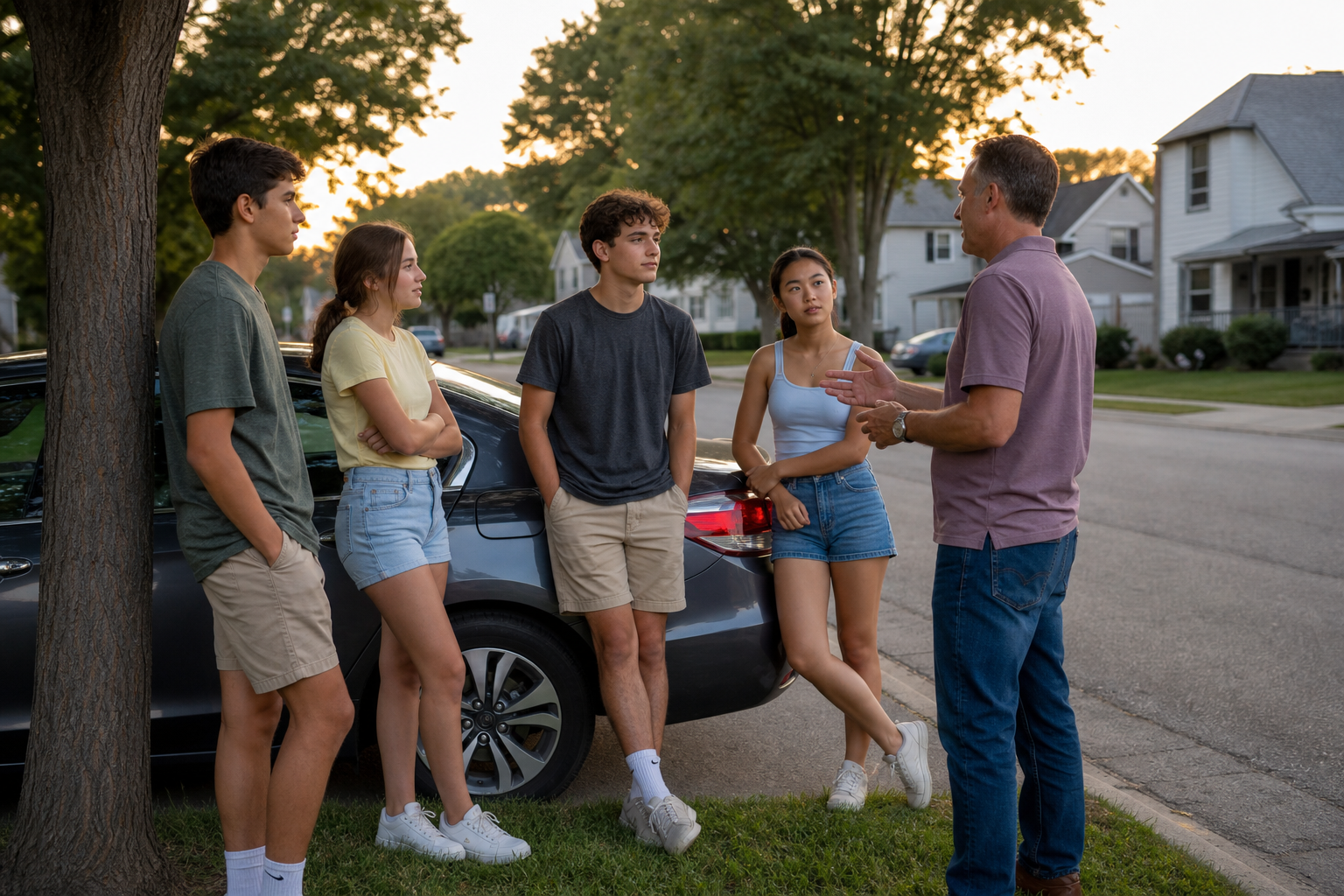
Teen drivers are still developing judgment behind the wheel. Summer adds more opportunities for risky situations: longer drives, later nights, more friends in the car, recreational trips, and less adult supervision.
AAA has reported that a large share of deaths in crashes involving teen drivers occur during the 100 Deadliest Days. NHTSA also identifies teen driving as a major safety issue and emphasizes risks including inexperience, distraction, speeding, seat belt nonuse, impaired driving, and extra passengers.
Those risk factors matter legally because they shape what should be investigated after a serious crash.
| Risk factor | Why it matters in a claim | Evidence to preserve |
|---|---|---|
| Extra passengers | Passengers can distract a young driver | passenger names, statements, seat locations |
| Phone use | Distraction may affect liability | phone records, photos, messages, app data |
| Speed | Speed affects fault and injury severity | crash report, vehicle damage, EDR data |
| Night driving | Visibility and fatigue become issues | time, lighting, road layout, witness accounts |
| Seat belt use | Insurers may raise injury/fault arguments | EMS notes, police report, medical records |
| Impairment | Can affect liability and damages | police investigation, citations, test results |
What should parents do after a teen-driver crash in Indiana?
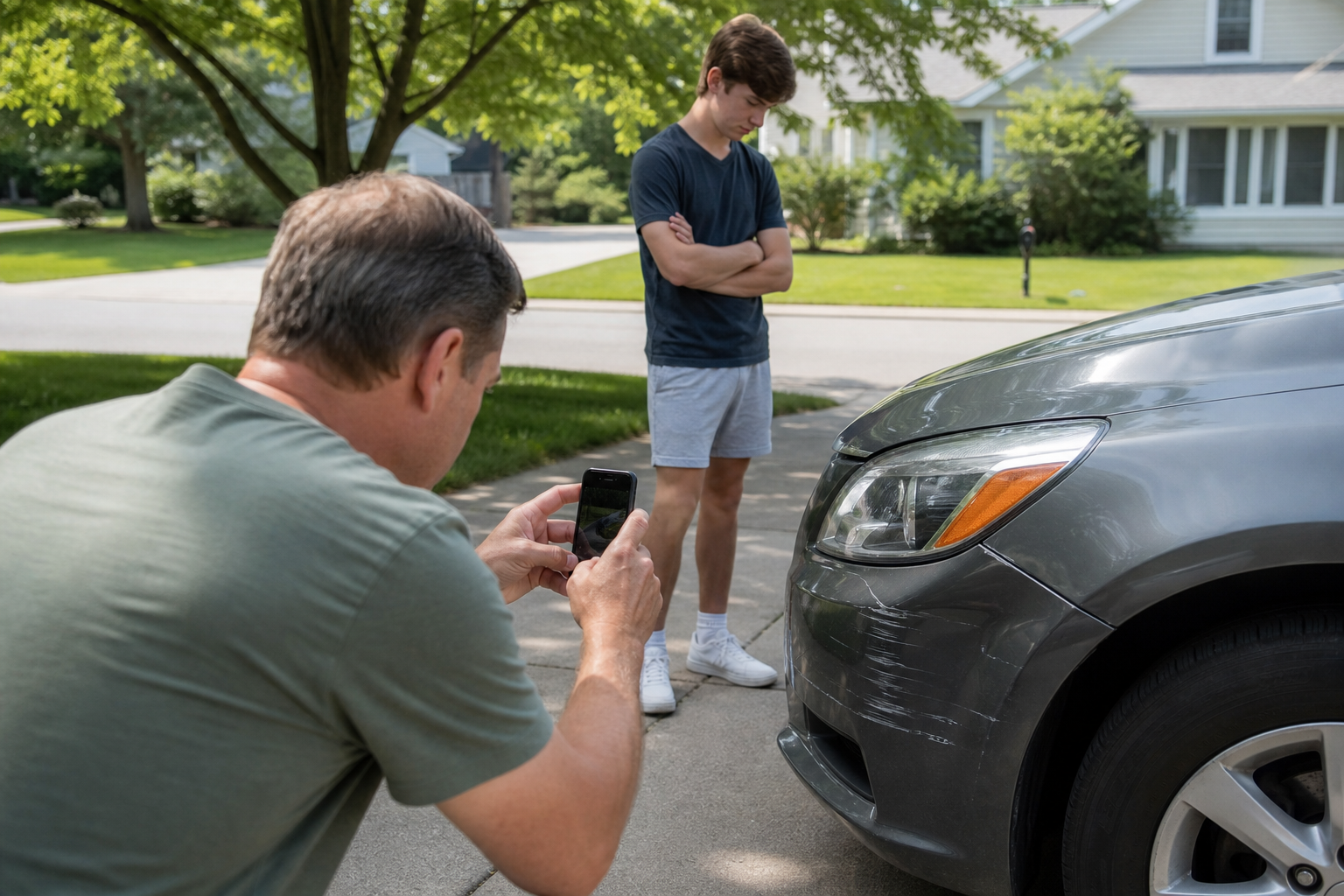
Start with the basics. Call 911 if anyone may be hurt. Make sure everyone is out of danger. Get medical care even if symptoms seem mild at first. Adrenaline can hide head, neck, back, shoulder, and internal injuries.
Then, if it is safe, preserve evidence:
- photos of all vehicles before repair;
- photos of the road, intersection, signs, skid marks, debris, lighting, and weather;
- names and phone numbers for passengers and witnesses;
- the police report number;
- screenshots of relevant texts or posts;
- dashcam or doorbell/business video locations;
- insurance claim numbers;
- ER, urgent care, or family doctor paperwork.
If the crash involved a teen driver, a passenger, a child, a serious injury, or a fatality, do not assume the first insurance explanation is complete. See DLO’s resources on child accident claims, wrongful death, distracted driving crashes, and underinsured/uninsured motorist claims.
Can an injured passenger make a claim after a teen-driver crash?
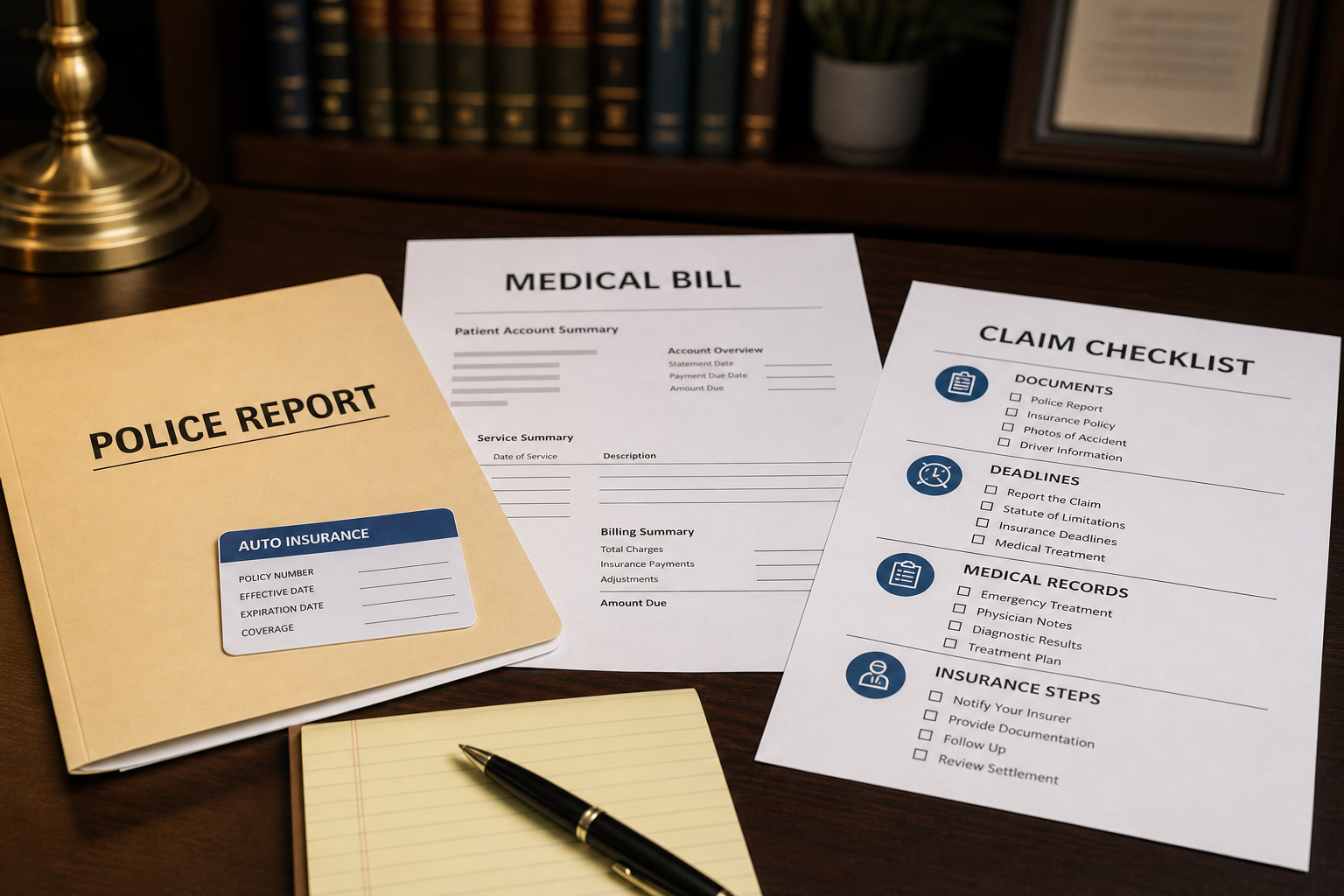
Often, yes. An injured passenger may have a claim against the at-fault driver’s insurance even if the driver was a friend, classmate, coworker, teammate, sibling, or relative.
That can feel emotionally awkward. Many families do not want to “sue” a friend or family member. In many injury claims, however, the practical issue is insurance coverage, not personal revenge. Medical bills, missed school/work, therapy, surgery, and future care can create real financial pressure. You can use our Indiana car accident settlement calculator to organize the factors that may affect a claim’s value; it is an educational tool, not a promise of any result.
If the at-fault driver has limited coverage, underinsured motorist coverage may also matter. That is one reason the insurance review should happen early.
How does Indiana fault law affect teen-driver crashes?
Indiana generally uses modified comparative fault in many injury claims. If an injured person is partly at fault, the recovery may be reduced by that percentage. If the injured person is more than 50% at fault, recovery may be barred.
In teen-driver cases, insurers may argue:
- the injured person distracted the driver;
- the injured person knowingly rode with an unsafe or impaired driver;
- another vehicle caused the crash;
- the teen driver was not actually speeding;
- the injuries were minor or unrelated;
- the passenger failed to use a seat belt.
Some of those arguments may be weak. Some may matter. The answer depends on evidence, not assumptions.
What if the teen driver was using a phone?
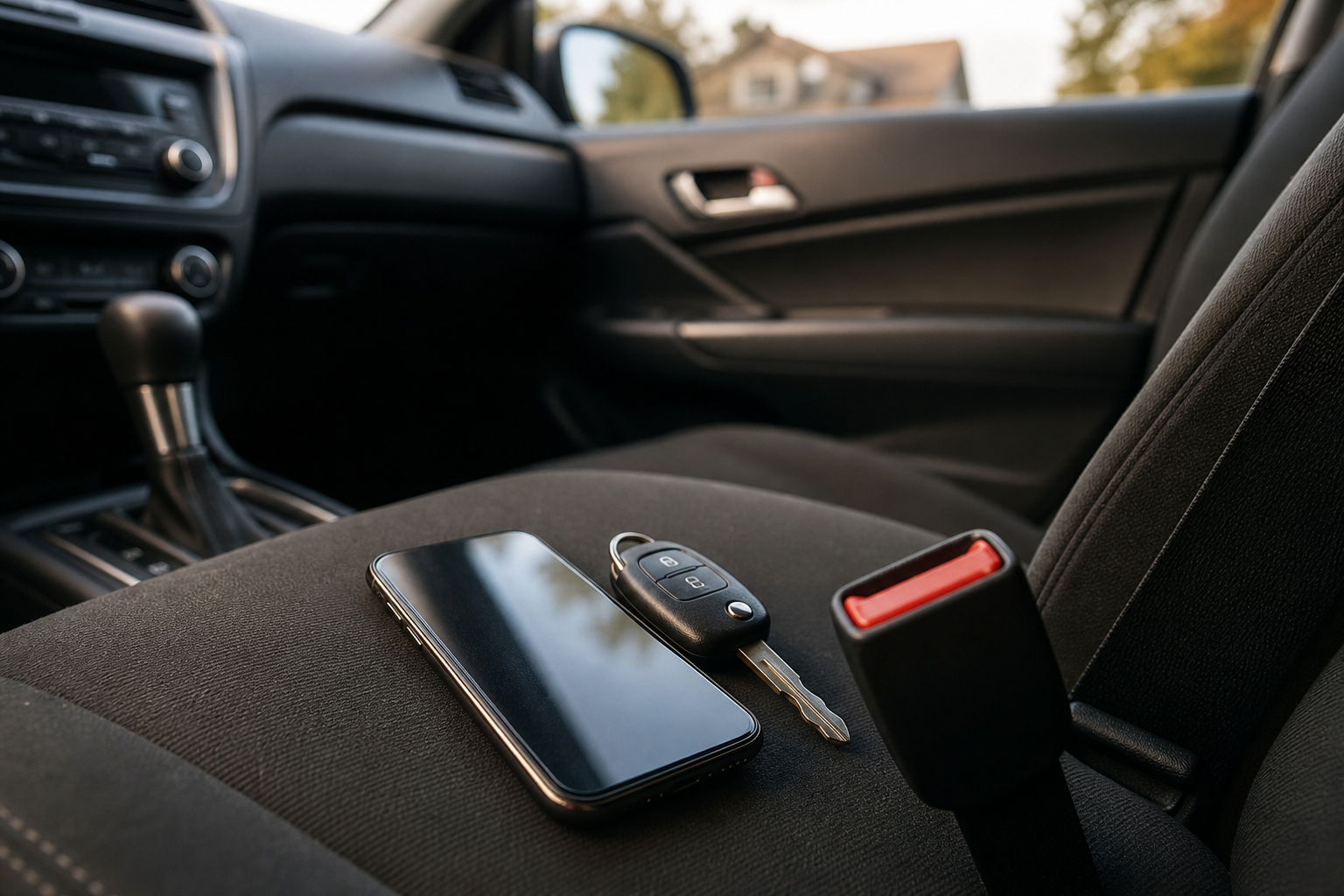
Phone distraction can be a major issue. But proving it requires more than suspicion. Evidence may include witness statements, screen activity, texts, app records, photos, social posts, call logs, or police investigation materials.
Indiana also has distracted-driving rules, and DLO maintains a separate page for Fort Wayne distracted-driving accident claims. If a serious crash may involve phone use, preserve the issue before devices are replaced, reset, or wiped.
When should a family call a lawyer?
Consider calling early if:
- anyone went to the ER or urgent care;
- a child or teen passenger was injured;
- symptoms involve head injury, concussion, neck/back pain, fractures, or surgery;
- the crash involved alcohol, speed, distraction, or nighttime driving;
- multiple insurance policies may apply;
- the insurer is asking for a recorded statement;
- fault is disputed;
- medical bills are already arriving.
A consultation does not mean a lawsuit must be filed. It means a family can understand the insurance and evidence issues before the claim gets shaped by someone else.
Frequently Asked Questions
What are the 100 Deadliest Days?
The phrase usually refers to the period between Memorial Day and Labor Day, when fatal crashes involving teen drivers increase compared with other times of year.
Can a passenger sue a teen driver after a crash?
A passenger may have an injury claim if another person’s negligence caused the crash. Practically, many claims are handled through insurance coverage.
What if my child was partly at fault as a passenger?
Do not assume the claim is over. Indiana comparative fault issues depend on evidence and percentage allocation.
Should we give a recorded statement to the insurance company?
Be careful. You may need to cooperate with your own insurer, but the other driver’s insurer is not your advocate. Get advice first if injuries or fault are disputed.
What if the at-fault teen driver has minimum insurance?
Underinsured motorist coverage may become important. An attorney can review all available policies.
Sources and further reading
- NHTSA, Teen Driving: https://www.nhtsa.gov/road-safety/teen-driving[1]
- NHTSA, Ten Tips for Safe Driving: https://www.nhtsa.gov/ten-tips-for-safe-driving[2]
- AAA Newsroom, 100 Deadliest Days teen-driver safety coverage: https://newsroom.aaa.com/[3]
- Indiana State Police, Summer Travel Safety: https://www.in.gov/isp/resources/driving-safety/summer-travel-safety/[4]
Bottom line
A summer teen-driver crash can become complicated quickly. If your family is dealing with medical bills, disputed fault, passenger injuries, or insurance pressure, Delventhal Law Office can help you understand the next step. Start with the free case evaluation form.