What Happened
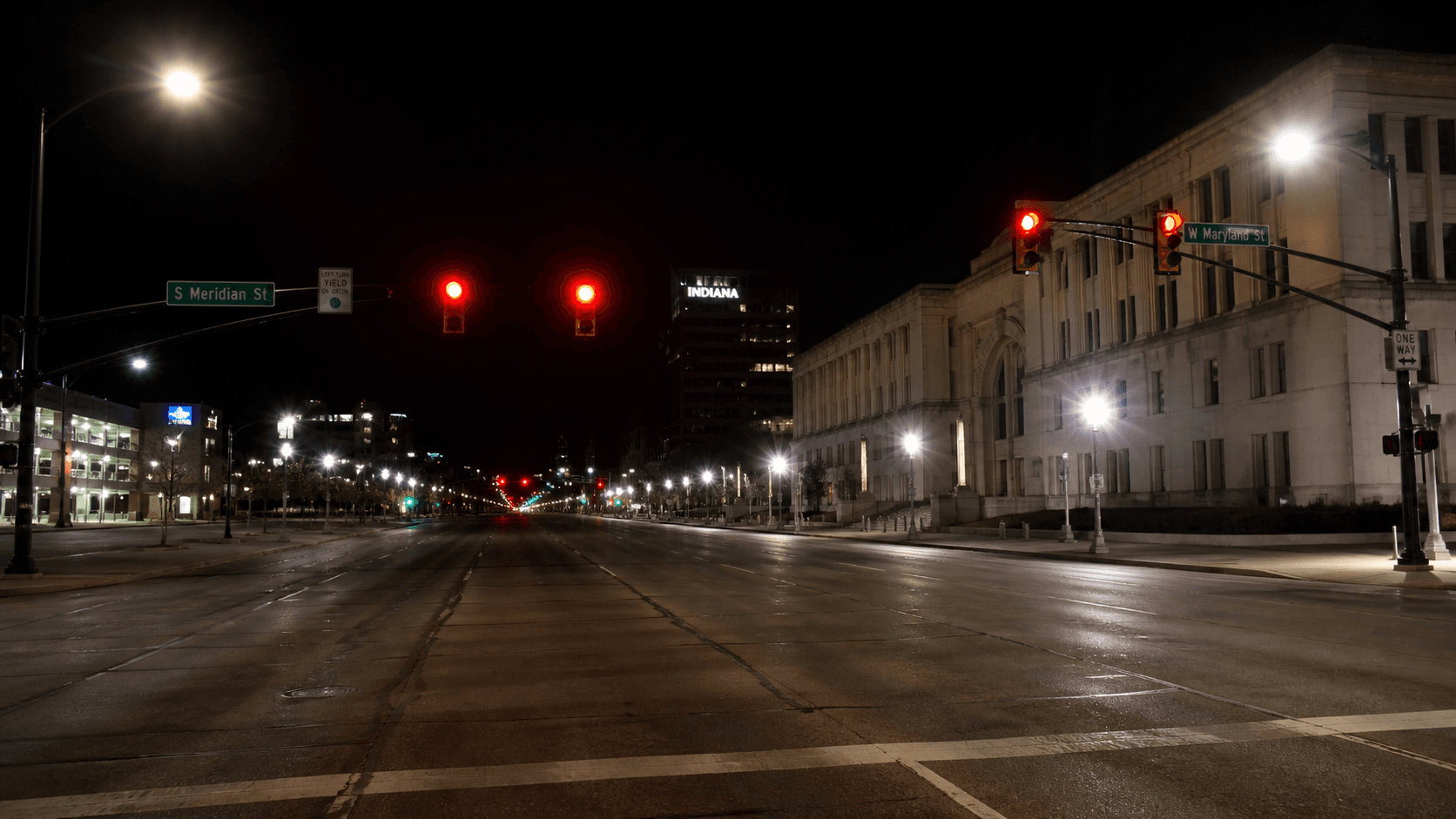
Three people died after a crash at West 86th Street and North Meridian Street on Indianapolis' north side just before 3 a.m. on Wednesday, Aug. 5, 2026, according to WISH-TV[1] and other local outlets. The Indianapolis Metropolitan Police Department's preliminary account is that an SUV carrying four men ran a red light at extreme speed and struck an eastbound Infiniti. Two men died at the scene, and two others were hospitalized in critical condition; one of them later died, according to WIBC[2]. The Marion County Coroner identified two of the men who died as Forrest Coffee Jr., 32, and Dashawn Williams, 24, according to reporting from FOX59[3].
IMPD's preliminary account, as reported by WISH-TV, FOX59[3], WRTV[4] and WTHR[5], is that the SUV disregarded the traffic signal at the intersection and collided with the Infiniti. Investigators said extreme speed is believed to have been a factor. Both vehicles were heavily damaged. The crash remains under investigation, and no findings about impairment, citations, or charges have been reported.
What Victims Should Do Next
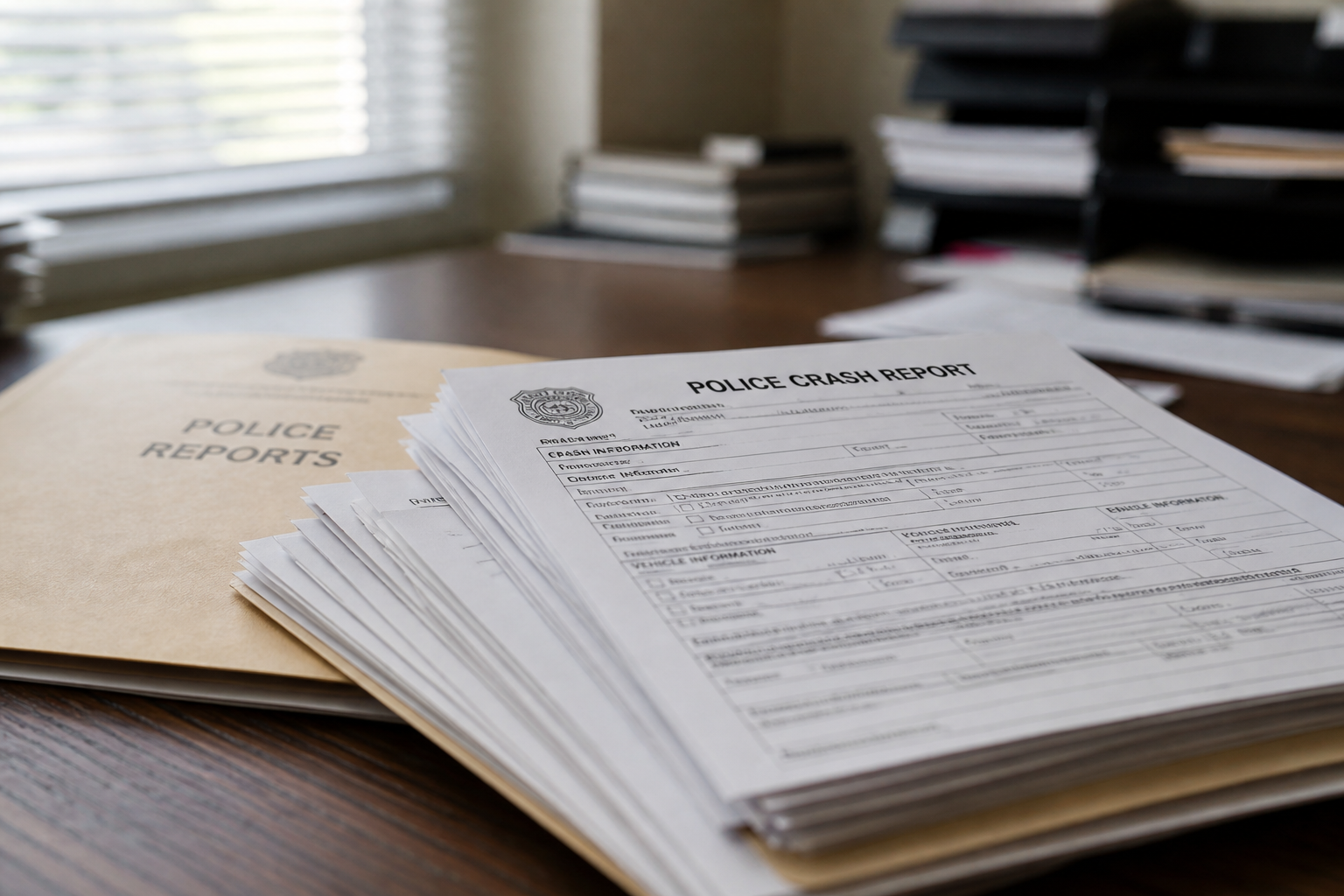
In the hours and days after a serious intersection crash, the practical steps are usually the same. Get medical attention promptly, even for symptoms that seem minor, because head, neck, and internal injuries often show up later. Ask the investigating agency for the report number so the official record can be obtained when it is released. If a family member has been affected, it can help to consult a Fort Wayne wrongful death attorney or an intersection accident attorney early, since some evidence at signalized intersections disappears quickly.
Write down what is remembered while it is fresh, and gather names and phone numbers for anyone who saw the crash. Signal timing data, nearby business and traffic cameras, and vehicle event data recorders can all be decisive at a signalized intersection, but that evidence is often overwritten or lost within weeks unless someone asks for it to be preserved. It is also wise to avoid giving a recorded statement to an insurance company before understanding how that statement may be used.
Proving Fault in a Red-Light Crash
Fault in a red-light case usually turns on physical proof rather than competing accounts: the signal's phasing records, video, skid and debris patterns, crush damage, and data pulled from the vehicles themselves. Speed matters twice over: it bears on who could have avoided the collision, and it affects the severity of what happens on impact. Indiana follows a modified comparative fault rule. A person's recovery is reduced by their own share of responsibility, and it is barred entirely if that share is more than 50 percent. That rule can matter even when one driver's conduct appears to explain most of a crash, because insurers routinely argue that others contributed in some smaller way.
When someone dies, Indiana's wrongful death statutes allow a claim brought by the personal representative of the estate. Recoverable losses can include final medical and funeral expenses, lost financial support, and, depending on which statute applies, the loss of a spouse's or child's companionship. Most Indiana wrongful death and personal injury claims must be filed within two years, and multi-fatality crashes raise a further problem: a single at-fault driver's liability policy is often far too small to cover several claims. That is where underinsured and uninsured motorist coverage on a victim's own auto policy can become the most important source of recovery.
How Delventhal Law Office Can Help
Delventhal Law Office handles wrongful death and serious injury cases arising from Indiana crashes, including cases from Indianapolis and Marion County. Attorney Chad Delventhal works to preserve time-sensitive evidence, sort out layered insurance coverage, and explain, calmly and in plain language, what Indiana law allows families to recover. Insurance companies in cases with multiple victims and limited policy proceeds can be aggressive about minimizing what each claimant receives, and having someone track deadlines and coverage sources matters. Anyone with questions about how these claims work is welcome to schedule a free case evaluation.
This post is based on public reporting available as of publication and may be updated as the investigation continues. Nothing in this post is legal advice, and reading it does not create an attorney-client relationship with Delventhal Law Office.