


DELVENTHAL LAW
INDIANA CAR ACCIDENT ATTORNEY ASSISTING CLIENTS WITH SIDE-SWIPE CRASHES IN FORT WAYNE
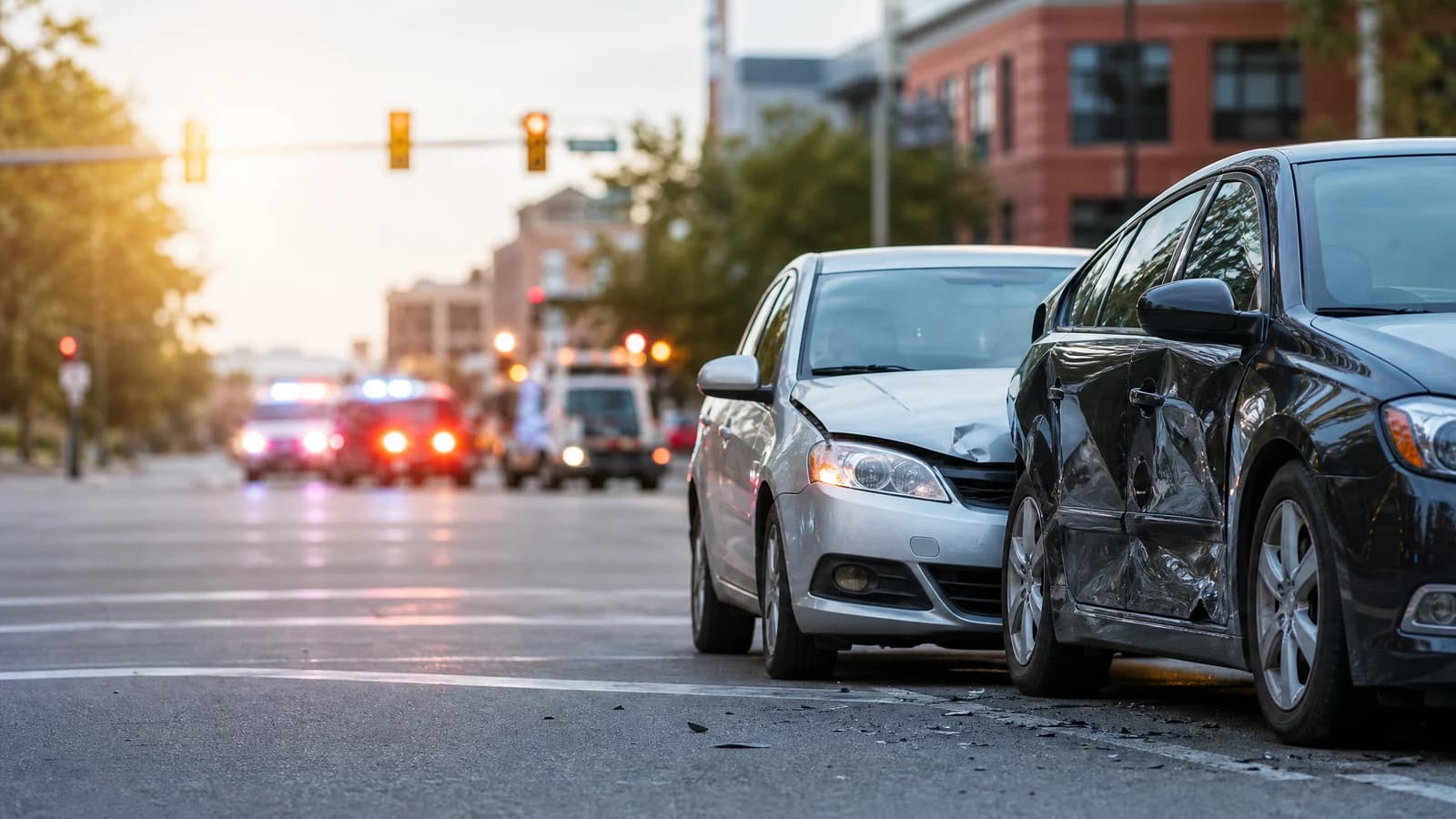
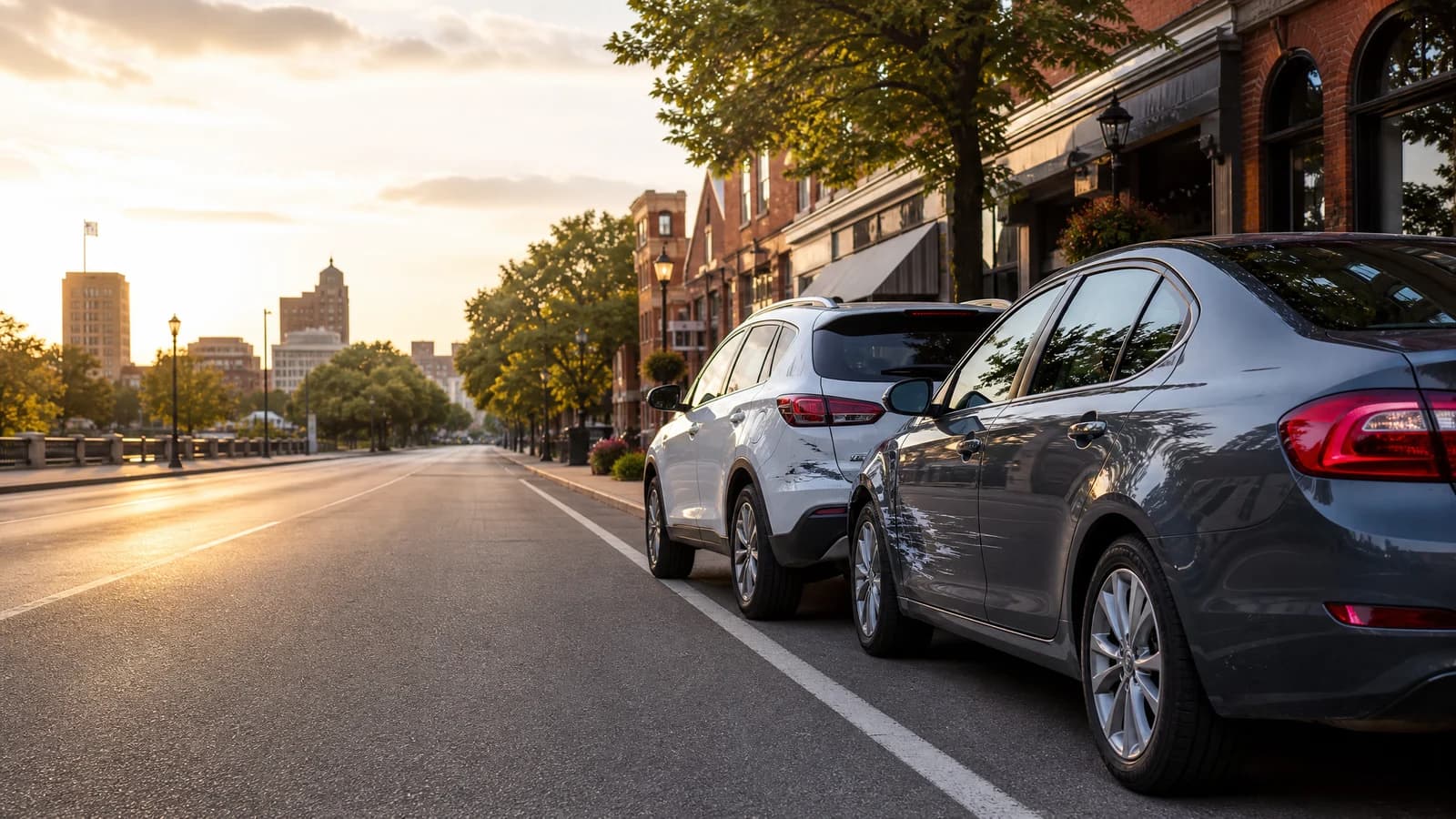
Side-swipe accidents can happen quickly and without any warning when another driver attempts to change lanes and crashes into your car. These types of collisions can vary greatly in terms of severity, and it can be difficult to determine fault in some of these cases. If you were involved in a side-swipe collision, it is extremely important to discuss your case with a Fort Wayne side-swipe driving accident attorney. An advocate at Delventhal Law Office LLC can gather evidence to help prove that the other driver was responsible and to help you seek the financial compensation you deserve.
COMMON CAUSES OF SIDE-SWIPE ACCIDENTS
There are many different causes of side-swipe accidents, including but not limited to the following:
- Texting while driving;
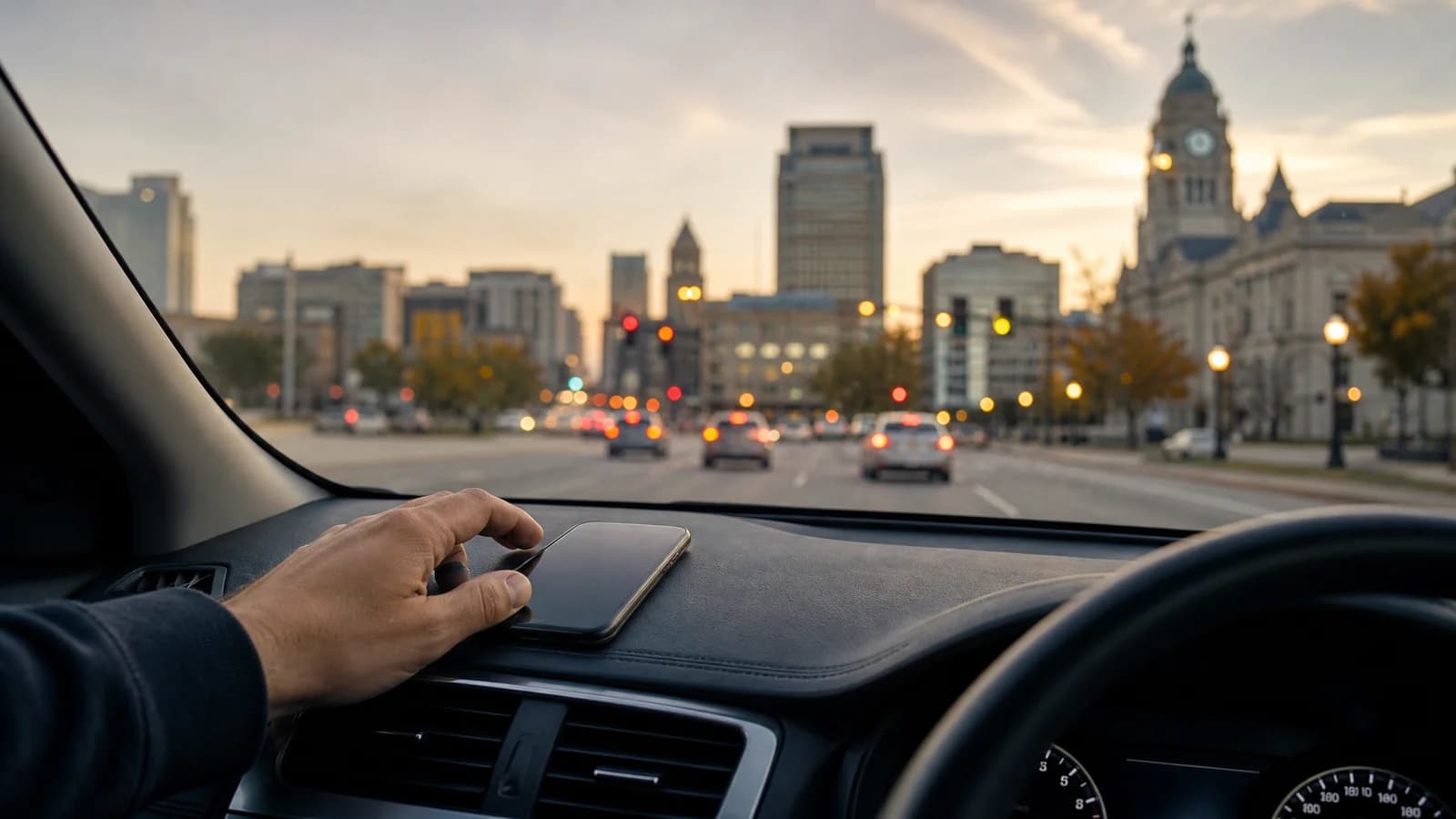
- Distracted driving in other forms, including talking to a passenger or even eating in the car;
- Drunk driving;
- Drowsy driving, or falling asleep at the wheel;
- Failing to check a blind spot and changing lanes;
- Aggressive driving, including weaving between lanes;
- Inclement weather; and
- Roadway hazards, such as potholes or other obstacles.
PROVING FAULT IN A SIDE-SWIPE MOTOR VEHICLE COLLISION
As we noted, side-swipe[1] accidents usually happen when motor vehicles are traveling next to one another, and one of the vehicles attempts to change lanes or drifts into the other lane as a result of distracted driving, intoxicated driving, or impaired driving. In many cases, side-swipe accidents happen when one driver does not see the other vehicle because it is in his or her blind spot, as we mentioned above.
Proving fault in a side-swipe accident can be difficult, but it is certainly not impossible. First, if you called the police after the crash, the police may have issued the other driver a citation. Even if there was no citation, police reports can be extremely helpful in proving fault. At the same time, a car accident lawyer can use photographs and other materials from the collision to work with an accident reconstruction expert to show that the other driver was negligent and is responsible for the collision.
HOW DO I FILE A SIDE-SWIPE CLAIM?
For car insurance purposes, Indiana is a “fault” state. Generally speaking, this means that anyone who gets hurt in a car crash caused by another driver’s negligence has one of two options:
- File a first-party claim, which involves filing a claim through your own insurance company; or
- File a third-party claim, which involves filing a claim through the negligent driver’s insurance company.
There are pros and cons to both approaches. If you file a first-party claim, you may be able to obtain compensation sooner, but you will have to pay your deductible up front. When you file a third-party claim through the negligent driver’s insurance company, you will not have to pay your deductible, but you could run into difficulties if there are insurance limits or other issues that prevent you from obtaining compensation in full.
If you are not able to obtain complete compensation through an insurance claim, you may be eligible to file a side-swipe driving accident lawsuit against the negligent driver and any other liable party in order to obtain the damages to which you are entitled.
WHAT HAPPENS IF I AM PARTIALLY TO BLAME FOR A SIDE-SWIPE ACCIDENT?
Even if you are partially at fault for the accident, it is important to know that you may still be eligible to receive compensation. Under Indiana’s comparative fault law[2], if a plaintiff is 50 percent or less at fault, she recovers compensation but the compensation is reduced by her percentage of fault. The plaintiff is barred from recovery only if she is 51 percent or more at fault.
Statute of Limitations for Filing a Side-Swipe Car Accident Lawsuit
Under the Indiana statute of limitations[3], an injured person has two years from the date of the side-swipe accident to file a claim for compensation. Even if you were not injured in the collision but sustained significant property damage, you still must file a lawsuit within two years from the date of the crash in order to remain eligible for compensation.
If you fail to file your side-swipe accident lawsuit within two years from the date of the crash, your claim can become time-barred. By speaking with a car accident lawyer in Fort Wayne as soon as possible, you can ensure that you remain eligible to file a lawsuit.
CONTACT A FORT WAYNE CAR ACCIDENT ATTORNEY
Were you injured in a side-swipe crash? You should reach out to a side-swipe driving accident attorney in Fort Wayne as soon as possible to get started on your claim. An advocate at Delventhal Law Office LLC can speak with you today about your options for seeking financial compensation. Contact us to learn more about how we can help with your car accident case.
The Indiana law that applies to your side-swipe crash case
Indiana's two-year personal-injury statute at IC 34-11-2-4[4] controls Fort Wayne side-swipe crash claims, and the 51% modified comparative-fault rule at IC 34-51-2-6[5] governs allocation. Side-swipe configurations typically trace to improper lane changes under IC 9-21-8-24[6], unsafe passing under IC 9-21-8-2[7], or distracted driving under IC 9-21-8-59[8]. The crash often forces the impacted vehicle off the roadway, producing a secondary impact that drives the injury severity rather than the initial paint-transfer contact itself.

How insurance carriers fight Fort Wayne side-swipe crash claims
Side-swipe carriers in Allen, DeKalb, and Whitley County run a focused lane-change attack across four primary arguments at every stage of the case. First is the mutual-lane-change argument — the at-fault driver insists both vehicles drifted into the shared lane simultaneously, attempting to push allocation above the 51% comparative-fault bar. Second is the no-signal argument, claiming the impacted vehicle never signaled before maneuvering through the corridor. Third is the minor-impact argument, where the carrier discounts injury severity based on superficial paint transfer despite the catastrophic secondary off-road impact that follows. Fourth is the visibility argument involving blind-spot coverage and mirror geometry on each vehicle. We counter with paint-transfer forensics, dash-cam footage, EDR data, lane-departure-warning intervention logs, and lane-departure research published by NHTSA risky-driving research[9].
Evidence we preserve in the first 48 hours
Side-swipe cases turn on lane-position proof, paint-transfer forensics, and secondary-impact documentation captured before vehicles are repaired. From day one we lock down:
- Dash-cam footage from either vehicle and any commercial-vehicle forward-facing camera in the corridor — side-swipe cases live and die on visual lane-position evidence.
- Paint-transfer photographs along both vehicles' sides, scrape direction, and the elevation of impact, all of which establish which driver moved laterally into the other lane.
- Event Data Recorder downloads capturing pre-impact steering inputs and any lane-departure warning or lane-keeping intervention recorded by the at-fault vehicle.
- Scene photographs, yaw marks, and tire scrubs at the impact point, plus rest position of both vehicles after any secondary impact with shoulder or guardrail.
- Witness statements from other drivers in the corridor and any 911 audio that captures contemporaneous description of lane position.

Damages categories in an Indiana side-swipe crash case
Side-swipe damages divide into economic and non-economic categories. Economic damages cover ER care, orthopedic injuries from secondary impacts with guardrail or median, cervical and lumbar soft-tissue injuries, lost wages, future earning-capacity loss when permanent impairment results, and any traumatic-brain-injury rehabilitation when the vehicle leaves the roadway and strikes a fixed object. The NHTSA risky-driving research[9] resource documents the disproportionate injury risk in lane-departure events that escalate into off-road crashes. Non-economic damages cover pain, headaches, anxiety while driving, sleep disruption, and the documented loss of enjoyment.

What our side-swipe crash clients ask most
How much is a Fort Wayne side-swipe crash case worth?
Side-swipe value tracks the secondary-impact severity rather than the initial paint-transfer contact. A clean lane-change side-swipe with a documented disc herniation from the off-road secondary impact routinely supports a mid-five- to low-six-figure recovery. Surgical cases and traumatic brain injury cases reach higher when the dash-cam and reconstruction evidence are locked down early.
What if both drivers blame each other for changing lanes?
Paint-transfer direction, dash-cam footage, lane-departure warning system data, and the orientation of scrapes along each vehicle resolve the question. Indiana law allows credentialed reconstruction testimony to establish which vehicle moved laterally. Mutual-lane-change defenses fall apart when the forensic evidence is properly preserved within the first ninety days.
I only have minor paint scrapes on my car — do I have a case?
Side-swipe property damage is often modest, but the secondary impact that follows — guardrail, ditch, median, or another vehicle — frequently produces serious injury. Case value tracks the injury, not the paint transfer. Modern bumper systems and lateral panels absorb energy with limited visible damage even when occupant forces are significant.
How long do I have to file a side-swipe injury claim?
Indiana's general two-year personal-injury statute at IC 34-11-2-4[4] runs from the crash date. UM and UIM components may carry contractual notice obligations under the policy. Commercial-vehicle defendants trigger their own federal preservation obligations under FMCSR, and government-vehicle defendants trigger Indiana Tort Claims Act notice as short as 180 days under IC 34-13-3-8[10].
Will the dash-cam in my vehicle help my case?
Dash-cam footage is among the strongest evidence in any side-swipe case, and side-swipe defendants almost universally claim the dash-cam contradicts their version. Preserve the SD card or upload the file within twenty-four hours of the crash — many dash cameras overwrite on a rolling basis, and the loss of the footage can be catastrophic to the case.

What happens after you hire us
From the day we open the side-swipe file we secure dash-cam footage, send preservation letters for any commercial-vehicle telematics in the corridor, and dispatch a photographer to document paint-transfer evidence before vehicles are repaired. We coordinate orthopedic and rehabilitation care, retain a reconstructionist when secondary-impact injury controls case value, and demand at maximum medical improvement. If the carrier falls short of documented damages, suit is filed in Allen Superior Court. Contingency-fee — no fee unless we recover.
Sources
- side-swipe (magazine.northeast.aaa.com) ↩
- Indiana’s comparative fault law (codes.findlaw.com) ↩
- Indiana statute of limitations (iga.in.gov) ↩
- IC 34-11-2-4 (iga.in.gov) ↩
- IC 34-51-2-6 (iga.in.gov) ↩
- IC 9-21-8-24 (iga.in.gov) ↩
- IC 9-21-8-2 (iga.in.gov) ↩
- IC 9-21-8-59 (iga.in.gov) ↩
- NHTSA risky-driving research (nhtsa.gov) ↩
- IC 34-13-3-8 (iga.in.gov) ↩